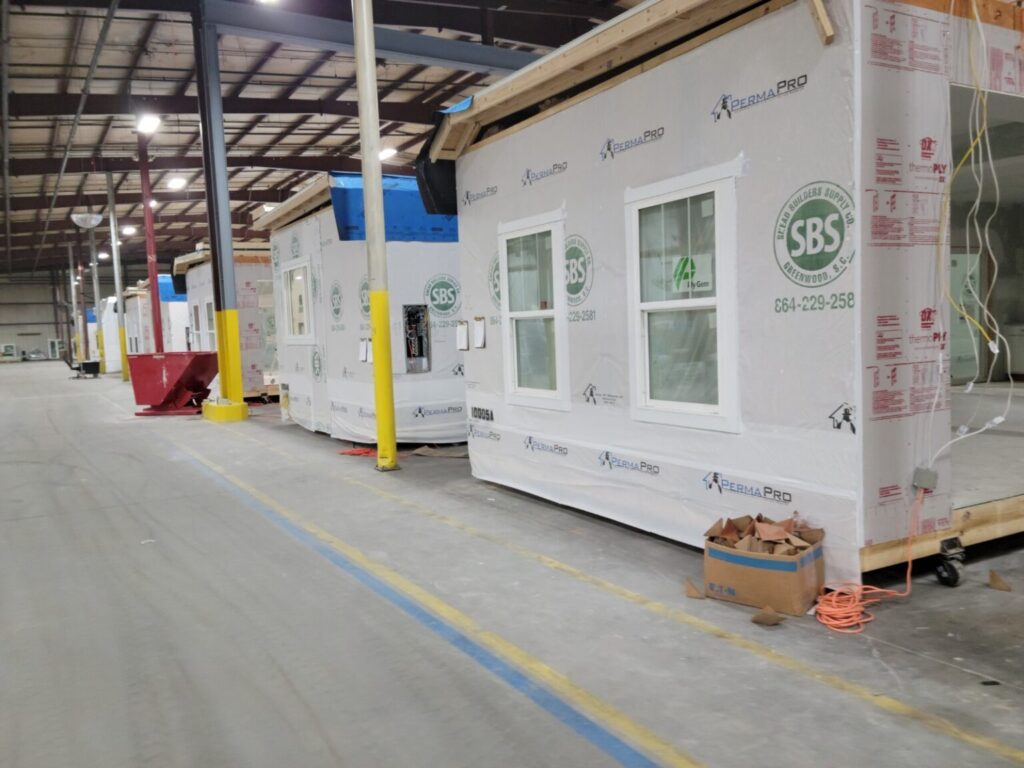
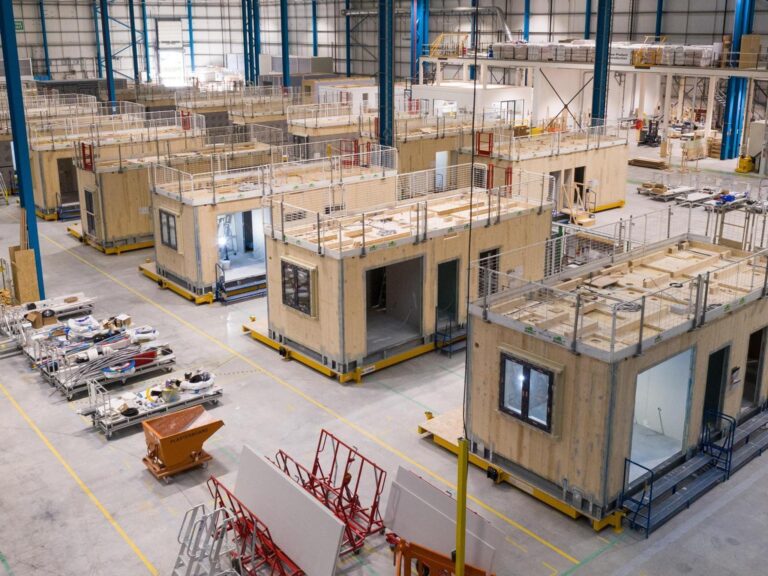
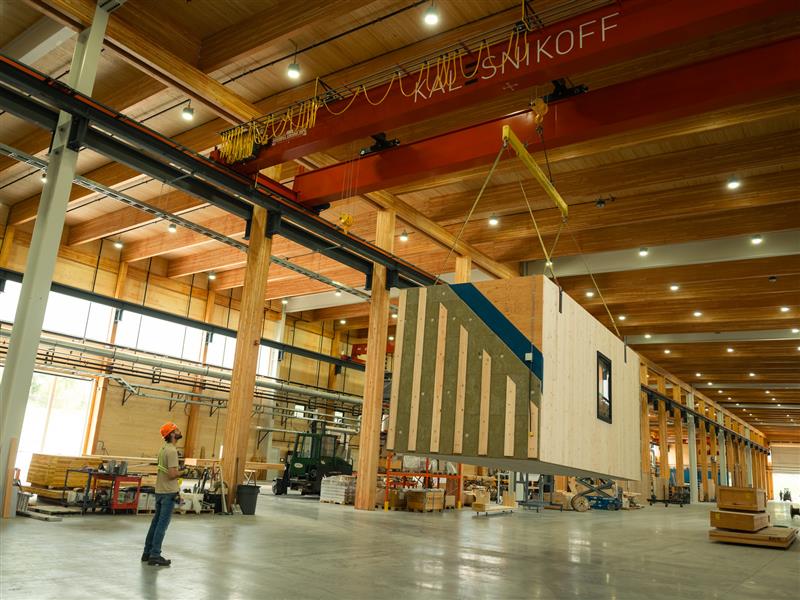
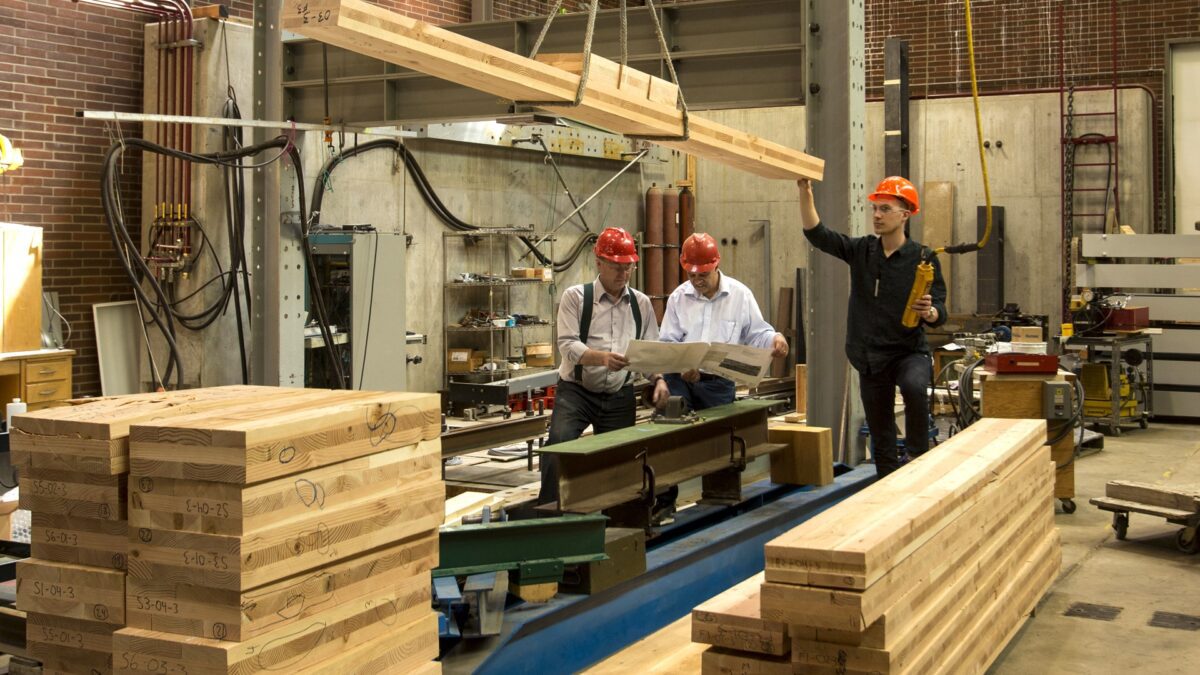
Over the years, my partner Gary Fleisher and I have spent countless hours talking with people across the offsite construction industry—developers, manufacturers, builders, investors, engineers,
Every month in the offsite construction world, I hear about another promising new idea. Someone has developed an app that will streamline scheduling, a machine
Over the years, and especially the last several years of active advisory work, I’ve consistently been asked the same question: What makes one modular factory thrive while another stumbles?
People generally expect the usual ubiquitous answers: poor planning, capitalization, sales and marketing, lack of backlog, poor quality, etc. And while those are important, they don’t tell the whole story or get to the root cause of a successful company. In my years as a GM on the floor, and later as an advisor, I’ve noticed something else—a pattern you won’t find in spreadsheets, business plans, or equipment lists. It’s harder to measure, but it shows up in every plant I’ve visited. And more often than not, it’s the pattern that determines where that factory is headed.
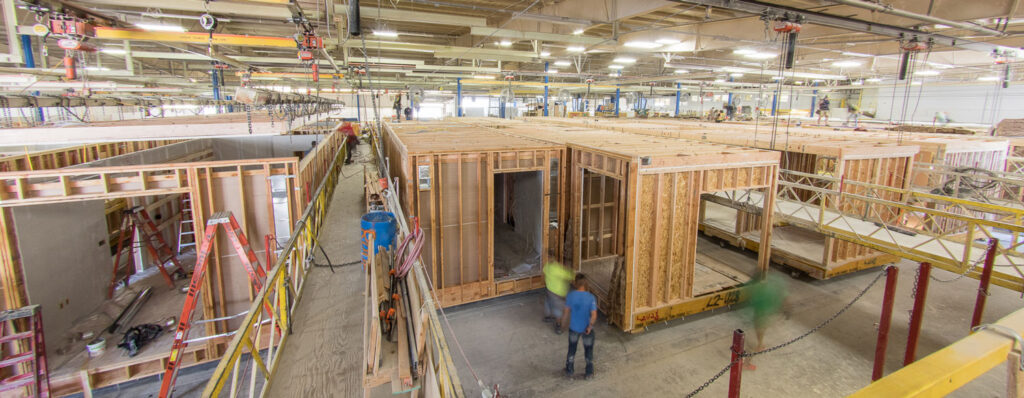
I’ve walked into plants with the latest machinery and ambitious schedules. On paper, everything looked strong. But within minutes on the floor, it was obvious whether the foundation was solid—or shaky. The way crews interacted, how leadership set the tone, the sounds of the plant, whether people believed in what they were building…these were signals you couldn’t miss.
As the oft used idiom states, “You can’t often see the forest for the trees.” Many in management or those vetting manufacturers are so consumed with being engrossed in the specifics that they don’t see or consider the foundational aspects of a thriving business. Those signals were manifested in varying ways, many of which weren’t so obvious to the un-informed or to those with self-imposed blinders.
This foundation is essential and applies equally to start-ups, turnarounds, or established manufacturers. New equipment and fresh capital only go so far if the ingrained behaviors on the floor tell a different story. Simple observations, short conversations with office staff, and those working on the line will reveal a company’s true foundation.
When developers/builders visit manufacturers to vet potential suppliers, I often tell them: don’t just look at the product, backlog or the marketing materials. Spend 30 minutes on the floor. What you’ll see and hopefully learn there will tell you far more about the factory’s future than any spreadsheet or fancy brochures. I provide a formal written list of what to look for or have in some instances, accompanied them on factory visits… It’s that important!
This pattern is captured in conventional parlance by the term “Culture”. This term seems to represent an aversion that many assume in not considering its importance or in even considering its ramifications. Culture isn’t about production numbers, slogans on the wall, or polished presentations. It’s about the underlying force that shapes day-to-day decisions and attitudes. It’s subtle, but it’s powerful. And once it takes hold—good or bad—it influences everything that follows.
Every plant has it. Some harness it, and grow stronger because of it. Others ignore it, and pay the price. Culture is what differentiates an organization and what often separates winners from loosers.
Factories don’t succeed or fail overnight. Their trajectory is set early, in ways that most people overlook. That’s why I believe paying attention to a company’s culture is essential in determining and understanding where a plant is presently and where they are headed.
I feel so strongly about this oft-overlooked aspect that I will be devoting several articles on this website to explain and expand upon its significance. No preaching, just practical experience-based observations.
At Offsite Innovators, my mission is to share what I’ve learned from years on the floor and years advising others—so that whether you’re starting up, turning around, or choosing a supplier, you can make informed decisions.
If you’ve ever heard the term carbon-neutral construction tossed around at a conference or slipped into a sales pitch, you may have nodded politely while wondering what it actually means. It sounds like one of those trendy buzzwords consultants and marketers love to throw into presentations. But for offsite construction, carbon-neutral isn’t just another industry fad—it’s quickly becoming a line in the sand for owners, investors, and regulators. And the truth is, it’s not nearly as complicated as some would have you believe. Let’s pick up the “big crayons” and draw it out clearly.
What Carbon-Neutral Means in Plain English
Every time a factory builds a module, a wall panel, or even a truss, carbon dioxide (CO₂) is released somewhere along the way. Cement plants, steel mills, lumber drying kilns, diesel-powered trucks, and even the electricity running saws and nail guns all contribute to the carbon “footprint” of a project.
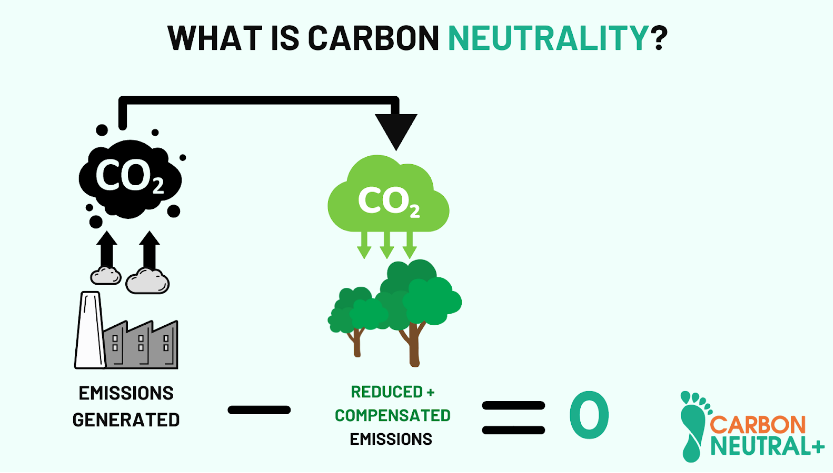
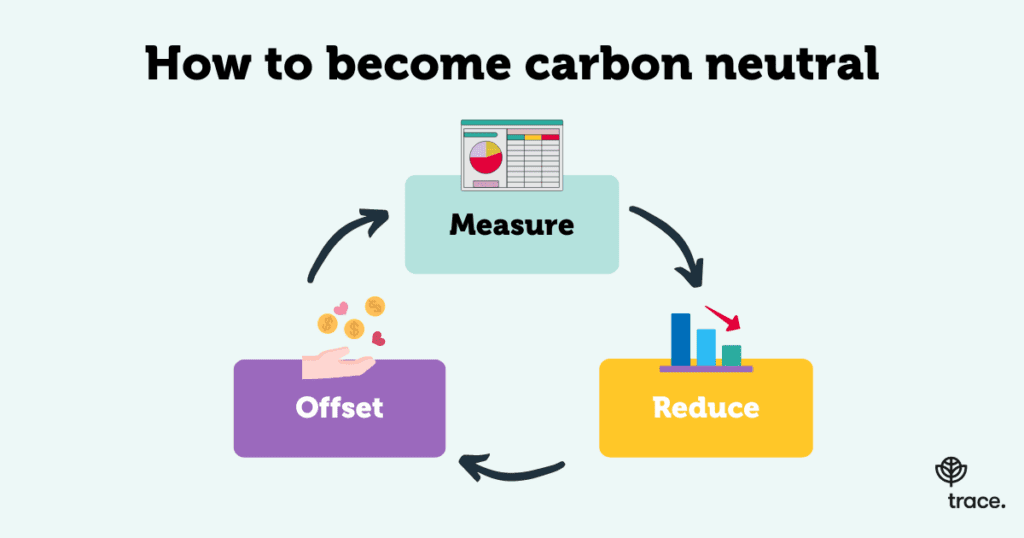
Carbon-neutral means two simple things:
Cut down emissions where you can. Use greener materials, smarter production methods, and efficient transportation.
Clean up what’s left. Buy offsets like reforestation projects, renewable energy credits, or investments in carbon removal technology.
The idea is that when you tally it all up, the CO₂ your project put into the air has been canceled out by CO₂ taken out somewhere else. Net impact: zero.
Why It Matters to Offsite
For decades, offsite manufacturers have fought the uphill battle of convincing the world that factory-built doesn’t mean flimsy or cheap. In fact, the industry has made enormous strides in quality, safety, and speed. Now comes another opportunity: showing that offsite construction can lead the way in sustainable building.
Why does this matter? Because the biggest buyers of housing, commercial spaces, and even government-funded projects are demanding it. Developers want carbon-friendly buildings to attract investors. Cities are passing green building codes. Lenders are tying financing rates to sustainability goals. And perhaps most importantly, the next generation of homebuyers—Millennials and Gen Z—are far more likely to value eco-conscious construction than their parents ever were.
For offsite, this is a chance to stand out. Factories already run on repeatable, controlled processes. They waste less material than job sites. They use precision that site-built crews often can’t match. Leaning into carbon-neutral practices allows offsite companies to take what they’re already doing right and prove they’re miles ahead of traditional construction.
But Doesn’t This Cost More?
Let’s be honest: yes, it adds cost. But maybe not as much as you think.
Materials: Switching to low-carbon concrete or mass timber may run 1–5% higher than traditional materials. For a single-family home, that could be a few thousand dollars. For a multifamily project, it’s more—but still within reason compared to the overall budget.
Offsets: Purchasing carbon offsets adds another small layer. For an average house, offsets might cost less than the kitchen appliance upgrade. For a mid-sized development, they’re a fraction of the marketing budget.
And here’s the kicker: carbon-neutral buildings save money in the long run. Factories that optimize for energy efficiency spend less on power. Finished homes that are designed for low energy use cut utility bills for the buyer, making them more marketable. In the big picture, the return on investment often outpaces the upfront cost.
Can You Actually Measure This?
This is the part where people start to squirm. Measuring carbon emissions sounds like a fuzzy science experiment. But the reality is, it’s surprisingly trackable.
Materials: Cement, steel, and lumber all come with well-documented emission factors.
Transport: Diesel use can be calculated down to the gallon.
Factory Energy: Electricity and natural gas consumption are already on the utility bills.
Add it up and you get a pretty clear picture of how much CO₂ your project produced. Where it gets trickier is the offsets—like planting trees. A sapling today may not absorb significant carbon for years, and there’s always the risk it doesn’t survive. That’s why serious offset providers are held to certification standards to make sure the “clean-up” is real.
So yes, it’s measurable. Not perfect, but close enough to make it a serious tool rather than just a feel-good idea.
The Bigger Opportunity
Carbon-neutral isn’t just a cost or a box to check; it’s a chance for offsite construction to redefine itself. While site-built contractors are still wrestling with mountains of waste, inefficiency, and inconsistent building practices, offsite has the chance to say: We’re not only faster and more precise—we’re cleaner too.
Imagine a factory marketing its product as “the first carbon-neutral homes in the state.” Imagine developers pitching investors a multifamily project that’s net-zero impact from day one. Imagine local governments awarding contracts based not only on cost and timeline, but on carbon performance. Those scenarios aren’t futuristic—they’re already happening in pockets across North America and Europe.
The Bottom Line
Carbon-neutral construction doesn’t mean building with hemp rope and fairy dust. It means building smarter, reducing waste, and being accountable for the footprint we leave behind. Yes, it costs a little more today, but it’s quickly becoming the standard that owners, regulators, and buyers expect.
For the offsite industry, the message is clear: step up and lead, or risk being seen as just another old-school builder hiding in a factory.
Carbon-neutral is coming. The question is—will offsite construction be the one holding the crayon and drawing the path forward?
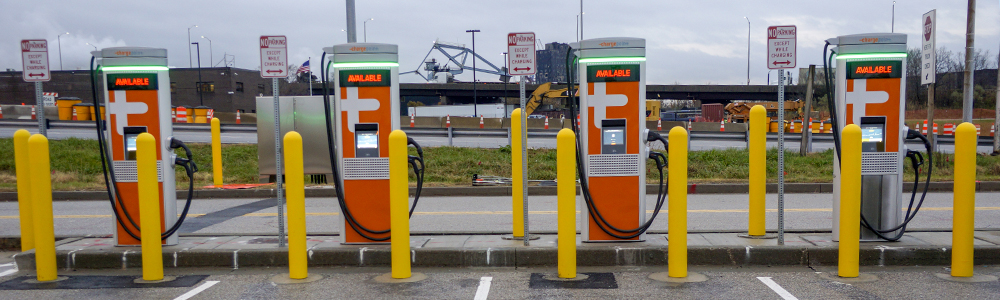
The conversation about powering the future isn’t just about how many EV chargers we need—it’s about where the power will come from. With millions of electric vehicles expected to plug in over the next decade and AI data centers multiplying like mushrooms after a rainstorm, it’s fair to ask: can solar panels and wind turbines keep up? And will the U.S. grid be able to handle it all without leaning harder on backup fossil power?
Let’s break it down.
How Many Panels and Turbines Does It Take to Run a Charger?
It sounds simple: put up a few solar panels or a windmill and plug in your car. But the math is sobering.
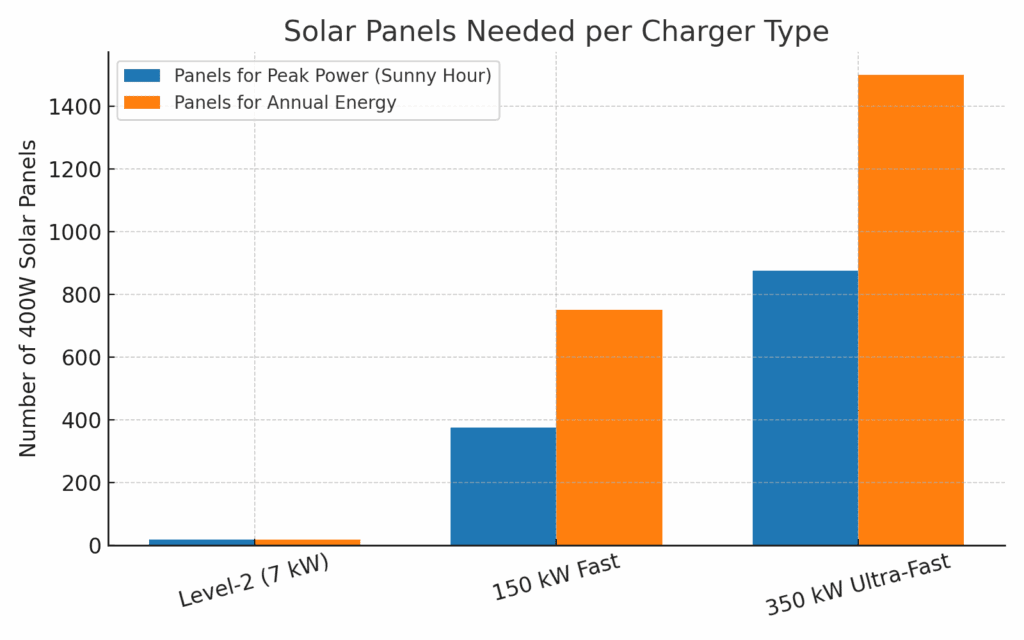
A typical Level-2 charger (like you’d find at home or at work) draws about 7 kW. To meet that purely with solar at peak midday sun, you’d need about 18 panels (400W each).
A DC fast charger (150 kW), the kind that juices a car in 20–30 minutes, would need roughly 375 panels just to match the peak demand—closer to 750 panels if you want to cover annual usage reliably.
Want to go bigger? A 350 kW ultra-fast charger would gulp power equivalent to 875 panels for peak demand or nearly 1,500 panels for steady annual supply.
“It only takes ~18 solar panels to match a home charger’s power at noon… but nearly 375 panels for a single 150 kW fast charger. Covering real-world annual usage? Closer to 750 panels. Ultra-fast chargers jump into the thousands.”
For wind, the story isn’t much better at the small scale. A 5 kW turbine produces about 8,700 kWh a year, so you’d need dozens of them to offset just a single busy charging plaza. A single modern utility-scale wind turbine (2.5 MW) can cover the annual energy for a site with several fast chargers—but no one’s putting a 400-foot rotor in the gas station parking lot.
The reality is that most “solar EV stations” are hybrids: they build a canopy with as much PV as the lot allows, add a battery bank for smoothing, and stay tied to the grid for reliability.
Why the Grid Still Matters
If EVs were the only new load coming, utilities could probably manage with steady renewable expansion. But add AI data centers—which chew through power 24/7—and things get trickier.
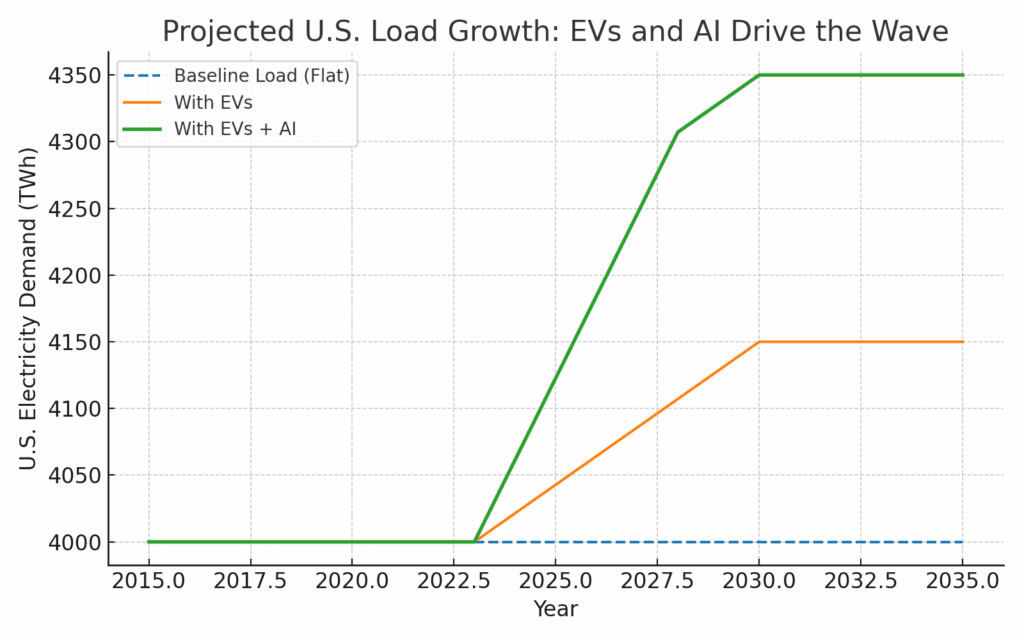
AI and data centers: U.S. data center demand could double or even triple by 2028, up from roughly 4–5% of total U.S. electricity today. Training large AI models is already driving “power panic” in Virginia, Texas, and Ohio.
EVs: Analysts expect EVs will add 100–185 TWh per year to U.S. demand by 2030. That’s like adding the annual usage of a mid-sized U.S. state.
“After a flat decade, U.S. demand is climbing again. By 2030, EVs could add ~100–185 TWh, while AI data centers are on track to double or triple their draw by 2028. We’re entering a new ‘load growth decade.’”
Together, these two growth curves end a decade-long era of flat electricity demand in America. We are moving into a “load growth decade” where building out generation and transmission is once again front-page news.
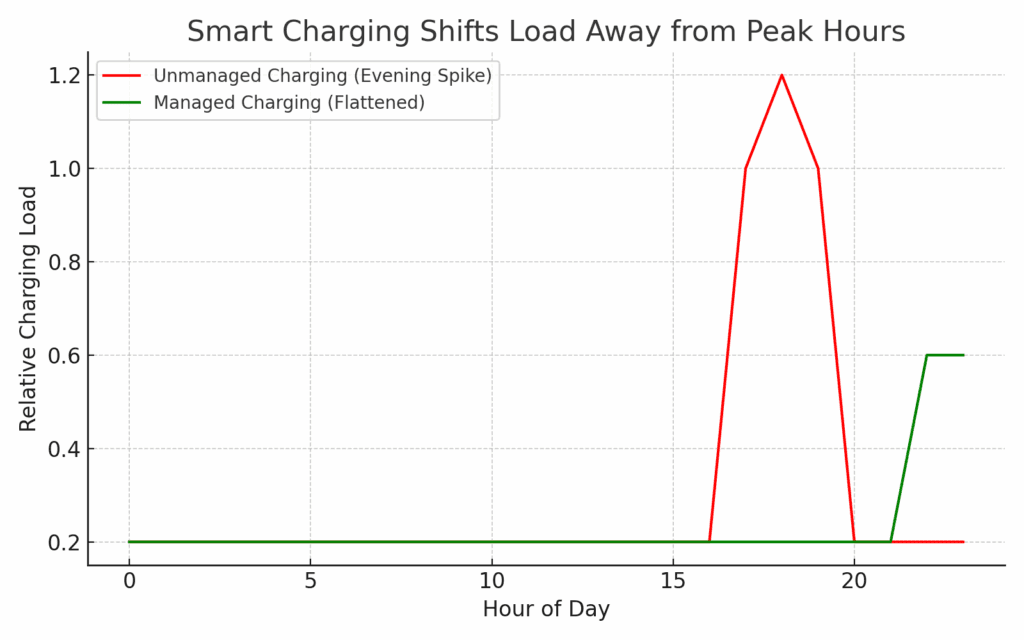
“Unmanaged EV charging spikes the grid right when everyone comes home. Managed charging can shift 98% of that load to overnight, avoiding billions in new peaker plants.”
Can We Avoid More Fossil Backup?
Not entirely—but the amount matters. Here’s how the U.S. can cover these new loads without a big fossil rebound:
Managed charging: Real-world pilots show that smart scheduling and dynamic pricing can push 98% of home EV charging off-peak, flattening the evening surge. That alone saves billions in avoided peaker plants.
Bigger wires: New federal rules (like FERC Order 1920) are forcing regional grids to plan 20 years ahead, which helps cheap renewable power actually flow to where it’s needed. Transmission may be the least sexy but most essential fix.
Clean firm power: Big tech is leading the way here. Google, TVA, and Kairos are already lining up small modular nuclear reactors to directly feed AI data centers. Hydro, geothermal, and even hydrogen are also in the mix.
Storage everywhere: Battery costs continue to fall, and utility-scale storage is booming. Pairing storage with solar and wind turns them from “fair weather friends” into real contributors to peak capacity.
My Final Thoughts
A single EV charging station can be “solar powered” in marketing terms, but without the grid, batteries, or firm generation, it’s a sunny-day-only solution. On a national scale, the wave of EVs and AI data centers will demand serious investment—but not necessarily a surge in fossil generation hours.
The U.S. grid of the 2030s will look different: more renewable capacity, more storage, more transmission, more nuclear, and smarter demand. Fossil plants will still exist, but running fewer hours—used as true backup instead of everyday workhorses.So the next time you see a solar canopy over a charger, think of it as a symbol: not of total independence from the grid, but of the direction the grid itself is moving—toward a cleaner, smarter, and more resilient backbone that can handle both your Tesla and the servers training the next GPT model.
When it comes to business—any business—the term “What if…” has always been the spark. It’s the match that lights new ventures, revives established companies, and inspires business models no one saw coming. For generations, almost all of those “What ifs” circled back to the same point: How do we make a profit?
But something refreshing is happening. Today’s entrepreneurs still know the bottom line matters—it has to, or the business won’t last—but they’re not stopping there. They’re pairing financial sustainability with social purpose, and they’re doing it in ways that feel bigger, bolder, and riskier than the generations before them ever imagined. And nowhere is that more exciting than in the offsite construction industry.
The Next Generation’s “What If”
These entrepreneurs are not just looking at balance sheets—they’re asking questions that come with moral weight. What if we could house people faster than the streets can claim them? What if modular housing could be built for accessibility from the ground up, not retrofitted after the fact? What if we could design homes that heal, empower, and restore dignity?
They are moving beyond the safe bets. They’re willing to test unproven materials, integrate emerging technologies, and partner with organizations that are less about quarterly earnings and more about measurable human impact. The payoff? They’re showing that you can have both—a healthy profit and a meaningful legacy.
Partnering with NGOs for Lasting Impact
One of the most promising shifts in this new wave of entrepreneurship is the embrace of partnerships with NGOs. In the past, the private sector and nonprofit sector often circled each other warily. But today’s offsite innovators see NGOs not as charity cases, but as strategic allies. NGOs bring deep community knowledge, access to funding streams earmarked for social impact, and the credibility to enter underserved markets. Entrepreneurs bring speed, efficiency, and the ability to scale solutions once they’ve been proven.
Together, they’re tackling challenges like homelessness, housing for people with disabilities, disaster recovery housing, and even temporary-to-permanent solutions for people emerging from institutional care. Offsite construction, with its ability to deliver high-quality, repeatable housing units quickly and affordably, has become the go-to toolkit for making these “What ifs” happen.
Why This Moment Matters
Boomers built the foundation of the offsite industry, but it’s the next generation—Millennials, Gen Z, and even the first wave of Gen Alpha dreamers—who are asking the questions that will define its future. They’re turning the idea of profit on its head, treating it as the engine that powers the mission rather than the mission itself. And when that mission is to address poverty, homelessness, and mental instability through smart, fast, sustainable housing, the “What if” becomes something worth betting on.
Because at the end of the day, the best kind of profit is measured in both dollars and lives changed. And in the offsite construction industry, the people daring to ask the hard “What if” questions are building more than houses—they’re building hope.
There was a time when modular meant one thing: a rectangular wood-framed box built in a factory. If you were lucky, it showed up on time. If you were even luckier, it didn’t crack in half when it was craned onto the foundation. The materials were familiar, the process was routine, and the formula—while effective—was rarely questioned. But that’s changing fast.
Offsite construction is no longer tied to a single material type. In fact, the innovators quietly rewriting the rulebook aren’t pushing for full CLT, all-steel, or concrete everything—they’re combining them. These hybrid systems are beginning to address some of the most significant challenges in modular and panelized construction. And surprisingly, the results don’t look like Frankenstein’s monster. They look like efficiency, speed, and profit.
The Death of “One-Size-Fits-All” Modularity
Ask any factory owner why they chose wood, steel, or concrete, and you’ll get a simple answer: that’s what we’ve always done. But as offsite builders move into new markets, new climate zones, and new types of housing (mid-rise apartments, ADUs, even schools), that old thinking just doesn’t hold up. What works in Arizona doesn’t always work in Vermont. What’s affordable in Detroit may be a disaster in San Francisco.
Instead of trying to make wood do what it wasn’t designed to do, smart builders are now combining materials like CLT (Cross-Laminated Timber) for shear strength, light-gauge steel for precise framing, and modular MEP pods for plug-and-play efficiency. It’s not about what you’re used to—it’s about what the building needs.
The Factory of the Future Isn’t Married to a Material
In hybrid systems, the factory line becomes more flexible. One part of the shop might be cutting CLT panels, another might be bending steel, while a third assembles fully wired MEP pods that can slide into a wall panel or volumetric module like a cartridge. This mix-and-match approach has two major benefits: it allows the factory to bid on a wider variety of projects, and it opens the door to optimizing cost and performance on every job.
Some factories are now building the bottom floor of a mid-rise in concrete, the middle floors in steel-framed modular boxes, and the top floor in lightweight timber to stay under height limits. It’s not magic—it’s logistics. And it’s made possible by digital coordination and better integration with the design team from day one.
The Hidden Advantage: Localized Code Compliance
One unexpected bonus of hybrid systems? They can make code compliance easier. Some cities are more accepting of certain materials than others. For instance, jurisdictions that are hesitant to approve fully steel modular frames may be fine with steel used for just the floor joists, if the walls are timber. And CLT is increasingly being written into fire and seismic codes where traditional framing struggles.
A hybrid approach gives builders the flexibility to meet local regulations without having to redesign the entire product line. That means fewer headaches, faster approvals, and a smoother path from permit to project closeout.
Will It Cost More? Maybe Not.
Some skeptics argue that hybrid systems must be more expensive—after all, you’re sourcing more materials, more connections, and more manufacturing methods. But the opposite is often true. By matching each material to its most efficient use case, many builders report lower total installed cost per square foot. And with labor being one of the most expensive and unpredictable parts of construction, anything that reduces on-site time is money in the bank.
The Modular Mutts Are Winning
Offsite is moving into a new era—one where dogma takes a backseat to practicality. The winners will be the ones who understand that modular isn’t about the material. It’s about the method. And if that method means using CLT, steel, wood, and MEP pods all in the same project, so be it.
Hybrid systems may not be the sexiest innovation. They’re not robots. They’re not 3D printers. But they are solving real problems. And in an industry starved for reliability and flexibility, that may be the most revolutionary thing of all.
For Architects, staying still is the fastest way to fall behind. The built environment is no longer shaped solely by pencils and paper but by code, computation, and creativity that blends tradition with cutting‑edge innovation. Today’s successful architect must navigate a world where the timeless principles of form and function intersect with rapid advancements in Building Information Modeling (BIM), artificial intelligence, and parametric design.
All photos – The Arch Daily
Learning in this dynamic context isn’t just important—it’s essential. A strong and continuously evolving educational foundation becomes the bedrock of a career capable of expressing the language of modernity, honoring traditional wisdom, and envisioning structures that speak to the aspirations of the future.
Thanks to the digital age, architects now have unprecedented access to a worldwide digital classroom. No longer confined to lecture halls or textbooks, these curated platforms expand creativity, sharpen intelligence, and empower professionals at every stage of their journey.
Top Advanced Learning Platforms for Architects
This curated list was compiled and adapted from research conducted by The Arch Insider, ensuring a high-quality resource tailored to architects who aspire to expand their creative and technical horizons.
1. ArchiStar Academy
Specializing in on‑demand, self‑paced learning, ArchiStar offers in‑depth training on tools like Rhino, Grasshopper, Dynamo, Revit, AutoCAD, Python, Adobe CC, V‑Ray, and SketchUp. Their platform supports practice-ready architects and university students, pairing software skills with parametric workflows.
2. LinkedIn Learning (Architecture Track)
With hundreds of courses—from Revit Essential Training 2024/2025 to SketchUp, BIM 360, Architectural Families, and Space Planning—LinkedIn Learning provides authoritative, continually updated content taught by industry experts LinkedIn. Popular options include:
Revit 2024/2025 Essentials (20+ hours)
Understanding the Architectural Design Process
SketchUp Free
Archicad Architectural Design Techniques
3. ArchAdemia
Dubbed the “all‑in‑one” architecture platform, ArchAdemia offers a rich mix of software tutorials, project‑based courses, podcasts, and community forums. With over 35 curated lessons—from Revit to parametric design—and downloadable resources like CAD blocks, CGI textures, and Excel templates, it’s ideal for transitioning students and busy professionals alike.
4. ThinkParametric
Kick‑starting a niche for subscription‑based parametric design training, ThinkParametric packages expertly organized videos and project‑based courses focused on Rhino, Grasshopper, and Revit. Their structured modules are perfect for diving into computational design workflows.
5. The Revit Kid
Led by Jeffrey Pinhiero, this blog offers a treasure trove of video tutorials and written guides specifically for Revit. With a mix of free and paid content, it dives into real‑world tips and family creation—great for BIM aficionados.
6. The Grasshopper Website
An official resource backed by the makers of Grasshopper. It includes beginner video tutorials and links to external tools, plus the free 157‑page Grasshopper Primer—perfect for mastering computational design.
7. Digital Toolbox
Created by Scott Leinweber and Tam Tran, this platform guides learners through Rhino and Grasshopper workflows via practical tutorial videos—helpful from basic to advanced levels.
8. Autodesk’s YouTube Channel
An official source for “Getting Started” tutorials, feature demos, and software tips across AutoCAD, Revit, BIM 360, and more—ideal for reliable, directly endorsed learning.
9. Plethora Project
A deep dive into non‑standard tools—Unity3D, Maya, C#, Python, and JavaScript—as well as Rhino and Grasshopper. Great for architects seeking to integrate visualization, programming, or game‑engine workflows.
10. NYCCTfab (Vimeo Channel)
From NYC College of Tech’s Fabrication Lab, this channel offers valuable tutorials on Revit, Rhino, and Grasshopper—focusing on real‑world application in fabrication and digital modeling.
Why This Matters
These platforms offer more than technical skill—they cultivate new ways of thinking: systems-driven, data-informed, parametric, and AI-enhanced. Whether you’re brushing up on Revit families, coding Grasshopper scripts, or exploring visualization pipelines, each platform equips you with the tools to lead in the future of architecture.
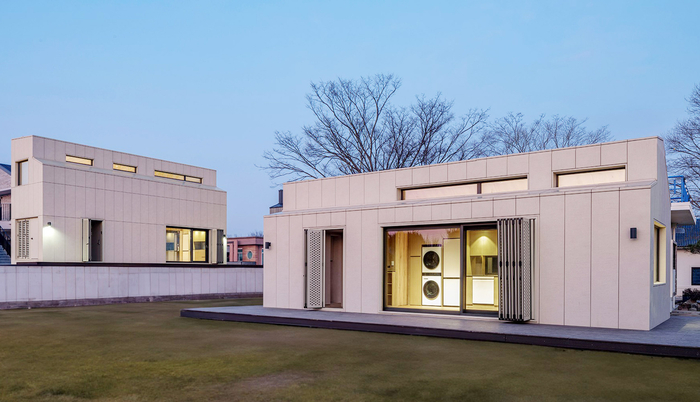
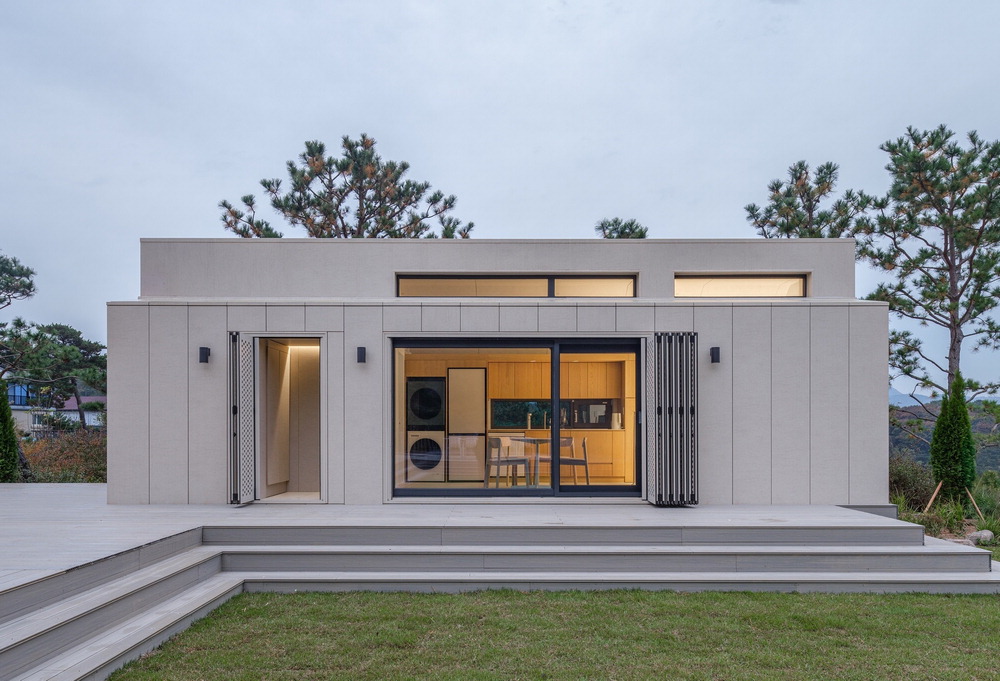
LG is already a household name—literally. But now the brand is on a mission to bring that same trust into the realm of modular homes with its clever Smart Cottage. Think of it as the ultimate synergy: your favorite ThinQ-enabled laundry paired with a roof that produces its own energy. Dreamy, right?
Mini house, maxi ambition
LG introduced the Smart Cottage at IFA 2023 and has since officially launched it to both B2B and B2C customers. The line-up includes the compact Mono—a cozy single-story layout—and the double-decker Duo, complete with a loft bedroom. Full prefab design means 70% is built off-site, cutting construction time by over half compared to traditional methods.
Green thumbs, meet green watts
This isn’t just a fancy shed. The Smart Cottage packs impressive eco-features like 4 kW solar panels, energy storage, and an air-to-water heat pump that meets net-zero energy goals. With energy usage per year down to just 40% of a conventional home, it’s about as green as a cottage can get—without actual thatch.
Home of smart things
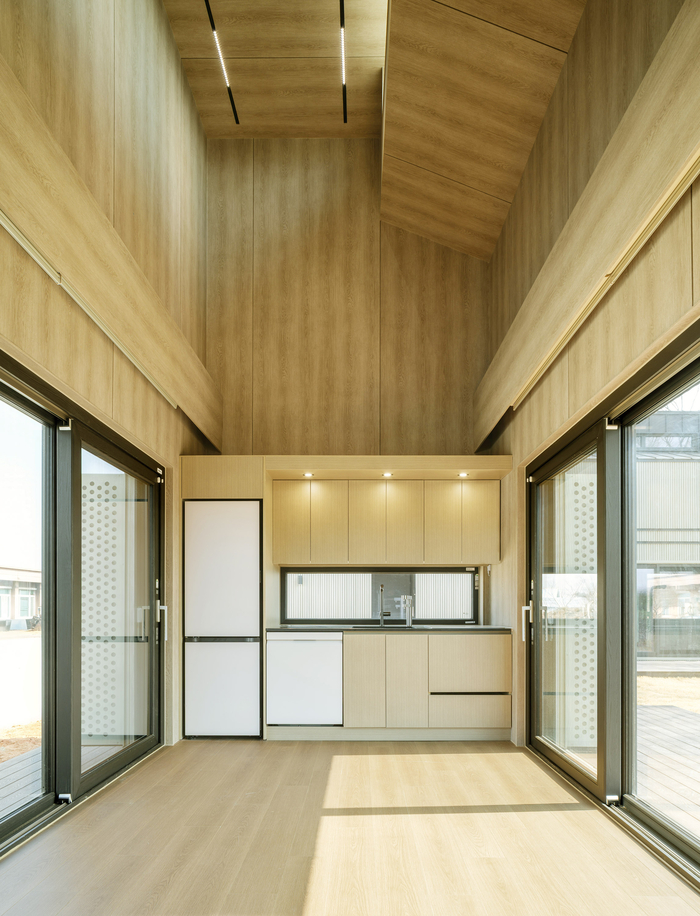
Inside, it showcases LG’s full smart-appliances lineup: WashTower Compact, QuadWash dishwasher, induction range, water purifier, and even ThinQ-controlled blinds, smart locks, and cameras . Some models can even sync with your phone’s GPS to preheat the cottage or turn on lights just as you’re pulling up.
Who is it for?
Originally demoed in Europe and Korea, it’s making inroads fast. LG already delivered units to SM Entertainment’s training center in Korea for use as pop-up offices or living labs and preliminary interest isn’t limited to celebrity campuses—Europeans and even Aussies are reportedly eyeing it as either a primary or a countryside getaway .
Trusting the tiny utopia
Of course, LG faces challenges. Home-buyers are used to old-school construction and long warranties, not tech integrations that could go glitch. But if you’ve already welcomed LG TVs and fridges into your life, why not open the door to a whole cottage?
With turnkey prefab, solar juice, and ThinQ smarts all rolled into one neat package, LG is aiming to earn its stripes in modular living—one cubic meter of confidence at a time.
It might feel quirky to think of a cottage coming from a TV-maker, but LG’s Smart Cottage has substance. If you’re ready to trust more of your daily life to ThinQ—heating, lighting, home security, the works—this tiny modular marvel could be the start of something beautifully smart.
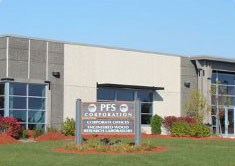
In modular and manufactured housing, staying compliant with an ever-growing list of codes, standards, and certifications isn’t just important—it’s essential. That’s where third-party inspection agencies like PFS TECO come in, ensuring quality and compliance at every step of the building process.
To gain a deeper understanding of what these inspections entail and how they impact the offsite construction industry, I sat down with Bob Gorleski, a nationally respected expert on building code compliance and inspection protocols.
Robert Gorleski
With over 35 years of experience and a résumé that spans nearly every major facet of code enforcement—plan review, QA, field inspections, and engineering—Bob is the guy you want in your corner when navigating the complexities of state, national, and industrialized building regulations. His unique perspective comes not only from his hands-on work, but also from his service with respected organizations such as the Manufactured Housing Institute, the Modular Building Institute, and the Wisconsin Housing Alliance.
Bill Murray, Co-Founder of Offsite Innovators: Would you please explain the role of PFS and third parties in offsite construction and manufacturing?
Bob Gorleski, Vice President of the Manufactured Structures Division at PFS TECO: PFS Corporation d.b.a. PFS TECO is a third-party agency providing independent oversight for off-site construction and manufacturing. Our responsibilities include plan review, quality assurance monitoring, and in-plant inspections to verify that production aligns with approved designs and complies with applicable codes. Since local jurisdictions don’t inspect work performed in a factory setting, PFS TECO ensures that units are built to code before they leave the plant. They manage label control and serve as the point of contact with state or federal regulators. Our role is essential to maintain accountability, ensuring code compliance, and supporting consistent quality in a production-driven environment.
Bill: From your perspective at PFS, how well do current building codes align with the realities of off-site construction?
Bob: From our perspective, current building codes were developed for site-built construction and often don’t translate well to the factory floor. They assume field inspections, on-site sequencing, and installation methods that don’t reflect how off-site construction operates. This creates gaps, forces workarounds, and adds unnecessary steps that disrupt production without improving outcomes. For example, codes often require inspections “before cover,” but in a factory, components like floor framing and mechanical runs are typically enclosed within hours, long before an inspector could review them under a traditional model. While HUD and some state modular programs have adapted portions of the code to fit the factory environment, there’s still a lack of consistency and clarity. We see a clear need for better alignment between code requirements and how work is actually performed in off-site manufacturing.
Bill: What sections of the IRC or IBC present the most common challenges to off-site manufacturers?
Bob: The most common challenges off-site manufacturers face with the IRC and IBC relate to code sections that assume on-site construction processes and inspections. These include structural framing and bracing requirements, fire separation and means of egress, installation and inspection of mechanical, plumbing, and electrical systems, and exterior weatherproofing details. Energy efficiency provisions often don’t fully account for factory-controlled installation methods. Because these codes are written with site-built construction in mind, off-site manufacturers frequently must find alternative compliance paths or rely on engineering approvals to meet the intent of the code without disrupting production.
Bill: In your experience, which tends to be more difficult for offsite construction—state-level codes or local jurisdictional enforcement?
Bob: In our experience, local Authority-Having-Jurisdiction (AHJ) enforcement presents more challenges for off-site construction than state-level codes. State programs are typically standardized and include provisions that recognize factory-built construction and third-party oversight. Local AHJs, however, may not be familiar with off-site processes or the scope of factory inspections, which can lead to inconsistent interpretations, redundant inspections, and added requirements at the job site. This disconnect often results in delays and frustration, despite the unit meeting state-approved design and inspection criteria. Aligning expectations between factory-built systems and local enforcement remains a key hurdle.
Bill: HUD code is often contrasted with modular programs. How do the two compare in terms of flexibility, cost, and permitting ease?
Bob: HUD Code and modular programs differ in key areas. HUD is federally preemptive, streamlining approval and limiting local interference—once labeled, a unit can be shipped and installed in any state without additional plan review. Modular programs follow state-adopted versions of the IRC or IBC, which means added complexity, varying requirements, and local Authority-Having-Jurisdiction involvement. Modular offers more design flexibility, including multi-story and custom layouts, but at a higher cost due to engineering, state reviews, and permitting fees. HUD, while more limited in design, benefits from standardized construction and lower regulatory and production costs.
Bill: Are code officials generally receptive to innovation (off-site), or is there still a mindset that favors traditional site-built construction?
Bob: Most code officials still lean toward traditional site-built construction. While exceptions exist, many remain unfamiliar with off-site processes and are skeptical of third-party inspections and factory-based compliance. As a result, local Authorities Having Jurisdiction often impose redundant inspections or apply site-built assumptions to factory-built units—even when those units have already been approved at the state level. The issue isn’t outright resistance to innovation but a lack of exposure to how off-site construction actually works. That said, the mindset is beginning to shift as more jurisdictions gain experience with modular and HUD Code homes, and as education efforts around offsite methods improve.
Bill: Can you recall a recent example where a code provision or inspector’s interpretation significantly impacted an off-site project?
Bob: A HUD Code home was installed on a permanent foundation in a state that typically sees manufactured homes placed on piers. The local inspector, unfamiliar with HUD’s guidelines for foundation systems, delayed the final inspection, questioning the anchoring method, even though it followed an approved engineered design. The confusion over HUD’s preemptive authority and foundation alternatives led to weeks of delay while documentation was resubmitted and the inspector was educated on the applicable standards.
Bill: Are there any coordinated national efforts or organizations working to make codes more compatible with off-site construction?
Bob: Several national organizations are actively working to improve how building codes address off-site construction. The Modular Building Institute (MBI) advocates modular construction by collaborating with the International Code Council (ICC) and educating code officials to remove unnecessary barriers in plan approvals and inspections. The Manufactured Housing Institute (MHI) represents HUD Code manufacturers. It works with HUD, state agencies, and lawmakers to update federal regulations and ensure local officials do not impose extra requirements that conflict with HUD’s federal authority. The ICC Off-Site and MBI also develop specific standards that reflect factory-built processes rather than traditional site-built assumptions. Together, these organizations are driving changes that better align codes, standards, and enforcement with the unique workflows and efficiencies of off-site construction.
Bill: What role is PFS playing—or could play—in shaping a more modern regulatory framework?
Bob: PFS TECO plays a key role in modernizing the regulatory framework for off-site construction. As an independent third-party inspection agency, we verify that factory-built units comply with code requirements before leaving the plant. This reduces the need for duplicated local inspections and increases AHJ confidence in off-site methods. We actively engage in code development and industry groups, providing practical insights from factory inspections to help shape regulations that align with off-site construction realities. PFS TECO supports streamlined, risk-based enforcement that promotes innovation without compromising safety or quality by connecting manufacturers, regulators, and local inspectors.
Bill: Do you think industry is making progress, or are we at risk of being left behind by overly rigid codes?
Bob: The industry is moving forward, but challenges persist. Awareness and acceptance of offsite construction are improving, driven by groups like MBI, MHI, and third-party agencies like PFS TECO. Still, many codes and local enforcement practices remain rooted in site-built assumptions that don’t fit factory-built methods. If regulatory updates don’t keep pace, offsite construction risks are being held back by codes that stifle innovation and efficiency. Ongoing education, advocacy, and collaboration are critical to maintain progress and prevent being left behind.
Bill: If you could change one aspect of the current code environment to accelerate offsite adoption, what would it be?
Bob: Consistent acceptance of third-party inspections and plan reviews is essential to eliminating redundant inspections and plan reviews, reducing delays, and accelerating off-site construction adoption.
Bill: What can builder developers do to effectively act as catalysts to promote code related changes necessary to accelerate the use of offsite construction?
Bob: Builder-developers can promote code changes by working with industry groups, sharing examples that show off-site construction works, talking directly with code officials, and pushing for rules that fit factory-built methods. Their experience and influence help drive practical updates that support faster, more efficient building.
Throughout our interview, Bob made one thing clear: third-party inspections aren’t a bureaucratic hurdle—they’re a safeguard. They help protect homeowners, support manufacturers, and maintain the integrity of the entire offsite construction industry. His passion for building better, safer, and more inclusive spaces (as seen in his work on modular classroom accessibility) is evident in every project he touches.
We’re grateful to Bob Gorleski for sharing his time, insight, and years of expertise. His commitment to regulatory clarity and code compliance continues to benefit not only the clients of PFS TECO but also the entire modular building community. For further information or questions, Bob can be reached directly at [email protected].
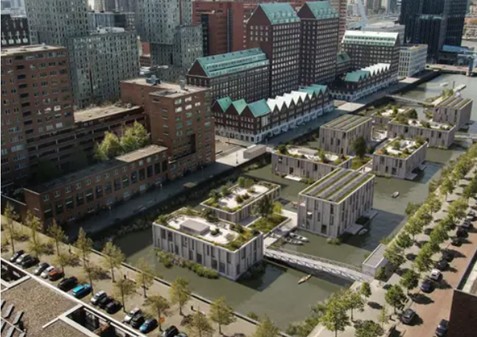
In the heart of Rotterdam, a transformative vision is taking shape—one that reimagines urban living by embracing the city’s most abundant resource: water. Danish maritime architecture firm MAST, in collaboration with local contractor BIK bouw, has unveiled plans for Europe’s largest floating housing development in the Spoorweghaven district. This ambitious project aims to convert a disused dock into a vibrant, modular neighborhood featuring over 100 prefabricated apartments, green public spaces, commercial zones, and recreational harbors.
The Netherlands faces a pressing housing crisis, with a need for one million new homes over the next decade. However, limited available land has prompted innovative solutions. MAST’s floating community addresses this challenge by utilizing underused harbor spaces, offering a sustainable alternative to traditional land-based development. The design not only provides much-needed housing but also preserves Rotterdam’s maritime heritage by integrating seamlessly with the existing harbor landscape.
Central to the project’s sustainability is the use of prefabricated cross-laminated timber (CLT) modules, constructed off-site and floated into position. This method minimizes construction noise, traffic, and material waste, while allowing for flexibility and adaptability in response to changing urban needs. Additionally, the incorporation of over 900 square meters of floating reedbeds, in partnership with Biomatrix, enhances water quality and biodiversity, contributing to a healthier urban ecosystem.
MAST’s vision for the Spoorweghaven district exemplifies a forward-thinking approach to urban development, where architecture harmonizes with the environment. By embracing water as a living part of the city, this floating neighborhood sets a precedent for resilient, adaptable, and sustainable urban living in the face of climate change and urbanization pressures.
CLICK HERE to read the entire Interesting Engineering article