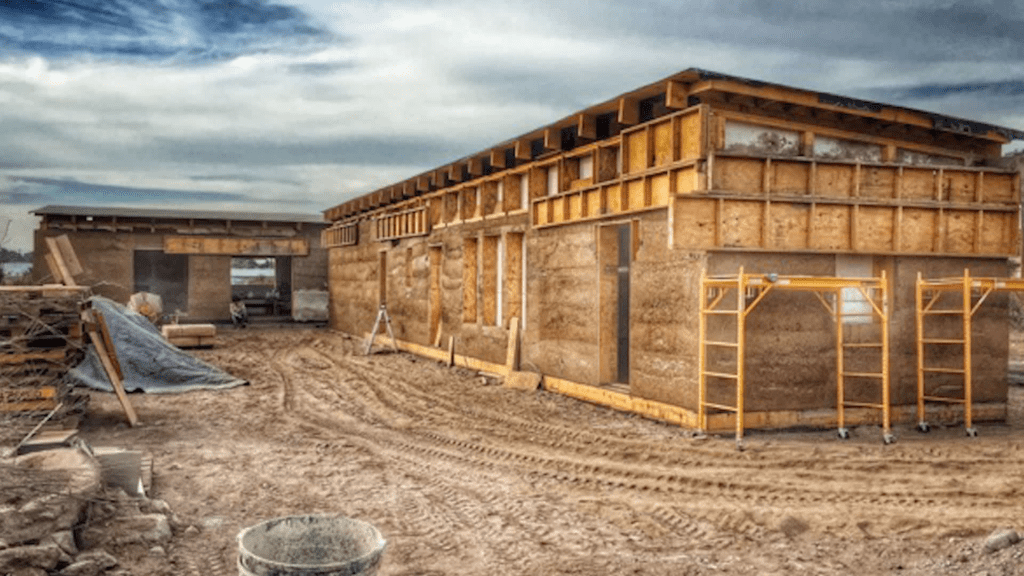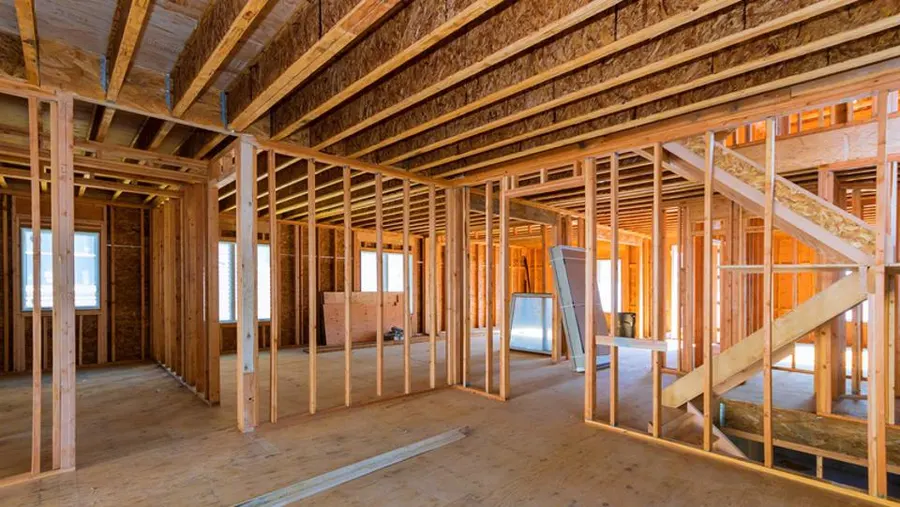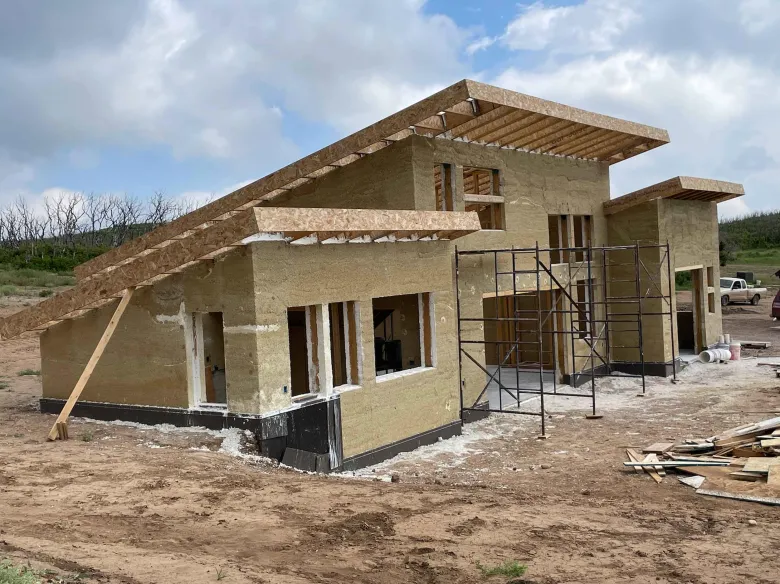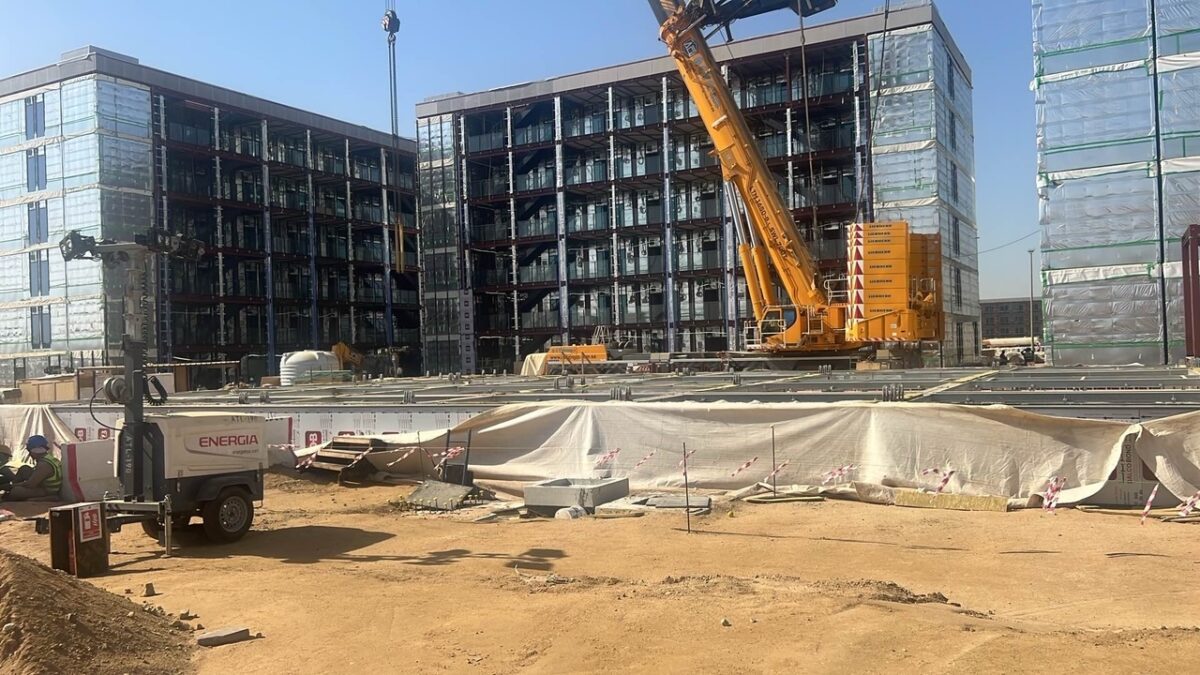
Highlighting the thinkers and their ideas driving the evolution of Offsite Construction. 
Be inspired, be informed, be innovative!

Brick by boring brick?  Not anymore—-Innovation must shakeup Homebuilding

Why are we still building like it’s 1923?  The homebuilding revolution is long overdue. Picture this:  you order dinner on an app. A drone drops it on your doorstep, and you settle in to watch a show recommended by an algorithm that knows you better than your mom.  It’s happening.  Now, think about the last home you saw a home being built—–wood framing, nails, hammers, etc.  Sound familiar?  That’s because it is, very familiar and not much has changed in a century.

But hey it’s not all doom and gloom.  

The construction industry might be late to the innovation party, but it’s finally showing up—–and it’s bringing some pretty cool ideas to the table.  Modular construction and the use of lgs framing, 3D printing, and smarter energy-saving materials are just the beginning.  Let’s dig in.

Homebuilding: The Stalwart in Need of a Shake-Up 

Homebuilding has long been the trusty old workhorse of construction—steadfast, familiar, and deeply rooted in tradition. For centuries, we’ve built homes the same way: one brick, one board, and one nail at a time. But let’s face it, the world has changed. We have drones delivering packages, AI writing poems, and cars driving themselves. So why are we still framing walls like it’s 1923 instead of 2023? 

Innovation in homebuilding isn’t just a buzzword—it’s the key to tackling the industry’s biggest challenges. From labor shortages and supply chain disruptions to environmental concerns and housing affordability, the call for fresh solutions has never been louder. But what does innovation mean for construction, and why should we be excited about it? 

Why Innovation Matters in Homebuilding 

Let’s play a game: Imagine your smartphone hasn’t changed in 20 years. No apps, no internet—just a clunky device for calls and texts. Painful, right? Now consider that many of the tools and methods used in home construction haven’t evolved much in decades. The result? A persistent productivity gap and soaring costs. As Ralph Waldo Emerson said, “The imitator dooms himself to hopeless mediocrity.” The homebuilding industry has lingered in mediocrity far too long. It’s time to close the gap! 
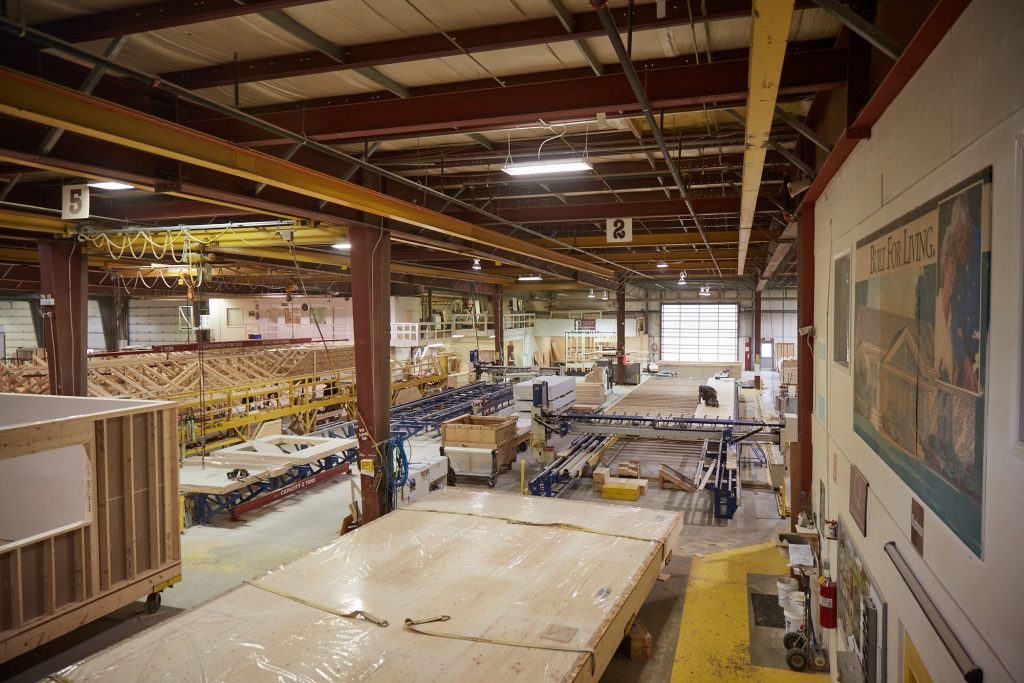
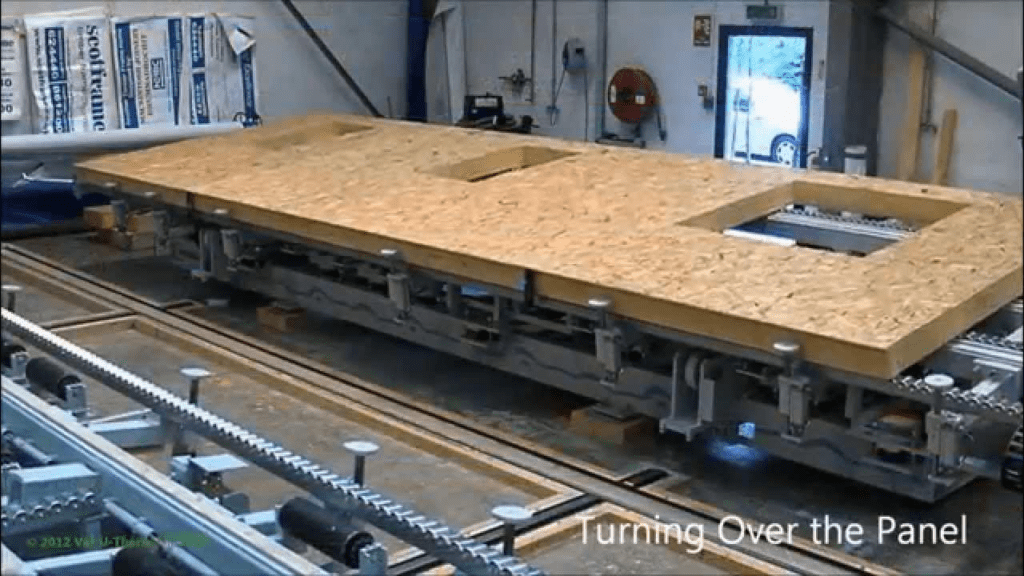
photo – Quality Homes, Canada

Innovation bridges that gap. Whether through automation, new materials, or smarter designs, the potential to improve efficiency, reduce waste, and deliver better homes faster is enormous. And it’s not just about the bottom line—innovations also create energy-efficient, sustainable, and resilient homes, which are increasingly important in today’s world. 

The Power of Prefab and Modular Construction 

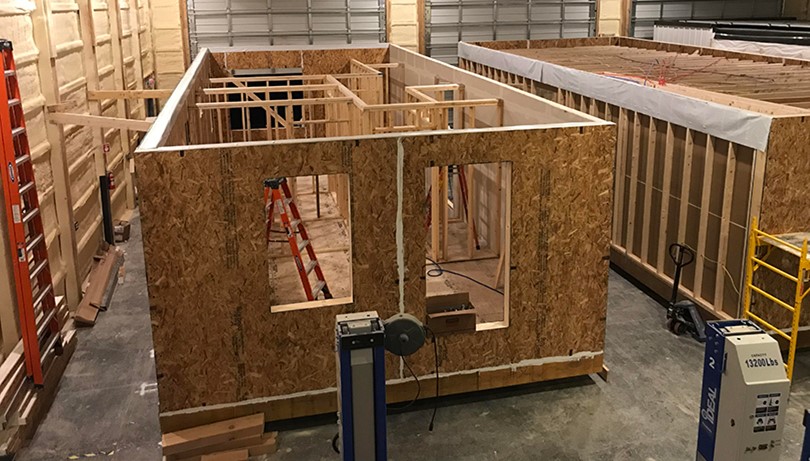
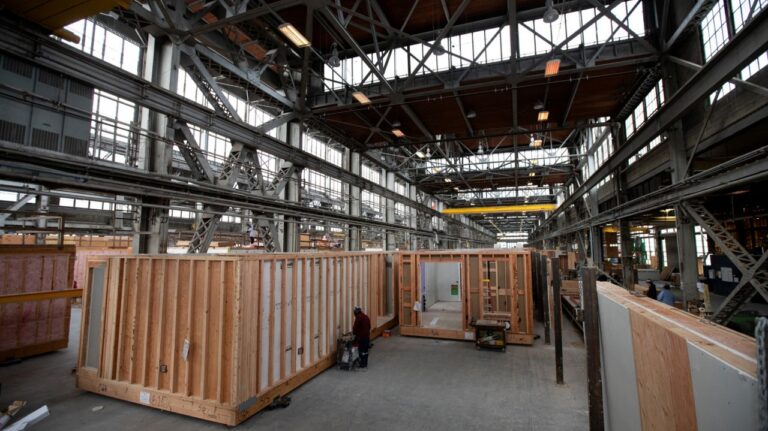
Take modular construction, for example. It’s like building a home with giant Lego blocks—except these “blocks” are expertly assembled in a controlled factory environment. By the time they’re delivered to the site, much of the work is already done. 

This approach isn’t just faster; it’s also more precise and sustainable. Offsite manufacturing reduces waste, improves quality control, and eliminates weather-related delays (no more soggy floorboards from a surprise downpour). While some skeptics might still think of modular homes as cookie-cutter boxes, today’s designs are customizable, stylish, and built to last. 

Think Big, Start Small: The Ripple Effect of Innovation 

The beauty of innovation is that it doesn’t always have to be groundbreaking. Sometimes, it’s about small, thoughtful changes that add up over time. Consider: 

Smart Tools: Laser-guided measurements and digital blueprints save time and reduce costly errors. 

photo – Nomitech

Green Materials: Options like cross-laminated timber (CLT) and insulated LGS studs are reducing carbon footprints while maintaining strength and durability. (Think innovators like Brian Iverson at Environbon.) 

Better HVAC Systems: Technologies like ductless mini-splits and advanced air filtration improve energy efficiency and indoor air quality. 

Each of these changes might seem small, but together, they’re reshaping the homebuilding landscape. 

The Human Side of Innovation 

Let’s not forget the people. Architects, engineers, factory workers, and installers—the human element drives every new idea forward. For innovation to thrive, the industry must foster collaboration and embrace change. 

For those worried about technology replacing jobs, think of it this way: innovation doesn’t mean replacing people with machines. It means equipping skilled workers with better tools, reducing repetitive tasks, and empowering teams to focus on creativity and craftsmanship. 

The Future Is Bright (and Maybe 3D-Printed) 

If the past decade is any clue, the future of homebuilding is brimming with possibilities. Picture 3D-printed homes constructed in days or robotic bricklayers tirelessly working with perfect precision. Ideas that once seemed like science fiction are becoming reality. 
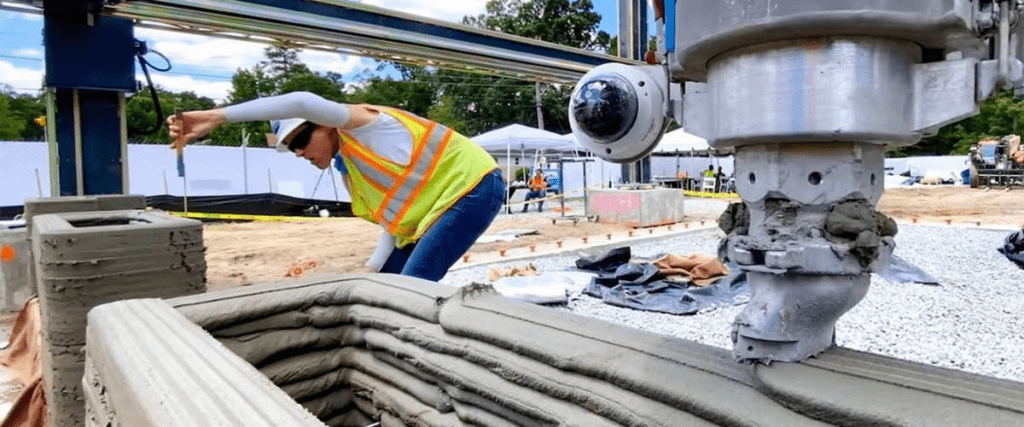
Photo – Ecohomes

And these advancements don’t just benefit the industry—they benefit everyone. Faster builds mean more affordable housing. Smarter designs mean lower utility bills. Greener materials mean a healthier planet for future generations. 

Innovation thrives when ideas are shared, celebrated, and built upon.  At Offsite Innovators we’re always o the lookout for the next big thing in construction or even the game-changing tweaks that make a difference.  Have you come across a brilliant innovation in homebuilding?  Are you working on something groundbreaking yourself that needs exposure?  My partner, Gary Fleisher and I are in the perfect position to help.  Let’s shine a spotlight on it.  

Tell us your story and it could be featured as an article on Offsiteinnovators.com  Together we can build the future one innovation at a time.  

The Rise of Plant-Based Housing: Cultivating Innovative Marketing

The construction industry is undergoing a transformative shift in an era marked by unprecedented environmental challenges and a growing demand for sustainable solutions. Central to this change is the rise of plant-based building materials. From wood and hemp to bamboo and other innovative plant-derived resources, these materials offer more than just a path to greener construction—they promise resilience, affordability, and a healthier planet. However, their full potential can only be realized through a thoughtful and targeted marketing approach that educates, engages, and inspires. This article explores the promise of plant-based materials and how a Plant-Based marketing program can propel this movement forward.

The Case for Plant-Based Materials in Construction

Wood: Renewability with Resilience For centuries, wood has been humanity’s primary construction material, and for good reason. It is renewable, durable, and aesthetically pleasing. When harvested and managed sustainably, forests can act as carbon sinks, locking away carbon dioxide and reducing the construction industry’s carbon footprint. Innovations like Cross-Laminated Timber (CLT) have further revolutionized wood’s capabilities, enabling its use in large-scale buildings, including multi-story structures. CLT panels offer impressive strength, fire resistance, and seismic performance, making them ideal for modern applications.

Yet, there are challenges. Misconceptions about deforestation and sustainability practices can hinder wood’s acceptance. Here lies an opportunity to reframe the narrative—educating consumers and stakeholders on responsible forestry practices and wood’s role in carbon sequestration. A Plant-Based marketing program could amplify these stories, emphasizing wood’s regenerative potential.

Hemp: The Comeback Crop of Construction Hemp’s historical stigma is gradually giving way to its potential as a sustainable building material. Hempcrete—a mixture of hemp hurds, lime, and water—creates a lightweight, durable, and insulating material with exceptional thermal and acoustic properties. Hemp fibers can also be used for wall panels, insulation, and other applications. Beyond its performance benefits, hemp cultivation is environmentally friendly, requiring minimal water and no synthetic pesticides.

To elevate hemp’s standing in the industry, a marketing program must address misconceptions and highlight its unique benefits. Emphasizing case studies, real-world applications, and testimonials from builders who have reaped its advantages can help reshape public perception.

Bamboo: Strength Meets Sustainability Known for its rapid growth rate and remarkable strength, bamboo is often referred to as “nature’s steel.” With tensile strength comparable to steel, it offers unmatched versatility in construction. Bamboo can be used for structural framing, flooring, and even decorative elements, making it a versatile choice for sustainable building.

However, bamboo’s acceptance as a mainstream material has been limited due to a lack of standardization and misconceptions about its durability. Marketing efforts should focus on addressing these concerns, demonstrating bamboo’s potential through architectural showcases, technical data, and sustainability metrics.

Beyond the Familiar: Emerging Plant-Based Materials While wood, hemp, and bamboo dominate discussions, other plant-based materials are making waves. Straw bales, mycelium composites, palm leaves, and coconut fibers offer insulation, structural integrity, and aesthetic appeal with low embodied energy. These materials diversify the toolkit for sustainable construction, yet they remain underutilized.

A marketing strategy must shine a spotlight on these emerging materials, educating the public and the industry on their benefits and applications. Collaborative efforts with architects, builders, and researchers can further legitimize their place in construction.

The potential of plant-based materials will remain untapped without a strategic marketing approach. Here’s how a dedicated program can change the game:

Educating the Public A lack of awareness is one of the biggest barriers to adopting plant-based construction materials. By providing accessible, informative content, a marketing program can educate consumers, builders, and policymakers on the environmental benefits and performance capabilities of these materials. This can be achieved through interactive media, virtual tours of plant-based projects, and educational webinars.

Certification for Trust and Transparency Creating a “Plant-Based Certified” label can establish trust within the marketplace. This certification would provide assurance of the sustainability, durability, and authenticity of plant-based materials. As consumers increasingly demand transparency in their purchases, this seal of approval can differentiate true sustainability from greenwashing.

Influencer Partnerships and Storytelling The rise of social media and influencer culture presents an opportunity to reach new audiences. Partnering with green building influencers, architects, and construction leaders who have successfully used plant-based materials can amplify the message. Personal stories, project highlights, and interactive challenges can engage audiences emotionally and intellectually, driving broader acceptance.

Aligning with Biophilic Design Principles Biophilic design—a concept that connects people with nature—can be seamlessly integrated with plant-based construction. Marketing campaigns should emphasize how these materials promote healthier, more comfortable living environments. Features like natural light, indoor greenery, and nature-inspired design elements can enhance mental well-being, offering a compelling case for plant-based homes.

Building Policy Advocacy Collaborating with policymakers and sustainability organizations to promote incentives for plant-based construction is crucial. Whether through tax incentives, rebates, or grants, financial support can make these materials more accessible and appealing. Highlighting successful partnerships and pilot projects can showcase tangible benefits, influencing broader adoption.

Elevating the Aesthetics of Sustainability Plant-based doesn’t have to mean rustic or basic. Marketing efforts should demonstrate the high-end potential of these materials, with modern designs, luxurious finishes, and innovative architectural forms. Showcasing plant-based materials as a blend of beauty and sustainability can attract diverse market segments, from cost-conscious buyers to luxury homeowners.

Collaborating with Modular and Offsite Manufacturers Offsite and modular construction are perfectly suited to incorporate plant-based materials. Prefabrication techniques offer efficiency, precision, and waste reduction, aligning with the sustainability ethos of plant-based resources. Collaborative marketing efforts with modular manufacturers can illustrate how plant-based homes can be both affordable and environmentally friendly, offering a complete package for conscientious buyers.

While the promise of plant-based construction is undeniable, challenges persist. Ensuring consistent material supply, achieving regulatory approvals, and dispelling myths about durability and performance are significant obstacles. A transparent marketing approach, grounded in data and real-world success stories, is critical. Highlighting pilot projects, case studies, and independent testing data can demonstrate that plant-based materials are not just sustainable but also safe, durable, and effective.

Plant-based construction is not a fleeting trend; it is a necessary response to the environmental and social challenges we face. By creating a robust Plant-Based marketing program, the construction industry can accelerate this transformation, redefining what it means to build sustainably. Through education, advocacy, and innovation, we can cultivate a future where homes are not only built from the earth but also built for the earth.

This movement is more than just about new materials; it is about rethinking how we live, build, and connect with the world around us. The seeds for change have been planted—now is the time to nurture their growth and cultivate a greener, healthier, and more sustainable future for generations to come.

Swedish Modular Builder SIBS Expands Operations in Asia: Bringing Scandinavian Innovation and Efficiency to Rapid Urbanization

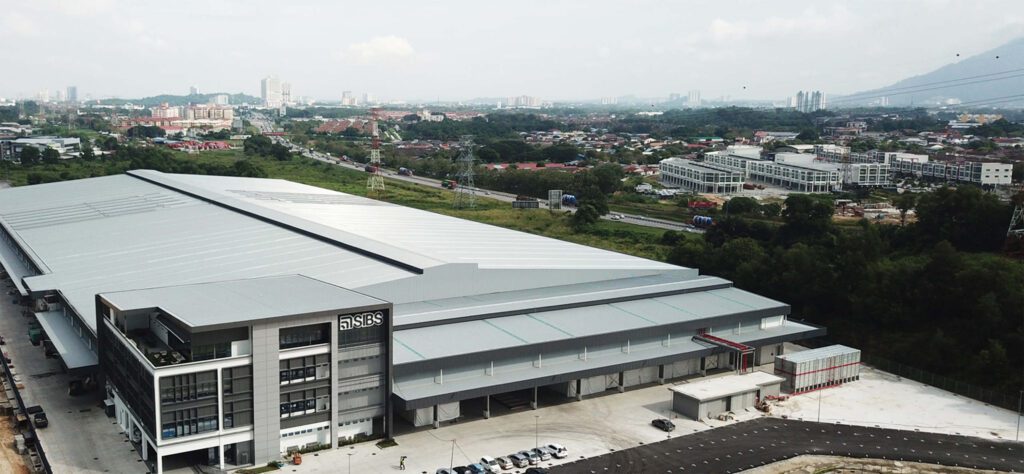
While doing some advisory work in Saudi Arabia, I came across a company and a volumetric modular product that epitomizes being a truly sustainable enterprise.  The company is sibs.se, based in Sweden, with two factories in Penang, Malaysia.  I was impressed with the quality of the product, their logistical and organizational aspects, as well as their adherence to their stated intent of reducing climate impact in line with the Paris Agreement.  Based on observations, this company is a global leader in the LGS offsite industry and worthy of emulating in many aspects.   Check them out. I believe you will be as impressed as I have been. 

As urban areas around the world grow rapidly, the need for efficient, high-quality, and sustainable building solutions is more pressing than ever. Swedish modular builder SIBS is at the forefront of addressing this demand, recently expanding its operations in Asia to bring its Scandinavian-style modular construction solutions to new markets. Known for its efficient building systems and commitment to environmental sustainability, SIBS aims to offer a unique approach to construction that blends speed, quality, and sustainability.

Asia’s cities are some of the fastest-growing urban areas globally, with demand for housing, commercial spaces, and infrastructure continuing to surge. Many governments in the region are focusing on developing more sustainable and efficient construction methods to keep pace with population growth while minimizing environmental impact. SIBS sees this as an opportunity to introduce its modular construction technology, which allows for faster, greener building practices, aligning with Asia’s urgent need for innovative housing solutions.

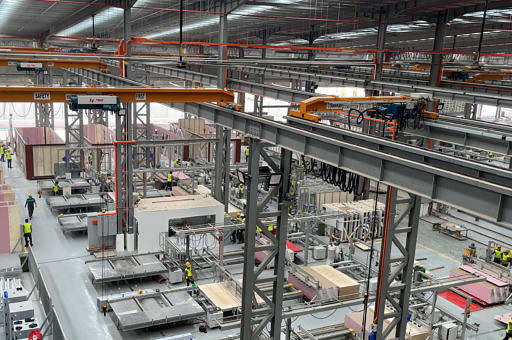
SIBS, headquartered in Stockholm, Sweden, specializes in creating fully modular buildings that are manufactured offsite in controlled factory environments before being assembled at their final destinations. This method reduces construction time and minimizes onsite labor, a critical factor in densely populated urban areas. The company’s buildings are designed with high-quality Swedish craftsmanship and modern aesthetics, providing durable structures that meet strict safety standards while retaining a stylish, minimalistic Scandinavian design.

What sets SIBS apart in the modular construction industry is its approach to design, manufacturing, and assembly. Unlike traditional construction, where each component is built piece-by-piece on-site, SIBS produces entire building modules in its factories. Each module is fabricated with precise specifications and includes interior finishes, plumbing, and electrical wiring, making the on-site assembly process faster and more efficient.

This innovative system allows SIBS to build faster and with less waste. It also reduces the project’s environmental footprint, as controlled manufacturing environments tend to generate fewer emissions and waste compared to traditional construction. By managing each step of the construction process – from design to final assembly – SIBS maintains high standards of quality and consistency, ensuring that each building meets stringent Swedish standards, no matter where it’s built.

As sustainability becomes an increasingly vital component in construction, SIBS has made it a core aspect of its business model. The company utilizes materials that are not only durable but also environmentally friendly, such as sustainably sourced timber and recyclable materials. Additionally, by building in controlled environments, SIBS minimizes waste, with scrap materials often reused or recycled.

Energy efficiency is another significant consideration in SIBS’s designs. The modules are built with high-performance insulation and are designed to be energy-efficient, which helps reduce energy consumption in the completed buildings. SIBS’s goal is not only to reduce the carbon footprint during the building process but also to create buildings that remain energy-efficient and sustainable throughout their lifecycle.

SIBS’s expansion into Asia comes at a time when modular construction is gaining traction in the region. With governments increasingly focused on urbanization and reducing housing shortages, there is a growing demand for efficient, large-scale construction solutions. SIBS aims to meet this demand by introducing its modular technology to cities that need rapid, sustainable development.

The company’s modular technology is particularly suited to regions where skilled labor shortages and limited construction space can hinder traditional building processes. By manufacturing modules in a centralized location and then transporting them to the construction site, SIBS can reduce the amount of labor and space needed for on-site construction, making it a valuable solution for crowded urban environments.

Asia’s construction industry faces a unique set of challenges: rapid urbanization, limited land availability, and stringent environmental regulations. Modular construction offers an ideal solution to these issues by enabling buildings to be constructed faster, with fewer resources, and in a more environmentally friendly way. This method is not only cost-effective but also helps reduce noise pollution and traffic disruptions, which are often major concerns in crowded cities.

Moreover, SIBS’s technology can be adapted to suit various types of projects, from residential buildings to commercial developments and infrastructure. The company’s expertise in designing flexible, customizable modules makes it a versatile option for governments and developers looking to address housing and infrastructure needs in the face of rapid urban expansion.

SIBS’s expansion into Asia is a testament to the growing acceptance of modular construction as a viable, scalable solution to housing challenges. By bringing its Swedish-quality modular technology to Asian markets, SIBS hopes to set a new standard for sustainable, efficient building practices. As more developers recognize the benefits of modular construction, it’s likely that SIBS’s approach will influence broader changes in the region’s construction industry, pushing it toward faster, greener, and more reliable building methods.

Looking forward, SIBS aims to partner with local governments and developers to further expand its presence and adapt its modular solutions to meet specific regional needs. The company’s commitment to sustainability, quality, and efficiency positions it as a leader in modular construction, with the potential to revolutionize building practices in Asia and beyond.

The expansion of SIBS into Asia signifies more than just business growth; it marks a shift toward a more sustainable, efficient future in construction. By leveraging modular technology and Scandinavian craftsmanship, SIBS is poised to meet Asia’s pressing housing and infrastructure needs while promoting environmental responsibility. As the world’s cities continue to grow, companies like SIBS will play a crucial role in shaping the future of urban development, proving that quality, speed, and sustainability can go hand-in-hand.

.

Bioplastic: An Innovative Green Alternative with Potential to Transform Construction – with Video

The environmental threat posed by plastics is well-documented, with mountains of non-biodegradable plastic waste accumulating in our oceans, fields, and even urban areas, causing significant harm to ecosystems and human health. As the world increasingly recognizes the urgency of addressing plastic pollution, industries are exploring innovative materials that balance functionality with environmental responsibility. One of the most promising solutions to emerge is bioplastic—a plant-based plastic that degrades without releasing toxic substances into the soil, offering a sustainable alternative to traditional plastics. This article explores the potential of bioplastics as a construction material, spotlighting current applications, challenges, and the path forward.

Exploring Bioplastics for Innovative Construction Projects

Bioplastics are primarily derived from renewable plant materials such as corn, sugarcane, potatoes, and cellulose, rather than the fossil fuels traditionally used to make plastics. This plant-based origin significantly reduces the carbon footprint associated with plastic production. Additionally, bioplastics are designed to degrade naturally under specific conditions, meaning that, unlike petroleum-based plastics, they don’t persist in the environment for centuries. Some bioplastics are compostable, breaking down into non-toxic components that can even benefit the soil, unlike conventional plastics that contribute to microplastic pollution.

There are various types of bioplastics, each with distinct properties. For example, Polylactic Acid (PLA) is one of the most common bioplastics, used for food packaging and disposable items. Polyhydroxyalkanoate (PHA) is another type, noted for its versatility and biodegradability, with applications ranging from packaging to medical devices. The potential of bioplastics to revolutionize sustainable manufacturing is clear, yet they have so far been underutilized in construction—one of the world’s most resource-intensive industries.

The ArboSkin pavilion at Stuttgart University’s Institute of Building Structures and Structural Design (ITKE) is a pioneering example of bioplastic used in architecture. The pavilion, made from bioplastic comprising 90% renewable materials, demonstrates the feasibility of using bioplastics in construction applications. Its complex form was achieved through advanced fabrication methods, with the bioplastic panels shaped to create a striking organic structure. The project used an extruded bioplastic material that mimics traditional thermoplastic properties but is fully compostable, highlighting how bioplastics can be engineered for durability while remaining environmentally friendly.

This project was developed as part of a research initiative to explore sustainable materials in architecture. The success of the ArboSkin pavilion emphasizes bioplastic’s potential for architectural applications, particularly in façade systems and interior design elements where biodegradability and environmental impact are critical considerations. While still an emerging field, bioplastics in construction could serve as a cornerstone for eco-friendly architectural practices.

Reduced Environmental Impact: By replacing conventional plastics, bioplastics can decrease the amount of non-biodegradable waste generated. The plant-based origins also mean a reduction in fossil fuel reliance, leading to lower carbon emissions.

Health and Safety: Unlike certain synthetic building materials, which can emit volatile organic compounds (VOCs) and other toxins, bioplastics tend to have lower toxicity, reducing risks for construction workers and occupants.

Compostability and Recyclability: Bioplastics offer end-of-life options that traditional plastics do not. In the right facilities, bioplastics can be composted or recycled, providing a sustainable lifecycle from production to disposal.

Versatility in Design: Advances in bioplastic engineering allow for flexibility in molding and extrusion, which enables architects to experiment with complex shapes and designs, as seen in the ArboSkin pavilion.

Aesthetic Appeal: Bioplastics can be manufactured in various textures and finishes, making them suitable for both functional and decorative construction applications.

    While the potential benefits are substantial, bioplastics face several challenges in their journey toward widespread adoption in construction:

    Cost: Bioplastics are currently more expensive to produce than traditional plastics, largely due to limited economies of scale. As production methods improve and demand increases, the cost is expected to drop, but this remains a significant barrier for now.

    Durability and Strength: Conventional plastics used in construction are valued for their strength and longevity. While bioplastics like those used in the ArboSkin pavilion demonstrate sufficient durability for certain applications, broader adoption will require further development to ensure long-term resilience under varying environmental conditions.

    Lack of Awareness and Standardization: Many construction firms remain unaware of the options and benefits of bioplastics. Moreover, there is a lack of industry-wide standards to regulate the use and quality of bioplastics in construction, which hampers confidence and investment in the material.

    Decomposition Requirements: Bioplastics typically require specific environmental conditions to decompose, such as industrial composting facilities, which may not always be available. Without the proper infrastructure, even biodegradable plastics can contribute to pollution.

      Potential Applications in Construction

      While bioplastics have yet to become mainstream in construction, several promising applications are on the horizon:

      Façades and Cladding: Bioplastic panels, as demonstrated in the ArboSkin pavilion, could be used for façades and cladding, adding an eco-friendly element to building exteriors.

      Insulation: Bioplastics could potentially be engineered to serve as sustainable insulation materials, providing energy efficiency while reducing environmental impact.

      Interior Design Elements: Decorative panels, lighting fixtures, and even furniture made from bioplastics could transform interior spaces into sustainable environments.

      Temporary Structures: For short-term construction projects or temporary housing solutions, bioplastics provide an excellent alternative due to their biodegradability, which reduces the waste associated with dismantling temporary structures.

      Packaging and Protection: Construction materials often require packaging for transport and storage. Using bioplastic for these purposes can drastically reduce the waste generated during the construction process.

        Currently, several companies are pioneering the production of bioplastic materials that could be adapted for construction applications. Here are some leading suppliers:

        NatureWorks: This global leader in bioplastic production specializes in PLA-based materials, commonly used in food packaging and consumer goods but adaptable for light-duty construction applications.

        BASF: Known for its biodegradable Ecoflex and Ecovio materials, BASF is exploring new ways to integrate bioplastics into various industries, including construction. Their products offer the durability of traditional plastics while being fully compostable.

        Biome Bioplastics: This UK-based company produces a range of bioplastic materials with varying properties suitable for different applications, including sturdy, compostable bioplastics for the packaging and agricultural sectors. Their research and innovation could expand to the construction industry as demand grows.

        .

        Corbion: A major player in the PLA market, Total Corbion PLA offers high-quality bioplastics with a range of applications. As demand in the construction sector grows, companies like Total Corbion PLA are likely to expand their offerings to meet the needs of sustainable building materials.

        Novamont: This Italian company specializes in fully compostable bioplastics and has developed a reputation for environmental responsibility. Their materials could be adapted for interior finishes and other applications within the construction industry.

          As construction industry leaders begin to prioritize sustainability, bioplastics offer a tangible solution to reducing the environmental footprint of building materials. For bioplastics to become a staple in construction, advancements in durability and cost reduction are necessary. Additionally, industry standards and certifications will play a critical role in ensuring bioplastics meet the rigorous demands of construction while preserving environmental benefits.

          Collaboration among architects, engineers, and bioplastic manufacturers will be essential to drive bioplastic innovation in construction. As seen in the ArboSkin pavilion, bioplastics can achieve functional and aesthetic objectives, suggesting a future where buildings may be constructed with walls, roofs, and structural elements made from biodegradable materials.

          While challenges remain, the path forward is promising. With sustained research and commitment to environmental goals, bioplastics may soon play a vital role in sustainable construction, reshaping how we build for future generations and redefining what is possible in eco-friendly architecture.

          .

          Concrete Canvas: Innovations in Construction and Offsite Shelters

          The construction industry is no stranger to innovation, but some breakthroughs redefine the way we think about building. One such innovation is the Concrete Canvas, a flexible, cement-impregnated fabric that hardens when hydrated to form a durable, water- and fire-resistant concrete layer. Originally developed in the mid-2000s, this remarkable material has gained increasing attention in construction, particularly for its use in offsite shelters like tents. With its versatility and strength, Concrete Canvas offers a unique solution to a range of construction challenges, from rapid deployment shelters in disaster zones to long-term structural installations in remote locations.

          all photos – Concrete Canvas

          This article explores how Concrete Canvas is reshaping the construction landscape and its growing role in offsite shelter solutions.

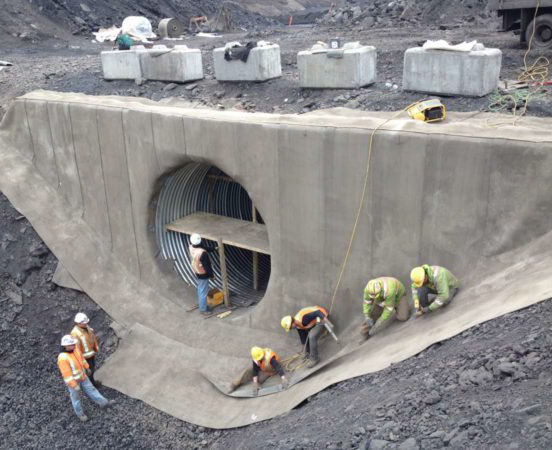
          Concrete Canvas is part of a product group known as Geosynthetic Cementitious Composite Mats (GCCMs). It consists of a three-dimensional fiber matrix filled with a dry concrete mix. The material is flexible and can be easily manipulated into various shapes and forms until it is hydrated. Once water is added, a chemical reaction is triggered, and the concrete hardens within 24 hours, forming a durable and waterproof barrier.

          Its flexibility when dry makes Concrete Canvas easy to transport and handle, while its rapid setting time offers significant time savings in construction projects. Available in rolls, it can be deployed and secured over surfaces like embankments, ditches, or temporary shelter frames, then hydrated with water to set.

          The versatility of Concrete Canvas has led to its use in multiple industries, including civil engineering, military operations, and offsite construction. One of the most notable applications of this material is in the creation of shelters, particularly for disaster relief and military operations.

          Offsite construction, known for its speed and efficiency, is a method that perfectly complements the properties of Concrete Canvas. Offsite shelters, especially those used in temporary or emergency situations, benefit from the lightweight, flexible, and fast-curing nature of this material. These shelters, often referred to as “concrete tents” or “Combat Concrete Shelters,” are formed by laying the canvas over an inflatable structure, which can be easily transported and quickly erected on-site.

          Once inflated, the shelter takes shape, and the concrete canvas is hydrated to harden into a solid structure. Within a day, the shelter is ready for use, providing a durable, weather-resistant space that can be used for weeks, months, or even years.

          .

          Applications in Disaster Relief

          Disaster zones often require rapid deployment of shelters to house displaced populations or to protect first responders and aid workers. Conventional shelters, such as tents, are quick to set up but lack durability and insulation. Concrete Canvas shelters, on the other hand, offer the best of both worlds — they are quick to install yet provide the longevity and protection of a permanent structure.

          Concrete Canvas shelters are ideal for regions that suffer from harsh climates, as they are fireproof, waterproof, and wind-resistant. In addition, these shelters offer a level of insulation that reduces the need for additional heating or cooling, which is crucial in extreme weather conditions. Unlike traditional tents, which can be easily damaged by high winds or debris, concrete shelters provide a rigid structure that can withstand natural elements.

          Military and Remote Area Use

          Military operations often take place in remote, hostile environments where the need for rapid deployment of durable shelters is critical. Concrete Canvas shelters have proven to be an effective solution in such scenarios, offering troops a secure, semi-permanent structure that can be deployed quickly and without heavy machinery.

          These shelters provide excellent ballistic and blast protection compared to traditional canvas tents, making them particularly suitable for conflict zones. Furthermore, their fireproof nature reduces the risk of catastrophic losses from accidental fires in the encampment. The ease of transport and quick assembly of these shelters make them a valuable asset for mobile military operations.

          For remote areas where permanent buildings are not feasible, such as oil rigs or mining camps, Concrete Canvas shelters offer a practical and cost-effective solution. These structures provide the safety and durability of concrete while remaining lightweight and easy to deploy in inaccessible locations.

          Speed of Deployment

          One of the most significant advantages of Concrete Canvas shelters is the speed at which they can be deployed. In situations where time is critical, such as natural disasters or military deployments, having a shelter ready in less than 24 hours can be life-saving. The canvas is delivered in compact rolls, and the shelters can be assembled with minimal manpower and equipment.

          Durability and Longevity

          Unlike conventional tents or temporary shelters, which degrade over time and require frequent replacement, Concrete Canvas shelters are designed for long-term use. Their concrete construction offers a level of durability that ensures the shelter can withstand harsh environmental conditions, including extreme temperatures, heavy rain, and high winds.

          The material’s resistance to UV degradation, chemicals, and fire ensures that these shelters can be used for extended periods without suffering damage. This makes them ideal for use in remote or disaster-prone areas where maintenance and replacement might be challenging or expensive.

          Sustainability

          Sustainability is an increasingly important factor in construction, and Concrete Canvas ticks many of the right boxes. By reducing the need for extensive on-site construction and minimizing the carbon footprint associated with transporting heavy materials, Concrete Canvas helps make construction more eco-friendly.

          Additionally, its longevity and ability to be recycled as aggregate once its use has ended make it an environmentally responsible choice for temporary shelters.

          Cost-Effectiveness

          While the initial cost of Concrete Canvas may be higher than traditional fabric tents, its durability, low maintenance requirements, and long lifespan offer a cost-effective solution in the long run. For organizations that require shelters in remote areas, such as oil companies, military forces, or disaster relief agencies, the lower logistics and transportation costs also contribute to overall savings.

          Beyond its current applications, the potential for Concrete Canvas in construction is immense. Architects and engineers are exploring ways to use this material for more permanent structures, such as low-cost housing, bridge abutments, and even architectural facades. Its flexibility and durability make it a compelling option for complex shapes and designs that traditional construction materials may struggle to achieve.

          There is also potential for the material to be used in sustainable urban construction, especially as the need for quick, durable, and eco-friendly building solutions increases in growing cities.

          Concrete Canvas represents a breakthrough in both offsite construction and emergency shelter solutions. Its unique properties — flexibility before hydration and durability afterward — make it an ideal material for rapidly deployed, long-lasting shelters. As the world faces more frequent natural disasters and the demand for efficient, sustainable construction methods grows, Concrete Canvas could play an increasingly central role in building the future. Its uses extend far beyond the battlefield or disaster zone, offering potential applications in everyday construction and infrastructure projects across the globe.

          In offsite construction, where speed and efficiency are paramount, innovations like Concrete Canvas prove that the future of building is not just fast — it’s stronger and more resilient than ever.

          .

          In the offsite construction industry, the right mentorship can be crucial to success. That’s where Gary Fleisher and Bill Murray, the partners behind Offsite Innovators, with decades of combined experience in the offsite and modular construction industry can be of help. Gary, is a leading industry writer, networker, and influencer. Bill, with over 40 years of sales, manufacturing, and operational experience, offer deep insights into the offsite construction field. Their practical, hard-earned knowledge helps new and existing modular companies avoid common pitfalls, design efficient production lines, build effective management teams, and connect with key industry players—making their guidance invaluable for entrepreneurs looking to grow. To Begin the Mentoring Process, CLICK HERE

          Innovative Homes of 2040: A Glimpse into Futuristic Materials and Construction Processes

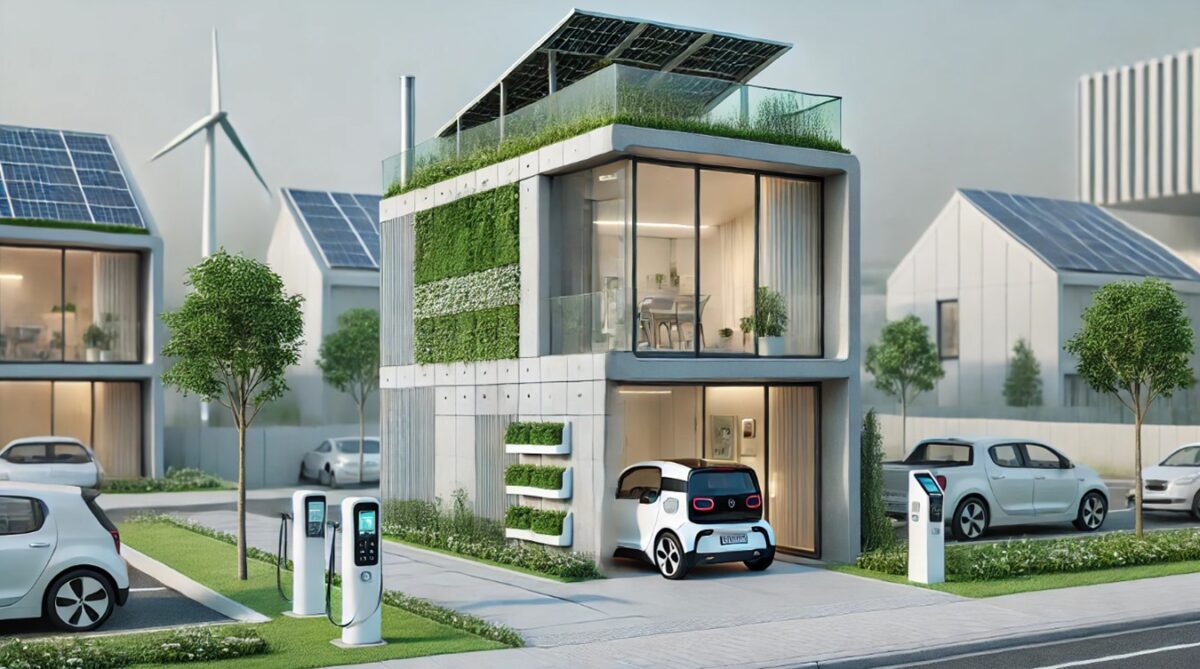
          The home of 2040 will likely look similar to modern conventional houses of today but with the advances in materials science, automation, and sustainable technology the construction industry is undergoing today. New cutting-edge materials and processes are set to redefine how future homes will be built.

          Next-Gen Materials: Strong, Sustainable, and Smart

          One of the key materials revolutionizing the construction industry is self-healing concrete. By 2040, this remarkable innovation will be a common feature in homes. Embedded with bacteria that produce limestone when exposed to water, self-healing concrete automatically repairs cracks, drastically extending the lifespan of a building. This reduces maintenance costs and increases sustainability, as fewer repairs mean fewer resources are required over time.

          Graphene, a super-strong, lightweight material, is expected to play a significant role in future home construction. Its incredible properties—200 times stronger than steel, yet only a fraction of its weight—make it ideal for reinforcing structures. Homes built with graphene-infused composites will be not only stronger and more resilient to environmental stressors but also lighter, enabling the construction of larger, more open spaces with fewer support beams.

          With an increasing focus on sustainability, homes of the future will likely be made from materials that actively reduce carbon emissions. Carbon-negative concrete and hempcrete, which absorb more carbon dioxide during their lifespan than is emitted during production, will be used in walls and foundations. This makes each home not just carbon-neutral but carbon-negative, contributing positively to the environment.

          Automation and Robotics in Construction

          3D printing technology will evolve to the point where entire homes can be printed on-site using advanced materials. Large-scale 3D printers will utilize a mixture of recycled plastics, bio-materials, and graphene to construct walls and foundational elements layer by layer. This process allows for highly customized home designs, reduced labor costs, and significantly faster construction times. A home that once took months to build could be erected in just days.

          Factories equipped with robotic arms and AI-driven processes will manufacture entire sections of homes, which will then be transported and assembled on-site. These prefabricated modules will include everything from walls and floors to electrical and plumbing systems, all pre-installed and tested. Robotics will handle the precision assembly of these components, ensuring flawless construction. This approach will minimize human error, reduce construction waste, and allow for mass production of customized homes.

          Construction sites will be transformed by fleets of autonomous drones, excavators, and bulldozers, all working together seamlessly. Using AI and real-time data, these machines will optimize construction processes, ensuring efficiency and safety. These technologies will drastically reduce the need for human labor on-site while increasing construction speed and accuracy.

          Energy Efficiency and Smart Integration

          In 2040, homes will be energy producers, not just consumers. Solar skin—thin, flexible solar cells that can be applied like paint to any surface—will power homes. In addition, transparent solar panels will replace traditional windows, harnessing solar energy while maintaining clear views. These materials will make homes virtually self-sufficient in energy, dramatically reducing reliance on external power grids.

          Futuristic homes will feature smart building envelopes that dynamically adjust their thermal properties. Using phase-change materials and embedded sensors, these envelopes will adapt to the climate, storing heat during the day and releasing it at night, or vice versa. By regulating temperature more effectively, homes will use less energy for heating and cooling, contributing to overall energy efficiency.

          Instead of relying on bulky batteries, homes of 2040 will have energy storage systems integrated directly into their walls and foundations. These energy-storing materials, made from next-gen batteries like solid-state cells or flow batteries, will store excess energy generated by solar panels or wind turbines. This stored energy can be used to power the home when renewable sources aren’t available, making homes self-sustaining.

          Sustainable Water and Waste Management

          Water conservation will be a critical focus in the homes of the future. Advanced water recycling systems will purify greywater (from sinks, showers, and washing machines) and blackwater (from toilets) for reuse. These systems will be compact and seamlessly integrated into the home’s infrastructure, drastically reducing water waste. In combination with smart irrigation systems for landscaping, these homes will use a fraction of the water that current homes require.

          The construction industry will become a leader in sustainability by adopting zero-waste practices. With precision from robotics and 3D printing, material waste will be virtually eliminated. Leftover materials from one project will be repurposed or recycled for the next. Homes will also incorporate composting waste systems, transforming organic waste into energy or fertilizer, ensuring minimal impact on the environment.

          .

          AI-Driven Design and Personalization

          Architects will collaborate with AI to design homes tailored to individual preferences and environmental conditions. AI software will analyze a site’s climate, wind patterns, and solar exposure to create optimized designs that minimize energy consumption and enhance comfort. Homeowners will work with AI to choose personalized designs, materials, and even color schemes, ensuring every home is unique.

          In addition to prefabricated exteriors, interiors will be fully modular and customizable. Homeowners will be able to modify room layouts and furniture configurations on demand using moveable walls and AI-controlled systems. This flexibility will allow homes to adapt to changing needs over time, from expanding living spaces to transforming rooms into offices or playrooms.

          The homes of 2040 will be more than just shelters—they will be self-sufficient, sustainable, and intelligent ecosystems designed for both comfort and efficiency. With advanced materials like graphene and self-healing concrete, automation through 3D printing and robotics, and smart energy solutions, the future of home construction promises not only to enhance living standards but also to contribute to a healthier planet. The question is no longer if we will build these homes, but how soon we can begin.

          .

          How Innovative AI-Driven Video Systems Could Revolutionize Modular and Offsite Construction Factories

          Is Big Brother Watching?

          In modular and offsite construction, innovation often takes the form of new materials, advanced building techniques, or cutting-edge factory processes. But what if the next leap forward wasn’t about physical improvements, but rather about how we monitor and understand the work we’re already doing? Picture a factory where every movement, every piece of equipment, and every material is being quietly observed and analyzed in real-time by an intelligent system. This system isn’t just watching—it’s learning, predicting, and optimizing. This isn’t science fiction; it’s a growing reality as AI-driven video systems become an integral part of modern manufacturing and construction.

          .

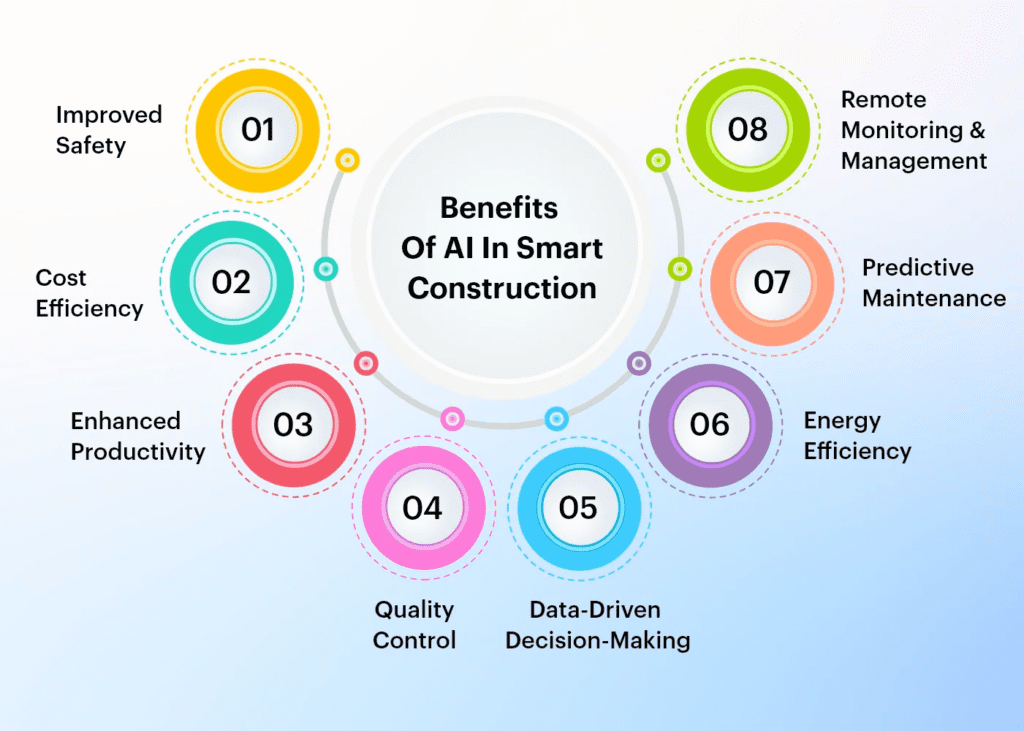
          For modular and offsite construction factories, the introduction of AI-based video analytics is poised to be a game changer. By installing video cameras throughout the factory floor, offices, and yard areas, factory managers can now access a live feed of data processed by sophisticated software capable of learning and making real-time decisions. This technology offers a detailed, dynamic view of operations, unlocking new opportunities for efficiency, safety, and productivity. More importantly, it’s an innovation that isn’t about creating something entirely new, but about enhancing and reimagining existing processes.

          The nature of modular and offsite construction—where components are prefabricated in factories before being shipped to building sites—lends itself perfectly to the use of AI video systems. These systems allow factory managers to gather crucial insights into the performance of their operations, ranging from workflow bottlenecks to worker safety. But what makes this technology especially exciting is how it can provide this information continuously and automatically, without the need for manual supervision.

          Imagine a large factory assembling modular housing units. Video cameras positioned throughout the factory feed live footage into an AI-based software system. The AI isn’t just looking for obvious problems; it’s analyzing every detail, comparing it against hundreds of hours of historical data to find patterns that human observers might miss.

          For example, the AI might notice that workers in one section of the assembly line consistently take longer to complete their tasks on certain days of the week. By comparing this information with footage of how materials are being delivered and used, the system could identify that delays in material restocking are causing slowdowns. This insight allows managers to adjust the schedule or improve material handling processes, reducing downtime and keeping production on track.

          This is just one example of how AI can offer unprecedented insights into modular construction, and it’s only the beginning.

          Safety is a top priority on any construction site, and modular construction factories are no exception. But while factory environments are generally safer than on-site construction work, risks still exist. AI-powered video systems provide a way to monitor safety in real-time and prevent accidents before they happen.

          The AI can be trained to recognize unsafe behaviors, such as workers neglecting to wear personal protective equipment (PPE), handling machinery improperly, or even working in dangerous proximity to heavy equipment. When the system detects a potential safety violation, it can immediately alert a supervisor or shut down equipment to prevent accidents.

          Take the example of a worker who regularly bypasses safety protocols by not using harnesses or proper lifting techniques. While human supervisors may not always be able to catch these violations, AI-powered cameras can identify these risky behaviors consistently. By flagging these issues in real-time, the system not only protects the individual worker but also helps create a culture of safety throughout the factory.

          .

          Companies such as Procore are already providing AI-based safety monitoring solutions for construction sites. These systems analyze video data to detect hazards and safety violations, offering companies a way to proactively manage risks and avoid costly accidents.

          AI-driven video analytics can also transform operational efficiency in modular construction factories. In a factory setting, every second counts. Delays, bottlenecks, and inefficiencies can quickly add up to significant lost time and money. With AI-powered video, managers can get a bird’s-eye view of the entire operation, tracking every movement, material, and machine in real-time.

          .

          For instance, if an assembly line is slowing down, the AI can track the flow of materials and workers to pinpoint exactly where the issue lies. It could be a machine that’s out of sync, workers who are waiting for materials, or even a storage area that’s too far from the production line. With this data, managers can make targeted adjustments to optimize the workflow.

          One company that’s already implementing AI-driven monitoring is Siemens. In their advanced manufacturing facilities, they use AI-powered cameras to monitor the production line, ensuring everything runs smoothly and on schedule. If a machine is operating slower than expected, the system alerts operators to check for maintenance needs before a breakdown occurs. This predictive approach can reduce downtime significantly.

          In the modular construction industry, where timelines are often tight, these kinds of insights can mean the difference between a project being completed on time and one that is delayed.

          It’s not just machines and materials that can benefit from AI video systems; workers themselves are also under the watchful, non-intrusive eye of this technology. In fast-paced factory environments, employee fatigue and stress can become major concerns, leading to mistakes, injuries, or decreased productivity. AI-powered video systems can monitor worker behavior, identifying signs of fatigue or stress.

          For instance, if a worker starts taking more frequent breaks or shows signs of reduced productivity, the AI can detect these changes and alert managers. This allows for interventions—such as adjusting workloads or offering additional breaks—before the worker becomes too fatigued, preventing burnout and accidents.

          This kind of monitoring doesn’t just improve safety; it also helps maintain a healthy, happy workforce, which in turn leads to greater productivity and job satisfaction.

          In a modular construction factory, managing materials and inventory is a critical task. Delays in receiving materials or misplacing valuable components can cause costly slowdowns in the production process. AI-powered video systems can offer real-time inventory tracking, helping factories maintain better control over their stock.

          Cameras positioned in storage areas can monitor how materials are being used and where they’re stored. The AI can track patterns, ensuring that materials are replenished before they run out and even suggesting optimal storage layouts to reduce time spent retrieving items. This data can help prevent bottlenecks caused by material shortages and streamline the flow of materials from storage to the assembly line.

          Companies like Amazon are already using AI-powered cameras in their warehouses to optimize inventory management. In the same way, modular construction factories could use this technology to manage materials, reduce waste, and ensure that every part of the production process is adequately supplied.

          AI-powered cameras are not only useful for tracking materials and employees but also for monitoring the condition of machinery. In a modular construction factory, equipment is often used intensively, leading to wear and tear that can cause breakdowns. However, by analyzing video footage, AI can detect early signs of mechanical problems—such as unusual vibrations, leaks, or overheating—before they cause major issues.

          With this predictive maintenance approach, machines can be repaired or serviced at optimal times, reducing the likelihood of unexpected breakdowns. This helps factories avoid costly downtime and ensures that production stays on schedule. Companies like GE are already using AI to monitor and predict the maintenance needs of their equipment, offering a proven model that could be adapted to modular construction.

          While this kind of AI-driven video monitoring may sound futuristic, it’s already being used in industries ranging from retail to manufacturing. Companies like Walmart use AI cameras to track customer behavior and prevent theft. The modular construction industry is ripe for adopting this kind of technology, and forward-thinking companies are beginning to explore how AI video systems can revolutionize their operations.

          In the near future, it’s likely that more modular construction factories will integrate AI-based video systems into their processes. Whether it’s improving safety, streamlining operations, or enhancing inventory management, these systems offer a wealth of benefits. And as transportation costs continue to rise, these insights could also drive the revival of an old innovation—standardized components—delivered efficiently and assembled on-site.

          By embracing AI-driven video systems, modular and offsite construction factories will not only improve their efficiency and safety but also gain a competitive edge in an increasingly demanding market. As the old adage goes, sometimes the best innovations aren’t about creating something new, but about making the most of what we already have. And in the case of AI-driven video systems, the future looks bright indeed.

          .

          Construction Tech’s Newest Innovations: Wearables Revolutionizing Safety and Productivity

          If you asked a construction worker a decade ago whether they’d ever wear a robot suit to work, you’d probably get a good chuckle. Fast forward to today, and what was once the stuff of science fiction is quickly becoming a reality. Wearables, such as exoskeletons, smart helmets, and safety vests, are emerging as one of the hottest trends in construction technology—and for good reason. 

          These high-tech devices are transforming job sites by improving worker safety, boosting productivity, and providing real-time data that can change the way projects are managed. Let’s dive into this futuristic world of construction wearables and why you might soon see your local crew looking more like superheroes than construction workers.

          What Are Wearables in Construction?

          Wearables in construction are any devices or clothing embedded with technology designed to help workers perform their tasks more safely and efficiently. Think of them as smart gear that adds a layer of protection, information, or assistance. Whether it’s a vest that tracks your vital signs, an exoskeleton that helps you lift heavy objects with ease, or a helmet that detects dangerous conditions on-site, these wearables are rapidly gaining traction in the industry.

          Why Wearables?

          The construction industry has long been plagued by safety risks. With tasks involving heavy machinery, elevated work areas, and strenuous physical labor, injuries are an unfortunate reality. According to the Occupational Safety and Health Administration (OSHA), more than 20% of workplace fatalities occur in construction. But wearables are poised to change that by preventing common injuries such as back strain and falls while keeping workers alert to their surroundings.

          These devices also help address productivity. Wearables can track how efficiently workers are moving, suggest improvements, and even reduce downtime. It’s like having a personal trainer on the job, minus the annoying pep talks.

          Let’s take a look at some of the game-changing wearable technologies already making their way into the construction world.

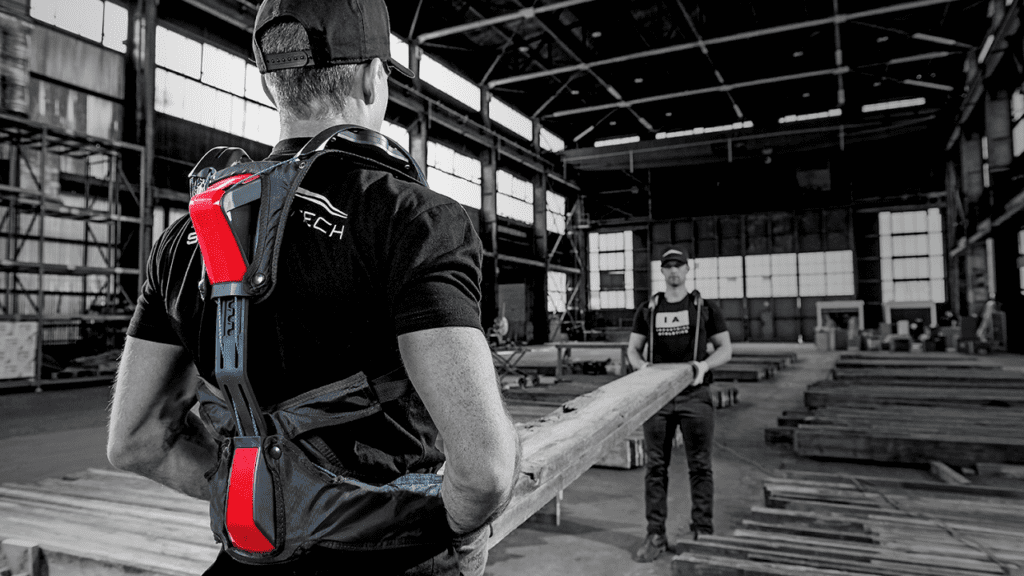
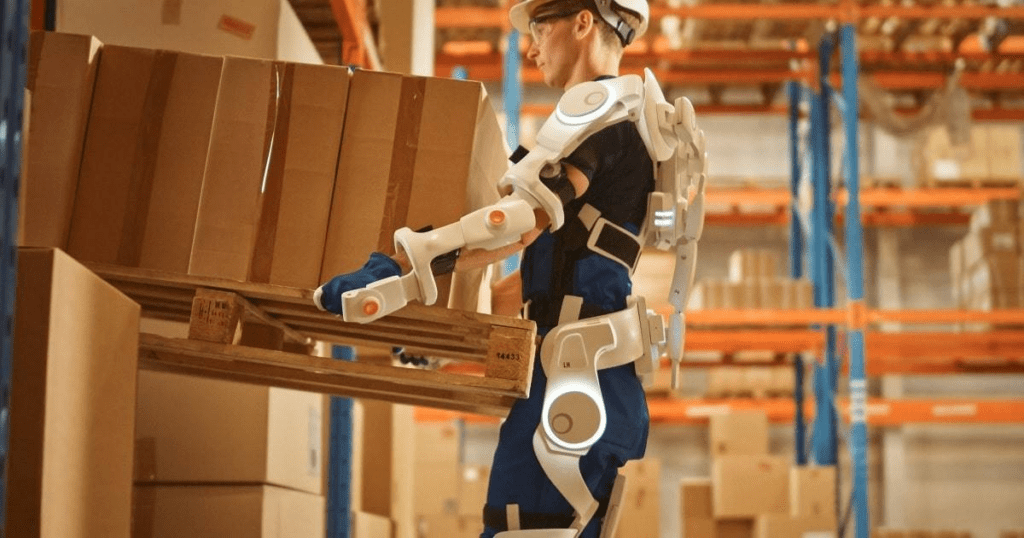
          Exoskeletons might sound like something from a superhero movie, but they’re here and making a difference on job sites. These wearable devices are designed to provide extra support and reduce fatigue by assisting with lifting heavy objects and repetitive movements.

          One of the leaders in this field is Ekso Bionics, whose exoskeletons are already in use in industries from healthcare to manufacturing. Their EksoZeroG exoskeleton has been designed specifically for construction, allowing workers to carry heavy tools and perform overhead tasks with much less strain on their bodies. Imagine strapping on a suit that does the heavy lifting for you—literally. By reducing the risk of musculoskeletal injuries, exoskeletons help workers stay healthy, productive, and on the job longer.

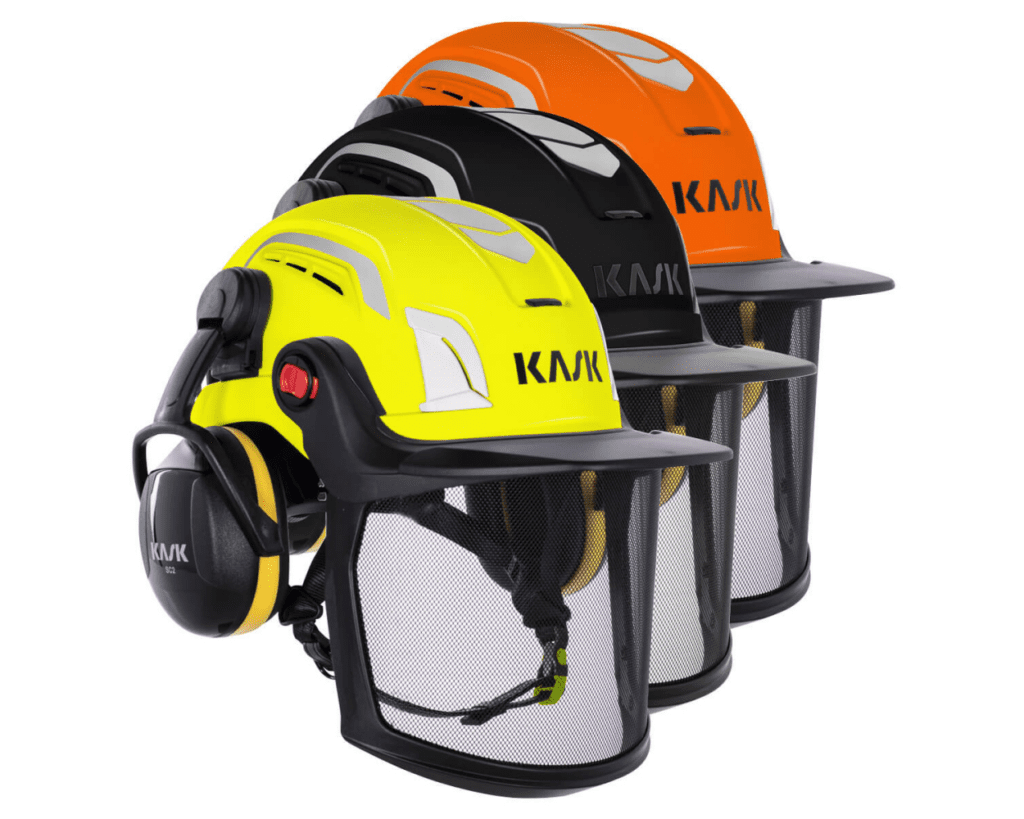
          Construction helmets have always been about safety first, but now they’re getting a high-tech upgrade. A smart helmet equipped with augmented reality (AR) capabilities allows workers to overlay digital information on their physical environment, helping them visualize plans, avoid hazards, and communicate more effectively with teams.

          Imagine walking through a job site, and instead of referring to a blueprint, you see a 3D projection of what you’re building right in front of you. The helmet can also capture site data and provide real-time updates, improving both safety and efficiency.

          Another example is the KASK Smart Helmet, which includes sensors that detect impacts, monitor temperature, and provide alerts if the wearer is in a potentially dangerous situation. This means workers can stay focused on the job while their helmet does the worrying.

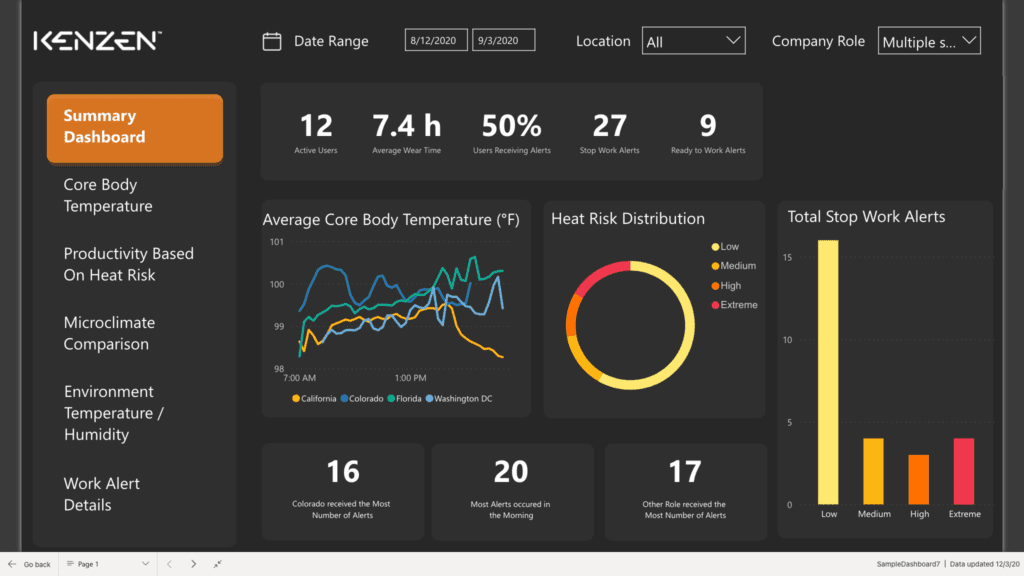
          Safety vests are a staple on construction sites, but now they’re doing more than just making workers visible. Kenzen, a company specializing in industrial wearables, has developed a smart safety vest that monitors a worker’s vital signs, including heart rate and body temperature, to prevent heat stress and other health-related issues.

          .

          If a worker’s body temperature rises to dangerous levels, the vest sends an alert to both the wearer and the site supervisor, prompting them to take a break or rehydrate. This can be a literal lifesaver in hot environments or strenuous work conditions.

          StrongArm Technologies has also developed a wearable safety vest called the FLx ErgoSkeleton, which is designed to monitor movement patterns and posture to reduce the risk of back strain. It’s a bit like having a physical therapist watching your every move—but in a good way.

          Even your boots are getting smarter. SolePower has developed work boots that are equipped with GPS and motion sensors to monitor a worker’s location and activity levels. These boots can detect if someone has fallen or is immobile for an extended period, immediately sending out an alert. For large construction sites or remote areas, this could be a critical tool in keeping workers safe.

          The boots also track steps, calories burned, and more, so you can finally prove to your friends that construction work really is a workout!

          One of the biggest benefits of wearables is the wealth of real-time data they provide. From monitoring site conditions to tracking worker performance, this data can help site managers make informed decisions that improve safety and productivity. Imagine being able to look at a dashboard and see exactly where every worker is, what they’re doing, and whether they’re at risk of injury. Wearables make this level of insight possible, and it’s revolutionizing the way construction projects are managed.

          For example, Triax Technologies offers a wearable system called Spot-r, which tracks worker location and activity while providing real-time alerts for falls, slips, or even environmental hazards like toxic gas leaks. This kind of real-time insight is critical for responding quickly to incidents and preventing them from happening in the first place.

          As builders continue to adopt new technologies, wearables are likely to become as standard as hard hats and steel-toed boots. Not only do these devices keep workers safer, but they also make construction projects more efficient and cost-effective. And as the technology improves, we can expect wearables to become even more advanced and accessible.

          The adoption of wearables may also help attract younger workers to the construction industry, a sector that has struggled with labor shortages in recent years. Let’s face it—if your job involved wearing a cool exoskeleton or a helmet that projects holograms, it might be a little more appealing.

          Wearables in construction are transforming the way we build, making job sites safer and more efficient. Whether it’s a vest that tracks your health, boots that know where you are, or an exoskeleton that helps you lift like a superhero, these devices are paving the way for the future of construction. So the next time you see someone on-site in what looks like a sci-fi suit, don’t be too surprised—they’re just working smarter and safer, thanks to the latest in wearable technology.

          As we continue to see more innovation in the wearable space, it’s clear that these devices will soon be a common sight on job sites everywhere, helping workers and managers alike build better, faster, and safer.

          The construction site of the future isn’t just about machinery and materials—it’s about leveraging the power of technology to protect workers and get the job done efficiently. Wearables are at the forefront of this change, and before you know it, they’ll be as common as hard hats and hammers. The future is here—and it’s wearable!

          .

          Why Most Offsite Construction Innovations Fail to Get Accepted by Modular and Offsite Construction Factories

          Innovation is often seen as the driving force that propels industries forward. Yet, in the modular and offsite construction sectors, many promising innovations face resistance from factory owners and managers. This reluctance to embrace change has long baffled innovators, especially when their products or services seem to offer clear benefits. So why is it that so many offsite construction innovations fail to gain traction in factories?

          The truth is, resistance to innovation in this sector is not just about the technology itself—it’s deeply rooted in the culture, risk tolerance, and financial realities of factory owners and managers. This article explores the key reasons behind this resistance and offers actionable insights for innovators to overcome these roadblocks.

          One of the most pervasive obstacles that innovators face in offsite construction is the deeply entrenched “no need to change” mindset. Many factory owners and managers are comfortable with their current processes and are hesitant to disrupt what they perceive as a smooth operation.

          Modular factories, especially those that have been operating for decades, often rely on well-established systems that have proven successful. These managers see no immediate need to introduce unfamiliar processes or technologies. From their perspective, the risks outweigh the potential benefits.

          Factory owners and managers are also acutely aware of how change can affect production timelines. Many fear that experimenting with a new innovation, whether it’s a product or process, could lead to delays, mistakes, or miscommunications that disrupt the entire workflow. In a fast-paced industry where every minute counts, downtime is costly—and most factories prefer to avoid it altogether.

          However, innovators must understand that this reluctance often stems from a desire for stability. Factory owners and managers have built their businesses on consistency, and any disruption to that consistency is viewed as a threat. For innovators to successfully engage with these decision-makers, they must first acknowledge this mindset and demonstrate how their innovations can enhance stability rather than disrupt it.

          Cost is one of the most frequently cited reasons for rejecting innovation. Factory owners and managers often operate on thin margins, and the upfront cost of adopting new products or services can seem prohibitive. Even when an innovation promises long-term savings, the initial investment can be a tough sell.

          In many cases, factory owners simply don’t have the budget to experiment with unproven technologies. Their capital is tied up in maintaining equipment, paying labor, and managing day-to-day expenses. The idea of spending on something new, especially if it doesn’t provide an immediate return, feels like a gamble that many aren’t willing to take.

          Compounding this issue is the fact that many factory owners feel they lack the financial safety net to recover if the innovation fails. The risk of failure is too high—especially if the new process, material, or tool causes production delays or doesn’t deliver on its promised efficiencies. Even a short period of downtime or reduced output can have a significant financial impact, making any perceived risk difficult to justify.

          Innovators can address this by offering flexible pricing models or phased implementation plans. By reducing the financial risk to factory owners and managers, they can make it easier for factories to experiment with new products and services without feeling they are putting their entire operation at risk.

          Factory owners and managers also face pressure from their clients—builders and developers—who may be just as skeptical about adopting new methods as the factories themselves. Even if an innovation is successful within the factory, there is no guarantee that builders or developers will be willing to accept the change.

          Builders and developers often have their own set of preferences, many of which are shaped by years of working with traditional methods. Factory owners are acutely aware of this and often hesitate to adopt innovations unless they are certain their clients will be on board. After all, a factory’s success depends largely on its ability to meet the needs of its clients.

          This creates a tricky situation where even the most promising innovation can be stifled by a lack of interest from the broader construction ecosystem. Factory owners don’t want to waste time or money on something that builders won’t accept—and builders, in turn, may be slow to embrace changes from the factory.

          For innovators, this means that the battle for acceptance doesn’t end at the factory door. They must also engage with builders and developers to demonstrate how their innovations can improve project outcomes. By building relationships throughout the construction value chain, innovators can create a more compelling case for adoption.

          Even when an innovation has clear benefits, factory owners and managers may feel that the effort required to implement it simply isn’t worth the reward. This “juice isn’t worth the squeeze” mentality is common in industries where established processes have been refined over many years.

          Offsite construction factories often have complex workflows that are difficult to adjust. A new innovation might promise increased efficiency, but if the process of integrating that innovation is too cumbersome, it can feel more like a burden than a benefit. Many factory managers would rather stick with the status quo than invest the time, energy, and resources required to overhaul their systems.

          In these cases, innovators must focus on simplifying their solutions. They need to show factory owners how the innovation can be implemented with minimal disruption. Offering hands-on support during the transition period can also make a big difference. When factory owners feel that they have a partner guiding them through the process, they are more likely to embrace change.

          To successfully break through the resistance found in modular and offsite construction factories, innovators must approach the industry with empathy and strategy. Here are key steps that can help overcome common roadblocks:

          Understand the Factory’s Pain Points: Innovators should take the time to understand the specific challenges faced by factory owners and managers. Instead of leading with the benefits of the innovation, start by addressing the problems it solves.

          Demonstrate Low-Risk Implementation: Present case studies, pilot programs, or incremental adoption plans to lower the perceived risk. Showing that the innovation has worked elsewhere and that it can be gradually integrated will help ease concerns.

          Engage the Entire Value Chain: Innovators must collaborate with not only the factories but also the builders and developers they serve. By creating a value proposition for the entire construction ecosystem, innovators can foster a greater sense of acceptance.

          Provide Financial Flexibility: Offering innovative pricing models, such as pay-as-you-go or leasing options, can make the financial barrier less daunting for factories operating on tight margins.

          Support Through Transition: Providing hands-on support, training, and resources during the transition phase will help mitigate any fear of disruption. Innovators need to assure factories that they won’t be left to navigate the changes alone.

          Promote Long-Term Value: While the upfront cost may seem high, innovators should emphasize the long-term value of their solutions. Highlighting cost savings, efficiency improvements, and competitive advantages over time can help sway hesitant decision-makers.\

          Innovating in offsite construction is an uphill battle, but it’s not impossible. By addressing the concerns of factory owners and managers head-on, building relationships throughout the construction value chain, and offering low-risk, high-value solutions, innovators can break through the resistance that has long stifled progress in this industry. The key is to approach with empathy, understand the culture of caution, and offer solutions that align with the practical realities of factory operations.

          .

          SIPs: A Century of Innovation Waiting to Break Through

          As the Centennial anniversary of Structural Insulated Panels (SIPs) approaches, the construction industry finds itself reflecting on the remarkable journey of this innovative building technology. First introduced in the 1930s, SIPs promised to revolutionize the way we think about insulation and building efficiency. However, despite the clear benefits they offer, questions and uncertainties still surround SIPs, leaving many builders and developers hesitant to embrace them fully. In this article, we’ll explore the history of SIPs, demystify their composition and variety, and delve into why, after nearly 100 years, SIPs remain a niche construction material. We’ll also look at some of the wildest and most innovative applications of these “sandwiched walls” and ask the big question: Why aren’t they more widely used in the construction industry?

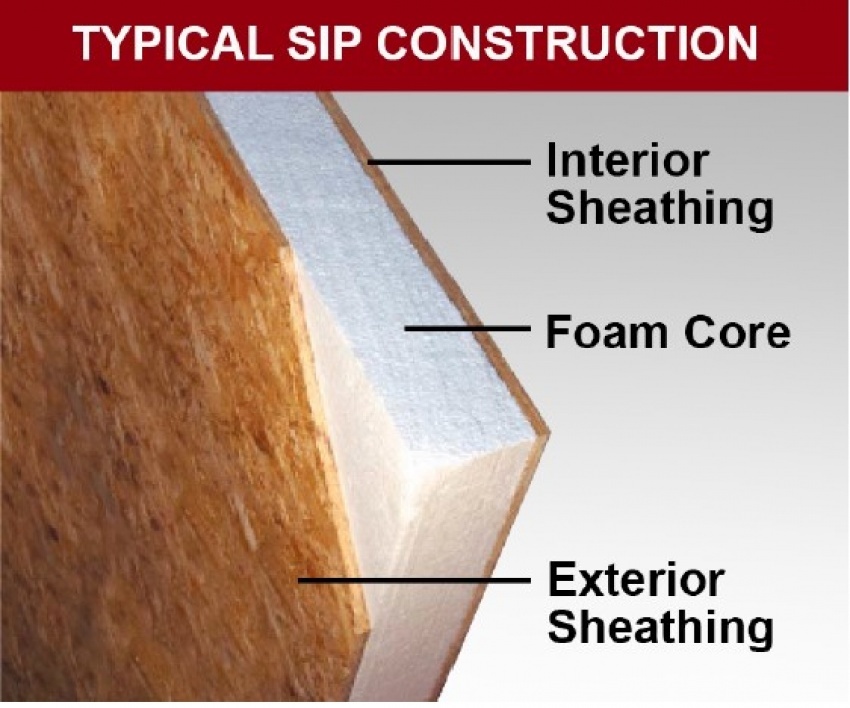
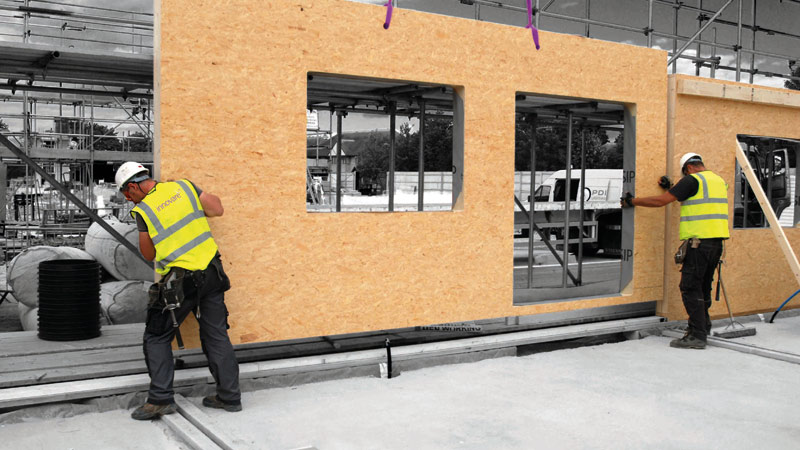
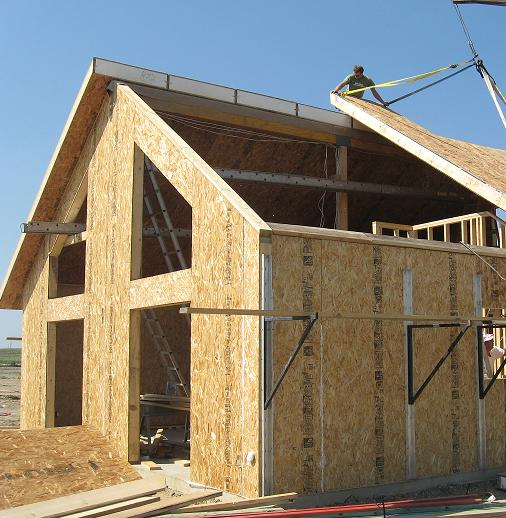
          A Structural Insulated Panel (SIP) is essentially a sandwich. It consists of two outer layers, known as skins, and an insulating core in between. The result is a lightweight, highly insulated, and structurally strong panel that can be used for walls, roofs, and floors. SIPs offer a unique combination of thermal performance and strength. The idea is simple, but the execution—over the years—has evolved to meet modern demands for energy efficiency, environmental sustainability, and affordability.

          The design of SIPs was first conceived in the 1930s by engineers who wanted to create lightweight, durable panels that could serve as both structural elements and insulation. Over time, as advancements in materials and manufacturing processes occurred, the panels gained popularity. However, even though SIPs can be found in a variety of building types today, from single-family homes to schools and commercial buildings, they are still not the go-to material for most construction projects. This raises the question: why not?

          .

          The core of a SIP is typically made from rigid insulation foam, most commonly expanded polystyrene (EPS), extruded polystyrene (XPS), or polyurethane (PUR). Each type of insulation offers different benefits, such as varying levels of R-value (a measure of thermal resistance), environmental impact, and cost. EPS is one of the most widely used insulations due to its affordability and decent insulation properties. However, more high-performance buildings may opt for PUR or XPS due to their higher R-values and superior moisture resistance.

          The outer skins of SIPs are usually made from oriented strand board (OSB), but there are other options as well. Cementitious skins, fiber-cement panels, or even metal skins can be used depending on the intended application. OSB remains the most popular choice because of its cost-effectiveness and structural capabilities, but more specialized applications may call for stronger or more weather-resistant skins. These combinations of materials create a panel that offers impressive insulation values, structural strength, and airtightness—characteristics that contribute to SIPs’ reputation as a high-performance building material.

          .

          Despite their clear advantages, SIPs have never become a mainstream building material. This can be attributed to several factors, some of which are based on misconceptions and others on practical challenges.

          Perceived Complexity: Many builders perceive SIPs as complicated to work with, primarily because they require careful planning and precision during installation. Unlike conventional framing, SIPs are pre-fabricated, and any last-minute changes on site can cause delays and additional costs. Builders accustomed to more flexible, stick-frame construction may find the rigidity of SIP construction intimidating. Additionally, working with SIPs requires specialized training and equipment, which may not be readily available to all builders, adding to the hesitation.

          Cost Misconceptions: SIPs are often viewed as more expensive than traditional materials. While the upfront costs of SIPs may be higher than standard 2×4 framing, this doesn’t account for the long-term savings in energy efficiency, labor, and reduced construction time. SIPs can cut heating and cooling costs by up to 50%, thanks to their superior insulating properties, but many developers and homeowners focus on the initial price tag rather than the lifetime value. In addition, the pre-manufactured nature of SIPs allows for faster assembly on-site, reducing labor costs significantly, but this efficiency benefit is often overlooked.

          Limited Awareness: A significant factor hindering the widespread adoption of SIPs is the general lack of awareness among builders, architects, and developers. Many in the construction industry still have limited experience or exposure to SIP projects, which leads to hesitance in specifying them. This lack of familiarity extends to local building inspectors and code officials, who may be unsure about how to evaluate SIP structures, further complicating the approval process.

          Distribution and Supply Chain Limitations: SIP manufacturers are not as widespread as traditional material suppliers, which means that access to SIPs can be limited based on geographic location. For builders in regions where SIP manufacturers are scarce, shipping costs can be prohibitive, making it a less attractive option than materials that are readily available.

          .

          While SIPs may not be in the construction mainstream, they have found some incredibly innovative and, at times, unconventional uses.

          Extreme Weather Environments: One of the most impressive examples of SIPs in action can be found in the construction of buildings in extreme climates, such as polar research stations. SIPs offer superior insulation and airtightness, making them ideal for use in environments where maintaining consistent indoor temperatures is critical. In these challenging conditions, SIPs’ high thermal performance can drastically reduce heating costs and energy consumption.

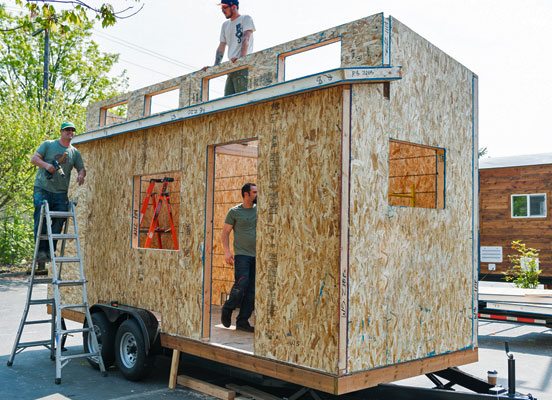
          Tiny Homes and Modular Construction: The tiny house movement and the rise of modular construction have found a perfect match in SIPs. The efficiency and strength of SIPs make them an ideal choice for compact, prefabricated homes. Tiny homes need to be lightweight and energy-efficient, and SIPs’ ability to serve as both a structural component and insulation allows for rapid construction without sacrificing performance.

          High-Performance and Passive Houses: SIPs have also gained traction in the passive house movement, which focuses on achieving ultra-low energy use. The high insulation values and airtightness that SIPs provide make them an excellent choice for passive houses, where the goal is to minimize heating and cooling needs. These homes often use thick SIPs for their walls and roofs, creating a highly efficient building envelope that requires minimal energy for climate control.

          Experimental Architecture: Some architects have used SIPs in innovative and artistic ways. For example, in eco-friendly construction, SIPs have been used to build homes and commercial spaces with unique designs, pushing the boundaries of what is possible with prefabricated building materials. SIPs’ versatility in design allows for curves, angles, and shapes that would be difficult to achieve with traditional framing.

          Despite the challenges facing SIP adoption, there are reasons to believe that these panels may finally see a wider adoption as the construction industry continues to evolve.

          Green Building Demands: As the push for sustainable building practices intensifies, SIPs offer a compelling solution. The energy savings provided by SIPs align with the goals of green building certifications, such as LEED (Leadership in Energy and Environmental Design) and Passive House standards. With a growing demand for energy-efficient and eco-friendly buildings, SIPs’ superior thermal performance and airtightness could be their ticket to more widespread use.

          Labor Shortages: With a global labor shortage in the construction industry, builders are looking for ways to streamline construction processes. SIPs, which can be prefabricated in a factory and assembled on-site in a fraction of the time compared to traditional methods, provide a solution. Less labor-intensive than stick framing, SIPs offer a way to reduce reliance on skilled trades while still delivering high-quality, durable buildings.

          Building Codes and Regulations: As building codes become stricter in terms of energy efficiency, SIPs may become a more attractive option. In areas where codes mandate high-performance building envelopes, SIPs can offer a simple way to meet or exceed those requirements without the need for additional insulation or complex detailing.

          A Hundred-Year-Old Innovation

          As SIPs approach their Centennial anniversary, they stand as a testament to innovation in the construction industry. Despite their slow adoption, the potential for SIPs to become a more common building material is clear. With their impressive energy efficiency, structural strength, and adaptability, SIPs may soon find their place as a mainstream solution, particularly as the demand for greener, faster, and more cost-effective construction methods grows.

          However, for SIPs to truly break into the mainstream, the construction industry will need to address some key hurdles: better training for builders, greater awareness among architects and developers, and more robust distribution networks. If these challenges can be overcome, SIPs may finally fulfill their early promise as the building material of the future—nearly a century after their introduction.

          .