
Highlighting the thinkers and their ideas driving the evolution of Offsite Construction. 
Be inspired, be informed, be innovative!

Building Confidence, Building Futures: Girls Construction Summer Camp Inspires the Next Generation

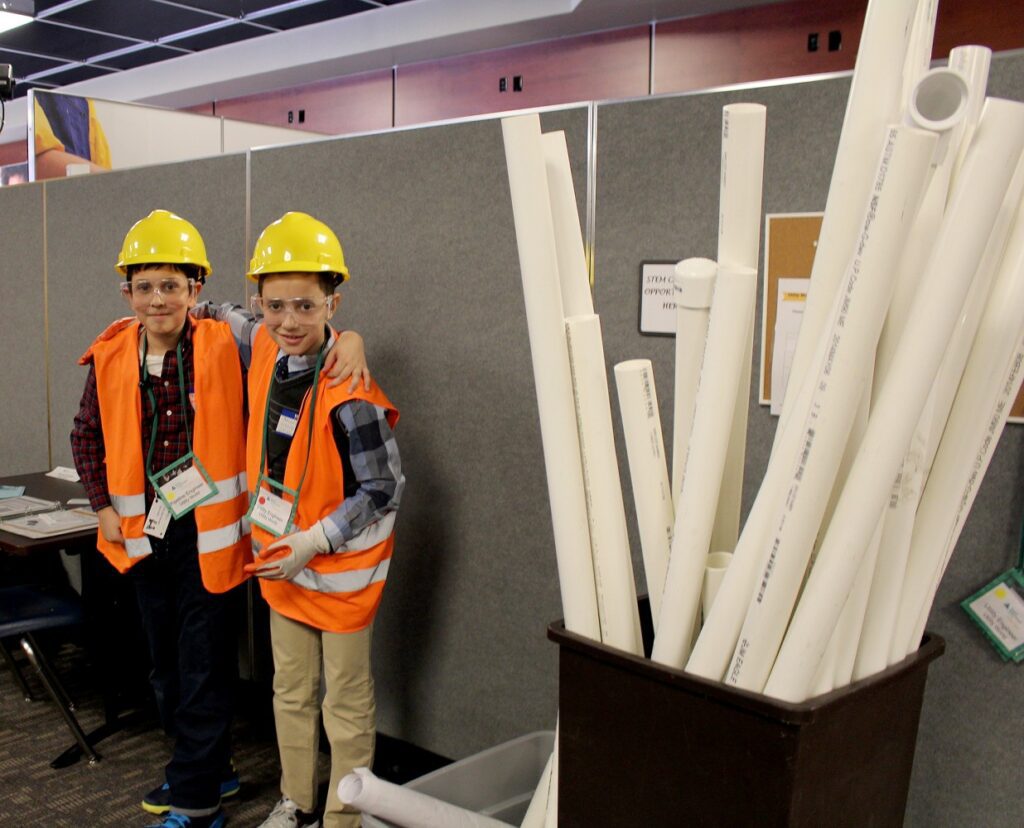
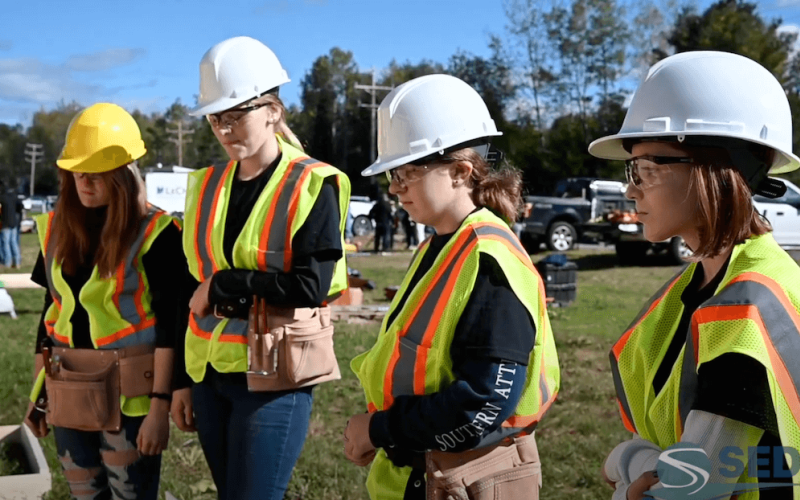
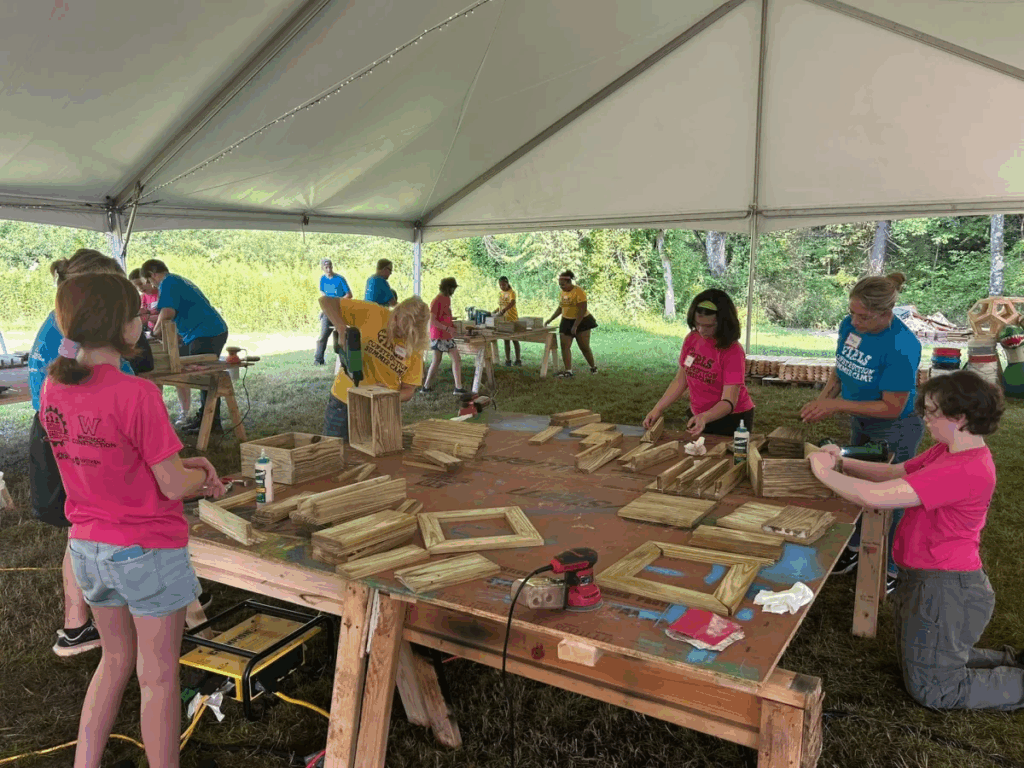
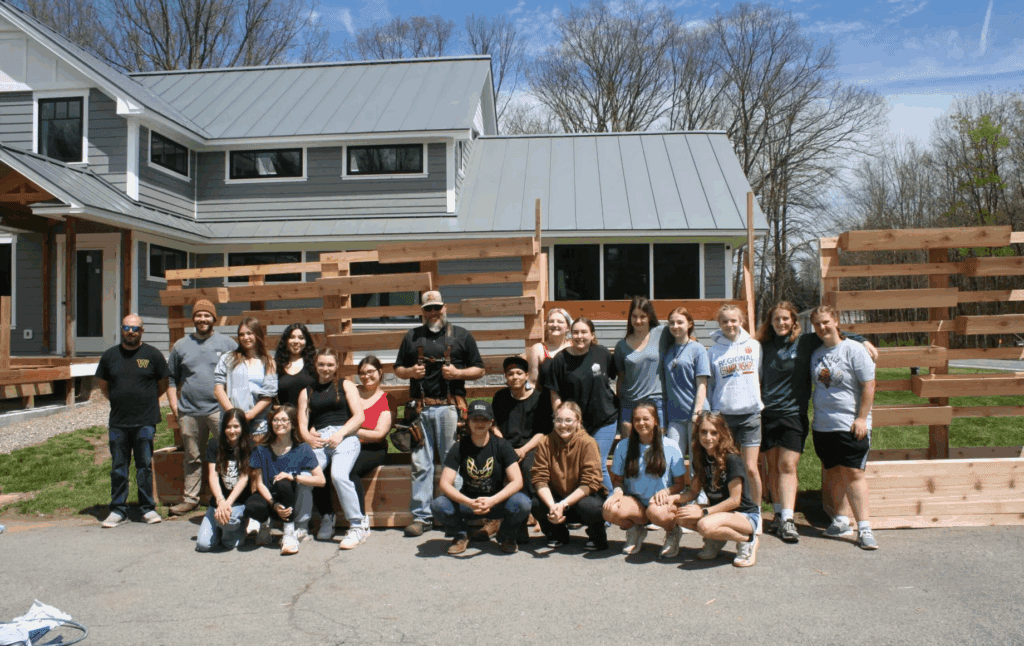
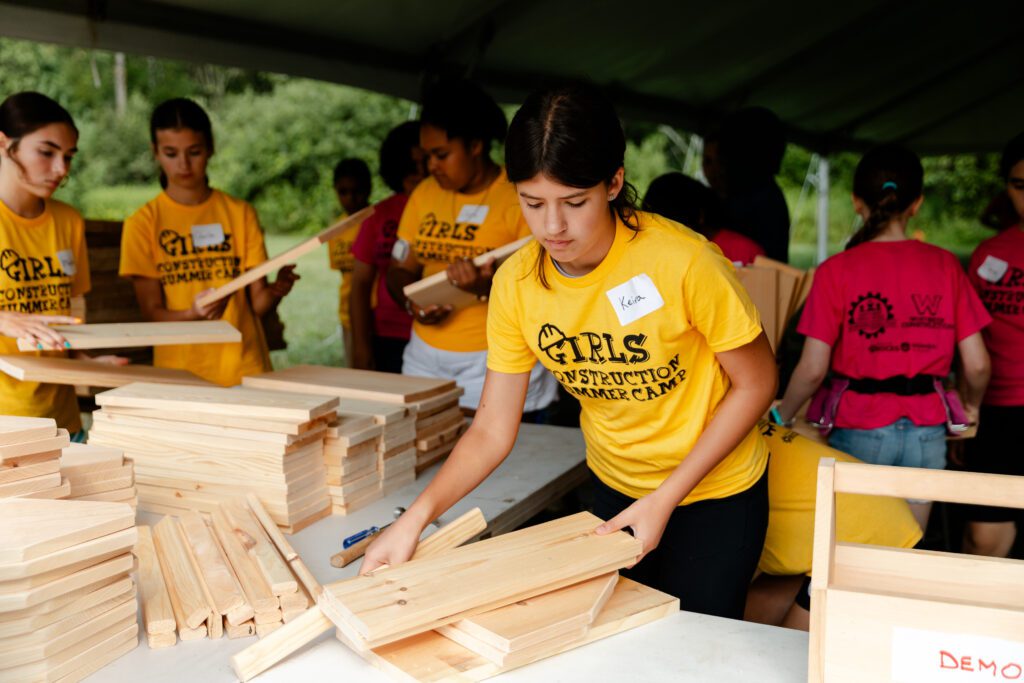
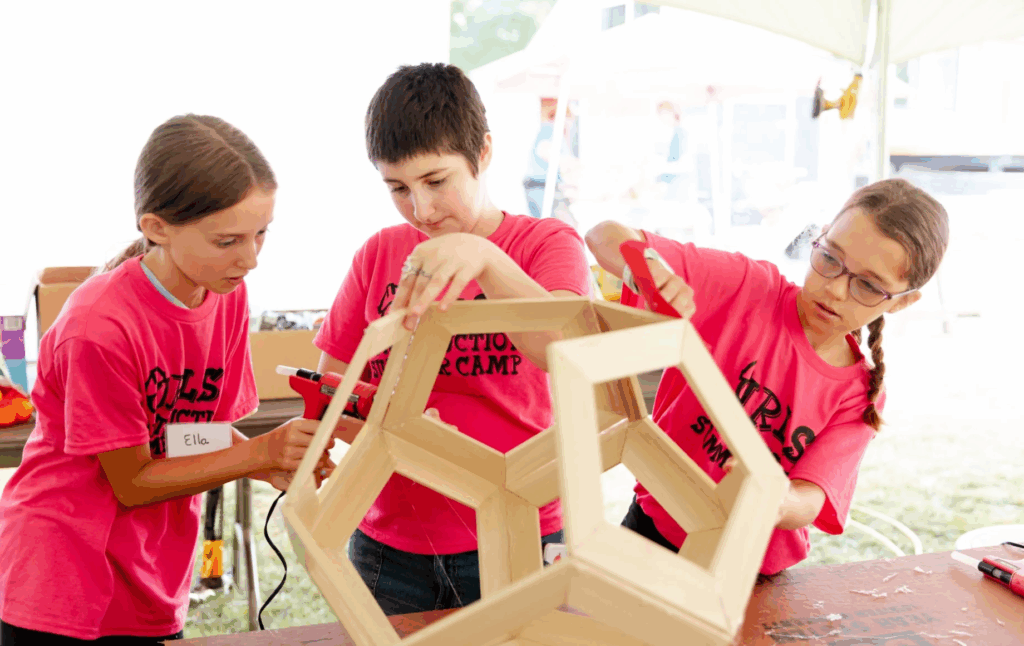
The hum of saws, the clatter of hammers, and the laughter of young voices filled the Whitbeck Construction Education Center in Gansevoort, New York this summer. What might sound like just another week in the life of a bustling construction shop was, in fact, something far more extraordinary: the Northeast Construction Trades Workforce Coalition (NCTWC), in partnership with Whitbeck Construction and WSWHE BOCES, proudly wrapped up another highly successful Girls Construction Summer Camp.

For two week-long sessions, from July 21–25 and July 28–August 1, middle school girls in grades 6 through 8 discovered that construction isn’t just about tools and materials—it’s about confidence, teamwork, and a future filled with possibilities.

Breaking Barriers in the Trades

Nationwide, only 11% of the construction workforce is female. That number speaks volumes about the hurdles young women face in imagining themselves in hard hats and steel-toe boots. The Girls Construction Summer Camp is designed to change that narrative. By giving girls hands-on opportunities to learn, build, and explore, the camp helps dismantle stereotypes and opens the door to careers too often overlooked.

“This camp is all about opening doors and driving awareness,” said Doug Ford, co-founder and President of NCTWC. “Every year we see the transformation—girls who come in unsure of themselves leave with confidence, skills, and the realization that they can succeed in this industry. That is the heart of what this program is about.”

From Toolboxes to Teamwork

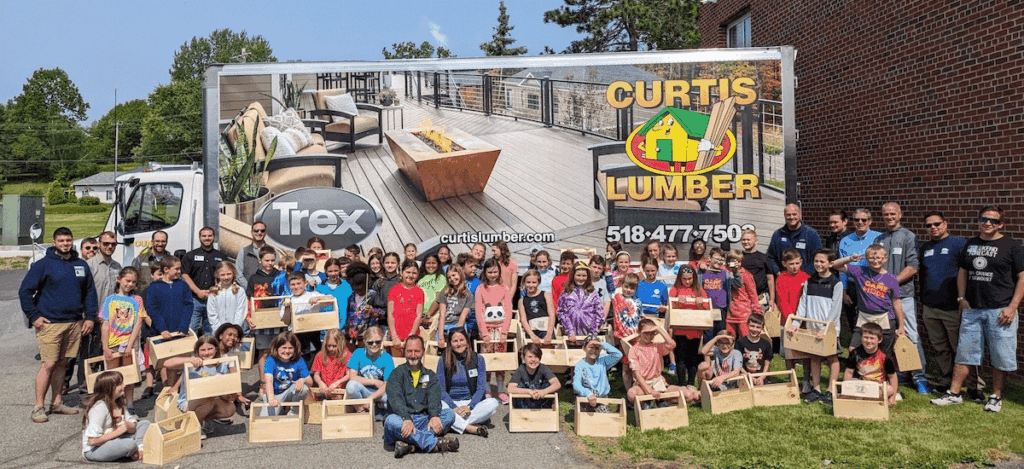
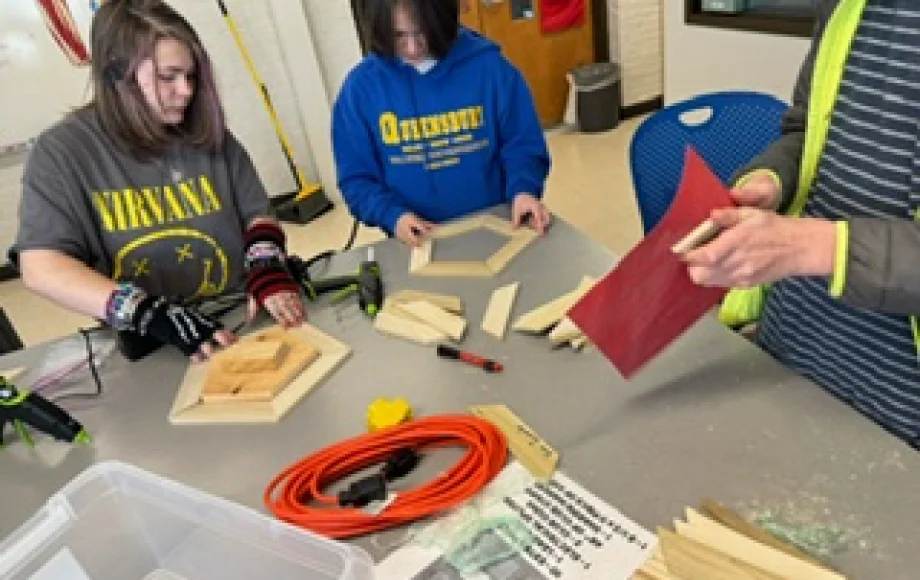
Over the course of the camp, participants didn’t just observe construction—they lived it. They learned how to safely handle tools, apply math and science in practical ways, and build projects they could proudly carry home: toolboxes, benches, even Adirondack chairs.

Beyond the workshop, the camp extended learning into the community. Construction site visits and business field trips gave campers an inside look at what a future in the trades could mean, from project management to skilled craftwork. For many, it was the first time they had ever imagined themselves not just holding a hammer, but leading a team or running a job site.

And then there was the Construction Olympics. Equal parts fun and skill test, the event had campers working together to showcase what they’d learned—sparking both camaraderie and confidence.
A Coalition with a Mission

The Girls Construction Summer Camp is just one example of the Northeast Construction Trades Workforce Coalition’s growing impact. Founded by Doug Ford and Pam Stott (formerly of Curtis Lumber), the coalition became a 501(c)(6) not-for-profit in 2023 with a mission to strengthen the skilled trades workforce pipeline. By partnering with businesses, educators, and industry leaders, NCTWC is building programs that prepare tomorrow’s workforce today.

Since its founding, the coalition has rapidly expanded its outreach, establishing itself as a hub for workforce development in the region. The Girls Camp shines as a testament to what can be achieved when industry and education come together with a shared purpose: to inspire and equip the next generation of builders.

Building Futures, One Summer at a Time

For the girls who participated, the impact goes far beyond the projects they built or the skills they practiced. Many walked away with something even more valuable: the belief that they belong in construction. That realization could be the spark that changes the trajectory of their education, their career path, and, ultimately, the industry itself.

The Girls Construction Summer Camp is more than a summer program. It is a statement of possibility, a reminder that when opportunity meets encouragement, new futures can be built. The Northeast Construction Trades Workforce Coalition is not only filling a labor need—it is rewriting the story of who gets to wear the hard hat, hold the blueprint, and lead the team.

And if this summer’s camp is any indication, the future of construction looks brighter, stronger, and far more inclusive than ever before.

Micro‑Magic in Chattanooga: How a Former Pro Hoops Star Is Rewriting Affordable Living

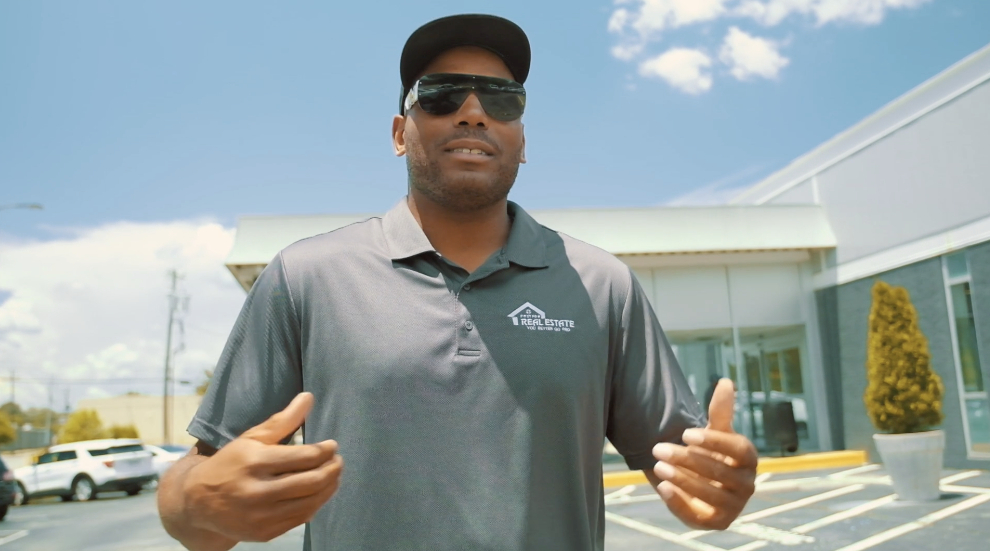
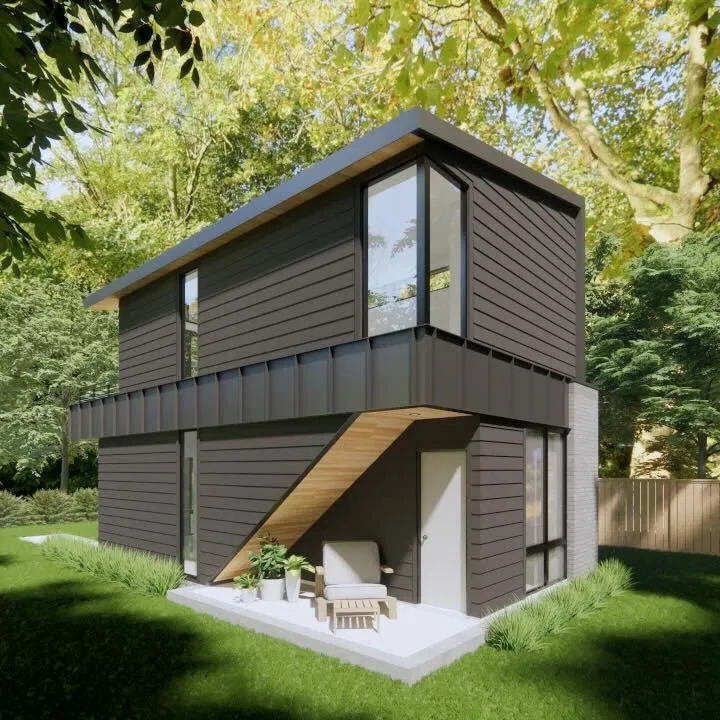
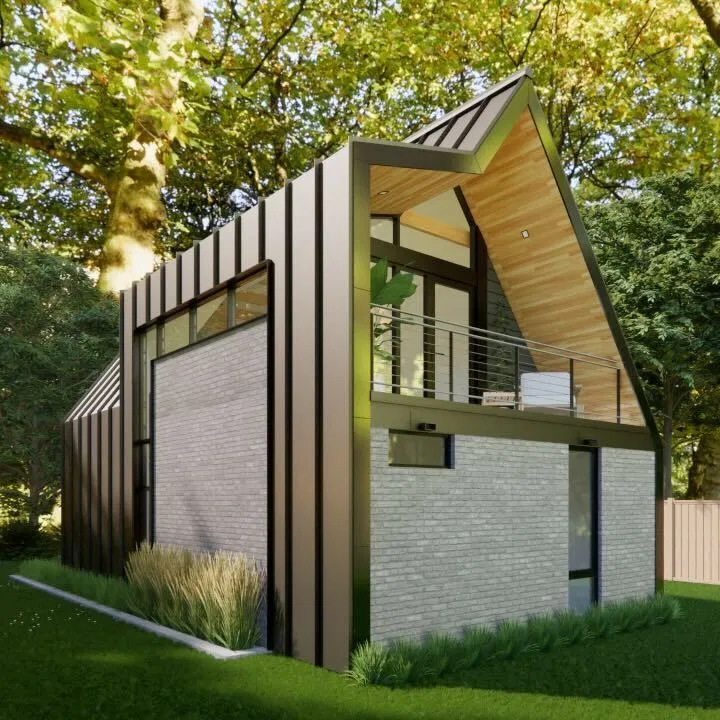
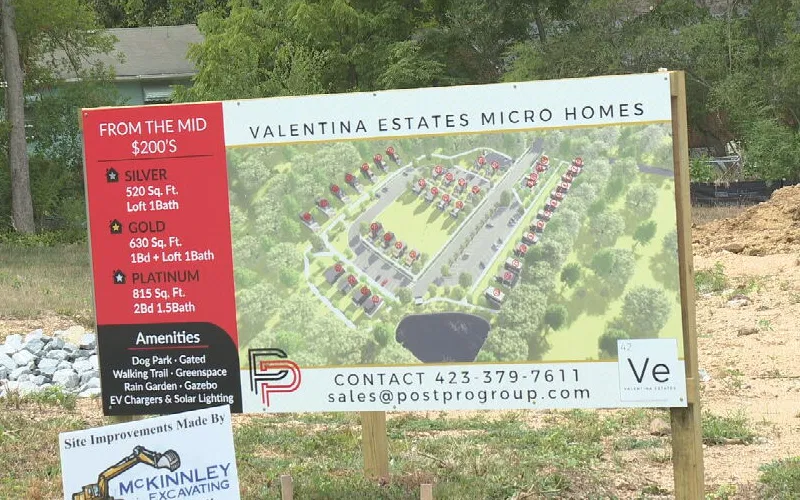
Imagine this: 42 sleek, modern micro‑homes quietly springing up in East Chattanooga—affordable, sustainable, and community‑centered. Welcome to Valentina Estates, the first project of its kind in Tennessee, spearheaded by none other than former pro basketball player Rashad Jones‑Jennings. A true hometown hero, he’s swapping arenas for architecture, and the results are stunning.

Rashad Jones‑Jennings

At a $12 million investment, Jones‑Jennings is building each home for under $300,000—a sharp contrast to Chattanooga’s average home price of roughly $326,279. These aren’t just smaller homes; they’re thoughtfully designed spaces meant to bring dignity and affordability to buyers who’ve “done everything right”—yet still struggle to reach that next price tier.

“I grew up on the west side,” he shares, “and I don’t think that model works. You put everybody that’s in survival mode in one area.” For Jones‑Jennings, this isn’t gentrification—it’s revitalization. He’s not tearing down Grandma’s house and pushing neighbors out. Instead, he’s upgrading the area’s infrastructure and preserving its character.

Locals are understandably mixed. Some worry about increased traffic, while others feel hopeful—finally, a development that speaks to the community, not over it. “We gathered the neighborhood up… we talked about what it would actually do for the community,” one resident said.

Chattanooga officials clarified that the city doesn’t subsidize Valentina Estates—it’s market‑rate housing priced at a level that someone earning 80% or less of Area Median Income could manage, spending no more than 30% of their income on housing.

But this is bigger than bricks and mortar. Jones‑Jennings sums it up best: “I wanted to see the people around me win as well.” And if all goes to form, families could be moving in as early as 2026.

Valentina Estates is the perfect blend of purpose and practicality—a project built by a local legend who knows the neighborhood because he is the neighborhood. With affordability, design, and community at its core, this micro‑home community may just be the blueprint Chattanooga—and cities like it—needs.

This article is based on “Chattanooga gets ready for first micro‑home community, led by former pro basketball player” by Sarah Hower for WTVC NewsChannel 9

From Vision to Victory: The Essential Role of Advisors in Modular Factory Startups

Designing and building a modular factory has never been more exciting—or more accessible. In fact, it seems like every month a new team of consultants pops up, ready to help bring someone’s offsite vision to life. These firms range from solo operators to full-service companies with slick presentations, clever branding, and blueprints to make your dream factory rise from the ground with robotic arms, digital twin models, and gleaming production lines.

But here’s the question too few dreamers ask before they start spending real money:
Does your dream actually have a chance of becoming a sustainable business?

Most consultants you hire to design and build your factory will do exactly what you pay them for—design and build your factory. What they won’t do is tell you whether that factory has even a fighting chance to turn a profit. That’s not in their scope. Their job is to make your vision a physical reality. But maybe—just maybe—that vision needs a reality check before anyone draws up a floorplan or collects a deposit.

Let’s say five developers have promised they’ll buy from your future factory. That’s a nice start, but have you asked yourself: what happens after their first orders? Is there a long-term market for your product? Do you have a plan for when interest rates spike or city zoning shifts or a promised housing development gets delayed by a year?

Too many first-time factory founders get swept up in the excitement of creating something physical and forget the equally important (and less glamorous) business side:

  • Have you run the hard costs of your factory against per-module or per-square-foot pricing?
  • Do you know your daily overhead once you’re operational?
  • Can your region supply the skilled labor your factory will require?
  • What about transportation—will you ship using tired, outdated carriers with worn-out axles or invest in modern carriers that cost upwards of $110,000 each?

We live in a time where you can simulate your entire factory with AI before you ever pour a slab. Yet most founders skip this step. Why? Because they’re busy talking to consultants about line layout, equipment purchases, and vendor contracts.

The smart entrepreneurs—those who last longer than the factory grand opening—start by running simulations, talking to real-world advisors, checking market saturation, and analyzing their pricing model. Only then do they bring in the factory builders.

Consultants are often paid to fulfill a scope of work—usually something tangible like design, buildout, or startup support. When they’re done, they move on to the next client. And they’re often already working the pipeline looking for their next big fish.

Advisors, on the other hand, aren’t there to build your factory—they’re there to help you build a better business. They ask the hard questions. They push you to examine your assumptions. They may even tell you your idea needs more work before you go any further. That kind of honesty can save you hundreds of thousands of dollars.

It’s not that consultants are bad. Many are excellent. But hiring one before doing your strategic homework is like building a luxury home on unstable ground. The framing may be perfect, but it won’t last if the foundation can’t support it.

Here’s the question every aspiring modular factory founder should ask:
If I build this, will it survive long enough to make a profit—or am I building something beautiful that no one will need in three years?

With the explosion of modular and offsite factories opening in the next few years—especially in the “affordable housing” sector—you have to ask yourself: how many will still be standing, and thriving, by year four?

It’s okay to dream. In fact, we encourage it. Just make sure someone is helping you connect that dream to a viable, profitable plan—before the consultants arrive with floorplans and equipment lists.

If you want to talk to someone who can help you ask the right questions first, Offsite Innovators is here. The right advice at the right time could be the difference between a dream realized and a factory failure.

An Innovative Future for Bricks: How Coffee Grounds Could Transform Construction

When you finish your morning espresso, the last thing on your mind is what happens to those spent coffee grounds. Most of us assume they vanish into the trash, destined for landfills. But what if that leftover caffeine kick could help build your next home or office building? Thanks to groundbreaking research at Swinburne University of Technology in Australia, that’s no longer a wild fantasy — it’s a promising new reality.

Swinburne’s team, led by Dr. Yat Wong, has unveiled an innovative process that turns used coffee grounds into sturdy, low-emission bricks. Their work not only promises a greener alternative to traditional clay bricks but also offers a creative solution to one of the world’s most overlooked waste problems.

Globally, we produce about 10 billion kilograms of spent coffee grounds each year. Most of this aromatic byproduct ends up in landfills, where it releases methane — a greenhouse gas significantly more potent than carbon dioxide. Recognizing both the environmental threat and the untapped potential, the Swinburne team set out to transform this waste stream into something valuable.

The process begins by partnering with local coffee shops to collect the used grounds directly from espresso machines. These grounds are then combined with natural clay and an alkali activator to create a unique mixture. Unlike traditional bricks, which require firing at temperatures around 1,000 degrees Celsius, these coffee bricks are cured at just 200 degrees Celsius. This drastic reduction in heat slashes electricity-related carbon dioxide emissions by up to 80% per brick.

But sustainability isn’t the only win here. Swinburne’s coffee bricks are faster and cheaper to produce than conventional clay bricks. The lower curing temperatures mean factories consume less energy, cutting production costs while reducing their environmental impact. Plus, each brick effectively locks away what would otherwise be a potent source of methane.

From a performance standpoint, the results are equally impressive. According to Swinburne, these bricks exceed Australia’s minimum construction strength standards by roughly double. That means they aren’t just an eco-friendly novelty — they’re a genuine contender for mainstream construction applications.

The innovation has already taken a big step toward real-world use. In a move that signals serious commercial potential, Swinburne recently signed an intellectual property licensing deal with Green Brick, a company focused on sustainable building materials. This partnership will help scale production and move these coffee-infused bricks from the laboratory into the marketplace. Soon, we may see office buildings, apartment complexes, and even single-family homes built with the remnants of our morning brew.

This development is part of a broader global push to find circular economy solutions within construction — a sector that accounts for nearly 40% of global carbon emissions. By finding creative ways to reuse materials, researchers and entrepreneurs are reshaping what our buildings are made of, and how we think about waste.

Beyond environmental benefits, this project also offers a compelling economic argument. Coffee shops gain a sustainable disposal solution, brick manufacturers save on energy costs, and developers can market their projects as green and forward-thinking. It’s a rare case where environmental responsibility and business efficiency go hand in hand.

From Coffee to Concrete: Turning Everyday Waste into Tomorrow’s Building Material

As cities worldwide grapple with the urgent need to cut emissions and move toward net-zero goals, innovations like Swinburne’s coffee bricks show us that solutions can come from unexpected places — even your local café. Each espresso, latte, or flat white you enjoy could contribute to the walls of future homes and offices, closing the loop on a daily ritual most of us take for granted.

For now, the next time you sip your morning coffee, imagine a future where that leftover sludge isn’t just waste but the foundation of a more sustainable world. With visionary research and practical partnerships, Swinburne University of Technology has turned an everyday habit into a bold step forward for construction — one cup at a time.

Coastal Modular Innovation Meets Coastal Confidence

When rising sea levels and intensifying hurricanes threaten to wash away our coastal dreams, Seasafe Homes stands as a powerful beacon of innovation. Based in Tampa Bay, Florida, Seasafe isn’t merely building homes — they’re creating a new standard of resilience, speed, and energy efficiency designed to thrive where others buckle. This is more than a company; it’s a movement to redefine what it means to live on the coast, blending modern modular technology with timeless coastal charm and a purpose-driven mission.

Ask any Floridian: the coast is as beautiful as it is unpredictable. Seasafe Homes takes this challenge head-on, creating structures designed to withstand wind speeds up to 180 mph — a rating that meets and even exceeds Miami-Dade’s most stringent codes. At the heart of this strength is a full box-frame modular construction, which creates a rigid and unified structure that resists twisting and shifting during storms.

Unlike traditional stick-built houses that rely on piecemeal framing on-site, Seasafe’s approach is methodical and robust from day one. The walls and roofs are engineered using 2×6 studs and upgraded sheathing, adding extra layers of security. Elevated solid masonry foundations keep these homes above potential flood levels, safeguarding both the structure and the precious memories inside.

When these modules arrive on site, they’re craned into place with precision, instantly transforming an empty foundation into a fully enclosed, hurricane-hardened fortress. For homeowners in hurricane-prone areas, this isn’t just a selling point — it’s a life-saving feature.

Speed is critical, especially when dealing with unpredictable weather patterns and a tight housing market. Seasafe’s BuildFast process flips the traditional homebuilding timeline on its head. While coastal homes typically take a year or longer to complete — often plagued by weather delays, material shortages, and labor hiccups — Seasafe offers a dramatically faster alternative.

Their process is brilliantly simple and highly effective. While the foundation work is underway on-site, your home is being simultaneously constructed inside a climate-controlled factory. By the time the foundation is ready, your modules are already complete, waiting to be delivered and set.

From initial design to final move-in, homeowners can expect the entire process to take around six months. This streamlined approach not only saves time but also minimizes the overall disruption and uncertainty that come with building a new home near the water. For many, it means getting out of temporary rentals or short-term accommodations sooner, and into a permanent, secure home faster.

Seasafe isn’t stopping at simply building strong homes — they’re also committed to building smart, energy-efficient ones. Beginning in 2025, every Seasafe home will be constructed to meet the Department of Energy’s Zero Energy Ready Home (ZERH) standard.

What does this mean for homeowners? These homes are designed to achieve ultra-low energy use, significantly reducing monthly utility bills and environmental impact. Advanced insulation systems, high-performance HVAC, energy-efficient windows and doors, and solar-ready designs are all part of the package.

In a world of soaring energy prices and growing concerns about climate change, these features are more than just marketing talk — they’re a proactive solution to protect your wallet and the environment. Seasafe is essentially future-proofing their homes, making them not only safe during storms but also financially sustainable in the long run.

One of the great misconceptions about modular construction is that it leaves little room for personalization. Seasafe proves this myth wrong in the most beautiful way possible. Their partnership with Affinity and Vantem modular systems allows homeowners to choose from a wide array of finishes, fixtures, and design options.

Want a coastal cottage vibe with whitewashed shiplap walls and crisp blue accents? You can have it. Prefer a modern beach retreat with sleek cabinetry, minimalist lines, and an open, airy floor plan? That’s on the table too.

Unlike many site-built homes where weather delays and on-site errors can compromise design quality, Seasafe’s modules are crafted in a controlled environment, ensuring consistency and precision at every stage. The result is a home that feels uniquely yours without sacrificing the speed and strength of modular construction.

Perhaps the most inspiring part of Seasafe’s story is their commitment to a higher mission. Beyond building homes, they’ve woven generosity and community support into their business model. Seasafe donates 20% of its net profits to Christian ministries and mission-driven projects.

This includes support for local community initiatives, faith-based outreach programs, and broader humanitarian efforts. By choosing Seasafe, homeowners become part of a larger story — one that extends beyond bricks, mortar, and profit margins. It’s about building communities, uplifting lives, and making a tangible impact where it’s needed most.

Coastal areas are under increasing threat from rising sea levels and severe weather events. Meanwhile, housing shortages continue to plague popular waterfront regions. Seasafe steps into this void with a solution that addresses both challenges: durable, storm-resistant homes delivered quickly and designed to reduce long-term energy costs.

For retirees looking to enjoy golden years on the beach, young families seeking security and stability, or investors aiming to develop resilient rental properties, Seasafe offers a compelling option. These homes represent a fusion of safety, sustainability, and coastal beauty — all delivered with predictability and heart.

Seasafe Modular Homes is pushing the envelope, transforming what it means to live — and thrive — on the coast. They’re proving that modular construction isn’t a compromise; it’s a competitive advantage.

With hurricane-hardened engineering, rapid delivery timelines, future-ready energy systems, and a dedication to giving back, Seasafe stands as a model for what the future of coastal housing can and should look like. Their homes are more than just shelters; they’re sanctuaries built on innovation, compassion, and faith.

With Florida beaches constantly challenged by the elements, Seasafe Homes delivers an inspiring answer: strong, beautiful, and ready for whatever the future brings.

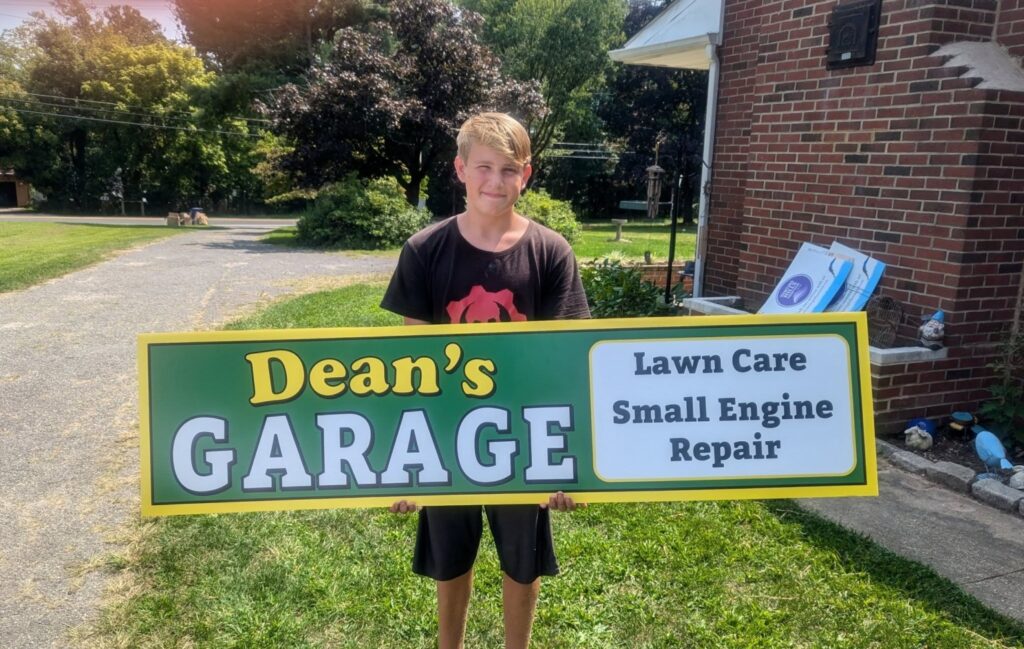
Where Can the Next Generation of Construction Innovators Turn for Help?

After nearly two decades writing about offsite construction and spending even more time in the trenches of the building industry, I’ve come to appreciate something simple but powerful:
The best ideas don’t always come from the top.

They often come from high schoolers, trade students, and college freshmen who see the problems in our industry differently—and aren’t afraid to ask “Why not?”

So, where can these young innovators turn? Here’s what I’ve found:

This is the first support system.
Parents who notice their kid tinkering with CAD programs or 3D printing in the garage should ask, “What would help you take this further?” Teachers who see students excelling in shop class, robotics, or environmental science can help them enter local innovation fairs or apply for grants. One good nudge can change a life.

Yes, they exist—and some of them are fantastic.
These programs offer more than encouragement. They offer real mentorship, funding, and even investor-style pitching experiences for students:

Lemelson-MIT InvenTeams – Up to $10,000 in funding for technical inventions. Real-world problem solving with a teacher-mentor.

LaunchX – A summer entrepreneurship program for high schoolers who want to launch a product or service.

Diamond Challenge (Univ. of Delaware) – Offers cash prizes for high school business pitches with categories for innovation.

Young Entrepreneurs Academy (YEA!) – Helps teens build and launch real businesses with an investor pitch at the end.

These programs aren’t just “pretend business camps.” Many students come out with functioning prototypes, early sales, and connections that last for years.

Our industry isn’t always great at outreach, but we do have a few powerful allies:

NAHB Student Chapters – These are tied directly to the building industry and offer student competitions, training, and trade show access.

SkillsUSA – One of the best programs out there for trades. It builds pride, skill, and innovation across a wide range of disciplines.

ACE Mentor Program – Architecture, Construction, and Engineering mentors team up with students on real design challenges.

ASCE Student Chapters – While more focused on civil engineering, many chapters support innovation challenges and infrastructure design projects.

If you know a student with a passion for building, even if it’s just Minecraft maps right now, these programs can help them connect the dots to a real career—and potentially a real product.

These are the physical playgrounds for innovation:

Fab Labs and makerspaces at libraries or community colleges now come equipped with CNC routers, 3D printers, and design software. Many offer youth memberships or “teen innovation nights.”

These are great places to prototype ideas, meet mentors, and get comfortable failing and trying again.

You don’t have to be enrolled to benefit. Some schools open up their entrepreneur centers, pitch competitions, and prototyping labs to high schoolers through summer programs.

I’ve seen kids build solar-powered models, prefab prototypes, and AI tools for estimating—all before they’ve taken their SATs.

If you’re a parent or teacher reading this, check out what nearby colleges offer.

Don’t underestimate the power of a well-placed video or forum post:

Hack Club and 1517 Fund support young builders and coders with actual money and guidance.

Some kids are raising their first funds through Kickstarter and IndieGoGo—with help from an adult to manage the business side. Others are gaining early attention for construction-adjacent innovations on platforms like YouTube and LinkedIn.

I’ve seen a 14-year-old weld a custom trailer, another turn a shed into a smart home lab, and one who mapped out a fully modular disaster response village on his bedroom floor. These kids need guidance, not limits.

If you’re a parent, teacher, or someone in the building industry like me, your voice matters.
A quick introduction, a “You should talk to this person,” or a “Try entering this challenge” might be all it takes to keep a young person moving forward with an idea that could genuinely change how we build.

Let’s stop treating youth innovation as cute and start treating it as essential.

If you know someone under 21 working on a promising idea in construction, modular housing, or building materials—send them my way. I’ll connect them to someone who can help.

Framing the Future: How BotBuilt’s AI-Powered Robots Are Transforming Offsite Construction

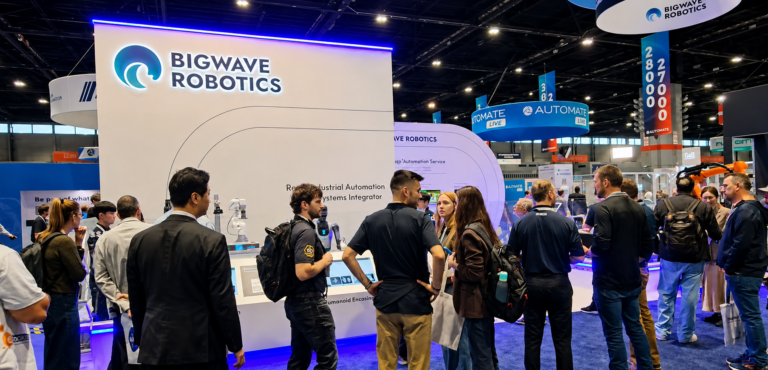
In a quiet corner of Durham, North Carolina, a small team of engineers is quietly working on something that could reshape the future of homebuilding. The company is called BotBuilt, and their mission is simple—but far from easy: use AI-powered robotics to solve one of the biggest problems in construction today—how to build more homes, faster, with fewer skilled laborers, and at a price people can actually afford.

Founded in 2020 by Brent Wadas, Barrett Ames, and Colin Devine, BotBuilt sits at the intersection of advanced robotics and offsite construction. While many startups in the offsite space are tweaking existing systems or trying to reinvent the wheel, BotBuilt is doing something far more radical: it’s building a flexible, intelligent framing system that can adapt to almost any residential home design. And it’s doing it with industrial robots, AI, and a software platform that turns architectural plans into reality.

A New Kind of Framing System

BotBuilt isn’t a component factory in the traditional sense. Builders don’t order from a catalog of panel designs—they send over their house plans. From there, BotBuilt’s software analyzes the plans, converts them into 3D models, and generates instructions for robotic arms. These robots then frame out the home’s walls, floors, and trusses with speed and precision, adapting in real time to the quirks and flaws of real-world lumber.

The company has already completed framing for forty homes and has over 2,000 homes in the pipeline through partnerships with builders. The framing components are created in BotBuilt’s Durham-area facility and shipped to job sites, where on-site crews can quickly assemble them. What would normally take weeks of manual labor can now be completed in just a few hours.

According to co-founder Brent Wadas, the key to BotBuilt’s speed and flexibility is its combination of computer vision and AI. Unlike traditional prefab systems that require perfectly milled lumber or complex, custom jigs, BotBuilt’s robots use AI to adapt to imperfections in materials. That means less waste, fewer stoppages, and significantly lower cost.

Built for Builders, Not Just Techies

At its core, BotBuilt is a service company—not a product manufacturer. Builders don’t need to change their workflow, software, or design preferences. They just send over the plans and get back ready-to-install framing systems. That’s a key difference in a world where many offsite construction technologies require the builder to adapt to the system, not the other way around.

In fact, the founders say they designed the platform specifically to accommodate the variability of the real world. Barrett Ames, one of the founders and a Duke-trained roboticist, first came up with the idea while building his own home and realizing how repetitive—and dangerously inefficient—framing could be. That insight became BotBuilt’s foundation: create a smarter way to do what framers already do, but with robots that can handle more volume, more accurately, and without calling in sick.

Funding, Factories, and the Future

BotBuilt has raised $12.4 million in seed funding from an impressive list of investors, including Y Combinator, Ambassador Supply, Owens Corning, and Shadow Ventures. With that capital, they’ve already opened two factory operations in North Carolina and are expanding their workforce. The team is still small—fewer than 20 full-time employees—but the impact they’re targeting is massive.

Their technology is built to scale. The team envisions a future where BotBuilt-powered micro-factories could exist across the U.S., serving regional markets with customized, just-in-time framing systems. They’re also in early conversations with international partners, including groups in Japan, where space and labor are even more constrained.

Perhaps most important is the promise of cost savings. Traditional framing can cost $4 to $10 per square foot and take weeks—delayed by weather, inspections, or labor shortages. BotBuilt’s system? Roughly $1 per robot-hour and immune to most of the challenges that plague traditional jobsites.

A Solution for Offsite’s Growing Pains

The offsite construction industry has spent years trying to solve its identity crisis: how to balance the scalability of manufacturing with the flexibility that developers and homeowners demand. BotBuilt might just have found a third way—combining the predictability of automation with the adaptability of software-driven design.

Joel Bell, Director

What they’re offering isn’t just a new tool; it’s a whole new framing philosophy. One that turns traditional bottlenecks into programmable tasks. One that removes friction between design and production. And one that gives offsite construction a chance to scale at a pace that meets today’s housing needs—without sacrificing quality or affordability.

As the company continues to grow, the founders say their goal isn’t to replace framers—it’s to empower builders. In a labor market where fewer young workers are entering the trades, BotBuilt’s robots don’t compete with people. They complement them, doing the hard, repetitive work so that human crews can focus on installation, coordination, and quality control.

Our Thoughts

Offsite Innovators will be keeping a close eye on BotBuilt as they continue to scale operations and refine their systems. In an industry often slow to adopt radical change, BotBuilt is a rare example of what happens when vision, technology, and construction experience collide.

If their current trajectory holds, we may one day look back on this small team in Durham as the ones who didn’t just build a robot—but built the future of offsite housing.

Yesterday’s Logic Can’t Solve Today’s Housing Crisis

In the words of Peter Drucker, “The greatest danger in times of turbulence is not the turbulence—it is to act with yesterday’s logic.” Never has that statement rung more true than in the current crisis gripping housing markets across North America. We are living in a time of turbulence: high interest rates, construction labor shortages, bureaucratic delays, NIMBY resistance, and rising material costs. Yet the industry’s response—more of the same—shows a stubborn reliance on outdated systems and thinking that continue to fail us.

Affordable housing isn’t just a buzzword anymore—it’s become an emergency. Cities, developers, and governments agree that something must be done, yet many still try to solve the problem with the same stick-built timelines, zoning restrictions, and approval processes that helped create the crisis in the first place. The result? More reports, more meetings, and more time lost. Meanwhile, working families are being priced out, young professionals are stuck in rental limbo, and entire generations have given up hope of owning a home.

Offsite construction should be the logical answer. Faster, leaner, and more efficient, modular and panelized building methods have already proven they can deliver homes in half the time with fewer on-site delays. But entrenched thinking—yesterday’s logic—keeps this solution on the fringe. City planning offices still don’t know how to permit modular builds without confusion. Financing institutions struggle to understand how to underwrite factories instead of foundations. And builders themselves often hesitate to break from the “we’ve always done it this way” mindset, even as their backlogs grow and their profits shrink.

Here’s the hard truth: sticking with yesterday’s logic is not only slowing down innovation, it’s costing us lives and livelihoods. Homelessness is rising, housing starts are down, and the industry’s skilled labor force is aging out faster than we can replace them. What worked in 1995 doesn’t work in 2025. Drucker’s warning wasn’t about change being dangerous—it was about failing to change when the world demands it.

So what’s next? Embracing today’s logic means training tomorrow’s workforce in factories instead of on scaffolding. It means designing homes for precision manufacturing, not field improvisation. It means aligning public policy with industrialized construction methods, allowing offsite factories to compete on a level playing field. And most of all, it means leaders at every level—from city halls to construction firms—need to stop romanticizing traditional building and start thinking like innovators.

The turbulence is here, and it’s not going away anytime soon. But as Drucker reminds us, turbulence alone doesn’t sink a ship—refusing to change course does.

CONTACT US for offsite construction Advisory

How Reframe Systems Is Disrupting the Construction Status Quo

The construction industry often resists change, but one startup is proving that with vision, engineering, and perseverance, the system can be reimagined—quite literally. San Leandro-based Reframe Systems just won the prestigious 2025 House Building Prize from the Centre for Natural Material Innovation at the University of Cambridge, recognizing their groundbreaking robotic and offsite construction platform. The prize isn’t just a trophy—it’s an acknowledgment that the industry’s old ways are under review, and Reframe’s new approach could be the blueprint for what’s next.

all photos -Reframe Systems

So what makes this company different? The name says it all: Reframe. They’re not tweaking the edges of conventional construction—they’re flipping the entire framing process on its head.

Reframe’s approach is built around a modular panelized wall system that’s designed to work seamlessly with both robotic manufacturing and on-site assembly. Unlike traditional prefab systems that rely on lumber-framed panels or heavy volumetric boxes, Reframe’s solution uses robotically produced steel frames that are precise, scalable, and environmentally considerate.

Each panel is a complete building block—pre-fitted with wiring chases, plumbing paths, and insulation compartments. Their innovative connector system makes field installation as easy as snapping components into place. Think IKEA-meets-industrial-engineering—with a focus on high-performance housing.

The result? Buildings that go up faster, with far less labor, tighter tolerances, and improved energy efficiency. And in an industry currently suffering from a global skilled labor shortage, that’s more than innovation—it’s a lifeline.

Founded in 2022 by a team of software engineers, roboticists, and sustainability advocates, Reframe Systems understood early on that automation had to serve more than just profit margins. Their guiding principle was simple: make housing faster, cheaper, and more sustainable—without sacrificing quality or design.

They began by developing a production system that could combine industrial robotics, AI-driven design software, and advanced materials to streamline every phase of the construction process—from design to delivery. Their factories are essentially smart workshops, where robots build walls that are ready to ship, stack, and install within hours of arriving on-site.

But automation is just the tool. The real value comes from how adaptable the Reframe system is. The panel designs can be configured for multifamily housing, townhomes, ADUs, and even disaster-relief shelters. The platform is scalable, and the technology is open enough to be licensed by other builders—making it possible for developers and general contractors to build more, faster, and with less capital investment than a traditional modular factory.

Winning the House Building Prize from a globally respected institution like the University of Cambridge sends a clear message: Reframe is no longer a “what if”—they’re a “what’s next.”

The Centre for Natural Material Innovation praised Reframe’s “holistic” approach, particularly their use of sustainable materials, efficient structural systems, and their dedication to closing the loop between digital design and physical delivery. The award committee also highlighted the potential impact of the Reframe System on underserved housing markets and its compatibility with low-carbon building goals.

For an industry often mired in regulatory red tape, outdated practices, and fragmented supply chains, Reframe Systems represents a breath of fresh air—and a technological leap forward.

What Comes Next

With their first pilot projects completed and several partnerships in the works, Reframe Systems is scaling up production and actively seeking collaborators. Whether you’re a developer, housing nonprofit, modular factory owner, or investor looking for the next big thing in offsite innovation—this is a company to watch.

As we continue to explore the innovators shaping tomorrow’s built environment, Reframe Systems reminds us that the future of construction doesn’t need to be built from the ground up—it can be snapped together, robotically manufactured, and radically reimagined.

Learn more at: www.reframe.systems


Offsite Innovators is dedicated to spotlighting the people, products, and platforms redefining how we build. Want your innovation featured? Contact us.

Building Smarter, Faster, Greener: How CertainTeed’s ONE PRECISION ASSEMBLIES™ Is Transforming Home Construction

CertainTeed stands out as a pioneer, especially with its innovative ONE PRECISION ASSEMBLIES™ (OPA™) system. This cutting-edge approach to building is redefining efficiency, quality, and sustainability in residential construction.​

photos – OPA™ system

Understanding ONE PRECISION ASSEMBLIES™

Introduced in March 2023, the OPA™ system offers fully constructed wall, floor, ceiling, and roof panels that are prefabricated in a controlled environment. These panels are tailored to meet specific design requirements and local building codes, ensuring a seamless fit and compliance with regulations.

Key Features and Benefits of ONE PRECISION ASSEMBLIES™

1. Speed and Efficiency: Build Faster, Smarter

Traditional construction is often a game of waiting—waiting for subcontractors, waiting for materials, waiting for good weather. ONE PRECISION ASSEMBLIES™ flips the script. Because the components are built in a factory-controlled environment, multiple stages of construction happen simultaneously instead of sequentially. While a builder is preparing the site or pouring a foundation, the wall, roof, floor, and ceiling panels are being manufactured with precision.

.

Once delivered to the site, the real magic happens: panels are craned into place and connected, allowing a home to be dried in within just 1–3 days. This rapid assembly process drastically reduces construction schedules, slashes labor costs, and gets homes to market faster—a big win in today’s competitive housing environment.

2. Quality and Precision: Built in a Factory, Not in the Mud

Building on-site always comes with a margin of error. Weather can affect material quality, subcontractor turnover can lead to inconsistent workmanship, and site conditions are rarely perfect. With OPA™, every component is built indoors using digital plans, automated tools, and trained technicians. That means tighter tolerances, better quality control, and fewer on-site surprises.

Each panel arrives straight, dry, and ready to install—no warped studs, no waiting for inspections before you can move to the next phase. This also helps eliminate time-consuming rework, which is one of the most expensive and frustrating aspects of traditional construction.

3. Energy Efficiency and Sustainability: Designed for Performance

One of the standout features of ONE PRECISION ASSEMBLIES™ is its built-in energy performance. Each panel comes with a “Performance Core” designed to meet or exceed energy codes in your region. This includes advanced insulation, moisture barriers, and air sealing—components that are difficult to install correctly on-site but easy to control in a factory.

For homeowners, this means lower energy bills, improved indoor air quality, and reduced maintenance from moisture-related damage. For builders, it simplifies the path to energy-efficient certifications such as ENERGY STAR, LEED, or local green building codes. It also aligns with broader sustainability goals, cutting job site waste and reducing the carbon footprint of each project.

4. Design Flexibility: Not One-Size-Fits-All

One of the misconceptions about panelized construction is that it limits architectural creativity. Not so with CertainTeed’s OPA™. These panels can be customized to fit a wide range of designs—from single-family homes to multifamily buildings and everything in between.

The exterior finishes are also flexible. Builders can choose from CertainTeed’s extensive catalog of siding and roofing products, including Monogram® vinyl siding for a classic look or Landmark® shingles for durability and curb appeal. This allows builders to maintain their brand identity and deliver on customer expectations—while still reaping the benefits of prefabrication.

5. Risk Mitigation: Fewer Surprises, More Control

Construction risk often comes from two places: unpredictable weather and unpredictable people. When you build outdoors with dozens of moving parts, it’s easy for timelines to stretch and budgets to swell. With OPA™, risk is significantly reduced.

Factory-made assemblies mean consistent timelines and reliable quality. Fewer trades are needed on-site, which reduces coordination challenges and liability exposure. Plus, since much of the building envelope is constructed in advance, there’s less opportunity for design drift, miscommunication, or scope creep. Developers and general contractors appreciate the predictability, and lenders and investors love the reduced financial uncertainty.

A Holistic Solution for Modern Builders

What makes CertainTeed’s ONE PRECISION ASSEMBLIES™ truly stand out is that it isn’t just a product—it’s a complete building solution. From the design phase to delivery and installation, the OPA™ system is engineered to bring together speed, accuracy, performance, and style in a single streamlined process. It takes the best of offsite construction—efficiency, precision, and innovation—and applies it to real-world building challenges without asking the builder to compromise on design or function.

In a time when skilled labor is scarce, housing demand is high, and environmental performance is more important than ever, solutions like OPA™ offer a path forward that makes sense for the industry—and for the planet.

Industry Recognition

The National Association of Home Builders (NAHB) recognized the innovative nature of OPA™ by awarding it the Offsite Construction Award for Innovative Product or Service in 2023. This accolade underscores CertainTeed’s commitment to advancing construction methodologies and delivering value to builders and homeowners alike. ​CertainTeed+2CertainTeed+2National Association of Home Builders+2

CertainTeed’s ONE PRECISION ASSEMBLIES™ system represents a significant advancement in residential construction. By integrating speed, precision, energy efficiency, and design flexibility, OPA™ offers a comprehensive solution that addresses many of the challenges faced by builders today. As the industry continues to evolve, innovations like OPA™ pave the way for more efficient, sustainable, and high-quality homebuilding practices.​

About CertainTeed

Founded in 1904, CertainTeed is a leading North American manufacturer of building materials for both residential and commercial construction. With a commitment to innovation, sustainability, and performance, CertainTeed offers a comprehensive portfolio of products including roofing, siding, insulation, ceilings, and drywall. As a subsidiary of Saint-Gobain—one of the world’s largest and oldest building materials companies—CertainTeed continues to push the boundaries of what’s possible in modern construction, helping builders and homeowners create high-performing, comfortable, and sustainable spaces. Learn more at www.certainteed.com.