Why Light Gauge Steel Falls Short in Operations That It Should Be Winning
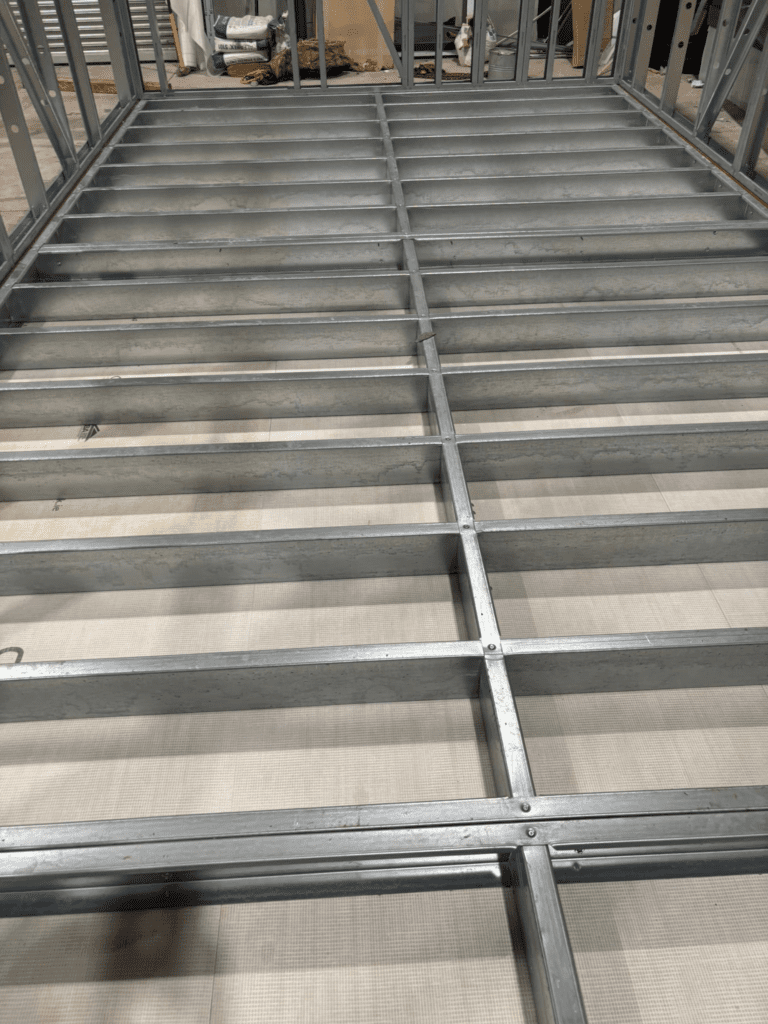
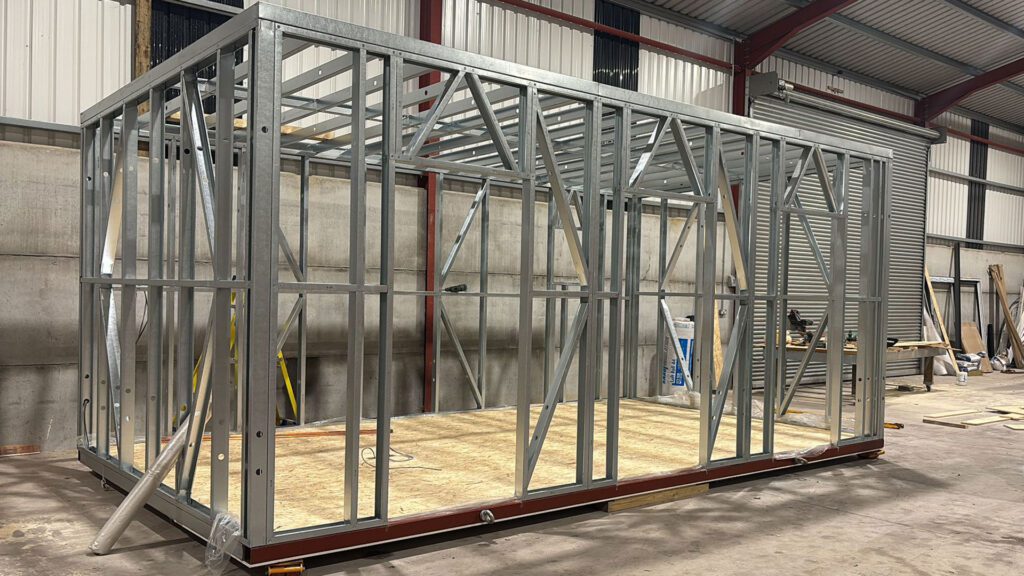
In my recent article on light gauge steel (LGS), I focused on the material itself—its precision, its promise, and why so many see it as a logical step forward for offsite construction.
And in a separate piece, I made a very different point: that culture—not equipment, not systems—is what ultimately determines whether an operation succeeds or struggles.
This article brings those two ideas together.
Because if you’re a developer or investor evaluating LGS, you’re not just choosing a material or a manufacturer.
You’re choosing the environment that has to execute it—day in and day out.
And LGS doesn’t just reward precision—it demands the kind of culture that can consistently deliver it.
THE QUESTION NOBODY WANTS TO ASK
At some point, every developer or investor evaluating LGS has to answer a fundamental question:
Are we selecting a product—or relying on an operation that has to execute it?
It sounds subtle, but it isn’t. If you get that wrong, the consequences don’t show up in theory—they show up in your schedule, your budget, and your confidence in the entire offsite approach.
And by the time they’re visible, they’re rarely small.
PRECISION MATERIAL DEMANDS PRECISION EXECUTION
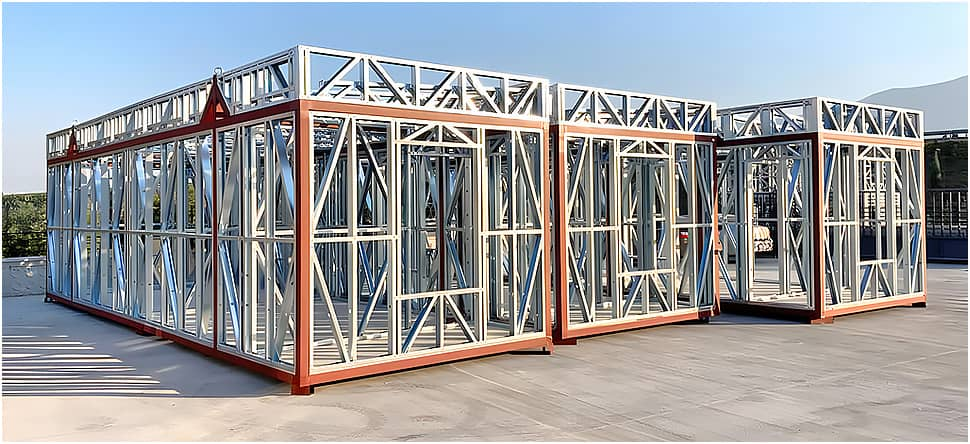
LGS is unforgiving—in a good way. It doesn’t twist like wood or allow for casual correction in the field. It requires discipline at every step, and when that discipline is present, the results can be exceptional.
But that same precision creates risk when the operation behind it is inconsistent.
From a developer’s perspective, that inconsistency shows up in very practical ways: components that don’t align as expected, field adjustments that were never part of the budget, and delays caused by issues that, in a well-run environment, simply shouldn’t occur. What was intended to reduce uncertainty can begin to introduce it.


CULTURE SHOWS UP ON THE FLOOR—NOT IN THE PRESENTATION
Culture isn’t something you evaluate in a conference room or a presentation deck. It reveals itself the minute you park (or try to) at the front office and then on the plant floor.
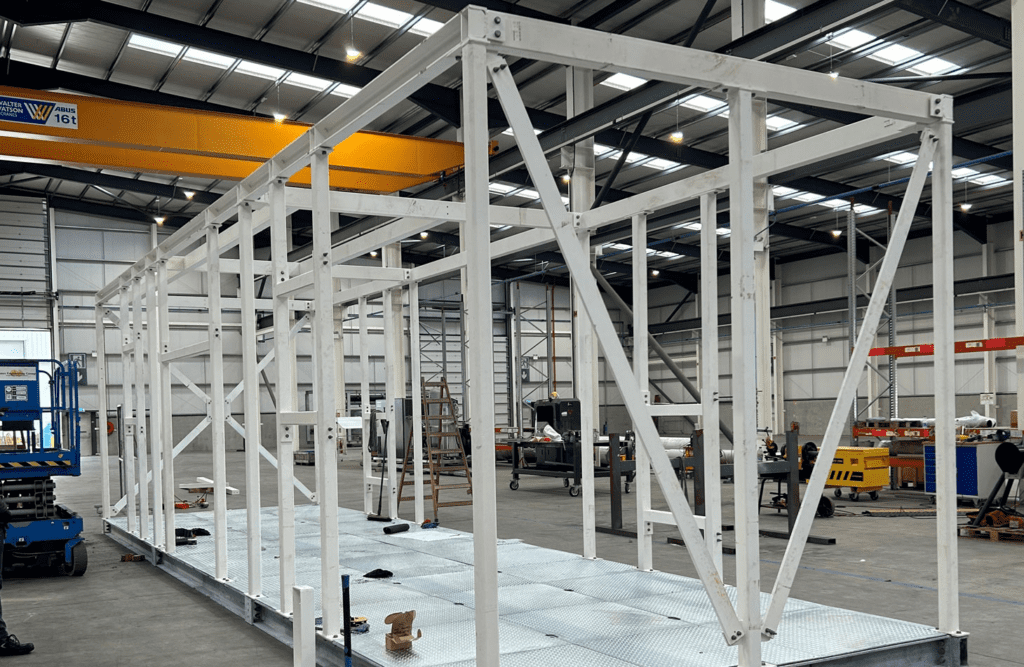
When you walk a facility, the signals are there if you know what to look for. An organized, predictable environment tends to reflect disciplined execution, while clutter, hesitation, or visible rework often indicate the opposite. The difference is rarely cosmetic—it’s operational.
These observations are not subjective impressions. They are early indicators of whether your project will move through production smoothly or begin absorbing hidden costs that were never anticipated.
THE FALSE COMFORT OF “GOOD SYSTEMS”
It’s easy to be impressed by systems—software platforms, automation, and detailed engineering processes. And to be clear, those things matter.
But they don’t guarantee performance.
Systems depend on consistency. If the underlying operation is uneven, the output will be as well—only faster and often at greater cost. Technology can support a disciplined operation, but it cannot create one.
That distinction is where many evaluations go wrong.
WHAT TO LOOK FOR—BEFORE YOU COMMIT
The operations that consistently succeed with LGS are not relying on the material to carry them. Their culture has built a disciplined environment around it.
From the outside, that discipline is visible. You’ll see consistency from station to station, minimal signs of rework or confusion, and a production line that moves with a steady, uninterrupted rhythm. Leadership presence is also telling—when it exists on the floor, not just in meetings, it tends to reinforce accountability throughout the system.
None of this is particularly flashy, but it is highly predictive.
Because what you’re really evaluating isn’t capability—it’s consistency.
WHERE PROJECTS START TO SLIP
This is where developers often get caught.
A facility tour goes well. The equipment is impressive. The presentation is polished. Everything appears to align with expectations.
But the most important question remains only partially answered: can this operation deliver consistently under real project conditions?
When the answer is no, the impact shows up quickly—schedule delays that ripple across the build, costs that emerge outside of original assumptions, and field fixes that gradually erode margin. Individually, these issues may seem manageable. Collectively, they change the outcome of the project.
And eventually, the conclusion becomes that offsite “didn’t work.”
In reality, the system didn’t fail.
The execution did.
SO WHAT ARE YOU REALLY BUYING?
If you’re considering LGS, you’re not just selecting a building method.
You’re selecting an operating environment, a level of discipline, and a culture that must support it.
So the real question isn’t whether LGS works. It’s whether the team behind it operates in a way that allows it to work consistently.
Bill’s FINAL THOUGHT
LGS offers real advantages—precision, strength, and repeatability.
But those advantages are only realized when the people and processes behind the system are aligned with its demands. Without that alignment, the same characteristics that make LGS attractive can quickly turn into sources of friction and cost.
Before you commit to a material or a manufacturing partner, ask yourself—are you confident in the consistency of the operation behind it?
Bill Murray

Bill Murray has over 40 years of operational management experience in the Modular industry. Bill began his Offsite career as a contractor/builder. He then entered the manufacturing side quickly advancing through the sales ranks to become a General Manager/COO of multi plant operations. Bill provides professional advisory service to owners, prospective owners and builder developers considering Offsite construction. He has consulted throughout the U.S., and Mexico, as well as overseas assignments.
If you’re evaluating offsite construction—whether LGS, wood, or hybrid—and want a clear, experience-based perspective before making a commitment, reach out. A short conversation upfront can prevent costly assumptions later.