Highlighting the thinkers and their ideas driving the evolution of Offsite Construction. 
Be inspired, be informed, be innovative!

Are Modular and Offsite Factories Missing Out on the Innovative Power of Data Mapping?

The modular and offsite construction industry has long been celebrated for its efficiency, cost savings, and ability to streamline the building process. Yet, one area where many factories are falling behind is in the collection, analysis, and strategic use of data. As industries worldwide embrace data-driven decision-making, modular factories risk stagnation if they fail to leverage the wealth of information hidden within their daily operations. Are they missing out on the full potential of data mapping, or do they even understand what it could mean for their businesses?

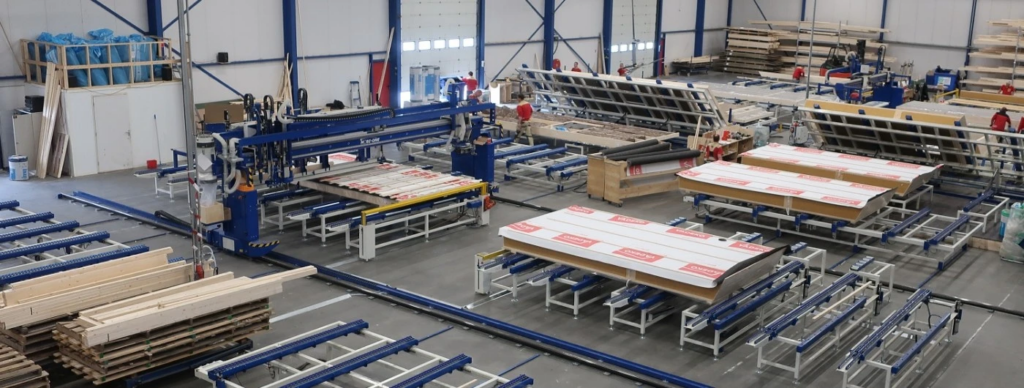
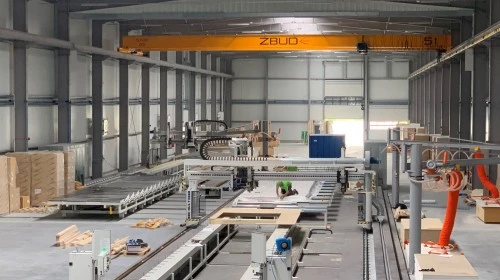
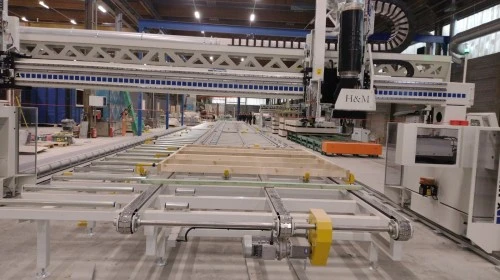
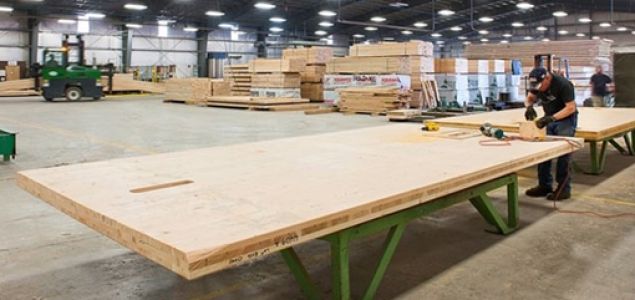
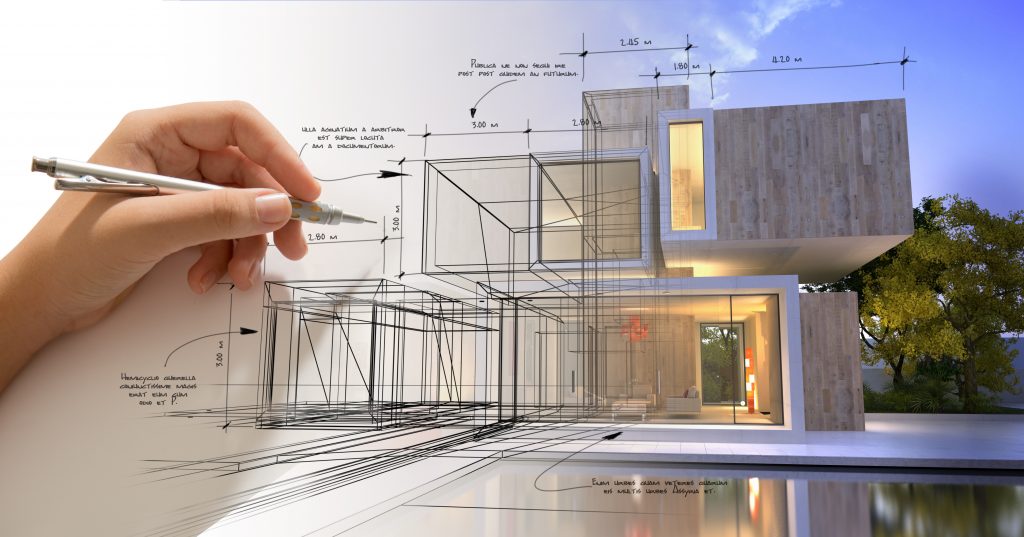
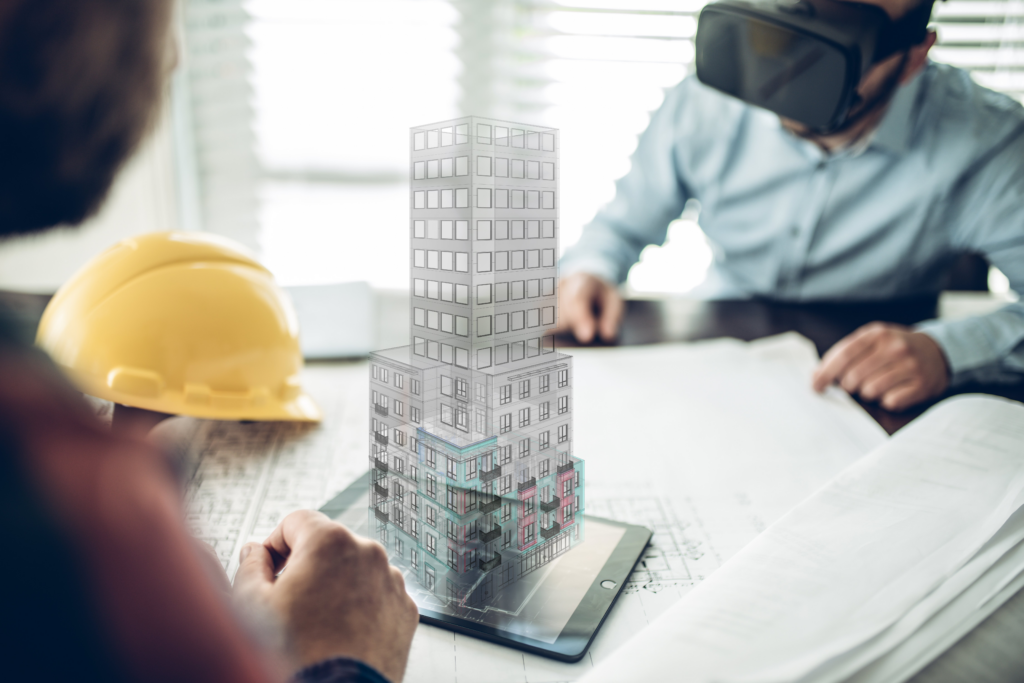
All photos – Modular Building Automation Netherlands

NWhat is Data Mapping?

Data mapping is the process of visually representing information, often in real-time, to help organizations better understand, analyze, and optimize their operations. It involves taking raw data—collected from machines, workflows, materials, and employees—and organizing it into a structured format that highlights inefficiencies, patterns, and opportunities for improvement. In the context of modular construction, data mapping can take many forms, from digital twins that simulate production line efficiency to heatmaps that track material flow within a factory.

.

By integrating technologies like AI, IoT sensors, and advanced analytics, manufacturers can transform scattered data points into actionable insights, allowing them to make informed decisions that improve productivity, reduce costs, and enhance quality control. The key to successful data mapping lies in real-time analysis and the ability to visualize complex processes in a way that is easy to interpret and act upon.

The Reality of Data Collection in Modular Factories

Many offsite manufacturers track basic performance metrics—units per shift, material usage, defect rates—but the way they collect and use this data often remains rudimentary. Traditional factory management has typically relied on static reports, manual tracking, and gut instinct rather than dynamic, real-time data analysis. In contrast, industries like automotive manufacturing have been using detailed analytics and predictive modeling for decades to refine operations, reduce waste, and maximize efficiency.

The question then becomes: why is modular construction not as data-driven? Some factory owners cite high implementation costs as a barrier, while others express skepticism over the value of analytics. For many, data collection remains an afterthought, not an essential part of the production strategy. They may not realize that properly harnessed data doesn’t just provide insight—it can create an entirely new level of operational control and efficiency.

Beyond Spreadsheets: The Potential of Data Mapping

If modular and offsite manufacturers could see their production facilities through a digital lens, would they manage them differently? The concept of data mapping—where information is not only collected but also visually represented in real-time—could transform how factories operate. Imagine a digital twin of a facility where every movement of material, every delay, and every inefficiency is mapped out in a clear, actionable format.

For instance, manufacturers using RFID tags on materials and components could generate heatmaps of material flow, identifying areas where movement is inefficient. AI-powered predictive maintenance could track equipment usage and predict failures before they cause costly downtime. Workflow tracking software could pinpoint bottlenecks, allowing managers to optimize production schedules dynamically.

The technology already exists, but many offsite factories hesitate to implement it. Is it a lack of awareness, a reluctance to change, or simply an industry culture that resists disruption?

What Happens When Data Drives Decisions?

Some modular manufacturers have taken the plunge into data analytics and are reaping the benefits. Factories that have embraced automated tracking systems, digital scheduling platforms, and real-time data visualization report significant improvements in efficiency and cost reduction. AI-driven software is beginning to assist in forecasting demand, optimizing workforce deployment, and even refining modular designs based on historical performance data.

In a world where just-in-time manufacturing and supply chain precision are paramount, factories that refuse to harness the power of data risk being left behind. The modular industry has always prided itself on efficiency—why not take it to the next level by making data an integral part of daily operations?

The Road Ahead: Will Modular Manufacturers Adapt or Lag Behind?

The modular construction industry is at a crossroads. The adoption of advanced data mapping and analytics could usher in a new era of productivity and precision, but it requires a shift in mindset. Factory owners and managers must recognize that data is not just numbers on a screen—it is a strategic asset that can define the future of their business.

Will the industry embrace this opportunity, or will modular factories continue operating as they always have, missing out on the efficiencies that data-driven decision-making can provide? The answer may determine who leads the offsite construction revolution in the years to come.

Gary Fleisher

Contact Gary

Gary Fleisher is the Leading Observer of the Offsite Housing Construction Industries. He has been actively involved in researching and writing about the latest trends and developments in the industry for over a decade now.

With his extensive knowledge and experience, Gary has emerged as a go-to expert for businesses looking to stay ahead of the curve in the modular construction industry. In addition to his work as an editor, he is also a sought-after speaker and consultant who has helped numerous companies achieve strategic and operational success.

Is Timber the Key to Net-Zero Housing?

As the world races to address climate change and the housing crisis simultaneously, an old material is emerging as a modern solution: timber. Long used in construction, timber is now at the forefront of innovative building technologies aimed at achieving net-zero housing. This shift represents not just a return to nature but a revolution in how homes are designed, constructed, and lived in, making timber one of the most promising paths toward a sustainable future.

.

One of the biggest challenges facing the construction industry is the carbon footprint of traditional building materials. Concrete and steel, the backbone of modern construction, are responsible for nearly 40 percent of global carbon emissions. Timber, particularly engineered products like Cross-Laminated Timber (CLT), Glulam, and Laminated Veneer Lumber (LVL), provides a viable alternative by offering the strength of steel and the sustainability of a renewable resource. Unlike concrete and steel, which generate carbon emissions during their production, timber actively removes carbon dioxide from the atmosphere during its growth, locking it away for decades or even centuries when used in buildings. This ability to sequester carbon makes timber a game-changer in the quest for net-zero housing.

.

Another advantage of timber is its lower embodied energy compared to other building materials. The process of harvesting, processing, and transporting wood requires significantly less energy than manufacturing steel or concrete. This energy efficiency translates into a reduced environmental impact, making timber a crucial material in reducing the carbon footprint of new housing developments. Additionally, timber’s natural thermal insulation properties help improve energy efficiency, reducing heating and cooling demands. When paired with high-performance insulation, such as wood-fiber panels, Structural Insulated Panels (SIPs), or hempcrete, timber-framed homes can reach Passive House standards, significantly lowering their reliance on external energy sources.

.

Timber’s versatility extends beyond its sustainability benefits. It is ideally suited for offsite modular and panelized construction, an innovative approach that is revolutionizing the housing industry. Offsite manufacturing allows entire sections of homes to be built in a controlled environment before being transported and assembled on-site, reducing material waste, labor costs, and construction time. Timber-based modular systems, with their precision engineering and lightweight properties, make it possible to construct airtight, energy-efficient homes with minimal environmental disruption. The combination of timber and offsite construction is proving to be a winning formula in delivering high-quality, affordable, and sustainable housing solutions.

Despite its many advantages, timber does face challenges that must be addressed to maximize its potential in net-zero housing. One of the most frequently raised concerns is fire safety. While mass timber products like CLT have demonstrated impressive fire resistance due to their ability to form a protective char layer, some building codes still limit their use, particularly in high-rise structures. Advances in fire testing and updated regulations are gradually overcoming these barriers, paving the way for wider adoption of timber in urban and multi-story construction.

Moisture and durability concerns are also considerations in timber construction. Wood is susceptible to rot, mold, and warping if not properly protected. However, modern treatments, coatings, and careful design strategies are helping to mitigate these risks, making timber as durable as, if not more than, traditional materials in many applications. As more builders and developers gain experience with mass timber, best practices continue to evolve, ensuring long-term performance and resilience.

Another challenge lies in the availability and cost of engineered timber products. While interest in CLT and Glulam has surged, production capacity remains limited compared to traditional materials. This scarcity can drive up costs, making mass timber structures more expensive than their concrete and steel counterparts in certain markets. However, as demand grows and production scales up, costs are expected to decrease, making timber an even more attractive option for net-zero housing projects.

Timber alone, however, is not a silver bullet. Achieving true net-zero housing requires a holistic approach that integrates energy-efficient design, renewable energy systems, and smart technology. Solar panels, advanced HVAC and ventilation systems, and smart building automation must complement timber’s inherent sustainability benefits. When combined, these elements create homes that not only reduce emissions during construction but also operate efficiently throughout their lifespan, minimizing energy consumption and reliance on fossil fuels.

The growing adoption of timber in net-zero housing reflects a broader shift in the construction industry toward innovation and sustainability. Governments, architects, and developers are recognizing the urgent need for carbon-neutral building solutions, and timber is playing a leading role in this transformation. Countries like Canada, Sweden, and Germany have already embraced mass timber construction in residential and commercial projects, setting an example for the rest of the world. In the United States, increasing incentives for sustainable building practices are encouraging developers to explore timber’s potential as a primary material for net-zero homes.

As the construction industry evolves, timber’s role will continue to expand, driven by advancements in technology, improved regulations, and a growing awareness of its environmental benefits. From single-family homes to multi-story apartment buildings, timber is proving to be an essential component of the future of housing. While it may not be the sole answer to net-zero living, it is undoubtedly one of the most promising innovations in sustainable construction, offering a pathway to a greener, healthier, and more resilient built environment.

.

Gary Fleisher

Contact Gary

Gary Fleisher is the Leading Observer of the Offsite Housing Construction Industries. He has been actively involved in researching and writing about the latest trends and developments in the industry for over a decade now.

With his extensive knowledge and experience, Gary has emerged as a go-to expert for businesses looking to stay ahead of the curve in the modular construction industry. In addition to his work as an editor, he is also a sought-after speaker and consultant who has helped numerous companies achieve strategic and operational success.

Innovative Marketing Needs to Come Out of the Closet to Save Your Business

In too many offsite construction factories, financial success rests solely on the shoulders of the sales department. Management clings to the belief that if salespeople just ‘hustle harder,’ everything will work out. Meanwhile, marketing—the one department that could generate a steady stream of pre-qualified leads and build brand authority—is often an afterthought. In some cases, it’s even handed off to the boss’ niece, the receptionist, or the intern, simply because they have a TikTok account.

This outdated approach is a major reason why most offsite factories live paycheck to paycheck, with only a month’s worth of expenses in reserve. Instead of empowering a real marketing strategy, upper management relies on sales teams using decades-old tactics to drive revenue. But in an industry that’s rapidly evolving, this kind of thinking is setting companies up for failure.

In most industries, marketing plays a leading role in customer acquisition, brand positioning, and revenue generation. In offsite construction, however, marketing is often viewed as a ‘nice to have’ rather than a necessity. Many factories invest millions in production lines but balk at the idea of hiring an experienced marketing professional. Instead, they hand marketing responsibilities to someone who knows how to post on social media, assuming that will be enough to generate sales.
The reality? Marketing isn’t just about flashy posts or cute TikTok videos. It’s about driving long-term business growth by identifying target audiences, crafting compelling messages, leveraging data analytics, and optimizing digital outreach strategies. When marketing is left in the hands of someone without expertise, the company’s ability to reach new customers and retain existing ones suffers.
Sales teams often work tirelessly to convert leads into customers, but without a strong marketing strategy fueling that pipeline, they’re left scrambling. The traditional ‘hustle harder’ approach means chasing cold leads, relying on outdated trade show connections, and making endless phone calls to uninterested buyers.

Without marketing providing a steady influx of warm leads, sales teams waste time convincing skeptical prospects who don’t even know why they should care. This results in low conversion rates, inconsistent revenue, and a factory that’s constantly teetering on the edge of insolvency.

Upper management’s resistance to prioritizing marketing comes from deeply ingrained beliefs that have been passed down for generations. The idea that ‘sales drive business, marketing is just fluff’ is an outdated mindset that doesn’t hold up in today’s digital economy.

Factories that refuse to invest in marketing often struggle to:

Differentiate themselves from competitors – Without a clear brand message, customers have no reason to choose one factory over another.

Generate inbound leads – Instead of customers seeking them out, sales teams are forced to do all the work finding potential buyers.

Adapt to market changes – With no marketing strategy in place, companies fail to pivot when economic conditions shift.

If offsite factories want to break free from the constant cycle of financial instability, marketing needs to take center stage. This means hiring experienced marketing professionals who understand the industry—not just assigning it to someone because they have a big Instagram following.

A real marketing strategy includes:

Content marketing – Making sure potential customers find the company online when they search for offsite construction solutions.

Email marketing and lead nurturing – Keeping prospects engaged so they’re ready to buy when the time is right.

Data-driven campaigns – Using analytics to track customer behavior and refine messaging.

Brand positioning – Establishing the factory as a trusted industry leader rather than just another manufacturer.

For too long, offsite factories have placed the entire burden of financial success on sales while treating marketing as a side project. The result? Inconsistent revenue, outdated strategies, and a reliance on the same old trade show handshakes.

If factories want to build a sustainable future, they need to stop delegating marketing to the boss’ niece or the receptionist and start investing in real marketing professionals. Because in today’s fast-moving construction landscape, the companies that embrace strategic marketing will be the ones that survive—and thrive.

Gary Fleisher

Contact Gary

Gary Fleisher is the Leading Observer of the Offsite Housing Construction Industries. He has been actively involved in researching and writing about the latest trends and developments in the industry for over a decade now.

With his extensive knowledge and experience, Gary has emerged as a go-to expert for businesses looking to stay ahead of the curve in the modular construction industry. In addition to his work as an editor, he is also a sought-after speaker and consultant who has helped numerous companies achieve strategic and operational success.

Offsite’s Role Will Change Only Through Innovation!

The offsite construction industry remains at a decades-long crossroads. The dismal market share that offsite has maintained, as in forever, has been stagnant since the proverbial Hector was a pup!  As the saying goes, “When you are standing still you are falling behind.” Climate change appears to have increased the occurrence of devastating natural disasters which has exacerbated the increasing demand for efficient, sustainable, and cost-effective building solutions.   There is a pressing need for fresh ideas and new leaders to become players in the offsite industry, who are willing to challenge the status quo. Along with new leadership would come Innovation. It can’t be just a buzzword—it’s the key to meeting the growing housing demand worldwide.

.

For too many years, offsite construction has operated within a familiar framework, often held back by outdated processes and resistance to change. However, the industry is now beginning to see a shift, driven by entrepreneurs, innovators, and visionaries who recognize that automation, robotics, sustainable materials, and new methodologies can redefine how we build. Much has been learned from outside the US boundaries, but so much more is there to be considered and absorbed.  This next generation of leaders will be the ones who embrace these advancements and push the boundaries of what is possible.

.

Since the inception of our website, we at Offsiteinnovators.com, have been approached by numerous innovators that have given us real hope. Their products, methodologies, and their infectious can-do attitudes have a very realistic potential to carry our industry to new levels. One of the voices emerging in this space is Yudhisthir Gauli, the founder of Framebotix. He is among a new wave of innovators bringing advanced automation, robotics, and much-needed enthusiasm into offsite construction. Gauli believes that “embracing technology is not about replacing people—it’s about making the process smarter, faster, and more scalable.” This mindset reflects a larger industry trend where efficiency and precision are no longer optional; they are essential. His work focuses on optimizing manufacturing environments, allowing factories to operate with unprecedented levels of precision, speed, and flexibility. By developing and implementing autonomous solutions, Gauli has enabled the manufacturing sector to leap forward, enhancing productivity while reducing costs and errors. His plan also significantly reduces the high capital outlay so often associated with manufacturing automation.

Companies like Framebotix along with other forward-thinking individuals and organizations are demonstrating that the integration of automation and AI-driven manufacturing can lead to higher-quality builds, less waste, and shorter production timelines. These are the kinds of changes that could revolutionize how we approach construction in the coming years.

But innovation isn’t just about technology. It’s also about mindset. The industry needs to welcome new talent—people who are willing to ask tough questions and challenge the way things have always been done. Whether it’s through streamlined project management, sustainable materials, or data-driven decision-making, the future of offsite construction depends on a willingness to evolve.

.

The construction sector has long been criticized for its slow adoption of new technologies. However, with increasing labor shortages, rising material costs, and the urgent need for faster housing solutions, the push for innovation is no longer optional. It’s encouraging to see new leaders stepping up, not only to introduce groundbreaking technologies but to reimagine the entire construction process.

The path forward for offsite construction is clear—those who innovate will thrive, while those who cling to traditional methods risk falling behind. The industry needs pioneers who are ready to think differently, collaborate across disciplines, and embrace the tools that will define the future of building. At Offsite Innovators, we will continue to highlight the individuals and companies who are helping to shape this future. The rise of leaders like Yudhisthir Gauli is just one example of how the industry is shifting, and we look forward to seeing more visionaries step up to drive real change in the offsite industry.

.

cid_F65BB783-3048-463D-A8C9-678A698E30CE

Bill Murray

Contact Bill

Bill Murray has over 40 years of operational management experience in the Modular industry.  Bill began his Offsite career as a contractor/builder.  He then entered the manufacturing side quickly advancing through the sales ranks to become a General Manager/COO of multi plant operations.  Bill provides professional advisory service to owners, prospective owners and builder developers considering Offsite construction.  He has consulted throughout the U.S., and Mexico, as well as overseas assignments.

Autonomous Robotics in Modular and Offsite Construction

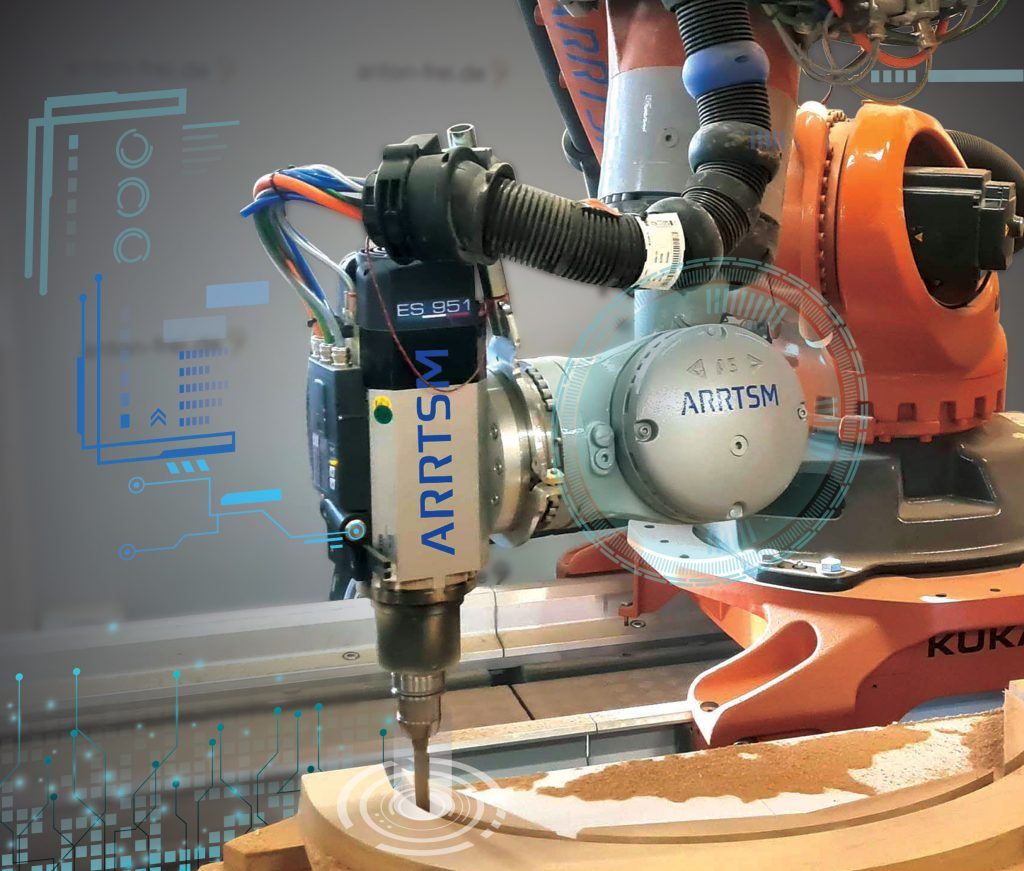
Autonomous robotics refers to robotic systems that operate with minimal human intervention, using artificial intelligence (AI), computer vision, sensors, and machine learning to perform complex tasks. These robots can navigate environments, adapt to changes, and make real-time decisions, significantly enhancing productivity and efficiency in industries like manufacturing, logistics, and construction.

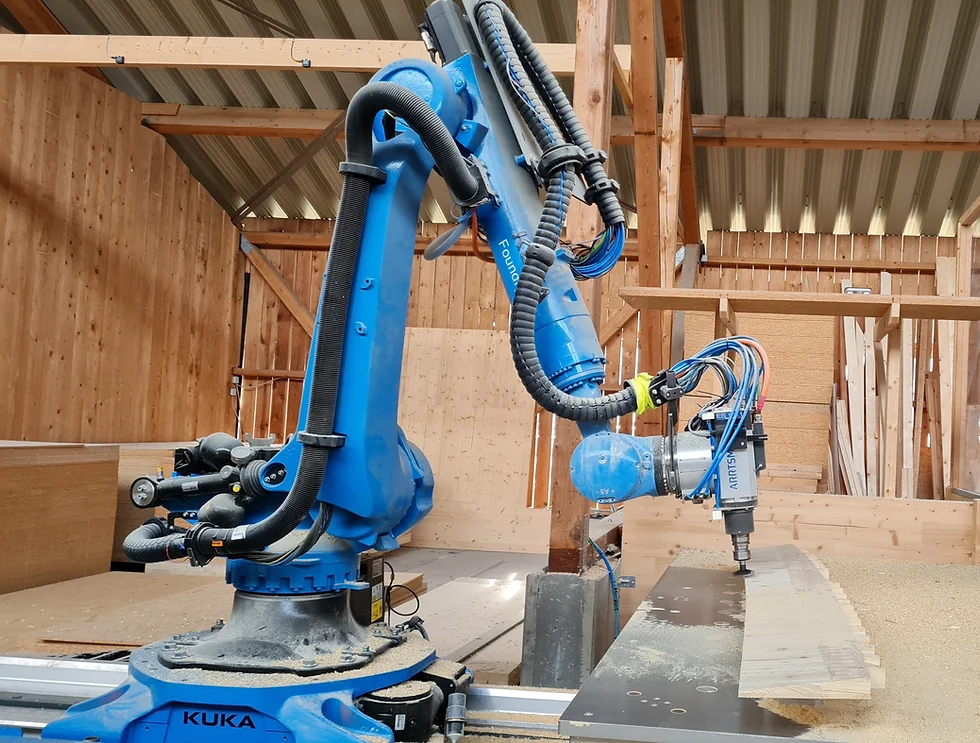
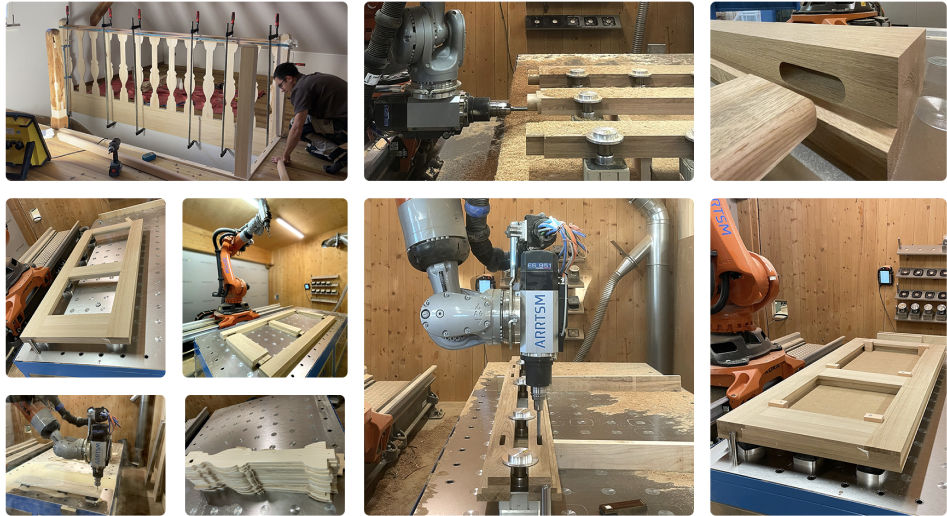
photos – Framebotix

In modular and offsite construction, autonomous robotics is revolutionizing the way building components are designed, fabricated, and assembled. These systems optimize production by:

Automating Repetitive Tasks – Robots can cut, weld, fasten, and assemble components with precision, reducing labor dependency.

Enhancing Quality Control – AI-driven robots use real-time scanning and monitoring to ensure components meet strict tolerances, reducing errors.

Boosting Speed and Efficiency – Autonomous robots work 24/7 with minimal downtime, increasing factory throughput.

Improving Safety – Robots handle hazardous tasks, minimizing human exposure to risks such as heavy lifting or working with volatile materials.

Reducing Waste – Precise robotic cutting and assembly lower material wastage, making production more sustainable.

As modular construction moves toward greater standardization and digitalization, integrating autonomous robotics enables factories to scale production while maintaining high-quality, cost-efficient, and sustainable building practices.

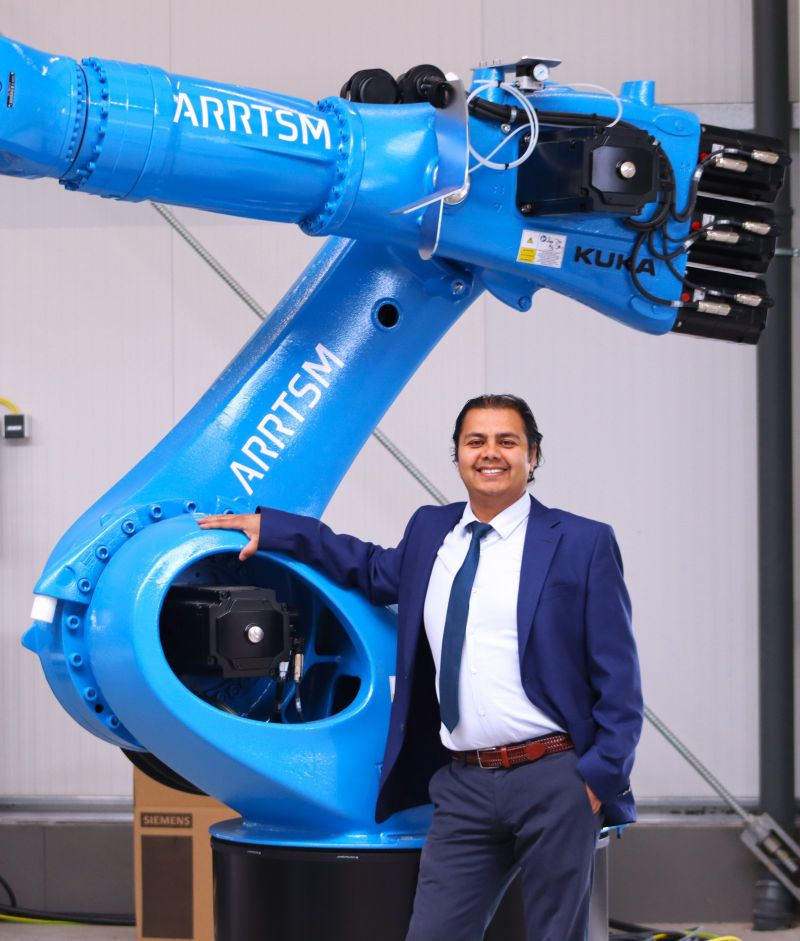
Yudhisthir Gauli, founder and president of Framebotix, is a recognized innovator in applying autonomous robotics to offsite and modular construction. Framebotix is at the forefront of integrating robotic automation, AI-driven fabrication, and digital twin technologies into offsite building manufacturing.

Yudhisthir Gauli, Founder of Framebotix

How Framebotix is Leading the Industry:

Advanced Robotics for Panelized and Modular Construction – The company specializes in robotic systems that automate framing, cutting, and assembly for modular components.

AI-Driven Quality Control – By integrating machine learning with real-time scanning, Framebotix ensures every component meets precise specifications before leaving the factory.

Customization Without Manual Labor – Their robotic solutions allow for rapid design adjustments, making mass customization feasible in modular manufacturing.

Digital Twin Integration – Framebotix leverages digital twins to create real-time virtual models of the factory floor, optimizing production flow and predictive maintenance.

The Future of Autonomous Robotics in Offsite Construction

With industry challenges such as labor shortages, rising material costs, and the need for scalable housing solutions, autonomous robotics—championed by experts like Yudhisthir Gauli and Framebotix—is poised to redefine modular construction. By merging robotics, AI, and digital manufacturing, offsite factories can achieve greater efficiency, precision, and sustainability, paving the way for a more advanced and resilient construction industry.

.

Gary Fleisher

Contact Gary

Gary Fleisher is the Leading Observer of the Offsite Housing Construction Industries. He has been actively involved in researching and writing about the latest trends and developments in the industry for over a decade now.

With his extensive knowledge and experience, Gary has emerged as a go-to expert for businesses looking to stay ahead of the curve in the modular construction industry. In addition to his work as an editor, he is also a sought-after speaker and consultant who has helped numerous companies achieve strategic and operational success.

Samsung’s SmartThings Pro: The AI Innovation That Could Revolutionize Modular Living – with video

Samsung Electronics is advancing the integration of its SmartThings Pro platform into modular homes, aiming to enhance the intelligence and adaptability of living and working spaces. In collaboration with Yoochang E&C, South Korea’s largest modular construction manufacturer, Samsung plans to embed its AI-driven SmartThings Pro technology directly into modular buildings during the production phase.

This initiative seeks to streamline the construction process by incorporating smart home capabilities from the outset, ensuring that all connected devices and systems are seamlessly integrated. The SmartThings Pro platform will manage a range of AI appliances, temperature and motion sensors, smart plugs, lighting, and climate control systems, creating environments that are both intelligent and responsive. By embedding these technologies during manufacturing, Samsung and Yoochang aim to deliver modular homes that offer enhanced efficiency, automation, and user-friendly experiences right from installation.

photo – Samsung Electronics

This collaboration is part of Samsung’s broader ‘Home AI’ strategy, which focuses on extending smart home capabilities into modular buildings. By integrating AI-driven automation and energy optimization, Samsung is reinforcing its position in the growing smart, sustainable housing sector. The company also plans to implement its ‘Net Zero Home’ initiative through this partnership, designing modular homes that generate and regulate their own energy consumption, supporting carbon neutrality goals.

.

Samsung’s SmartThings Pro platform offers customizable Application Programming Interfaces (APIs) for seamless integration into various environments, including residential spaces. It features AI Energy Mode, an intelligent power-saving technology that reduces energy consumption based on ambient brightness, content analysis, and motion detection. By incorporating these features into modular homes during production, Samsung aims to provide residents with intelligent, responsive environments that redefine modular living spaces.

.Sources: Samsung Newsroom, Built Offsite

.

Gary Fleisher

Contact Gary

Gary Fleisher is the Leading Observer of the Offsite Housing Construction Industries. He has been actively involved in researching and writing about the latest trends and developments in the industry for over a decade now.

With his extensive knowledge and experience, Gary has emerged as a go-to expert for businesses looking to stay ahead of the curve in the modular construction industry. In addition to his work as an editor, he is also a sought-after speaker and consultant who has helped numerous companies achieve strategic and operational success.

Breaking Free from Analysis Paralysis in Offsite Construction: The 80/20 Rule for Smarter Decisions

In offsite construction, speed and efficiency are supposed to be the name of the game. The industry thrives on delivering factory-built components and modules that reduce labor time, waste, and unpredictability on the job site. Yet, ironically, some offsite construction companies are trapped in an invisible bottleneck of their own making: Analysis Paralysis.

For many of these companies, every innovation, every potential process improvement, and every investment decision must be proven with absolute certainty before moving forward. If a new technology, material, or software solution isn’t validated with 100% accuracy, it’s put on the back burner indefinitely. This excessive caution results in missed opportunities, stunted innovation, and lost competitive advantage in an industry that desperately needs to evolve.

Offsite construction firms often have a higher barrier to decision-making than their traditional counterparts because the entire premise of their business is precision and predictability. Unlike site-built construction, which can adapt to changes more fluidly, offsite factories rely on upfront planning, making leadership more risk-averse.

This creates a culture where decision-makers demand endless feasibility studies, white papers, and expert validation before making changes. They fear being the first to try something unless another factory has already succeeded, focusing too much on proving ROI with extreme certainty rather than taking calculated risks. As a result, they become bogged down in committees and drawn-out approval processes.

In reality, this kind of thinking prevents them from adapting to market shifts, integrating better technology, and staying competitive with those who are willing to take action with imperfect but strong data.

One of the most powerful business principles that offsite factories should adopt is the 80/20 rule for decision-making. Instead of waiting for 100% certainty, they should move forward with 80% confidence—understanding that the remaining 20% can be adjusted as they go.

Waiting for a perfect solution often results in competitors gaining a significant advantage. Companies that learn as they go by implementing pilot programs in controlled environments can make adjustments along the way rather than delaying progress. A decision made at 80% certainty still allows for adjustments if minor issues arise, whereas a decision never made at 100% certainty is an opportunity forever lost.

Consider the offsite companies that refused to invest in automation and robotics five years ago because they weren’t sure about the return on investment. Today, those same companies are struggling to keep up with the labor shortages that their competitors mitigated by moving forward with an 80% decision on automation.

Similarly, modular firms that held off on integrating AI-driven scheduling software because they couldn’t find enough case studies to prove its effectiveness are now at a disadvantage. Meanwhile, other companies that took the risk are running their factories with fewer delays and better forecasting.

To break out of analysis paralysis, offsite construction leaders need to reframe their decision-making culture. One way to do this is by setting a decision deadline to limit the time spent on analysis. If a decision isn’t made within a set timeframe, action should be the default.

Another way is to run small experiments. Instead of delaying a decision indefinitely, companies can test new ideas on a limited scale before full implementation. Creating a fail-fast culture will also help—encouraging teams to learn from small mistakes rather than avoiding all risks ensures progress.

Shifting the mindset from proof to progress is key. Instead of proving something will work with 100% certainty, leaders should ask themselves whether they have enough data to move forward with adjustments as needed. Benchmarking against industry leaders can also provide guidance, allowing companies to see how progressive offsite firms implement agile decision-making successfully.

In offsite construction, doing nothing is often riskier than making a well-informed but imperfect decision. The companies that will shape the future are those that understand the power of 80/20 thinking—where progress and adaptation outweigh the illusion of perfection.

So the next time your factory is stuck in a loop of “just one more study” before making a decision, ask yourself: Is waiting for 100% proof worth losing the opportunity altogether? The answer is almost always no.

.

Gary Fleisher

Contact Gary

Gary Fleisher is a leading influencer in offsite housing construction. For over a decade, he has researched and written about the latest industry trends and developments. His deep knowledge and experience make him a trusted resource for businesses wanting to stay ahead in modular construction. Along with his role as an editor, Gary is also a popular speaker and consultant, helping companies improve their strategies and operations.

Compressed Straw Panels: The Carbon-Storing Innovative Future of Low-Carbon Construction

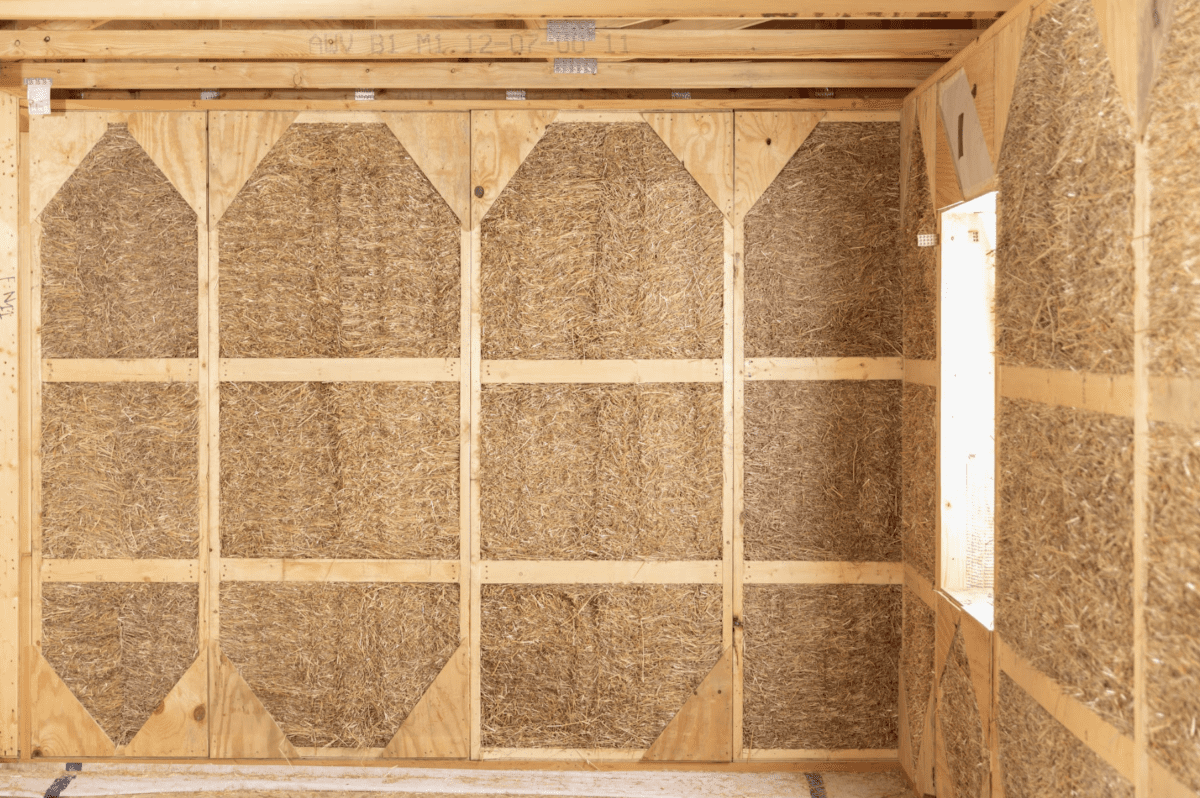
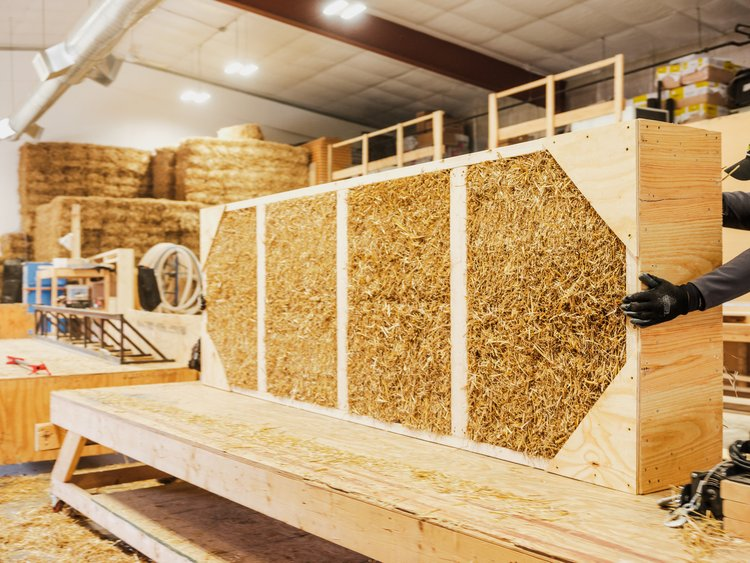
For centuries, straw has been an agricultural byproduct, often discarded or burned. But in today’s push for low-carbon, sustainable construction, it is emerging as a powerful building material. Compressed straw panels, a modern evolution of this ancient material, are gaining traction as an eco-friendly alternative to traditional wall and roof systems. These panels offer excellent insulation, are renewable, and most importantly, act as carbon storage, making them a compelling solution for builders seeking sustainable and energy-efficient structures.

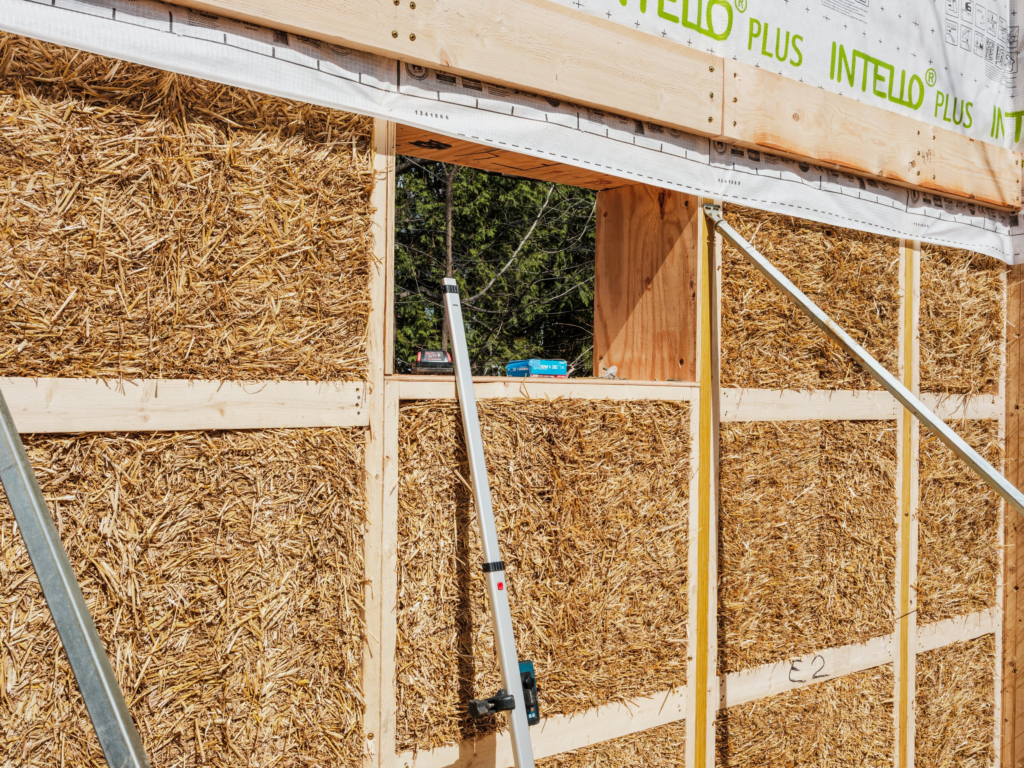
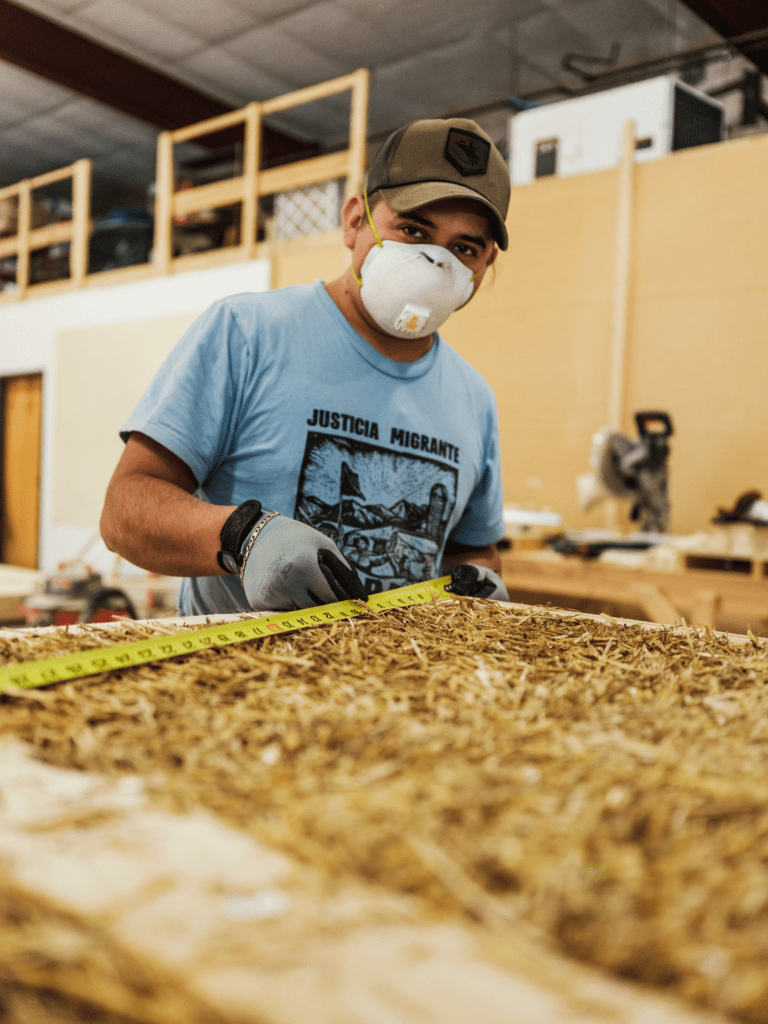
All Photos – New Frameworks, a leader in Straw Bale Panels

Compressed straw panels are engineered by tightly packing straw fibers and binding them with natural adhesives or pressure to form sturdy, fire-resistant building panels. These panels can be used for walls, roofs, and even flooring, replacing conventional materials like plywood, gypsum board, and fiberglass insulation. Unlike straw bale construction, which has been used for over a century, compressed straw panels offer a standardized, easy-to-install system that integrates well with modern construction methods, including offsite modular fabrication.

.

One of the biggest advantages of compressed straw panels is their ability to store carbon. Straw is a byproduct of cereal crops such as wheat, rice, and barley, absorbing carbon dioxide from the atmosphere during growth. Instead of decaying or being burned—both of which release CO₂—turning straw into building panels locks that carbon away for decades. This makes compressed straw panels an effective tool in reducing the embodied carbon of buildings, an increasingly important factor as the construction industry seeks to lower its overall carbon footprint.

A common misconception is that straw-based construction is weak or highly flammable. In reality, compressed straw panels are incredibly strong due to their high-density composition. Their insulation values rival those of conventional materials, reducing energy consumption in both hot and cold climates. Additionally, when properly compressed and treated, straw panels are highly fire-resistant. The lack of oxygen within the densely packed fibers makes it difficult for flames to spread, a feature that has been validated in fire tests across multiple regions.

.

The modular construction industry is constantly seeking new materials that balance sustainability, affordability, and ease of assembly. Compressed straw panels fit perfectly into this equation. They can be prefabricated into precise dimensions in offsite factories, transported efficiently, and installed quickly at the job site. Their natural insulation properties reduce the need for additional insulation layers, simplifying the construction process while improving thermal efficiency.

While compressed straw panels offer numerous benefits, there are still challenges to widespread adoption. Regulatory approval varies by region, and many building codes still favor traditional materials. Additionally, while the supply of straw is abundant, establishing large-scale production facilities for compressed straw panels requires investment and innovation. However, as demand for low-carbon building solutions grows, more companies are entering the space, refining the production process, and working toward broader industry acceptance.

.

Compressed straw panels represent more than just an alternative building material—they embody a shift toward truly regenerative construction practices. By turning agricultural waste into durable, high-performance building components, they help create structures that not only minimize environmental impact but actively contribute to carbon sequestration. As the construction industry grapples with the urgent need to reduce emissions, materials like compressed straw panels could become essential in designing the sustainable buildings of the future.

The New Frameworks Team

These carbon-storing panels provide a practical and scalable way to construct low-carbon structures for developers, architects, and builders looking to lower their carbon footprint. With continued innovation and greater industry adoption, compressed straw could soon be recognized not just as an agricultural byproduct, but as one of the most promising materials of the next generation of sustainable construction.

.

Gary Fleisher

Contact Gary

Gary Fleisher is the Leading Observer of the Offsite Housing Construction Industries. He has been actively involved in researching and writing about the latest trends and developments in the industry for over a decade now.

With his extensive knowledge and experience, Gary has emerged as a go-to expert for businesses looking to stay ahead of the curve in the modular construction industry. In addition to his work as an editor, he is also a sought-after speaker and consultant who has helped numerous companies achieve strategic and operational success.

Bridging the Supply Chain, Building, and Innovation – a Conversation with Mark Eckard Owner Founder of Restoration North

I recently had a conversation with Mark Eckard, the Founder of Restoration North, a leading ground-up building materials supplier including foundation systems, passive home door and windows systems, cladding systems, mechanicals, electrical, flooring, cabinets, appliances, outdoor kitchens, playsets, hardware, tools, and more. His thoughts on the homebuilding industry transcend being a supplier to the construction industry. He is a student of building science. Read below and be looking for more insightful thoughts in future interviews, on how Mark sees the offsite industry and the construction industry can be “fixed”.

.

Mark Eckard owner of Restoration North: As I approach nearly three decades of real-world, in-the-trenches experience, I often wonder when I actually started learning to build; I do have pictures dating back to my toddler years of me swinging the hammer!  I did grow up in real estate, though, working on rehabs and rentals that my family owned.  I started doing everything revolving around building at a very young age.  I purchased my first rehab at 21 years old and progressed in that concept, then naturally worked into new construction. During the construction and rehab phases, I realized the design and material supply process was very broken, creating poor results, lots of waste, and building cheap products that corporate America supported.  I am the type of person who always wants to enhance and develop better ways to do anything.  I learned about the materials and supply industry while forming Restoration North.  This led me to develop a high-performance ecosystem of material supply, garnered through experience, aimed at fixing the broken construction industry while driving down cost, increasing performance, and improving efficiency.

Thermal Stud – a Restoration building product

Mark: The industry is incredibly broken, to say the least.  I am not one for doom and gloom, but I am also not one for sugarcoating reality; facts are facts; I didn’t create these facts; they are data-driven and experience-based.  There are so many factors that drive this concept, and I see the industry from many facets based on the vast range of data and projects that I am involved in.  My hope is that we can drive positive change in the construction industry from residential to commercial.  We must increase efficiency and drive down the cost of building while increasing longevity.  Reducing our impact on the planet, and creating healthier, more comfortable, sustainable homes is a significant part of changing the stigma of homes being unaffordable. 

Mark: Everything of tangible value is cemented in math and science.  I have a deep gratitude for all of the relationships I enjoy with some of the most innovative minds in construction.  Some truly game-changing materials we have access to and actively promote and utilize are the way forward.  I like to pioneer new concepts by combining them with other proprietary materials and patented technologies to create a massive, unrivaled solution to the many problems plaguing the industry. 

Superior Walls

Some of those products that work hand in hand are Superior Wall foundation systems, precast in a factory set in a day or two.  Coupled with various other high-performance solutions, such as Envirobon’s Thermal Stud product lineup and new panelized products, high-performance window and door systems, and the Unico HVAC system, you have built a bulletproof high-performance home.  These are all core concepts for us, and in unison with some other high-performance tactics and goods, you are driving extreme efficiency, increasing your energy performance, and reducing maintenance for years to come, all while reducing costs to build with me as the maestro of the orchestra.

Unico HVAC system

Mark: Offsite has various advantages and logistical improvements over site operations.  People often get wrapped up in the face value cost, but don’t realize the business cost of their poor operations and poor quality built homes.  The main avenues of failure that I have seen in the industry are poor communications, poorly incentivized, poorly trained workforce, lack of systems in place to increase efficiency, inefficient sales pipelines, a lack of education and experience in leadership.  Most important is the inability to want to learn, grow, and do things differently, the age-old concept of “This is how we have always done it.”   Some really great operators out there are absolutely killing it, and they can still benefit from some of the concepts mentioned earlier.  I am a big advocate of teamwork and communication.  A rising tide lifts all boats, and as an equal and opposite force, a falling tide will ground those same boats.  The last time I checked, running aground has never benefited anyone, so choose wisely and execute with intent.

Mark: The next steps involve growth, education, and more outreach.  We will also focus on building out experiential showrooms to display how our ecosystem of high-performance materials and systems all work together.  Seeing, touching, learning, and understanding how these concepts work will advance the educational curve, allowing people to see firsthand the extreme benefits of utilizing better tactics and systems.

Mark is in a unique position as a supplier/builder, selling to builders, but also as a student of building science. His take on the supply chain and its overlooked impact on sustainable affordable housing, will be explored in future interviews.

AI-Controlled Image Processing: A Innovative New Investment for Modular Home and Component Factories

The modular construction industry stands at the threshold of a technological revolution. While automation has streamlined many aspects of factory production, a critical area still ripe for innovation is real-time quality control and process optimization. One of the most promising advancements is AI-controlled image processing, also known as machine vision, which uses artificial intelligence and advanced imaging to enhance efficiency, reduce waste, and improve overall product quality.

.

As modular home and component factories evolve, integrating AI-powered industrial image processing can fundamentally change how production lines operate. From ensuring precise cuts in panelized walls to detecting micro-defects in cross-laminated timber (CLT) or structural insulated panels (SIPs), machine vision is poised to bring a new level of intelligence and automation to offsite manufacturing.

At its core, AI-controlled image processing involves capturing and analyzing 2D or 3D images of components in real-time to extract valuable information and make instant decisions based on detected anomalies, measurements, or quality deviations. This is accomplished using high-resolution cameras, infrared sensors, LiDAR, and AI-driven algorithms that analyze images faster and more accurately than human inspectors ever could.

Framebotix, with its advanced AI-driven software solutions for robotic automation in construction, is uniquely positioned to enhance AI-controlled image processing in modular and component factories. By integrating its real-time computer vision and adaptive learning algorithms, Framebotix can enable precise defect detection, automated measurement validation, and seamless robotic guidance on the production line. Its software can analyze high-resolution images and 3D scans to detect material inconsistencies, ensure accurate fastener placements, and optimize cutting patterns—all in real time. By bridging AI-powered quality control with robotic automation, Framebotix helps modular factories increase efficiency, reduce waste, and maintain consistently high product standards.

This technology is already transforming automotive and electronics manufacturing, and now, it is ready to redefine modular home and component factories by offering a smart, self-correcting production process.

.

1. Real-Time Quality Control on the Production Line

One of the biggest challenges modular factories face is ensuring that every component meets precise specifications. Traditional quality control relies on manual inspection, which is time-consuming, prone to human error, and often reactive rather than proactive.

With AI-powered machine vision, every panel, module, or component can be inspected in real time. Cameras and sensors placed at strategic points along the production line can:

  • Identify dimensional inaccuracies in prefabricated walls, floors, or roof panels before they proceed to the next stage.
  • Detect cracks, warping, or knots in engineered wood and CLT panels before assembly.
  • Verify structural connections in steel or timber frames using 3D scanning technology.

By catching errors at the source, factories can significantly reduce rework, minimize waste, and improve product consistency.

2. Automated Precision Measurement for Modular Components

Each modular unit or panelized wall must be cut, drilled, and assembled with extreme precision to ensure seamless integration on-site. Even a 2mm deviation can cause major alignment issues when stacking multiple modules or fitting doors and windows.

Machine vision systems with sub-millimeter accuracy can:

  • Measure cut-outs for MEP (mechanical, electrical, plumbing) openings to ensure perfect alignment before installation.
  • Verify that insulation is evenly placed in SIPs or CLT wall panels.
  • Ensure screw and fastener positioning is consistent across all units.

This level of real-time measurement and correction is critical in high-speed, high-volume modular factories, where precision directly impacts final assembly.

3. AI-Powered Defect Detection in Materials

Many modular builders use engineered wood, SIPs, CLT, and advanced composite materials. Detecting hidden defects in these materials—such as internal cracks, moisture pockets, or adhesion failures—is difficult with the naked eye but easy with AI-driven imaging.

  • Infrared and ultrasonic imaging can detect invisible defects in timber or SIP adhesives.
  • AI algorithms can assess grain orientation and fiber quality to predict weaknesses before components go into production.
  • Thermal imaging can identify heat leaks in insulation panels, preventing costly rework down the line.

The ability to detect material failures before they compromise structural integrity ensures higher-quality modules and reduces warranty claims.

4. Streamlining Assembly and Robotic Integration

AI-controlled image processing doesn’t just spot errors—it actively optimizes workflows by guiding automated machinery and robotic systems.

  • Automated robotic arms can be trained to follow AI-generated visual markers, ensuring precise material placement and fastening.
  • Vision-guided robotic welding can improve structural connections in steel modular frames, ensuring long-term durability.
  • Augmented reality (AR) overlays on factory floors can assist human workers in following exact assembly steps, reducing training time and errors.

The result? Faster production cycles, fewer human errors, and an overall increase in factory efficiency.

Beyond real-time quality control, AI-driven machine vision can provide deep analytical insights that help factories optimize production over time. By analyzing thousands of images per day, AI can detect patterns of recurring defects, inefficiencies, or potential machine failures.

For example:

  • If a certain saw or CNC router starts producing misaligned cuts, AI can predict tool wear before the issue becomes a production bottleneck.
  • If thermal imaging repeatedly detects heat leaks in insulated panels, the factory can re-evaluate insulation density or adhesive application.
  • If AI identifies common defects among different batches of CLT panels, suppliers can be held accountable for material inconsistencies.

This predictive intelligence allows modular factories to transition from reactive problem-solving to proactive optimization.

While AI-controlled image processing offers huge advantages, it does require investment and adaptation. Some key challenges include:

  • Initial setup costs: Installing high-resolution cameras, LiDAR systems, and AI software requires upfront investment.
  • Workforce training: Employees must learn how to interpret AI insights and integrate machine vision into existing workflows.
  • Data integration: AI systems need to be linked with factory management software to provide real-time insights and decision-making.

However, as AI-driven manufacturing becomes more standardized and cost-effective, early adopters in the modular construction industry will gain a significant competitive advantage.

The modular and offsite construction industry is on the brink of a technological transformation. AI-controlled image processing is not just an improvement—it’s a necessity for factories looking to compete in an increasingly automated world.

By implementing real-time defect detection, automated precision measurement, and AI-driven insights, modular home and component factories can:

  • Reduce waste and rework costs
  • Increase assembly speed and accuracy
  • Enhance product quality and consistency
  • Predict and prevent production failures

The future of modular construction belongs to those who embrace AI and automation. The question is no longer if machine vision will be adopted—it’s who will use it best to redefine the industry.

cid_F65BB783-3048-463D-A8C9-678A698E30CE

Bill Murray

Contact Bill

Bill Murray has over 40 years of operational management experience in the Modular industry.  Bill began his Offsite career as a contractor/builder.  He then entered the manufacturing side quickly advancing through the sales ranks to become a General Manager/COO of multi plant operations.  Bill provides professional advisory service to owners, prospective owners and builder developers considering Offsite construction.  He has consulted throughout the U.S., and Mexico, as well as overseas assignments.