Highlighting the thinkers and their ideas driving the evolution of Offsite Construction. 
Be inspired, be informed, be innovative!

A Village for Our Heroes: Colorado Springs Builds Tiny Home Community to Honor and House Its Teachers – with video

In the heart of Colorado Springs, a beacon of hope and innovation is rising—one that addresses the pressing challenges faced by educators today. Harrison School District 2, in collaboration with the nonprofit organization We Fortify, is pioneering a transformative initiative: building affordable, dignified housing for teachers right on school grounds.

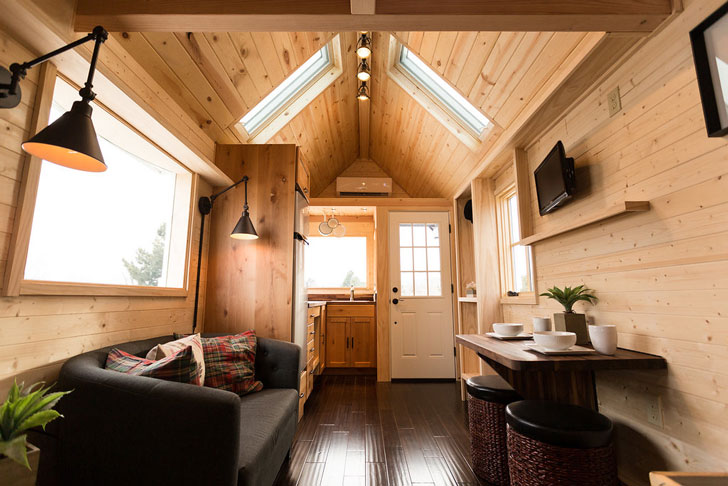
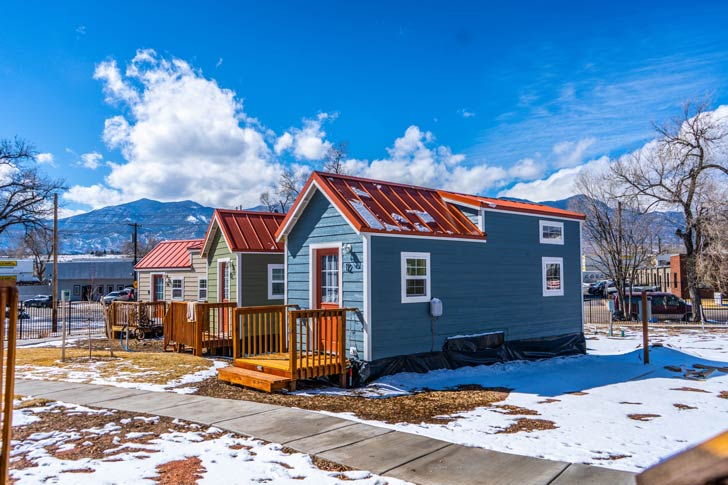
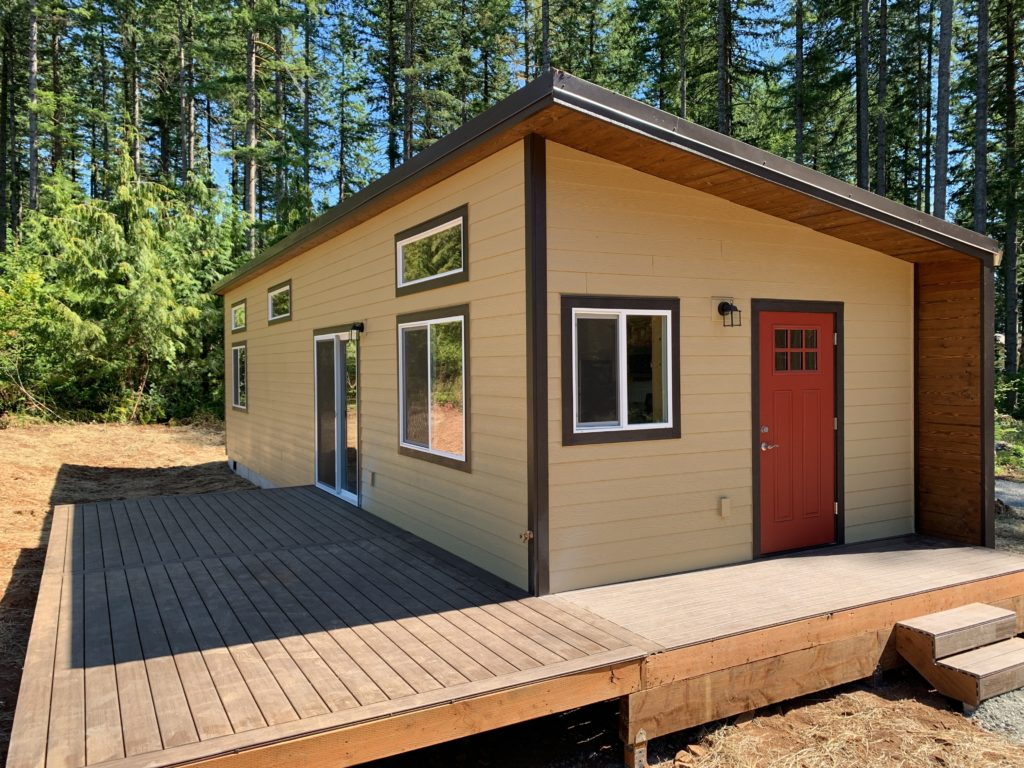
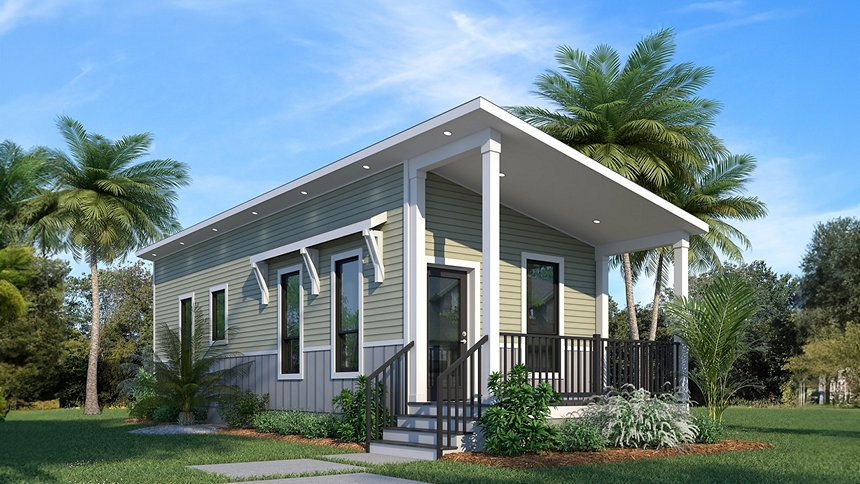
This visionary project, known as Wendy’s Village, is named in honor of Superintendent Dr. Wendy Birhanzel, whose unwavering commitment to educators has inspired a community-wide movement. Comprising 40 energy-efficient tiny homes, each 352 square feet, the village is set to occupy the former soccer field of Mountain Vista Community School. These homes are thoughtfully designed, featuring full kitchens, bathrooms, living areas, and bedrooms, all powered by electric energy. A central community center will serve as a hub for residents, offering a galley kitchen, event space, and raised garden beds.

The initiative addresses a critical issue: the affordability crisis that has made it increasingly difficult for teachers to live in the communities they serve. With starting salaries around $47,545, many educators struggle to afford housing in Colorado Springs, where the average rent is approximately $1,720 per month . Wendy’s Village offers these homes at a significantly reduced rent of $800 per month, providing a sustainable solution that allows teachers to focus on their vital work without the burden of financial strain.

Complementing Wendy’s Village is Prospect Village, a neighboring community designed for young adults aged 18-25. This development will offer 18 units at $600 per month and aims to provide long-term transitional housing, educational programming, and job opportunities for young people emerging from poverty .

The collaboration between Harrison School District 2 and We Fortify exemplifies the power of community partnerships in addressing systemic challenges. By leveraging district-owned land and the expertise of a nonprofit developer, the project minimizes costs and maximizes impact. Funding for the $6.5 million initiative is being sourced entirely through private, public, corporate, and foundation donations, ensuring that no taxpayer money is used.

This model of integrating affordable housing within educational environments not only supports teachers but also strengthens the fabric of the community. As Dr. Birhanzel aptly stated, “This project reflects our shared commitment to supporting educators and strengthening the future of our schools and neighborhoods”.

Wendy’s Village stands as a testament to what is possible when innovation, compassion, and collaboration converge. It offers a replicable blueprint for other districts grappling with similar challenges, demonstrating that with bold vision and collective effort, we can create communities where educators are valued, supported, and empowered to thrive.

As we look to the future, initiatives like Wendy’s Village inspire hope and reaffirm our commitment to those who dedicate their lives to educating the next generation.

Hempcrete Rising — The Eco-Friendly Material Paving the Way for Sustainable Construction

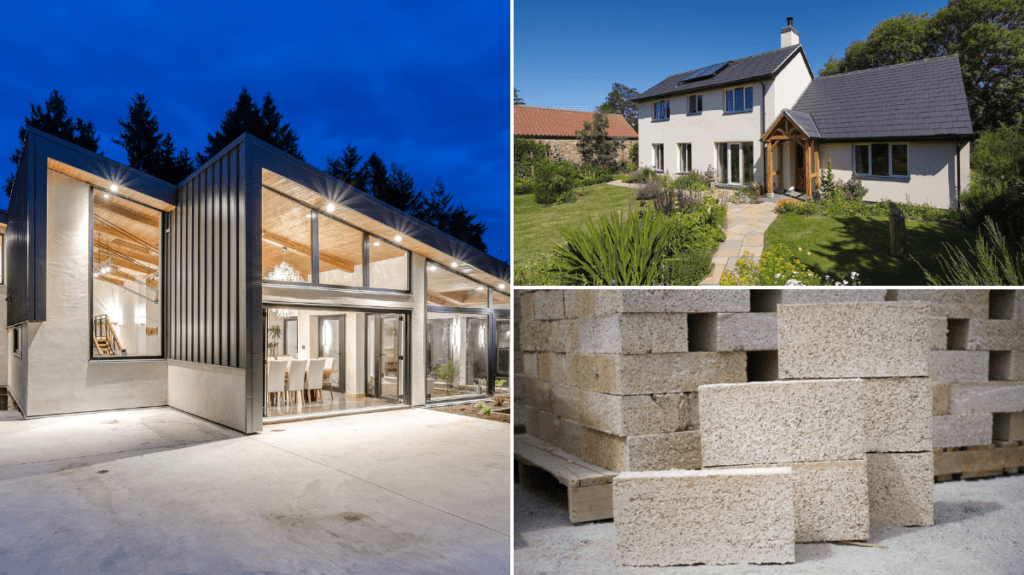
Amid the environmental impact of traditional construction, a humble, plant-based material is beginning to make waves—one block at a time. Hempcrete, a biocomposite made from the stalks of the industrial hemp plant, is turning heads not just for its sustainability, but for its strength, insulation value, carbon-storing capabilities, and surprising design flexibility.

Long relegated to the margins of building innovation, hempcrete is now experiencing a renaissance, with forward-thinking architects, builders, and factory operators exploring its potential for everything from residential homes to public infrastructure. Let’s explore how hempcrete is made, where it’s produced, how it’s being used in modern construction, and why its future looks more than promising.

Hempcrete is not a substitute for concrete in structural applications—but it’s not trying to be. Instead, it excels as a natural, breathable, insulating material used in wall assemblies, floors, and roof infills. It’s made from three ingredients:

  • Hemp hurds (the woody core of the hemp stalk),
  • A lime-based binder (often a mixture of lime, clay, and pozzolans), and
  • Water.

When mixed together and packed into forms around a structural frame, hempcrete cures into a firm, yet flexible matrix that insulates, resists fire and pests, regulates indoor humidity, and—most importantly—sequesters carbon throughout its life. Unlike concrete, it doesn’t off-gas harmful chemicals or require energy-intensive production.

For every cubic meter of hempcrete produced, approximately 110 kilograms of CO₂ are absorbed and locked away. It’s one of the few materials that make a building greener the more you build with it.

While many startups and regional manufacturers are entering the hempcrete space, a few major players are helping drive large-scale adoption:

IsoHemp (Belgium)

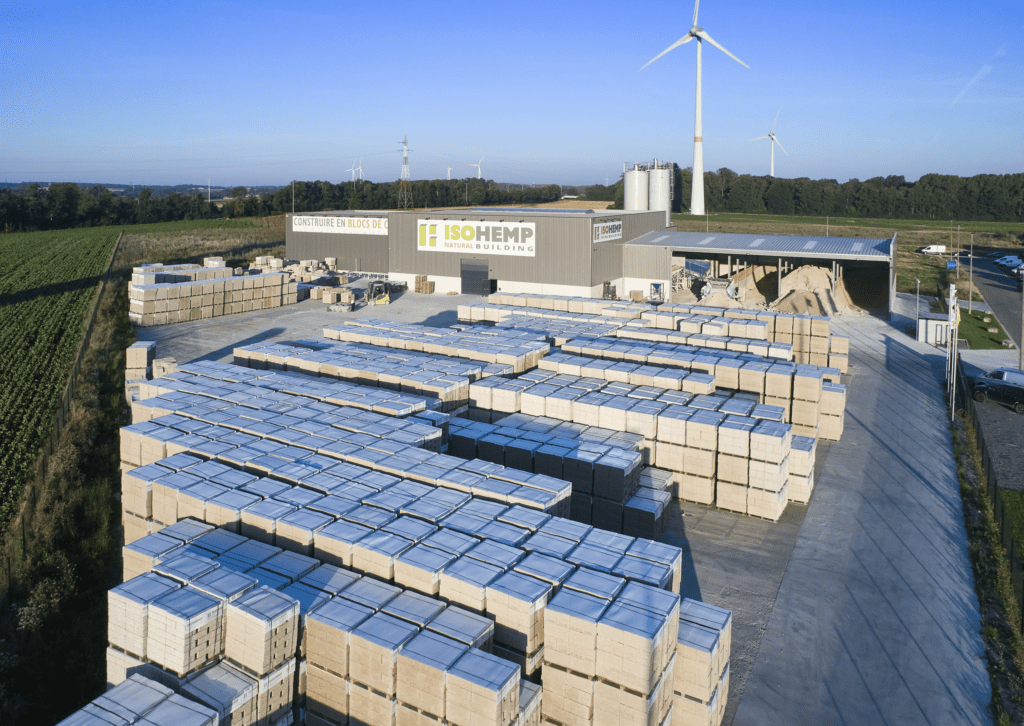
Founded in 2012, IsoHemp has grown into one of Europe’s largest producers of hempcrete blocks. Its automated factory near Namur, Belgium, produces thousands of units per day, which are used in residential and commercial buildings across Europe. Their standardized blocks are designed for speed and performance in wall construction and are available in multiple thicknesses for varying climate zones.

Hempitecture (United States)

Based in Idaho, Hempitecture is the first U.S.-based company to build a large-scale hemp insulation factory. Partnering with domestic hemp growers, they are scaling up the production of HempWool (loose fiber insulation) and cast-in-place hempcrete materials. Their materials are already being used in schools, wellness centers, and even prefab modular housing.

HempFlax (Netherlands)

One of the pioneers in European hemp processing, HempFlax has diversified its business across industrial applications, including construction. With operations in the Netherlands, Germany, and Romania, they supply hemp fibers and hurd to companies developing insulation panels, hempcrete, and green packaging materials.

As more countries legalize and regulate industrial hemp production, these types of facilities are expected to proliferate—especially in North America, where climate-conscious building codes are being rewritten to allow for low-carbon materials.

Hempcrete’s greatest strength lies in its versatility. Here are a few ways it’s already transforming modern building practices:

Wall Insulation and Infill Panels

Hempcrete is most commonly used to form non-load-bearing walls around timber or steel framing. It can be poured into formwork on-site or used in pre-cast panels for modular builds. In both cases, it provides exceptional thermal resistance (R-values of R-2 to R-3 per inch), reducing the need for additional HVAC equipment.

Floor and Roof Insulation

In addition to walls, hempcrete is being used as a subfloor insulation layer and for flat roof insulation, particularly in eco-homes and Passive House designs. Its moisture-buffering properties help prevent mold and mildew—an attractive feature for allergy-sensitive occupants.

Modular and Prefabricated Housing

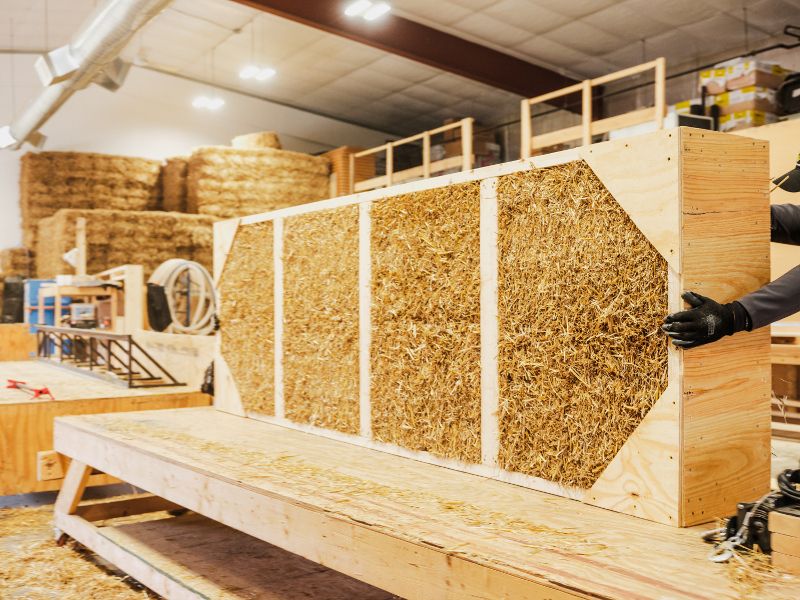
Prefabricated wall panels filled with hempcrete are gaining traction in the offsite construction world. By combining the sustainability of hemp with the speed of prefab, companies are creating zero-energy and low-impact homes at competitive cost points. Hempitecture and a handful of startups in Canada and Australia are already experimenting with full-panelized hemp-based modular units.

Renovations and Retrofits

Because of its breathability and low weight, hempcrete is ideal for restoring older buildings—especially stone or masonry structures. It allows historic walls to maintain their natural moisture balance while adding insulation and fire resistance.

Hempcrete isn’t a fringe experiment anymore—it’s on track to become a central player in the global push toward sustainable building materials. Here’s why:

Carbon-Negative by Design

In an era of climate urgency, materials that draw down carbon are worth their weight in gold. Hempcrete not only stores carbon from the hemp plant but also benefits from lime’s long-term carbonation process—absorbing more CO₂ over time.

Healthier Indoor Environments

As the world embraces wellness architecture, materials like hempcrete offer a clear advantage. They’re VOC-free, resist mold and pests, and regulate humidity—making them perfect for schools, healthcare facilities, and homes alike.

Regulatory Acceptance Is Growing

In 2022, the U.S. International Code Council accepted a proposal to include hemp-lime construction in the 2024 International Residential Code (IRC). This is a major milestone for builders hoping to use hempcrete without jumping through code interpretation hoops.

A Boon to Rural Economies

Hempcrete encourages local, regenerative agriculture. The hemp plant matures in 90–120 days, requires minimal pesticides, and improves soil health. For rural areas looking to revitalize through green industry, hempcrete manufacturing offers a compelling model.


Despite its promise, hempcrete faces hurdles. Scaling up requires consistent hemp supply chains, better-trained builders, and public awareness. In some markets, cement and synthetic insulation still dominate because of perceived cost advantages. But as hempcrete technologies become more automated—and as climate regulations stiffen—those advantages may quickly reverse.


In the rush to find climate-resilient, low-impact solutions for the built environment, hempcrete checks nearly every box: renewable, breathable, healthy, and beautiful. What was once a niche green building trend is now evolving into a global movement—one bale, block, and panel at a time.

The future of construction won’t just be smarter—it will be greener, lighter, and, quite possibly, full of hemp.

CHECK OUT HempBuild Magazine

Elevation Construction Is Working on Utah’s Housing Crisis in a Unique Way

In the heart of Utah’s housing affordability crisis, Elevation Construction is pioneering a transformative approach to homebuilding. By embracing modular construction and innovative design, the Sandy-based company is delivering high-quality, affordable homes that challenge traditional industry norms.

Building the Future: Modular Innovation

Elevation Construction, led by CEO Brody Lambert, utilizes prefabricated wall panels from Livio, which come equipped with integrated plumbing and wiring. These cold-formed steel structures are both fire-resistant and energy-efficient. Remarkably, a complete home can be assembled in just 12.5 hours, allowing homeowners to walk through their new residence the very next day.

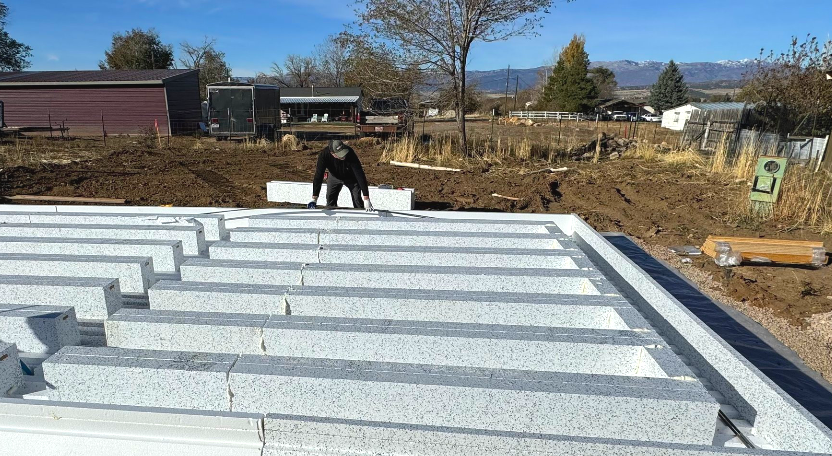
Complementing this rapid construction is an innovative foundation system from Provo-based SimplyBilt. This foam-insulated foundation requires only 12 inches of excavation, significantly reducing labor costs and enhancing energy performance.

Elevation Construction’s Leadership

The Flex Home: Affordable and Adaptable

At the core of Elevation’s offerings is the “Flex Home”—a 1,250 sq. ft., 3-bedroom, 1.5-bath single-family home priced at $299,000. Designed with future growth in mind, these homes feature expandable foundations, allowing for additions such as garages, master suites, or accessory dwelling units (ADUs). This flexibility enables homeowners to adapt their living spaces as their needs evolve.

Moreover, new lending policies permit buyers to include potential ADU rental income when qualifying for a mortgage, making these homes accessible to households earning between $70,000 and $120,000 annually.

Challenging the Status Quo

Elevation Construction’s commitment to affordability has not gone unnoticed. By intentionally leaving $30 to $40 per square foot of equity on the table for buyers, the company diverges from traditional homebuilding models that prioritize higher margins. This approach has led to collaborations with like-minded partners, including landowners willing to defer lot payments and municipalities open to approving smaller lots.

The city of Ephraim was the first to embrace this model, paving the way for additional projects in Grantsville, Nephi, Helper, and Hurricane. Elevation is also in discussions with state officials about utilizing Trust Lands to expand affordable housing developments.

A Vision for Sustainable Growth

Elevation Construction’s innovative approach offers a compelling solution to Utah’s housing challenges. By integrating modular technology, efficient construction methods, and adaptable designs, the company is redefining what affordable housing can look like—without compromising on quality or livability.

As Utah continues to grapple with housing affordability, Elevation Construction’s model presents a scalable and sustainable path forward, demonstrating that innovation and compassion can coexist in the pursuit of the American Dream.


Credit: This blog post is based on the article “Modular, Flexible, Affordable: How Elevation Construction is Quietly Reinventing Housing in Utah” by Mark Tullis, published on May 8, 2025, on TechBuzz News. Read the full article here: TechBuzz News.

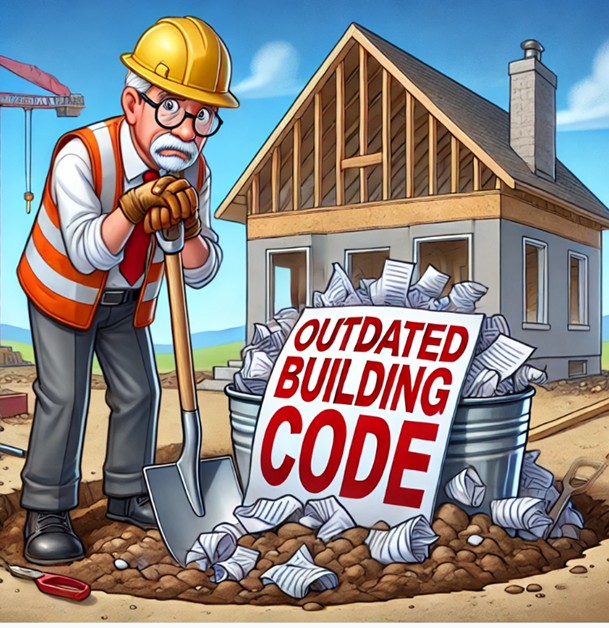
Breaking the Mold: Smarter Codes Can Unlock Smarter Housing

Unblocking the Blueprint: Zoning Reform and the Future of Affordable Housing. You can’t innovate your way into affordable housing if the rulebook won’t let you.

At Offsite Innovators, we feature breakthrough thinking in building. But innovation doesn’t just happen in factories—it happens in city halls too. Zoning reform might not sound exciting, but when cities like Austin and Dallas start scrapping outdated codes, they make room for the kind of housing innovation the country sorely needs.

If you work in housing—especially offsite construction—you know the roadblocks all too well: overly prescriptive zoning, building codes rooted in 20th-century assumptions, and neighborhood resistance to anything that doesn’t look like the house next door. The result? Fewer homes, longer build times, and higher prices. It’s a perfect storm that’s been quietly undermining affordability for decades.

But some cities are beginning to realize that if we want more housing, and especially more affordable housing, we have to fix the rulebook first.

Zoning codes and building regulations were created to keep people safe, protect property values, and shape communities. And in many cases, they’ve done exactly that. But over time, they’ve also created unintended consequences.

Single-family zoning—the default in much of the country—limits most neighborhoods to just one house per lot. It sounds harmless, even quaint. But when land prices soar and construction costs rise, this low-density mandate becomes a luxury we can’t afford. Duplexes, triplexes, and other “missing middle” housing types are essentially banned in huge swaths of American cities.

Then there’s the complexity layered on by national standards like the International Building Code (IBC) and National Residential Code (NRC). While these standards serve critical safety functions, they can also stifle innovation, particularly in the modular and offsite sectors. Building a high-quality home in a factory is often more efficient and sustainable, but good luck if your local code official isn’t on board with that approach—or if the code itself doesn’t allow for it without time-consuming variances and appeals.

We’re not saying throw out the rulebook. But it’s long past time to revise it—and that’s exactly what Austin and Dallas are trying to do.

Let’s start with Austin. In 2019, the city passed its “Affordability Unlocked” ordinance—a name that pretty much says it all. The idea was simple: if a developer includes enough affordable housing in their project, the city will waive or relax zoning requirements like minimum parking, height restrictions, and setbacks.

It worked.

Developers responded quickly, and projects that once would’ve been economically impossible started to pencil out. Hundreds of units have been approved under the program, many using modular or prefab construction to save time and cost.

And in late 2023, Austin took it a step further. The city council voted to allow up to three units on any residential lot, effectively eliminating single-family zoning altogether. This move, controversial in some circles, was aimed squarely at boosting density, especially in areas with good infrastructure and access to transit.

Is it perfect? No. But it’s bold. And it shows that a major U.S. city is willing to get serious about affordability by rethinking the rules—something many housing advocates have long called for.

Just a few hours north, Dallas is tackling the problem from a different angle. The city launched an affordable housing plan with an ambitious goal: 20,000 new or preserved affordable units in three years.

Rather than a one-size-fits-all approach, Dallas split its strategy across three key zones:

  • Stabilization Areas, where displacement is a concern and preservation is the focus
  • Redevelopment Areas, where large-scale infill can create mixed-income neighborhoods
  • Emerging Market Areas, where incentives can encourage development in underbuilt pockets

In all three cases, zoning flexibility is key. The city is exploring upzoning, reducing minimum lot sizes, and simplifying the permitting process—all critical steps for bringing in modular and innovative building methods.

Dallas is also working to align its local regulations with federal fair housing obligations, recognizing that outdated zoning has often reinforced patterns of racial and economic segregation.

The approach is methodical, but promising. It reflects a growing consensus that supply-side solutions matter—and that regulation needs to evolve with the times.

If you’re in the offsite construction world, this shift should have your full attention. We often talk about factory-built housing as a silver bullet for affordability, but the truth is: we can’t innovate our way out of the housing crisis without cooperation from city governments.

Factory efficiency means nothing if you can’t get zoning approval. Smart design and sustainable materials won’t matter if your units can’t pass code without a special exception. The best ideas stall out when the regulatory climate punishes anything that deviates from the norm.

Austin and Dallas are showing what it looks like when cities start to clear the runway for new housing solutions. And that creates real opportunity—for builders, developers, and the communities they serve.

Housing affordability is a complex challenge. But that doesn’t mean we have to accept gridlock. Reforming zoning and updating building codes isn’t easy, and it won’t solve everything overnight—but it’s a critical step toward allowing innovation to flourish.

The cities leading the way—Austin, Dallas, and a handful of others—are offering more than policy tweaks. They’re offering permission to rethink how we build and who we build for.

At Offsite Innovators, we’ll keep spotlighting the policies and practices that support smarter, faster, and more equitable ways to create housing. Because solving the affordability crisis isn’t just about cost. It’s about clearing the path for ideas that work.


Blueskin® VPTech™: Innovating Residential Construction for DIY Enthusiasts​

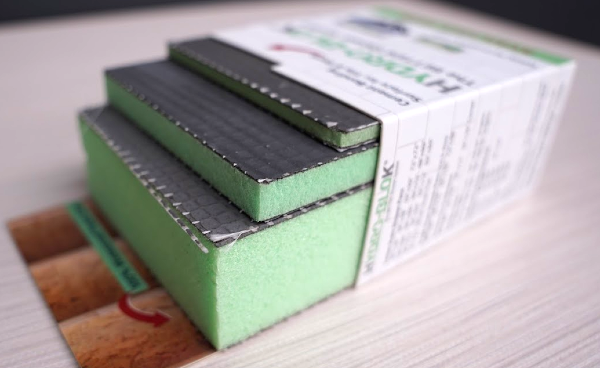
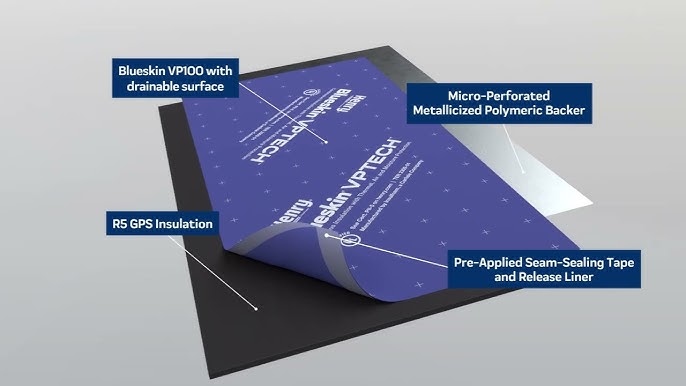
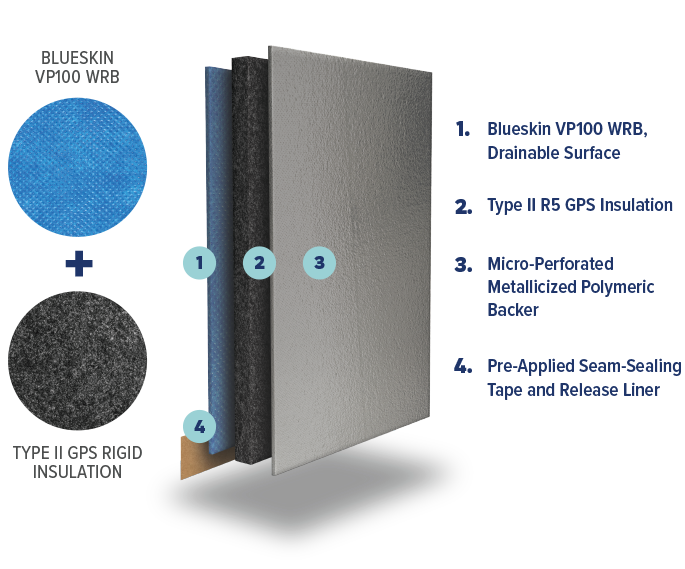
In residential construction, the demand for energy-efficient and easy-to-install building materials is higher than ever. Enter Blueskin® VPTech™, an innovative solution from Henry® Company that combines multiple protective layers into a single, user-friendly panel. This product is particularly beneficial for non-professional builders seeking to enhance their projects with professional-grade materials.​

all photos – Blueskin® VPTech™

This all-in-one panel simplifies the construction process by eliminating the need to install these components separately. The result is a more efficient building process that doesn’t compromise on quality or performance.​

1. Simplified Installation

Traditional methods require multiple steps to install insulation, air barriers, and seam sealing. Blueskin® VPTech™ streamlines this by combining all three into one panel, reducing installation time by up to 30%. Its lightweight design and ease of handling make it ideal for DIY projects.​

Each panel offers an R-value of 5 per inch of Graphite Polystyrene (GPS) insulation, contributing to better thermal performance. This efficiency can lead to lower energy bills and a more comfortable living environment.​

3. Superior Moisture and Air Protection

The integrated WRB and seam sealing provide a continuous air barrier, reducing air leakage and preventing moisture intrusion. This self-sealing feature around nails and fasteners ensures long-term durability and protection against the elements.​

4. Compliance with Energy Standards

Blueskin® VPTech™ helps in achieving a lower Home Energy Rating System (HERS®) score and contributes to ENERGY STAR® and Zero Energy Ready Home (ZERH) program requirements. This compliance is beneficial for homeowners aiming for energy-efficient certifications.​

.

  • Preparation: Ensure the substrate is clean and dry.
  • Cutting: Panels can be easily cut to size using standard tools like utility knives.
  • Sealing: Pay attention to sealing all seams and penetrations to maintain the integrity of the air and moisture barrier.
  • Safety: Always follow safety guidelines and wear appropriate protective gear during installation.​

Blueskin® VPTech™ offers a practical and efficient solution for non-professional builders seeking to enhance their construction projects. Its integrated design simplifies installation, improves energy efficiency, and provides superior protection against moisture and air infiltration. By choosing Blueskin® VPTech™, DIY enthusiasts can achieve professional results with greater ease and confidence.​

For more information and detailed installation guides, visit the Henry® Company website.

Gary Fleisher

Contact Gary

Gary Fleisher is the Leading Observer of the Offsite Housing Construction Industries. He has been actively involved in researching and writing about the latest trends and developments in the industry for over a decade now.

With his extensive knowledge and experience, Gary has emerged as a go-to expert for businesses looking to stay ahead of the curve in the modular construction industry. In addition to his work as an editor, he is also a sought-after speaker and consultant who has helped numerous companies achieve strategic and operational success.

Meet the AI Brain Behind the Bots: Framebotix’s Game-Changing AI Pack

Imagine a factory where robots don’t just follow orders—they think, adapt, and optimize on the fly. That’s the reality with Framebotix’s Artificial Intelligence Pack, a cutting-edge solution that’s redefining automation in manufacturing.​

At the heart of Framebotix’s innovation is their AI Pack, designed to empower autonomous robotic digital factories. This isn’t just about programming robots to perform tasks; it’s about giving them the intelligence to make decisions, adapt to changes, and optimize processes in real-time.​

.

The AI Pack integrates machine learning and computer vision, enabling robots to analyze CAD data and automatically select the appropriate tools and machining parameters. It considers the condition of raw materials and the robot system itself, ensuring precision and efficiency from design to production.

One of the standout features is the system’s ability to adapt to changing conditions. Whether it’s a variation in material quality or an unexpected change in the production environment, the AI algorithms adjust operations on the fly. This level of adaptability minimizes downtime and maintains consistent product quality.​

Beyond immediate production tasks, the AI Pack also plays a crucial role in predictive maintenance. By continuously monitoring machine performance, it can anticipate potential issues before they lead to breakdowns, scheduling maintenance proactively. This not only extends the lifespan of equipment but also ensures uninterrupted production schedules.​

Efficiency isn’t just about speed; it’s also about resource management. The AI Pack optimizes material usage, reducing waste and promoting sustainable manufacturing practices. By ensuring that every cut and movement is calculated for maximum efficiency, it supports both economic and environmental goals.​

Framebotix’s AI Pack is already making waves in various industries. From woodworking and stone processing to metal and carbon fiber manufacturing, the technology is proving its versatility and effectiveness. Companies like Anton Frei, Braun, and Wingcopter are leveraging this AI-driven approach to enhance their production capabilities.

As industries continue to evolve, the integration of intelligent systems like Framebotix’s AI Pack will become increasingly essential. By combining advanced robotics with real-time data analysis and decision-making capabilities, manufacturers can achieve unprecedented levels of efficiency, quality, and adaptability.

In a world where change is constant, having a manufacturing system that can think and adapt is no longer a luxury—it’s a necessity. Framebotix’s Artificial Intelligence Pack is leading the charge, setting new standards for what automated production can achieve.

For more information on Framebotix’s Artificial Intelligence Pack and how it’s transforming manufacturing, visit their official website.

Gary Fleisher

Contact Gary

Gary Fleisher is the Leading Observer of the Offsite Housing Construction Industries. He has been actively involved in researching and writing about the latest trends and developments in the industry for over a decade now.

With his extensive knowledge and experience, Gary has emerged as a go-to expert for businesses looking to stay ahead of the curve in the modular construction industry. In addition to his work as an editor, he is also a sought-after speaker and consultant who has helped numerous companies achieve strategic and operational success.

Pop-Up Offsite Factories: When Fast, Flexible, Innovative and Local Just Makes Sense

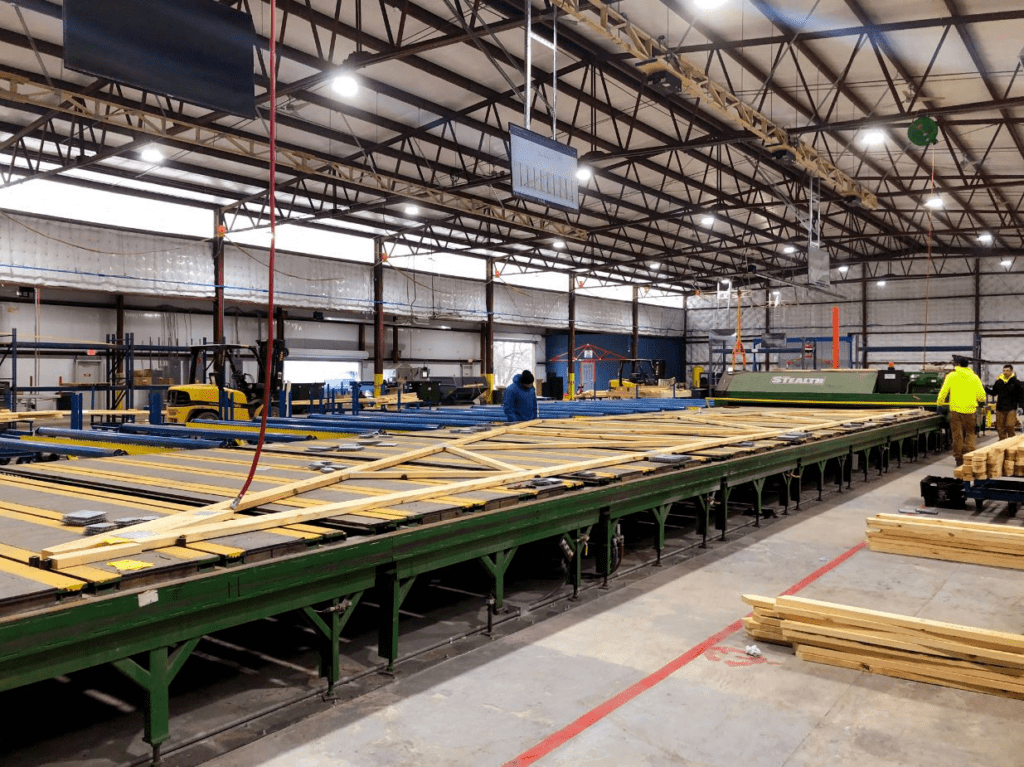
Not long ago, the term offsite construction called to mind sprawling modular factories with long-term leases, high capital costs, and rigid logistics pipelines. But that definition is evolving—and fast.

.

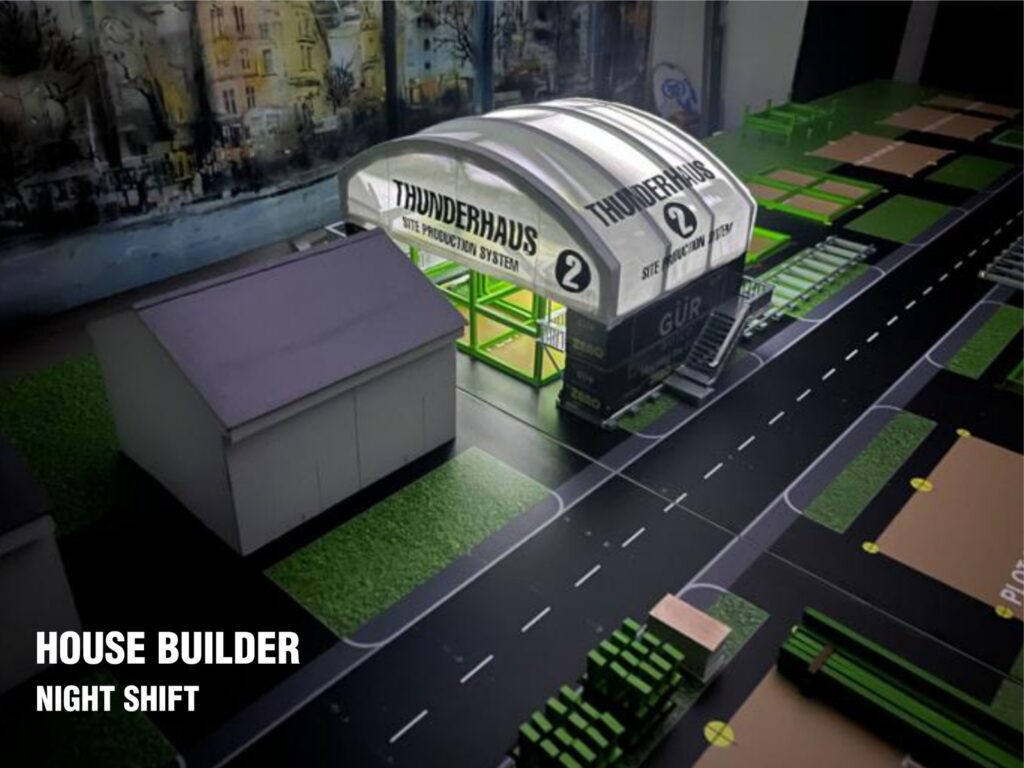
Enter the pop-up offsite factory, an agile, location-specific production solution that’s gaining attention in North America after proving its value in Europe and Australia. These compact, temporary manufacturing hubs are turning the traditional model on its head—and it’s about time.

What Exactly Is a Pop-Up Offsite Factory?

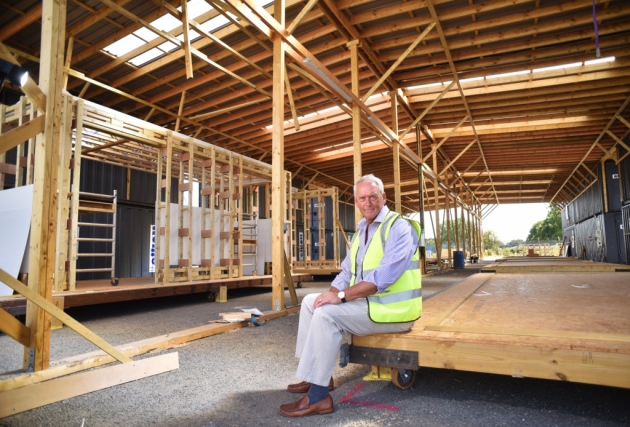
A pop-up factory is a temporary or mobile offsite manufacturing facility strategically set up near a specific project or development zone. Rather than producing modules or components hundreds of miles away and shipping them cross-country, pop-ups bring production closer to where homes or buildings will actually be placed.

Think of it as setting up a jobsite-adjacent mini factory that can produce panels, volumetric modules, components—or a hybrid of all three—based on the project’s needs. Once the project is complete, the factory can be disassembled, moved, or even repurposed.

These facilities aren’t just about novelty; they’re about speed, reduced transportation costs, minimal site disruption, and better oversight.

Why Are They Gaining Traction Now?

Pop-up factories aren’t a brand-new concept—but they’re certainly having a moment.

Several factors are converging to make them more attractive than ever:

  • Rising transportation and fuel costs are eating into profit margins and delivery timelines.
  • Workforce shortages make it hard to staff permanent facilities in remote areas.
  • Large-scale affordable housing developments are increasingly being planned in areas without nearby modular production capacity.
  • Communities want localized economic impact—and pop-ups bring jobs and innovation right to them.

For some developers and builders, the old model—hauling volumetric boxes from a regional factory—is simply not feasible anymore. It’s too slow, too expensive, and sometimes just too far away. Pop-up factories provide a smarter, leaner alternative.

Real-World Use Cases: It’s Already Happening

Pop-up factory models are already being tested and refined in places like:

  • The UK, where several modular housing developers have established temporary production lines next to urban infill projects.
  • Australia, where pop-ups are used in remote regions to address indigenous housing and mining workforce needs.
  • Rural North America, where permanent factories often won’t pencil out, but a pop-up could meet demand for one large project.

An Amazing In-Depth Interview with Thunderhaus Innovator – Paul Richards

Even FEMA and disaster response organizations are looking into pop-up manufacturing as a way to rapidly respond to housing needs after wildfires, hurricanes, or other emergencies—bringing both construction and hope closer to where it’s needed most.

Not a One-Size-Fits-All Solution

While pop-ups are exciting, they’re not a silver bullet. These operations require:

  • Fast permitting and code compliance,
  • Mobile or modular production equipment,
  • Reliable local subcontractor integration,
  • And logistical mastery to avoid bottlenecks.

They also need modular thinkers—those who aren’t tied to traditional definitions of a factory and are willing to reinvent the process based on location, labor availability, and community needs.

What Could Pop-Up Factories Look Like in the U.S.?

Imagine a developer planning a 500-home project in a state with limited offsite infrastructure. Instead of battling for production slots at a distant factory, they build a pop-up plant 10 minutes from the site. Panels or modules are built under controlled conditions and delivered across the street, rather than across the state.

That’s not fantasy—it’s already in the planning stages in several states, particularly in underserved rural areas and tribal communities.

Some manufacturers are even exploring Factory-as-a-Service (FaaS) business models, where they lease mobile production capabilities to developers or general contractors, complete with on-site training and startup consulting.

When Will They Start “Popping Up”?

They already are—just quietly, and often under different names like “micro-factories” or “temporary satellite facilities.” But over the next few years, expect to see more builders and developers waking up to the potential of portable, local, and adaptable manufacturing.

Pop-up offsite factories might not replace the mega-factories—but they will absolutely complement them, especially in places where conventional approaches just can’t get the job done on time or on budget.

In a world of housing shortages, strained logistics, and community pushback, the pop-up factory just might be the offsite solution we didn’t know we needed—until now.


From Field to Foundation: How Bio-Based Materials Are Growing the Future of Housing

In a quiet field somewhere in North Dakota, rows of tall, leafy hemp plants sway in the wind. A few states away, in Georgia, acres of bamboo stretch to the sky. And in countless corners of the world, crops once used for textiles, food, or insulation are now being reimagined as walls, roofs, and even entire homes.

Welcome to the world of bio-based building materials—a movement where the future of housing starts in the soil and ends in a structure. For modular and offsite construction innovators, the journey from field to foundation isn’t just about sustainability. It’s about opportunity.

Let’s dig into how these materials are grown, processed, and now woven into the very framework of tomorrow’s buildings—and why offsite construction might be the best place for this revolution to take root.

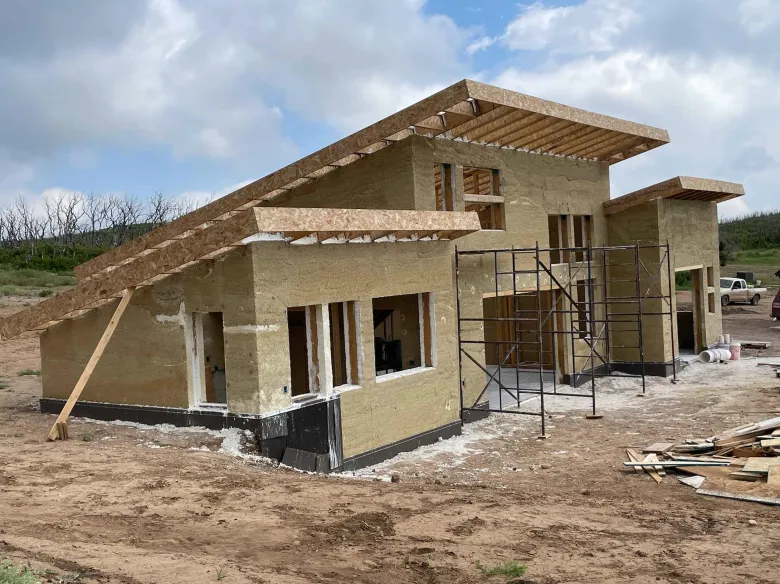
The term “bio-based” refers to materials derived from living or once-living organisms—typically plants. These include hempcrete, bamboo panels, flax-based insulation, straw bales, and mycelium bricks (yes, mushrooms). Unlike traditional materials that require mining, smelting, or high-carbon production processes, bio-based products often regenerate yearly, absorb CO₂ during growth, and can break down harmlessly at end of life.

But these aren’t backyard garden materials—they’re becoming serious contenders for structural and thermal performance. Hempcrete, for example, offers excellent insulation and vapor permeability while being fire-resistant and carbon-negative. Bamboo is stronger than steel in tension and can be processed into sleek laminated panels rivaling engineered wood.

As demand grows for homes that are healthier to live in and lighter on the planet, the raw materials are literally sprouting beneath our feet.

One reason bio-based materials are catching on now is timing. Climate anxiety is high. Government incentives are shifting. Builders are seeking greener materials that don’t cost double. And modular construction is poised to take full advantage.

Why? Because offsite builders operate in controlled environments where new materials can be tested, refined, and scaled. You’re not battling weather delays or inconsistent labor on-site. You can prototype a wall panel made from hemp-lime composite on Monday and tweak the process by Wednesday. That’s a level of agility that site-built contractors can only dream of.

Factories that partner directly with growers or regional suppliers also stand to benefit from material consistency and price stability. As global supply chains wobble, building local may not just be eco-friendly—it might be necessary.

Let’s say you’re building a small-footprint modular home with high thermal requirements and an eco-conscious client base. Traditionally, you might use fiberglass insulation and standard gypsum board. But imagine this:

  • Walls framed with laminated bamboo
  • Insulated with flax or straw panels
  • Sealed with lime plaster
  • Wrapped in mycelium board for breathability and fire resistance

Every one of those materials is plant-based, and every one of them can be pre-assembled in an offsite production facility. The result? A modular home with significantly lower embodied carbon, better indoor air quality, and a compelling story that resonates with next-gen buyers.

That’s not fiction. That’s what a growing number of European factories—and a few bold U.S. operations—are doing right now.

Of course, not everything’s rosy in the bio-based world. There are real challenges that make some factory owners raise an eyebrow:

  • Code compliance: Many building officials still don’t know what to do with hempcrete or straw walls. Testing and certifications lag behind.
  • Supply chain limitations: Consistent sources of plant-based materials aren’t available nationwide. This makes regional adoption more feasible than national rollout (for now).
  • Processing complexity: Turning raw plant material into construction-grade components isn’t easy. It requires drying, treatment, forming, and quality control that not all startups are ready to handle.

But none of those are deal-breakers. They’re infrastructure problems, not product problems. And infrastructure can be built.

Offsite construction has always been about optimization—doing more with less, faster, cleaner, and more consistently. Bio-based materials offer the same logic: more performance from less input, faster renewability, cleaner lifecycle, and consistent thermal or structural behavior once scaled.

They also offer a marketing advantage. People want to live in homes that feel like they belong to the earth, not ones built like a machine. If a modular factory can tell a client, “This home was grown before it was built,” that’s a story that sticks.

We’re entering a time where materials need to do more than just meet spec sheets. They have to meet expectations, values, and climate goals. And if you’re in offsite construction, you’re already ahead of the curve. Why not stay ahead by planting something new?

The rise of bio-based building isn’t a flash in the pan—it’s a seedling industry, still growing but deeply rooted in both innovation and common sense. As more offsite factories explore ways to differentiate themselves, solve climate challenges, and meet shifting market demands, the field-to-foundation model is going to bloom.

So the next time someone tells you modular homes are just “boxes,” you can smile and say, “Yes—and some of us grow the box before we build it.”

Want to see which plant-based building startups are making waves in offsite? Stay tuned for our next piece where we spotlight 5 innovators quietly changing the way homes are grown.

Gary Fleisher

Contact Gary

Gary Fleisher is the Leading Observer of the Offsite Housing Construction Industries. He has been actively involved in researching and writing about the latest trends and developments in the industry for over a decade now.

With his extensive knowledge and experience, Gary has emerged as a go-to expert for businesses looking to stay ahead of the curve in the modular construction industry. In addition to his work as an editor, he is also a sought-after speaker and consultant who has helped numerous companies achieve strategic and operational success.

From Resistance to Acceptance: How Communities Are Embracing Accessory Dwelling Units (ADUs)

As housing challenges continue to grow, communities across the country are beginning to embrace Accessory Dwelling Units (ADUs) as a smart, flexible, and compassionate solution.

.

For decades, ADUs—those small, secondary homes built on the same property as a primary residence—faced widespread resistance. Often dismissed as “granny flats,” “backyard cottages,” or even zoning loopholes, they struggled against restrictive municipal codes, neighborhood opposition, and skepticism about their long-term impact.

But in a notable shift, that resistance is giving way to increasing acceptance—and in many places, genuine enthusiasm. Why the change? A perfect storm of shifting demographics, skyrocketing housing costs, aging populations, and evolving notions of home have led cities and citizens alike to take a fresh look at ADUs. In the process, these modest-sized dwellings are being reimagined as a critical piece of the offsite and affordable housing puzzle.

The Quiet Revolution in Housing

The ADU movement isn’t loud. It doesn’t come with the towering cranes or sprawling developments of traditional housing expansion. Instead, it’s a grassroots, lot-by-lot transformation—often happening in backyards, garages, and basements. But its collective impact is starting to echo across the housing landscape.

photo – Wolf Industries

ADUs offer a form of “gentle density,” allowing cities to increase housing stock without fundamentally changing the look and feel of a neighborhood. A single ADU can provide a home for a grandparent, a returning college student, a caregiver, or a tenant seeking an affordable option in an otherwise unaffordable neighborhood.

And because ADUs can be built offsite—prefabricated, modular, or panelized—then transported and installed quickly, they’re increasingly attractive to forward-thinking developers and factory-built housing manufacturers alike. The offsite construction industry has a major role to play in the next phase of ADU expansion.

Cities Rethinking the Rules

Policy is one of the biggest drivers of this newfound momentum. In the past, zoning laws limited or outright banned ADUs in many urban and suburban areas. Homeowners faced cumbersome permitting processes, high fees, and rules that made it nearly impossible to build a second unit—even on a large lot.

Now, municipalities are rethinking their approach. Los Angeles, for example, saw ADU permit applications rise from a few hundred in 2016 to over 5,000 annually after simplifying the permitting process and removing many legal barriers. Portland has waived development charges for ADUs. Seattle and Austin have passed legislation that allows for more flexible designs and use cases.

photo – Boxabl

In California, statewide laws now permit ADUs on virtually any single-family lot, making it easier than ever for homeowners to add value and flexibility to their property. Some cities are even offering pre-approved ADU plans to help streamline construction, many of which are ideal for modular or panelized construction.

This change in regulation isn’t just about supply—it’s about attitude. City leaders are increasingly seeing ADUs not as threats to community character, but as tools to enhance it.

A Cultural Shift Toward Multi-Generational Living

Beyond regulation, there’s a growing cultural acceptance of ADUs as part of a larger rethinking of what home life can and should look like. Multi-generational living is back on the rise in the U.S., driven by economic pressures, caregiving needs, and cultural values.

ADUs provide the ideal physical space for this shift. They offer privacy and independence—key for both older and younger residents—while keeping family close. Whether used to house aging parents, give adult children a financial leg up, or accommodate live-in caregivers, ADUs can be adapted to a wide range of evolving household needs.

With the rise of remote work and a freelance economy, some homeowners are also using ADUs as home offices, studios, or even Airbnb rentals—helping to pay the mortgage and build financial resilience.

A Big Opportunity for Offsite Innovators

The growing popularity of ADUs presents a unique opportunity for offsite construction manufacturers, especially those specializing in high-quality small-footprint designs. Modular factories are uniquely positioned to serve the ADU market: they can build units quickly, under controlled conditions, and deliver them ready-to-install on-site in a fraction of the time it takes for traditional stick-built construction.

Several companies, including Champion Homes, Boxabl, and Wolf Industries, are already capitalizing on this trend with factory-built ADU models. These units are often energy-efficient, architecturally appealing, and built to local code before they even leave the factory.

photo – Champion Homes

The ADU market also aligns perfectly with sustainability goals. Smaller homes use fewer materials, generate less waste, and are more efficient to heat and cool. As climate-consciousness becomes an increasingly important part of housing policy and consumer decisions, ADUs—and the modular builders who produce them—are likely to benefit.

Overcoming Lingering Concerns

Of course, not everyone is convinced. Some neighborhood associations still raise concerns about parking, privacy, and property values. Financing can also be a hurdle, as not all lenders are familiar with ADU valuation or willing to offer flexible terms for factory-built units.

But even these barriers are being addressed. More lenders are developing ADU-friendly products, and education efforts by cities and housing advocates are helping to dispel myths. Many cities now require owner-occupancy for one of the units on the property, and they’re tightening regulations on short-term rentals to ensure ADUs serve long-term housing needs.

The data supports their efforts: studies show that ADUs do not significantly increase neighborhood density, nor do they decrease property values. In fact, many homeowners see an increase in resale value after adding an ADU—especially when it’s well-designed and factory-built for performance and longevity.

Looking Ahead

The rise of ADUs reflects a broader shift in how we think about housing. In a world where many Americans are priced out of traditional homeownership, and where land is increasingly scarce in urban cores, the idea of doing more with what we already have is gaining traction.

For the offsite construction industry, ADUs are more than a product category—they’re a proving ground for innovation, speed, and customer satisfaction. Builders who can deliver turnkey, code-compliant, attractive units that blend into existing neighborhoods will be in high demand. And those who pair smart design with smart financing solutions may find themselves leading the ADU revolution.

Most of all, ADUs are about meeting people where they are. They’re about giving families options, cities flexibility, and homeowners tools to thrive in a rapidly changing world. And that’s the kind of innovation we at Offsite Innovators will always celebrate.


Interested in showcasing your factory-built ADUs or ADU-related products on Offsite Innovators? Contact me to learn more about sponsorship opportunities and how to feature your work in our upcoming spotlight series.

Why Gen X Home Buyers Are Embracing Innovative Aging-in-Place Design

When most people think about aging-in-place design, they picture retirees adding grab bars to bathrooms or installing stair lifts after a fall. But a growing number of homebuyers in their mid-forties are shifting that narrative—thinking ahead, planning wisely, and choosing homes that can support them not just now, but decades down the line.

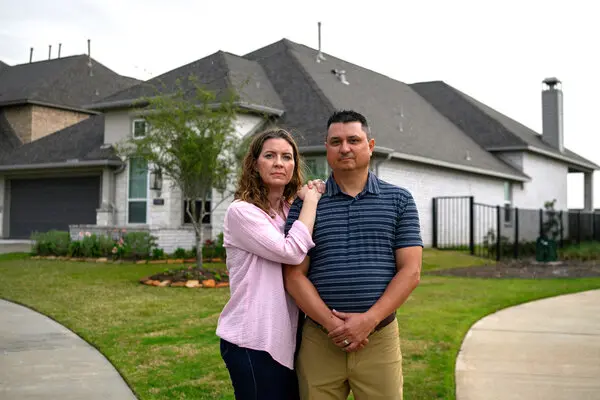
Gen X new home buyers

These buyers are part of a quiet but powerful trend: investing in homes that will let them age with grace, dignity, and independence. They may be years—or even decades—away from needing mobility support, but they understand that life is unpredictable. They’ve seen their parents struggle in homes not designed for aging and want to avoid making the same mistake.

While lifts and open floorplans are often the first things people associate with aging-friendly homes, today’s proactive buyers are looking for much more than that. They’re looking for thoughtful, flexible design that blends seamlessly into a beautiful home.

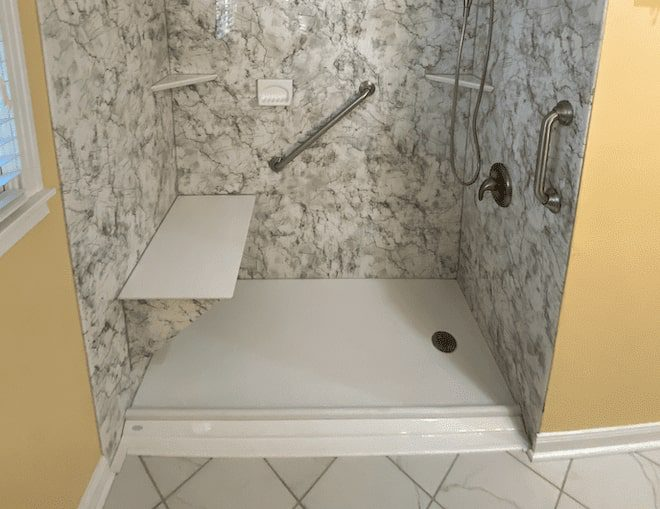
One of the first features these buyers consider is the bathroom. Rather than waiting until mobility becomes an issue, they’re requesting zero-threshold showers, sometimes with sleek, fold-down benches that don’t shout “hospital room.” Aesthetically pleasing grab bars double as towel racks, and they’re choosing comfort-height toilets and lever-style faucets that are easier on aging joints—even if they don’t need them yet. This kind of subtle planning ensures the home can remain usable and safe without requiring major renovations later.

Main-floor primary suites are also becoming non-negotiable. Buyers are more often seeking single-level homes or at least homes where the main living areas—kitchen, bedroom, full bath, and laundry—are all on the ground floor. Even if they enjoy using stairs now, they want to know they can stay in their home without needing to climb them every day. In some cases, two-story homes are designed with flexibility in mind, offering stacked closets that can easily be converted into a future elevator shaft.

.

Another subtle but important feature gaining attention is the width of doorways and hallways. Traditional doorways can feel tight even to someone without mobility challenges, so today’s forward-thinking homeowners are requesting wider passageways—typically 36 inches or more. This added space ensures easy navigation whether someone is pushing a stroller today or a walker many years from now.

Flooring choices are also a part of this conversation. Hard surfaces that are slip-resistant, easy to clean, and gentle on joints are becoming more popular. Homebuyers are choosing materials like luxury vinyl planks or engineered hardwood, which offer the look of traditional wood but without the maintenance headaches or fall hazards. Carpet is being minimized, often reserved only for bedrooms, where softness underfoot is most appreciated.

One of the most forward-looking considerations is the use of flex rooms. Instead of locking into fixed-use spaces, mid-forties buyers want rooms that evolve with their lifestyle. A guest bedroom might double as a home office today, then later transition into a caregiver’s room or even a telehealth space. The ability to shift how a space is used over time is a hallmark of successful aging-in-place design.

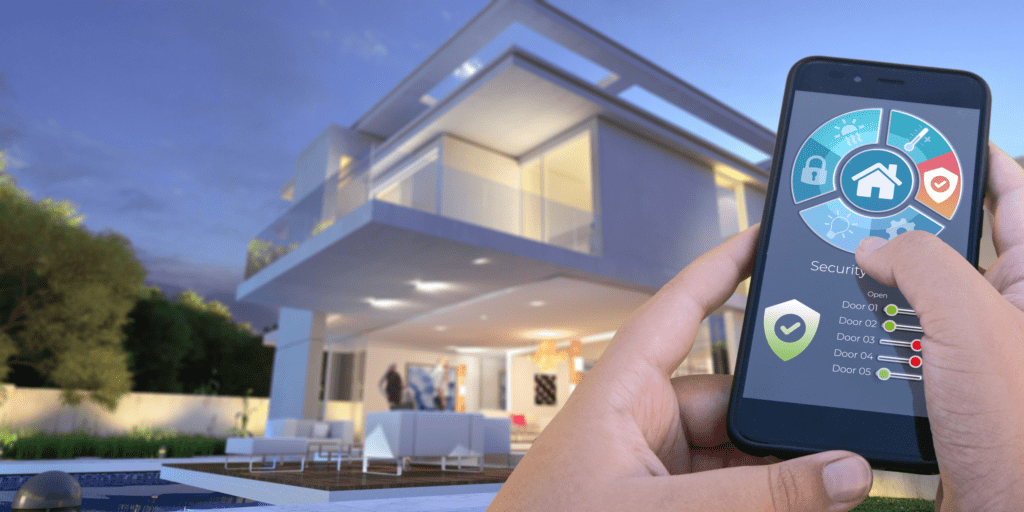
Technology is playing an increasing role in this movement as well. Smart home features—like voice-activated lighting, locks, and thermostats—are no longer futuristic add-ons; they’re part of the initial design conversation. Buyers are also opting for video doorbells and home monitoring systems that allow them to stay in control without needing to rush to the front door. Many of these systems can be integrated with aging-in-place technology later, offering additional support without more construction.

While most homebuyers don’t think about HVAC systems as part of aging-in-place design, the more conscientious ones are planning ahead. Zoned systems, with separate thermostats for different parts of the home, make it easier to maintain comfort without the need to walk room to room. Some are even choosing to pre-wire their homes for future upgrades, including stair lifts, elevators, and backup power sources.

Lighting design also plays a key role. Larger windows and natural light sources help with visibility and mental well-being—something that becomes more critical with age. Layered lighting—ambient, task, and accent—helps prevent falls and makes nighttime movement safer.

Entryways are getting a makeover too. Zero-step entry—usually from the garage—is becoming standard for these buyers. They also appreciate a covered porch or patio, which provides comfort and ease for outdoor relaxation, regardless of future mobility concerns.

Ultimately, the desire to age in place isn’t about preparing for the worst. It’s about preparing for whatever life brings, with a sense of freedom and peace of mind. Homebuyers in their forties aren’t panicking about the future—they’re simply designing for it. They want homes that offer not just beauty and functionality today, but also flexibility, accessibility, and dignity tomorrow.

In doing so, they’re quietly reshaping how the homebuilding and remodeling industries think about longevity. They’re proving that aging-in-place isn’t just about surviving in your home—it’s about thriving in it, at every age.

Gary Fleisher

Contact Gary

Gary Fleisher is the Leading Observer of the Offsite Housing Construction Industries. He has been actively involved in researching and writing about the latest trends and developments in the industry for over a decade now.
With his extensive knowledge and experience, Gary has emerged as a go-to expert for businesses looking to stay ahead of the curve in the modular construction industry. In addition to his work as an editor, he is also a sought-after speaker and consultant who has helped numerous companies achieve strategic and operational success.