Second in a series on improving Offsite Business Opportunities Recently, a respected leader in the offsite industry made a comment on LinkedIn that should have
First in a series on improving Offsite Business Opportunities For many builders and developers, the idea of switching to modular construction sounds straightforward. After all,
A Simple Habit That Can Change Your Entire Factory
Originally, I thought of writing this just for offsite factory owners and general managers, but as the words started to form, I realized something important: this message is for everyone. Everyone in an offsite construction factory. Everyone in any workplace, really. It’s about something so simple it almost sounds silly—and yet, it might just change your entire day.
It’s called: STOP, SMILE, and LISTEN.
Starting the Day on Empty
Imagine yourself as the owner or GM of an offsite construction factory. You’re building wall panels, components, or full modular homes. It’s 8:00 AM. You pull into your reserved parking space, walk through the front doors without making eye contact with anyone, and head straight to your office. You sit at your desk, take a deep breath, and wonder who or what is going to f**k up your day.
Sound familiar? That’s how far too many people start their morning—closed off, braced for the worst, and already wearing their frustration like armor. It’s not malicious. It’s just habit. But it’s also contagious.
Seeing What’s Already Going Right
Now let’s imagine something different. As you pull into that parking space, picture a big sign bolted to the wall in front of you: STOP, SMILE, and LISTEN.
So you stop. You look around. The production line is humming, your employees are already inside working, and trailers are lined up outside with modules ready to ship—real homes that someone chose to buy from your company. In the visitor parking area, you spot a couple of unfamiliar cars. Someone is here, right now, hoping to do business with your company.
That’s amazing, isn’t it? You just saw it—and appreciated it—instead of walking past it.
Creating Small Sparks of Connection
You step through the front door and are greeted by your receptionist. Normally you’d nod and keep walking, but today you stop.
“How are you doing this morning?” you ask.
“OK,” they answer, which these days can mean anything from “fine” to “hanging on by a thread.”
This is where you deliver your first SMILE of the day. “Just OK? It’s a beautiful morning out there.”
And suddenly, something shifts. They either agree and smile back, or maybe they open up about something personal—a sick child who’s finally better, a great dinner they had last night, or just the relief of finishing a tough week.
And you listen.
That simple, sincere moment has power. The person who greets everyone who walks in the door is now carrying a little spark of warmth, and they’ll pass it along to the next person who comes through. You don’t have to do it every day, but do it enough, and it becomes part of the air your team breathes.
Making It a Daily Practice
Keep doing this. Ask the receptionist who the visitors are meeting with. If someone new is talking with your corporate buyer, knock on the door, step in, shake their hand, and say, “Welcome to our factory.” Then walk out. That’s it. It’s not your job to buy things, but it is your job to build relationships.
A couple of times a week, stroll the production line. Stop for thirty seconds next to someone doing a great job or trying something new. Smile. Listen. Let them know you see them. Do the same with a salesperson you bump into in the hallway. These aren’t interruptions; they’re investments.
Why It Changes Everything
Before long, this practice rewires your mornings. The dread of “what’s going to go wrong today” gets replaced by “look at what’s already going right.” Negativity loses its grip.
Even better, you’ll start to really know the people who’ve chosen to work for you—their names, their stories, their talents. You’ll see them as more than job titles or productivity stats, and they’ll see you as more than a signature at the bottom of a paycheck.
And that is how workplaces transform—not with a grand announcement, but with one small decision made every day: STOP, SMILE, and LISTEN.
Walk into any offsite construction event, from IBS to a regional builders’ association meeting, and you’ll hear it. Factory owners swapping stories over coffee, leaning on bar counters, or waiting in line for a shuttle bus. And like clockwork, advice flows freely—everything from how to solve labor shortages to why you should (or shouldn’t) add automation to your production line.
Here’s the curious part: many of those same owners, who have written checks to consultants and advisers to help guide their operations, will hang on the words of complete strangers. A two-minute hallway chat suddenly feels more convincing than a twenty-page paid report. Why does this happen? Let’s dig in.
The Allure of “Free”
There’s no denying the pull of “free.” Free advice feels like a gift. It costs nothing to listen, and there’s no obligation to act on it. Owners can take it, twist it, or toss it aside without a second thought. That low-pressure dynamic makes them more receptive in the moment.
By contrast, paying for advice changes the entire psychology. Once an owner has shelled out thousands of dollars for a consultant’s time, the words on the page suddenly become a test. The owner wonders, “Is this really worth what I paid?” That mindset shifts them from open-mindedness into defense mode, hunting for reasons to doubt rather than reasons to implement. Free advice can be welcomed with a smile. Paid advice can feel like a debt that must be justified.
The Myth of the Hidden Agenda
When a stranger casually offers a tip, it feels unbiased—just one professional helping another. The reality is murkier: that “neutral” voice might be a supplier nudging you toward their product line, or a competitor subtly discouraging you from a market they want to protect. But in the moment, it feels genuine. Owners instinctively trust people who appear to have no skin in the game.
On the flip side, paid advisers walk in wearing the badge of “consultant,” and the meter is running. Even though their livelihood depends on delivering useful, actionable advice, owners can’t help but think: “Are they saying this because it’s best for my factory, or because it makes them look smart and keeps the checks coming?” The suspicion, fair or not, makes owners filter their words through a lens of skepticism.
Ego, Pride, and the Fear of Being Taught
Owning a factory takes confidence. Day after day, these leaders make decisions that affect hundreds of workers, millions of dollars in material, and the trust of developers counting on them. They’re accustomed to being the one giving orders, not receiving them.
Hiring a consultant means admitting—out loud—that there’s something they don’t know, or worse, something they may have been doing wrong. That hits the ego hard. By contrast, listening to a stranger in a casual setting feels like nothing more than trading experiences. There’s no loss of pride, no spotlight on their blind spots, and no written record reminding them of their shortcomings. For many, it’s easier to nod along to a stranger’s advice than to sit across a desk and be “taught” by a paid professional.
Peer Validation vs. Painful Truths
Humans love validation. And in the offsite industry, it’s especially comforting when someone else agrees with what you’ve been thinking all along. Strangers often deliver that kind of reinforcement. They’ll echo the common wisdom of the industry: “Don’t overcomplicate your production line,” or “Stick to what you know works.” Owners light up at those words because they already wanted to believe them.
Advisers, however, are paid to disrupt comfortable thinking. Their job isn’t to soothe—it’s to challenge. That often means pointing out inefficiencies, naming the sacred cows that need to go, or suggesting painful restructuring. Nobody likes to hear that their star project manager is actually dragging down productivity, or that their factory layout is costing them 10% in wasted labor. Validation makes you feel right. Truth makes you uncomfortable. Guess which one is easier to swallow at a cocktail reception?
The Barstool Advantage
The context of where advice is given matters more than most people admit. A casual chat over a drink or a chance encounter on the trade show floor is informal, low-stakes, and—crucially—forgettable. Owners can hear it, process it, and file it away without the pressure of immediate action. It’s advice without accountability.
The boardroom, however, is a different beast. When a consultant walks in with charts, data, and a slideshow, the weight of responsibility hangs in the air. Every recommendation sounds like a directive. Every suggestion carries an implicit, “If you don’t act on this, you’re ignoring my expertise.” That formality makes owners bristle. It turns advice into a burden. On the barstool, they’re free to listen. In the boardroom, they feel forced to decide.
The Real Irony
What makes this phenomenon truly ironic is that the advice itself often overlaps. A consultant might spend weeks analyzing operations to conclude that automation isn’t the right move yet. Then, at the next industry mixer, a stranger shrugs and says, “Robots? Waste of money right now.” Guess which version the owner repeats to their management team the next morning? The casual one-liner.
It’s not that the consultant was wrong—the stranger simply delivered the same advice in a less threatening package. The professional analysis becomes more convincing only after it’s been echoed by a neutral voice. In other words, strangers often get the credit for planting seeds that advisers carefully sowed.
So, What’s the Fix?
Owners don’t need to stop listening to strangers. Some of the best insights come from casual encounters, and there’s value in the raw honesty of peers. But smart leaders learn to separate advice that feels good from advice that holds up under scrutiny. Strangers can provide sparks. Paid advisers can help build the fire.
The fix is to use both wisely: enjoy the validation of casual conversations, but weigh them against the grounded, data-driven perspective of professionals who have seen dozens of factories succeed—and fail. True advisers don’t just give opinions. They give context, consequences, and accountability. And when the stakes are as high as keeping a factory profitable, accountability is worth a lot more than a free tip at a trade show.
In the end, the choice is simple. The guy at the bar might buy you a drink, but the adviser you paid is the one making sure your business can still afford the next round.
For generations, $80,000 a year was the picture of middle-class comfort. Families earning it could buy a house in a decent neighborhood, drive a reliable car, pay the bills, and even set a little aside for vacations and college funds. It was the number that seemed to promise stability. But today, whether $80,000 represents “doing well” or “barely hanging on” depends entirely on where you happen to live.
Let’s take a closer look at how far an $80,000 income goes for a family in different corners of the country—and why in some places it’s still a ticket to the American Dream while in others it won’t even cover the rent.
The National Rule of Thumb
Economists, lenders, and housing advocates all use a simple set of guidelines when it comes to affordability. The rule of thumb is that no more than 30% of gross income should go toward rent and no more than 28% toward a mortgage payment that includes principal, interest, taxes, and insurance.
For a family making $80,000 a year:
Rent cap: about $2,000/month
Mortgage (PITI) cap: about $1,867/month
That’s the math. And in much of the country, it works. But what happens when those benchmarks collide with the realities of local housing markets?
Where $80,000 Still Works
If you’re living in Minneapolis, Savannah, Phoenix, or Hartford, $80,000 a year still feels like a respectable income. Average rents in these cities range from about $1,500 to $2,000 a month, comfortably under the affordability threshold. Median home prices, which hover between $320,000 and $470,000, also align with what banks would approve for an $80,000 household with a conventional loan.
In cities like these, renting is achievable without financial stress, and buying a modest home—while not cheap—is still realistic. A family can have a backyard, send kids to local schools, and keep up with car payments without needing two high-powered incomes. In short, the math still works.
And if you go further into the Midwest, the South, or smaller metros across the interior West, $80,000 isn’t just workable—it’s comfortable. In many of these regions, families can pay the mortgage, take trips to the lake, and maybe even have enough left over for that new truck or a college savings plan.
Where $80,000 Falls Apart
Travel to the coasts, however, and that sense of security evaporates. The very same income that stretches nicely in Minneapolis collapses under the weight of housing costs in California, New York, Boston, Seattle, and Washington, D.C.
In San Francisco and Silicon Valley, median home prices soar well above $1 million. Even average rents push past $3,500 a month—nearly double what an $80k household can afford. In New York City, median rents for a family-sized apartment can easily hit $3,000–$4,000 a month, and buying a home in any borough is nearly impossible without six-figure incomes. In Boston, the average home costs around $750,000 and rents average over $3,000. In Seattle, the median home price is about $850,000, while rents hover in the $2,500–$3,200 range. And in the D.C. metro, both rents and home prices overshoot what an $80k household can reasonably manage, leaving little room for savings or emergencies.
In these markets, $80,000 no longer represents middle-class stability. Instead, it often means trade-offs: smaller apartments, longer commutes, and fewer chances to build wealth through homeownership.
The Borderline Cities
There are also “in-between” metros where $80,000 gets stretched thin but hasn’t yet snapped. Denver, Austin, Portland, and Miami fall into this category.
Denver’s median home price sits around $600,000, with rents averaging $2,200. Austin’s once-affordable housing now averages close to $500,000, with rents over $2,200. Portland homes average $550,000, with rents in the $2,000–$2,500 range. Miami combines rising home costs of about $550,000 with high rents around $2,500, fueled by strong demand from out-of-state buyers and investors.
In these metros, $80,000 can still cover rent, but homeownership often requires two incomes, a hefty down payment, or a willingness to move further from the urban core. It’s a middle ground where families survive but don’t thrive, and the dream of buying a home feels increasingly out of reach.
What Changed
The reason $80,000 works in one part of the country and fails in another comes down to a mix of supply, wages, and geography. In many coastal cities, job growth has outpaced the supply of housing for decades. Zoning restrictions, geographic constraints, and community resistance have slowed development, leaving families competing for too few homes. At the same time, wages for middle-class households haven’t kept pace with housing costs, even in places like San Francisco or Seattle where higher-paying jobs exist. The result is a lopsided market where an $80,000 household finds itself going head-to-head with families making double or triple that income. Meanwhile, in the Midwest and much of the South, land is abundant and development costs are lower, allowing families earning the same $80,000 to buy into a comfortable lifestyle with far less pressure.
The Bigger Story
This divide reveals more than just numbers on a spreadsheet—it highlights the widening geography of opportunity in America. A family earning $80,000 in Hartford or Savannah can reasonably expect to rent a decent home, save for the future, and even purchase a house. That same family in Los Angeles or Brooklyn, however, may be stuck in a small apartment with rent swallowing their paycheck and ownership nothing more than a dream. What we’re really seeing is how financial security and the possibility of upward mobility are being defined less by income alone and more by where you happen to live. The American Dream still exists, but it’s not evenly distributed. In many ways, it’s become geographically exclusive.
The Bottom Line
An $80,000 annual income is still solidly middle class in much of the country. In Minneapolis, Hartford, and hundreds of small- to mid-sized cities, it’s enough to rent comfortably and even buy a modest home. But in America’s most expensive coastal metros—San Francisco, New York, Boston, Seattle, and D.C.—$80,000 barely covers rent and is nowhere near enough to enter the housing market.
The uncomfortable truth is this: the American Dream hasn’t disappeared—it’s just become geographically exclusive. For families earning $80,000, that dream is alive and well in the Midwest and South, and increasingly out of reach on the coasts.
The next time someone says “eighty grand is a great income,” the most accurate response might be: “Depends where you live.”
If you’ve been around the building industry for more than five minutes, you’ve heard the word modular. It’s the golden child of construction right now—hailed as the solution to housing shortages, rising labor costs, and the need for speed. But here’s the problem: too many companies are calling themselves modular builders when, in reality, they’re just one of many branches on the larger offsite construction tree.
The result? A confusing mess of definitions, inflated promises, and disappointed developers who expected Legos but ended up with a complicated jigsaw puzzle. It’s time we unpack what offsite construction really includes, why modular is just one piece, and why accuracy matters more than ever.
Modular Construction: The Real Deal
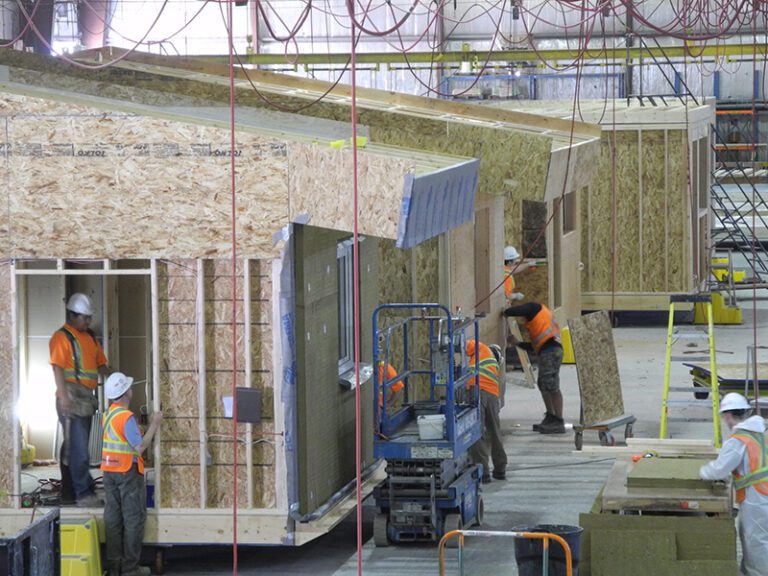
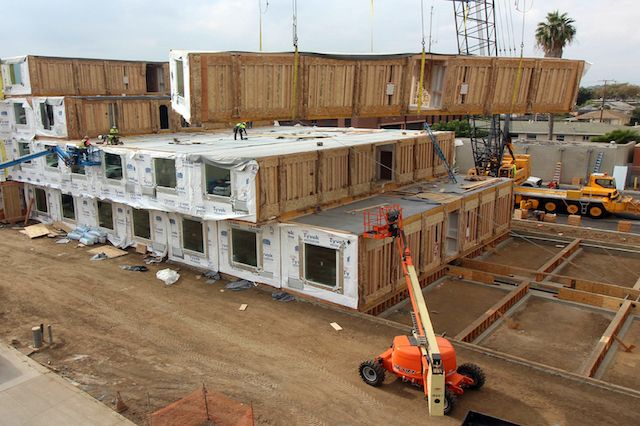
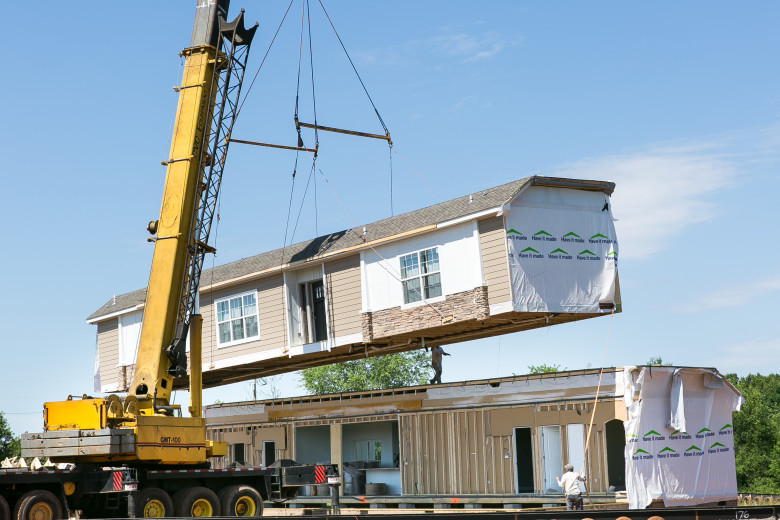
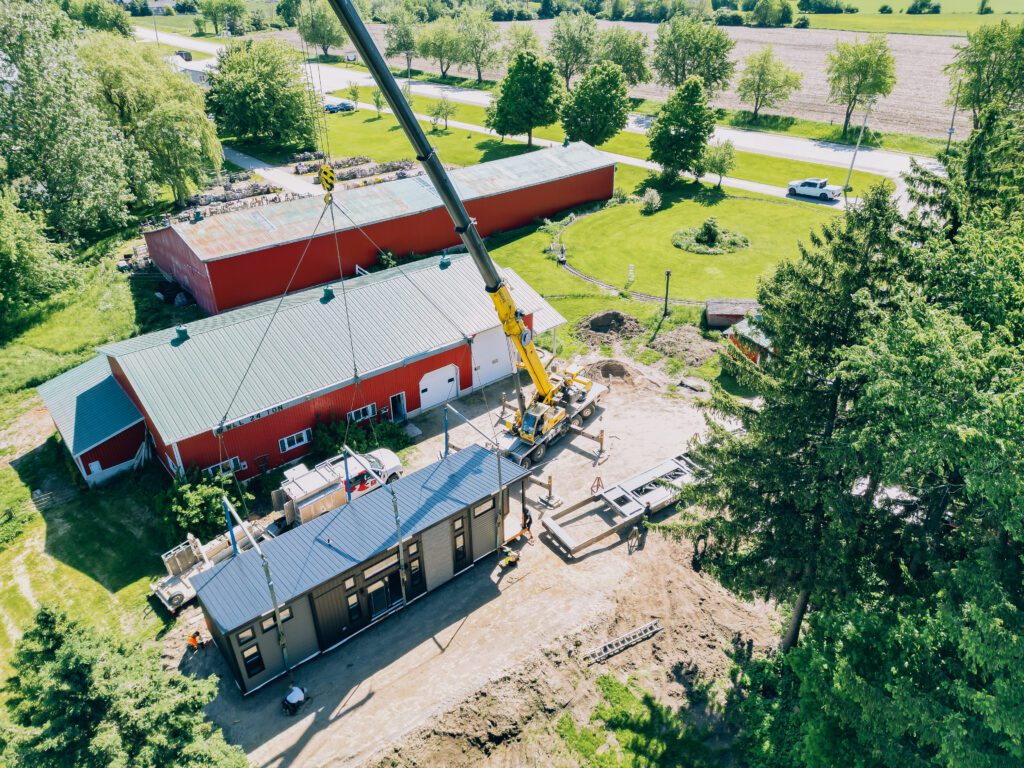
When we talk about true modular construction, we’re talking about volumetric building. Entire three-dimensional sections—modules—are fabricated in a factory, complete with walls, floors, ceilings, wiring, plumbing, even finishes. These modules roll out of the plant 70% to 90% complete, then get craned into place onsite and stitched together to form a full structure.
That’s modular. Hotels, multifamily housing, dormitories, schools, healthcare facilities, and single-family homes have all been built this way. The magic lies in the fact that site prep and module fabrication can happen at the same time. What used to take months or years on a muddy jobsite can now be compressed into weeks of installation.
It’s a proven system, backed by decades of real projects. But modular is just one branch of the offsite family tree.
The Many Faces of Offsite
The broader umbrella is called offsite construction. This includes everything built in a factory or controlled environment and then transported to the final site. And under that umbrella are many distinct methods, each with its strengths and weaknesses.
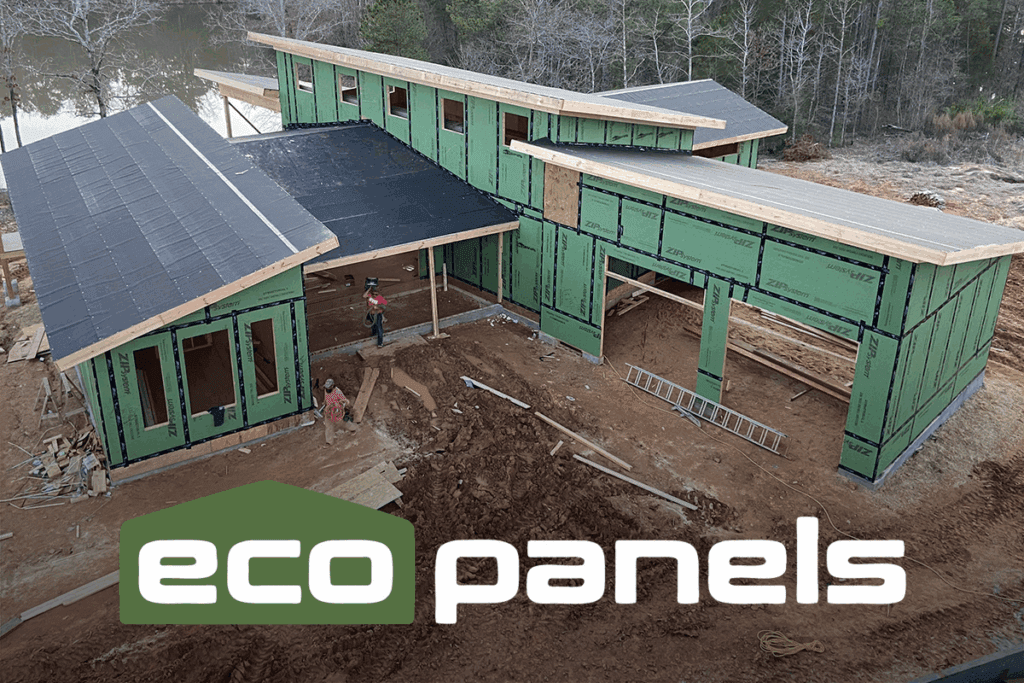
Panelized Construction: Think of this as the IKEA version of homebuilding. Wall, floor, and roof panels are manufactured in a plant, then shipped flat to the jobsite for assembly. Faster than stick-built but still heavily reliant on onsite crews.
Precast Concrete: Columns, beams, walls, and slabs are cast in factories for precision and durability, then assembled on-site. Perfect for stadiums, bridges, and commercial structures, but it’s not modular housing.
Mass Timber and CLT: Cross-laminated timber panels are manufactured and then stacked like giant Jenga pieces onsite. Sustainable, attractive, and gaining popularity, but still a panel system, not modular.
Steel Frame Systems: Light-gauge or heavy structural steel is pre-engineered and shipped for rapid framing. Invaluable for high-rises and warehouses. But again—structural system, not modular.
Bathroom and Kitchen Pods: Entire bathrooms and kitchens arrive fully plumbed and finished, ready to drop into a larger structure. They save time and improve quality but are components, not buildings.
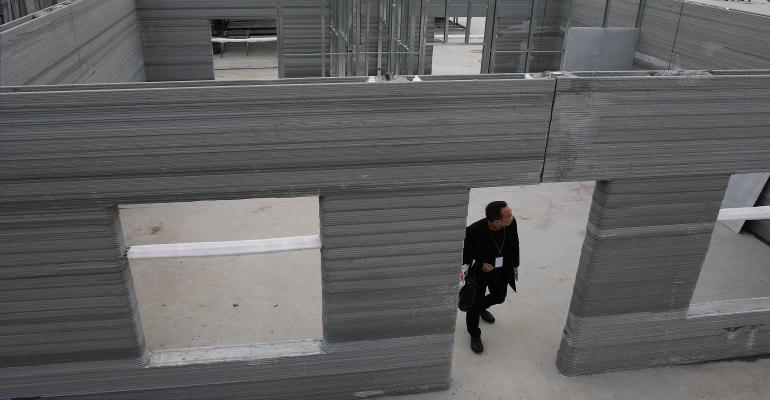
3D Printing: Layer by layer, walls and even entire houses are printed—sometimes onsite, sometimes in factories. Innovative? Absolutely. Modular? No.
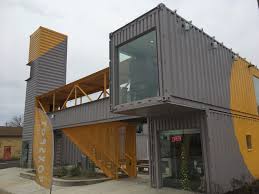
Shipping Container Construction: Old cargo boxes reborn as housing or offices. A form of volumetric construction, yes, but not traditional modular.
Manufactured Housing (HUD Code): Factory-built homes on steel chassis, governed by a federal code. Affordable and essential, but a completely different regulatory path than modular.
Each of these methods deserves recognition. They’re all legitimate parts of the offsite world. But when you start calling all of them modular, you’re not just oversimplifying—you’re misleading.
Why Everyone Wants the Modular Label
Here’s the uncomfortable truth: the word modular sells. It grabs headlines. It opens wallets. It reassures city councils, developers, and lenders that what they’re buying is part of a revolution in construction.
For startups chasing investor dollars, calling themselves modular feels like the fastest way to credibility. For marketing teams, it’s easier to slap the modular label on a process than to explain panelization, hybrid, or precast. Even well-meaning companies fall into the trap because modular has become shorthand for “modern, fast, affordable.”
The problem? When panelized factories start calling themselves modular factories, or when 3D printing startups claim to be the future of modular housing, confusion follows. Developers expecting complete volumetric modules are instead handed panels that require significant on-site labor. The timeline stretches. The budget swells. And the reputation of modular construction takes the hit, even though modular wasn’t really at fault.
Case in Point: The “Almost Modular” Projects
You don’t have to look far to find examples.
Panelized Factories Branding as Modular: Several new North American plants have opened in the last three years, producing high-quality wall and roof panels. But their websites loudly proclaim “modular housing solutions,” even though what they’re shipping are flat-pack panels. To an uninformed buyer, it sounds like the same thing. It isn’t.
3D Printing Startups: Headlines tout “3D-printed modular homes” when, in reality, what’s printed are walls that still need roofs, floors, and interiors built on-site. That’s construction innovation, yes, but not modular.
Pod Systems Marketed as Modular Buildings: Bathroom and kitchen pod makers often position themselves as modular builders. Pods are valuable pieces of the puzzle, but they don’t make a complete building.
Each example chips away at clarity. And each time a project disappoints because the buyer thought they were getting modular, it hurts the whole industry.
Why Accuracy Matters
Some might shrug and say, “So what? It’s all offsite anyway.” But accuracy matters for three big reasons:
Credibility with Clients: Developers burned once by over-promising and under-delivering will hesitate to try offsite again. If they thought they were buying modular but got panelized, the entire offsite sector looks unreliable.
Policy and Funding: Governments and municipalities are writing incentives and grants specifically for modular housing. If panelized or pod systems slip through under the same label, funding can be misapplied and true modular projects lose out.
Industry Reputation: When “modular” is used as a catch-all, it dilutes the very thing that makes modular special: delivering nearly finished buildings from the factory floor to the foundation.
The Bigger Picture: Offsite as a Family
The industry doesn’t need to fight over labels. Every branch of offsite construction has a role to play in solving the housing crisis and modernizing how we build. Panelization is ideal for custom homes and light commercial work. Pods make perfect sense for repetitive hotel or hospital bathrooms. Precast shines in heavy infrastructure. Mass timber offers sustainability and beauty.
But modular is its own discipline—and it deserves to be recognized as such.
Think of offsite as a family. Modular is one of the children, but it’s not an only child. If we keep calling every cousin and neighbor “modular,” we lose the richness of the family tree.
My Call for Honesty
Here’s my suggestion to the industry: stop hiding behind buzzwords. If you build panels, call them panels. If you print houses, call them printed. If you make pods, call them pods. And if you’re truly modular, don’t be shy about it—but don’t let others misuse the name, either.
The housing crisis is too urgent, and the stakes are too high, to muddy the waters with sloppy definitions. Let’s celebrate every offsite method for what it is, not what it pretends to be.
Because when we call everything modular, nothing really is.
In offsite construction, margins are measured with a microscope. Materials rise and fall in cost like the tides, labor shortages never seem to ease, and project delays chew through profits faster than a dull saw blade through plywood. And yet—despite all the hand-wringing over the economics of building—an astonishing 36% of construction companies are missing out on tax incentives they are eligible for.
That finding, revealed in the 2025 CBIZ Construction Industry Survey, is less a statistic and more a wake-up call. Because in an industry where every penny counts, passing on incentives is the financial equivalent of leaving a pallet of cash sitting in the job trailer.
Why So Many Companies Overlook Tax Incentives
The natural assumption is that the tax code is simply too complicated. After all, most contractors don’t have time to sift through hundreds of pages of IRS guidelines while trying to finish a hospital wing or an apartment building. But that’s only part of the story.
What really drives the oversight is complacency mixed with overconfidence. Many owners believe tax credits are designed for tech firms in Silicon Valley, not builders in Sioux Falls. Others assume their accountants would have flagged anything relevant—never realizing that most generalist CPAs aren’t familiar with construction-specific incentives. And some simply think the potential savings are too small to bother with.
The truth? Some of these credits are game-changers. A single project can generate tens of thousands of dollars in deductions. Multiply that by dozens of projects a year, and the math becomes downright painful for those firms ignoring them.
The Most Overlooked Tax Incentives in Construction
To understand the size of the leak, it helps to look at the types of credits most often left on the table:
1. The R&D Tax Credit
Mention “R&D,” and most people picture scientists in lab coats tinkering with beakers. In reality, construction firms often qualify when they experiment with new building techniques, prefabrication methods, or unique materials. Designing a more efficient HVAC system, testing a modular assembly approach, or even developing custom software to streamline project scheduling can all fall under R&D. Yet, survey after survey shows contractors rarely file for it.
2. The Section 179D Deduction (Energy-Efficient Commercial Buildings)
This one rewards firms that design or retrofit buildings with energy-efficient lighting, HVAC, or building envelope improvements. Architects, engineers, and contractors who lead the work can claim it. With energy codes tightening nationwide, the deduction is practically lying on the table for projects completed every year.
3. The Section 45L Tax Credit (Energy-Efficient New Homes)
Builders of residential projects—especially multifamily—often qualify if they meet certain efficiency standards. With the housing market desperate for new units, 45L could be a lifeline for builders trying to keep costs competitive while delivering affordable housing.
4. State-Level Credits and Incentives
Every state has its own menu of tax goodies. Some support green building, others workforce training, and still others reward companies that build in distressed areas. Yet many firms never check beyond their federal return.
Taken together, these incentives could cover new equipment purchases, fund apprenticeships, or help a company weather the storm of material cost spikes.
The Real-World Cost of Complacency
Let’s put numbers to it. Imagine a mid-sized commercial contractor building a $25 million mixed-use project that includes energy-efficient systems. With proper documentation, they could qualify for the 179D deduction of up to $5 per square foot—potentially saving hundreds of thousands in taxes. Add in R&D credits for experimenting with prefabricated bathroom pods, and the tax break grows.
Now picture that same contractor missing those filings entirely. The money goes back to the IRS, while a competitor down the street pockets the savings, reinvests in new robotics for their prefab line, and underbids the next job.
The survey’s 36% isn’t just a number. It represents firms handicapping themselves financially in an industry that already has razor-thin profit margins.
Why Missing Out Hurts Competitiveness
In construction, cash flow is the oxygen that keeps a company alive. When firms ignore incentives, they’re effectively raising their own tax bills—money that could have funded better wages, retention bonuses, or technology investments.
This matters because the industry is in the middle of a transformation. Companies investing in automation, AI-driven project management, and offsite construction methods are gaining ground. If those firms are also claiming every available incentive while their competitors aren’t, the gap widens even faster.
In other words, not claiming credits doesn’t just hurt the bottom line today—it can also mean being outpaced tomorrow.
How Companies Can Stop Leaving Money on the Table
The solution isn’t rocket science, but it does require a shift in mindset:
Audit the Past Three Years Many incentives can still be claimed retroactively. A company that thought it was too late may discover a significant refund waiting.
Work with Industry-Specific Advisors A general CPA may not have the specialized knowledge needed. Construction-focused tax advisors, or firms that specialize in energy efficiency credits, know where to look.
Integrate Tax Planning into Project Bidding Instead of treating tax season as an afterthought, firms should identify potential credits at the project planning stage. This way, documentation can be tracked in real time rather than reconstructed later.
Assign Ownership Internally Someone in management should be tasked with making incentive discovery part of the company’s annual rhythm—just like safety audits or insurance renewals.
A Cultural Shift: Seeing Incentives as Strategy, Not Perks
Perhaps the biggest hurdle is cultural. Many construction leaders pride themselves on their grit, resourcefulness, and ability to survive on slim margins. There’s almost an unspoken badge of honor in doing more with less. But refusing to pursue incentives doesn’t make a firm tough—it makes it less competitive.
Claiming credits isn’t about cutting corners. It’s about building smarter—using every tool available to create stability, protect jobs, and strengthen profitability.
Looking Ahead
The CBIZ survey should make every construction leader pause. If over a third of the industry is walking past free money, then the problem isn’t just individual—it’s systemic. Training, awareness, and perhaps even industry-wide advocacy are needed to close the gap.
Because in the end, the IRS isn’t going to send a thank-you note for overpaying. They’ll simply take the money and move on. Meanwhile, those companies that wise up will have a stronger balance sheet, better technology, and more staying power when the next economic downturn hits.
In construction, resilience has always been about more than hammer and nails. It’s about strategy, foresight, and knowing where to find hidden value. Tax incentives are one of the easiest wins available—if companies can muster the discipline to stop leaving them on the table.
Walk into a house built in the 1960s, 1970s, or even the 1990s, and you’ll feel the difference before you spot it. There’s a subtle draft around the windows, a little cold pocket by the front door, and if you hold your hand up to an electrical outlet on an exterior wall, you might catch a faint breeze. Those homes weren’t bad—they were just built in a time when airtightness wasn’t a priority. “Fresh air” was what leaked in through the cracks. Energy efficiency wasn’t something codes demanded, and if the power bill was high, that was just life.
Fast-forward to today, and we live in a different world. Building codes, energy programs, and homeowner expectations have transformed the way houses are constructed. Airtightness, high-performance insulation, and controlled ventilation aren’t just features—they’re requirements. And it’s not just engineers and scientists pushing the change; the benefits are now too visible to ignore.
Why Airtightness Became the Big Deal
For decades, the assumption was that a home needed to “breathe.” In reality, what builders called “breathing” was uncontrolled air leakage that wasted energy, caused moisture damage, and pulled in dust, allergens, and pollutants.
Today’s building science focuses on separating two functions:
Keep the building envelope tight. No uncontrolled leaks through walls, ceilings, or floors.
Control ventilation mechanically. Use systems that bring in filtered, measured fresh air and remove stale air on purpose—not by accident.
This shift has given homeowners a level of comfort, efficiency, and indoor air quality that older houses simply couldn’t provide.
The Side-by-Side Difference
The gap between past and present becomes clearer when you compare a typical 1960s–1990s home with one built to today’s codes:
Feature
1960s–1990s Homes
Today’s Code-Built Homes
Air Tightness
Very leaky—air changes per hour (ACH) often 7–12. Drafts felt around windows, doors, and outlets.
Tight envelope—ACH 3 or less is common. Blower-door testing required in many areas.
Insulation
Minimal or inconsistent. Commonly R-11 walls, R-19 ceilings, with gaps or compression.
Relied on “house breathing” for ventilation—often brought in humid or polluted air. Risk of hidden mold and rot.
Dedicated air/vapor barriers and flashing details. Controlled ventilation keeps humidity in healthy range.
Heating & Cooling Systems
Oversized units to compensate for leaks. Low efficiency (AFUE 60–70% for furnaces).
Right-sized systems based on load calculations. High-efficiency (AFUE 90–98%, SEER 16–20+).
Indoor Air Quality
Unfiltered outdoor air leaks in. Pollen, dust, exhaust fumes common indoors.
Mechanical ventilation with filtration (MERV 8–13). Balanced supply and exhaust.
Noise Control
Street noise and neighbor noise easily penetrate.
Airtight construction plus high-performance windows reduce exterior noise substantially.
Energy Bills
High, especially in extreme climates. Seasonal bill swings were dramatic.
30–60% lower heating/cooling costs due to envelope and equipment efficiency.
Code Requirements
Energy efficiency optional; focus on structural safety.
Energy code compliance required—blower door test, insulation verification, duct leakage testing.
Resale Value
Buyers rarely asked about efficiency.
Energy ratings, HERS scores, and certifications can increase resale value and market appeal.
So, What Happens if You Just Open the Windows?
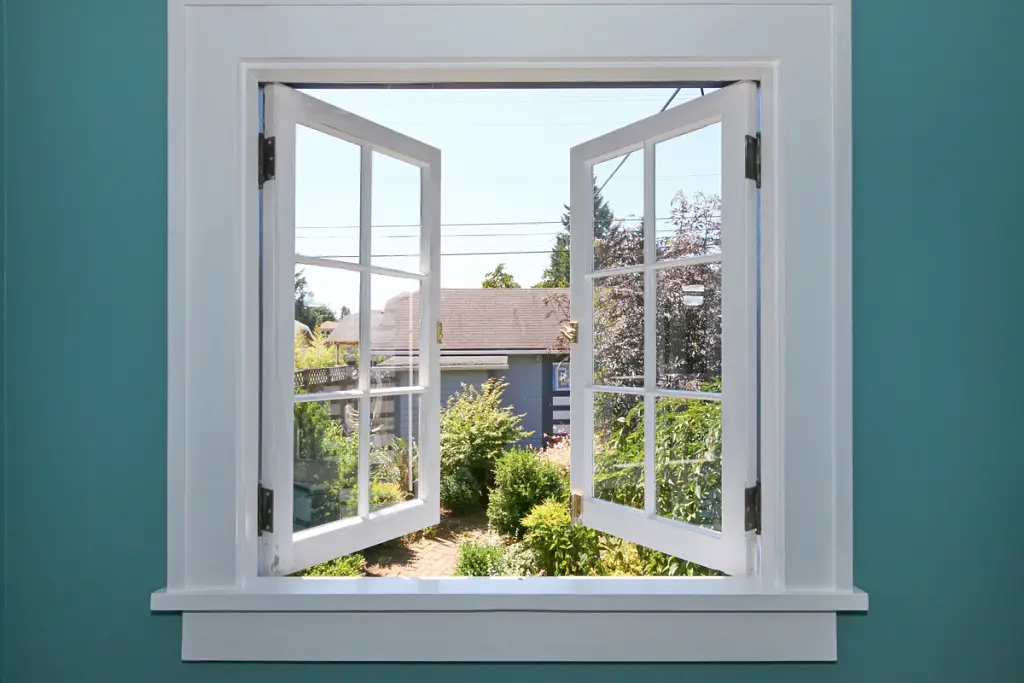
Here’s where myths meet reality. Some homeowners worry that airtight homes mean they can’t enjoy a fresh breeze, or that the indoor air will go stale without cracking a window. That’s not how it works.
Myth: “An airtight house means no fresh air.” Reality: Modern homes have mechanical ventilation systems—like HRVs (Heat Recovery Ventilators) and ERVs (Energy Recovery Ventilators)—that constantly bring in filtered outdoor air and exhaust stale indoor air.
Myth: “If I open the windows, I’ll ruin the airtight benefits.” Reality: Opening the windows on a nice spring or fall day is fine. The key is to avoid doing it when you’re heating or cooling heavily, or during periods of poor outdoor air quality.
Myth: “Fresh air from outside is always better.” Reality: Fresh air is good—but in uncontrolled form it can bring humidity, allergens, and pollutants. Mechanical ventilation gives you fresh air without those drawbacks.
The Real-World Payoffs
The perceived—and now proven—benefits of today’s code-built airtight homes are what drove regulators and builders to change their approach:
Lower Energy Bills: Cutting heating and cooling losses means 30–60% lower monthly energy costs.
Year-Round Comfort: No more cold spots near windows or sweltering sunny rooms.
Durability: Reduced risk of mold, rot, and ice dams from hidden moisture.
Healthier Air: Fewer allergens and pollutants, thanks to filtration.
Peace and Quiet: Less street noise making its way inside.
Resale Advantage: Energy-efficient homes often sell faster and for more.
From “Leaky is Normal” to “Tight is Right”
Homes from the 1960s–1990s were products of their time. Energy was cheaper, codes were simpler, and “airtightness” wasn’t on anyone’s radar. Today’s homes are designed like finely tuned systems—keeping the outside out, the inside in, and giving homeowners the ability to choose exactly how their home breathes.
Airtightness isn’t about locking you inside; it’s about putting you in control. On a perfect day, you can swing those windows open and let the breeze pour in. But when the weather turns brutal, you’ll be glad your home is built like a thermos.
If you’ve ever talked to someone who built a modular home in Ontario, chances are you’ve heard you’ve ever talked to someone who built a modular home in Ontario, chances are you’ve heard the name Quality Homes. For decades, Quality Homes has been leading the charge, helping people rethink what’s possible when it comes to building faster, better, and smarter. While the world around us has undergone significant changes over the past two decades, Quality Homes has managed to grow, evolve, and stay ahead of the curve without losing the personal touch that first put it on the map.
Quality Homes’ journey hasn’t just been about building houses — it’s been about building trust. From the early days to today’s demand for greener, more affordable, and more customized homes, The factory’s team has kept its finger on the pulse of what homebuyers really want. Programs like their Homebuyer’s Ultimate Guarantee (HUG™) and a growing focus on ADUs show that Quality Homes isn’t just keeping up — they’re setting new standards for what modular homebuilding can be.
I recently talked with the Quality Homes’ management team on just how things have changed over the years, and what exciting plans they have for the future. Their insights are a reminder that with the right vision — and the right leadership — modular construction’s best days are still ahead.
Looking back on the past 38 years of Quality Homes, what are the biggest changes you’ve seen in modular housing—whether it’s design, tech, or what buyers expect these days? Honestly, modular design has changed a ton—kind of like the rest of the housing industry. Today, our home plans cover everything from trending styles to smart layouts and affordability. People expect more now, and they should.
We’ve always tried to stay ahead of the curve in Ontario. We’re constantly looking for better ways to build stronger, more efficient homes. Our customers now come in already expecting things like tighter quality control, better energy efficiency, and faster build times compared to site-built homes.
One game-changer has been our automated saws. They cut every board with crazy precision, which means our crews down the line don’t have to compensate for errors—everything lines up perfectly.
And it’s not just the customers. Once local officials see our homes going up in their communities, they’re usually impressed too. We actually get a lot of building inspectors and municipal leaders touring our factory. There’s been more buzz about modular homes in the past few years than we’ve ever seen.
Plus, people are way more informed now. They realize that modular doesn’t mean cookie-cutter. We can include all kinds of custom features in the factory, and when we deliver a home, it’s already 80–85% finished.
How has Quality Homes adjusted to meet Ontario’s growing population, especially with over 463,000 new residents arriving just between 2022 and 2023? We’ve rolled out a new line called The Suite Collection, which is made up of smaller homes—perfect as Accessory Dwelling Units (ADUs). These are between 500 and 750 square feet and are designed to go right into someone’s backyard.
They’ve been a hit with families looking to house aging parents, give grown-up kids a place of their own, or even earn some extra income by renting it out. They work great in farming communities too, where housing for workers is tough to find. And because they’re modular, we can install them with very little disruption to the neighborhood.
What surprised us is that even folks who weren’t thinking about an ADU are now considering downsizing after seeing how much you can do in a smaller footprint.
How has the management team managed to grow the company over the years while still keeping customers happy and maintaining build quality? When we first took over the company, it was focused on mobile homes. We knew we had to change the narrative. So we built the Maitland Model Home—a big, beautiful 2,850-square-foot, two-story house—to prove that modular homes could be large, stylish, and well-built.
We wanted people to see that modular isn’t some cheap workaround. Our homes use better-quality lumber and avoid weather damage entirely. Over the years, we’ve worked hard to shift people’s mindset—from thinking about park models to realizing we can build anything from cozy 500-square-foot cottages to sprawling 5,000-square-foot dream homes.
One of the things we’re proud of is introducing shrink-wrapped modules for transport—an idea we borrowed from shipbuilding. Before that, it was all loose tarps, which wasn’t great in bad weather.
And then there’s our HUG Program—short for Homebuyer’s Ultimate Guarantee. It’s our promise to deliver the price, quality, and completion date we quoted. No bait-and-switch. That’s really helped people feel confident, especially since modular lets us sidestep a lot of the delays that plague site-built homes.
Oh, and let’s not forget about safety. Factory construction is way safer than traditional job sites, and we’ve built a great safety culture here.
Tell me more about the HUG Program—how has that changed things for your customers? It’s been a game-changer. Basically, HUG gives customers peace of mind. Since we build indoors and control our own materials and labor, we don’t run into the usual hiccups from weather or scheduling. That means we can actually guarantee the completion date—and if we miss it, we pay up.
That kind of promise really sticks with people. About a third of our business comes from word of mouth, and the HUG Program is a big reason why. People love knowing exactly what they’re getting: fixed pricing, high quality, and no delays.
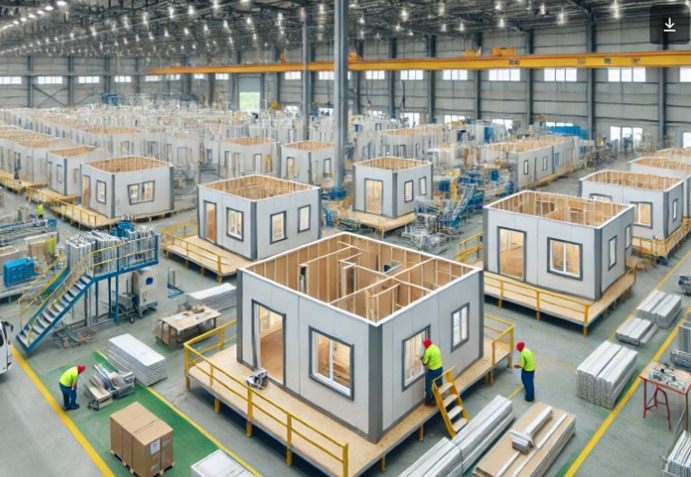
Modular building is often talked about as being efficient and eco-friendly. How has the team put that into practice at Quality Homes? A big advantage for us is building indoors. It means we can buy materials in bulk, store them safely, and never get slowed down by supply chain issues. Each department in our factory has its own space to work efficiently, and everything—from tools to materials—is right where it needs to be.
Our automated saws are wired directly to our design team. So as soon as they send over a cut list, the saws know what to do. And here’s the cool part: if there’s leftover lumber, the system figures out if those scraps can be used for something else, like blocking or trusses. We waste way less that way.
All our homes are CSA-certified, and we’ve got a great track record with Tarion, which handles new home warranties in Ontario.
ADUs are getting a lot of attention lately. How is Quality Homes jumping into that market, and what makes it a good option for homeowners? We’ve built a whole lineup of ADUs called The Suite Collection. There are three main designs—Laurel, Foxboro, and Bluewater—and each one comes with both a traditional and a modern look, depending on what fits your lot and style. Sizes range from 504 to 716 square feet, and you can go with one or two bedrooms.
These are true four-season homes, so they’re just as durable and comfortable as our larger builds. They’re perfect for anyone looking to create space for family, add a little rental income, or just simplify their lifestyle.
We see this as a growing part of our mission—to give people more housing options and help address Ontario’s housing crunch with smart, affordable modular solutions.
What do you see as the biggest challenges facing modular home builders right now, and how is Quality Homes dealing with them? One of the biggest hurdles? Just getting people to really understand what modular homes are. A lot of folks still picture trailers or think “modular” means low quality—which couldn’t be further from the truth. So we spend a lot of time on education and marketing, showing off the benefits and helping people see what modular really is: well-built, stylish homes with solid advantages.
Our reputation helps. We’ve been doing this for over 38 years, and consistency has always been our thing. That’s how we can offer something like our HUG Program—it’s not just a gimmick. When we say we’ll deliver on time, for a fixed price, and with top-tier quality, we mean it. And customers see that.
Another huge part of our success is our people. We’ve got an experienced, loyal team—most of our staff have been with us for over a decade. They know modular inside and out, and that kind of know-how makes a big difference when you’re trying to build the same high-quality home every time.
And speaking of quality—one of the best parts of modular is how precise everything is. Walls are straight, outlets are where they should be, and there’s no risk of rain damage during framing. Like our CEO, Stan Newman likes to say, “You wouldn’t build your car in your driveway—so why build your house outside?” Building indoors keeps everything clean, dry, and controlled.
Here in Canada, that really matters. Site-built crews might get 8 or 9 months of work a year before the snow and ice hit. But us? We’re building year-round, thanks to our climate-controlled facility. That’s a huge advantage.
Where do you see modular fitting into Canada’s bigger housing picture, especially with all the talk around affordability and housing supply? Modular has a huge role to play. We’re not saying we can fix the housing crisis all on our own, but we can definitely help. Even if we’re building 200 homes a year—not 2,000—it still moves the needle in the right direction.
What makes modular powerful is the ability to build at scale with consistent quality and faster timelines. That kind of efficiency is exactly what the housing market needs right now.
As for automation—yeah, it’s useful, and we use it where it makes sense. But it’s not the end-all solution. You can’t replace every step of homebuilding with machines. Good people are still the backbone of what we do. Automation helps us grow, but it doesn’t replace the skill and care that go into each home.
My Final Thoughts
After more than a quarter century leading Quality Homes passion for modular building is just as strong as ever. Their commitment to innovation, customer satisfaction, and smart growth has helped shape not just the company, but the modular housing landscape across Ontario. As Quality Homes looks ahead to new opportunities and fresh ideas, one thing is clear — with leaders like Stan Newman at the forefront, the future of modular homebuilding is in very good hands.
Designing and building a modular factory has never been more exciting—or more accessible. In fact, it seems like every month a new team of consultants pops up, ready to help bring someone’s offsite vision to life. These firms range from solo operators to full-service companies with slick presentations, clever branding, and blueprints to make your dream factory rise from the ground with robotic arms, digital twin models, and gleaming production lines.
But here’s the question too few dreamers ask before they start spending real money: Does your dream actually have a chance of becoming a sustainable business?
Most consultants you hire to design and build your factory will do exactly what you pay them for—design and build your factory. What they won’t do is tell you whether that factory has even a fighting chance to turn a profit. That’s not in their scope. Their job is to make your vision a physical reality. But maybe—just maybe—that vision needs a reality check before anyone draws up a floorplan or collects a deposit.
A Factory Isn’t a Business Plan
Let’s say five developers have promised they’ll buy from your future factory. That’s a nice start, but have you asked yourself: what happens after their first orders? Is there a long-term market for your product? Do you have a plan for when interest rates spike or city zoning shifts or a promised housing development gets delayed by a year?
Too many first-time factory founders get swept up in the excitement of creating something physical and forget the equally important (and less glamorous) business side:
Have you run the hard costs of your factory against per-module or per-square-foot pricing?
Do you know your daily overhead once you’re operational?
Can your region supply the skilled labor your factory will require?
What about transportation—will you ship using tired, outdated carriers with worn-out axles or invest in modern carriers that cost upwards of $110,000 each?
Technology Is Here. Are You Using It?
We live in a time where you can simulate your entire factory with AI before you ever pour a slab. Yet most founders skip this step. Why? Because they’re busy talking to consultants about line layout, equipment purchases, and vendor contracts.
The smart entrepreneurs—those who last longer than the factory grand opening—start by running simulations, talking to real-world advisors, checking market saturation, and analyzing their pricing model. Only then do they bring in the factory builders.
Know the Difference Between Advisors and Consultants
Consultants are often paid to fulfill a scope of work—usually something tangible like design, buildout, or startup support. When they’re done, they move on to the next client. And they’re often already working the pipeline looking for their next big fish.
It’s not that consultants are bad. Many are excellent. But hiring one before doing your strategic homework is like building a luxury home on unstable ground. The framing may be perfect, but it won’t last if the foundation can’t support it.
Ask This Before You Hire Anyone
Here’s the question every aspiring modular factory founder should ask: If I build this, will it survive long enough to make a profit—or am I building something beautiful that no one will need in three years?
With the explosion of modular and offsite factories opening in the next few years—especially in the “affordable housing” sector—you have to ask yourself: how many will still be standing, and thriving, by year four?
It’s okay to dream. In fact, we encourage it. Just make sure someone is helping you connect that dream to a viable, profitable plan—before the consultants arrive with floorplans and equipment lists.
If you want to talk to someone who can help you ask the right questions first, Offsite Innovators is here. The right advice at the right time could be the difference between a dream realized and a factory failure.
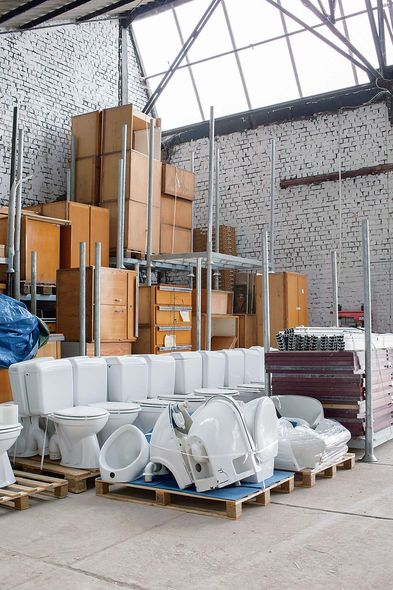
Imagine walking by a demolition site and instead of seeing mountains of concrete rubble and twisted rebar destined for a landfill, you see workers delicately removing windows, carefully unbolting steel beams, and labeling wooden panels for future use. It sounds like a scene from a utopian future, but it’s happening today—and it’s about to change everything we thought we knew about construction.
For decades, the construction industry has thrived on a linear model: extract raw materials, build, and demolish when outdated or worn out. This model not only generates about 40% of global waste but also contributes massively to carbon emissions. Yet, a powerful shift is underway—a shift towards the circular economy, where buildings are no longer considered disposable, but rather valuable material banks waiting to be reinvested into future projects.
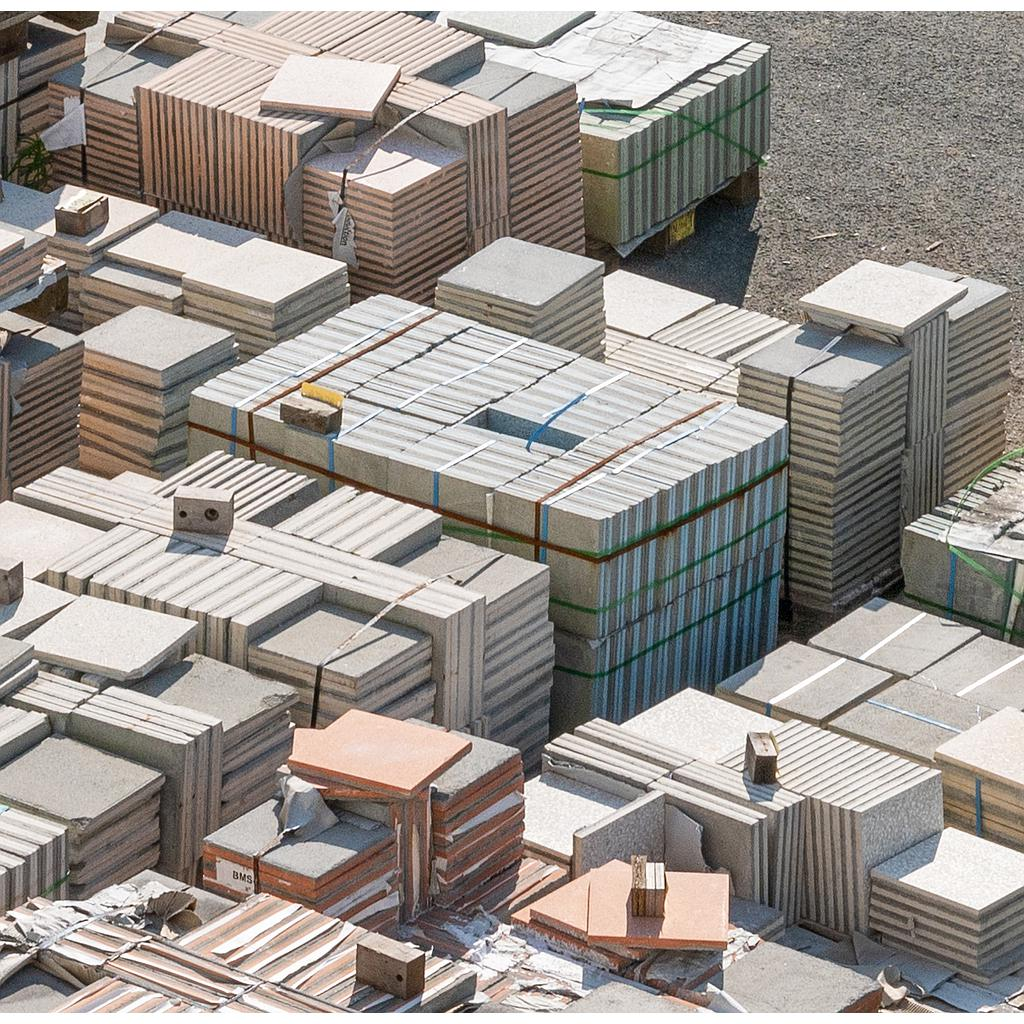
One company leading this charge is Rotor Deconstruction in Belgium. Instead of wielding wrecking balls, their crews methodically dismantle structures, preserving everything from marble staircases to light fixtures. These salvaged treasures are then sold through their marketplace RotorDC, where architects and builders eager to incorporate sustainable materials can find high-quality, character-rich components. This approach isn’t just green—it’s smart economics. Reclaimed materials often cost less than new, and add unique charm that new products can’t replicate.
Meanwhile, in the United States, Harvest Works partners with contractors to systematically “harvest” reusable components during renovation and teardown projects. Think of it as urban mining—scouring buildings for hidden gems like hardwood floors, steel columns, and vintage doors, then repurposing them instead of burying them under tons of concrete debris.
But the circular revolution doesn’t stop at deconstruction. Manufacturers are stepping up too. Global carpet tile giant Interface has pioneered a take-back program where they reclaim used tiles, refurbish them, or recycle them into new products. This kind of closed-loop system doesn’t just reduce landfill waste—it creates a marketing edge and loyal customers who share in the environmental mission.
Knauf Insulation has launched a similar initiative, collecting cut-off scraps and site waste from its mineral wool products to reprocess into new insulation. And over in the Netherlands, Finch Buildings designs modular timber cabins with every panel and component engineered for easy disassembly and reuse. Rather than tearing down entire structures when needs change, these cabins can be relocated, reconfigured, or reimagined.
Beyond corporate programs, online marketplaces like Salvo (UK) and Construction Junction (US) are transforming the way we think about building supplies. These platforms serve as digital bazaars for used and salvaged materials, connecting architects, builders, and DIY enthusiasts eager to blend sustainability with creativity. Imagine designing a sleek modern home using reclaimed oak beams from a 19th-century barn or incorporating vintage tiles from a historic public building—stories and character that new materials just can’t offer.
Driving this momentum is a new generation of architects and developers who see buildings not as static, single-use products but as dynamic repositories of valuable resources. The concept of a material passport, already gaining traction in the Netherlands, catalogs every component in a building, from façade panels to electrical systems, so they can be more easily retrieved and reused at the end of their initial life cycle.
This isn’t just about waste reduction; it’s about rethinking value, creating economic opportunities, and infusing construction projects with new narratives. When we salvage, reuse, and reimagine, we honor the embodied energy and stories of every piece of material, transforming waste into wealth.
Let’s be clear: shifting to a circular model isn’t without its challenges. It requires upfront design thinking, changes in regulations, and a robust logistics network to manage recovered materials. But the payoff is enormous. Reduced environmental impact, lower material costs, new business models, and buildings that are no longer environmental liabilities but future material banks.
As cities grow and resources become scarcer, the circular economy offers not just a solution, but a thrilling opportunity to reimagine our built environment. Next time you pass a construction site, imagine the possibilities. Could those bricks become part of a new school? Could that steel beam support a future community center? In the new age of circular construction, the answer is a resounding yes.
It’s time to stop in our tracks and rethink what’s possible. From trash to treasure, the future of construction is not only about building—but about rebuilding, reusing, and reinvigorating our world, one salvaged beam at a time.
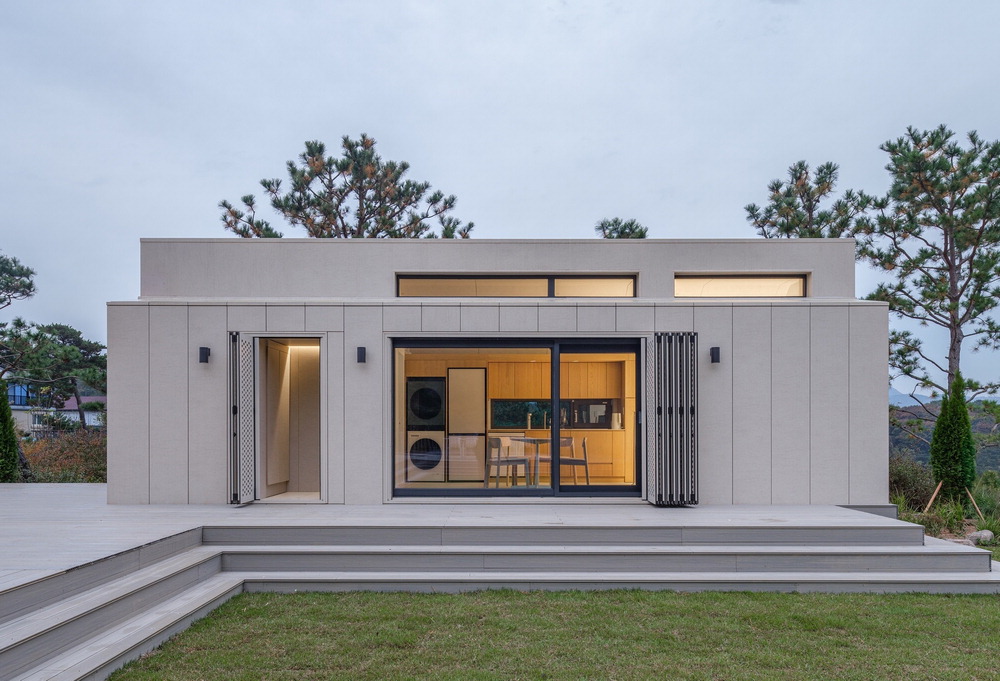
LG is already a household name—literally. But now the brand is on a mission to bring that same trust into the realm of modular homes with its clever Smart Cottage. Think of it as the ultimate synergy: your favorite ThinQ-enabled laundry paired with a roof that produces its own energy. Dreamy, right?
Mini house, maxi ambition
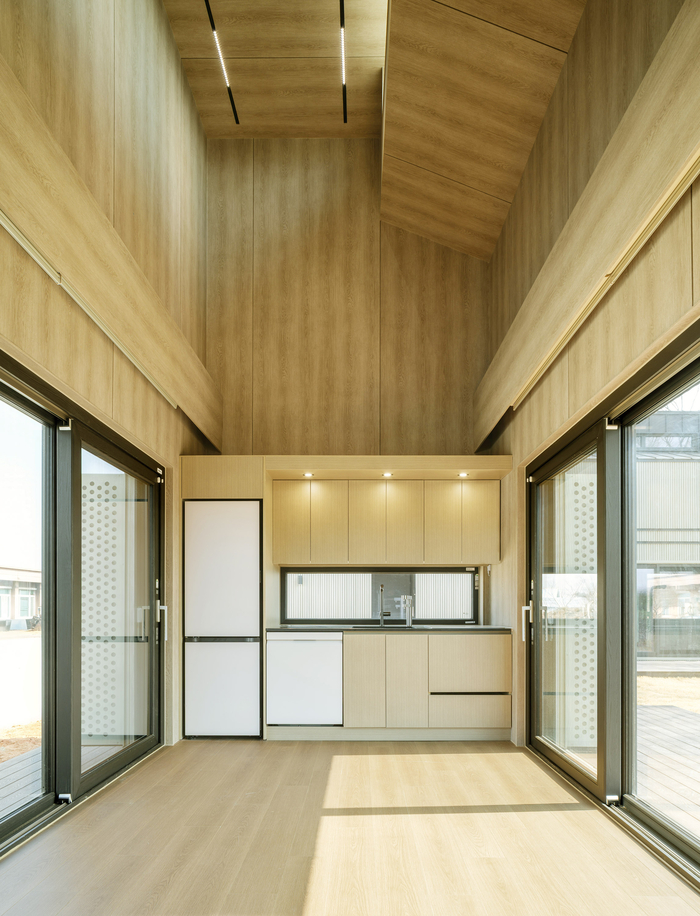
LG introduced the Smart Cottage at IFA 2023 and has since officially launched it to both B2B and B2C customers. The line-up includes the compact Mono—a cozy single-story layout—and the double-decker Duo, complete with a loft bedroom. Full prefab design means 70% is built off-site, cutting construction time by over half compared to traditional methods.
Green thumbs, meet green watts
This isn’t just a fancy shed. The Smart Cottage packs impressive eco-features like 4 kW solar panels, energy storage, and an air-to-water heat pump that meets net-zero energy goals. With energy usage per year down to just 40% of a conventional home, it’s about as green as a cottage can get—without actual thatch.
Home of smart things
Inside, it showcases LG’s full smart-appliances lineup: WashTower Compact, QuadWash dishwasher, induction range, water purifier, and even ThinQ-controlled blinds, smart locks, and cameras . Some models can even sync with your phone’s GPS to preheat the cottage or turn on lights just as you’re pulling up.
Who is it for?
Originally demoed in Europe and Korea, it’s making inroads fast. LG already delivered units to SM Entertainment’s training center in Korea for use as pop-up offices or living labs and preliminary interest isn’t limited to celebrity campuses—Europeans and even Aussies are reportedly eyeing it as either a primary or a countryside getaway .
Trusting the tiny utopia
Of course, LG faces challenges. Home-buyers are used to old-school construction and long warranties, not tech integrations that could go glitch. But if you’ve already welcomed LG TVs and fridges into your life, why not open the door to a whole cottage?
With turnkey prefab, solar juice, and ThinQ smarts all rolled into one neat package, LG is aiming to earn its stripes in modular living—one cubic meter of confidence at a time.
It might feel quirky to think of a cottage coming from a TV-maker, but LG’s Smart Cottage has substance. If you’re ready to trust more of your daily life to ThinQ—heating, lighting, home security, the works—this tiny modular marvel could be the start of something beautifully smart.