Highlighting the thinkers and their ideas driving the evolution of Offsite Construction. 
Be inspired, be informed, be innovative!

A Strategic Alliance Transforming Offsite Manufacturing

In a groundbreaking move set to redefine innovation in offsite construction, Belgium-based hsbcad and the U.S.-based Moducore have announced a strategic collaboration. This partnership is poised to streamline processes and unlock new efficiencies for offsite manufacturing companies worldwide.

The Collaboration

hsbcad, a global leader in software solutions for offsite timber construction, and Moducore, a premier provider of end-to-end operating systems for the offsite industry, are combining forces to simplify workflows and enhance integration. The collaboration aims to connect design, material supply chains, and production seamlessly, leveraging the strengths of both companies.

Michael Marzy – Business Development Manager at hsbcad

Michael Marzy, Business Development Manager at hsbcad, expressed excitement about the partnership:
“We are thrilled to cooperate with one of the market leaders in ERP systems. This integration allows users to transfer material data directly from their designs into Moducore’s ERP system, creating a seamless workflow. This collaboration brings the industry closer to true Design for Manufacture and Assembly (DfMA).”

Jordie Puchinger, Co-founder of Moducore

On the other side, Jordie Puchinger, CTO and Co-Founder of Moducore, highlighted the tangible benefits of this collaboration:
“Partnering with hsbcad is a significant step toward simplifying offsite manufacturing. By connecting people, processes, and equipment, this integration enables customers to move from CAD design to purchase orders with a single click. The potential savings per project are substantial—tens of thousands of dollars.”

About hsbcad

For over three decades, hsbcad has been a pioneer in software solutions for offsite timber construction. The company specializes in tools that support computer-aided design (CAD), manufacturing, and assembly while ensuring compliance with the construction industry’s emerging Building Information Modelling (BIM) standards.

Headquartered in Ghent, Belgium, hsbcad operates globally with a team of over 70 professionals spread across subsidiaries in Germany, the Netherlands, the UK, the USA, Canada, Japan, Ecuador, and Australia. Its mission is clear: to reshape construction into a more sustainable and innovative industry.

About Moducore

Moducore is the go-to cloud-based platform for offsite manufacturing, offering tools to consolidate and optimize project operations from start to finish. With robust real-time data and advanced functionality, Moducore empowers manufacturers to accelerate growth and uncover efficiencies that were once hard to measure.

As part of the 4Ward Solutions Group, Moducore continues to lead the way in simplifying and advancing offsite manufacturing processes.

What This Means for Offsite Manufacturing

This collaboration represents a significant step forward for the offsite industry. The integration of hsbcad’s cutting-edge CAD capabilities with Moducore’s powerful ERP platform bridges the often-fragmented processes of design and production. By eliminating inefficiencies, companies can achieve faster project turnarounds, reduce costs, and increase profitability.

The partnership also underscores a shared commitment to innovation. Whether it’s facilitating compliance with BIM standards or creating smoother transitions from design to manufacturing, both hsbcad and Moducore are setting new benchmarks for the industry.

Looking Ahead

As offsite construction continues to gain traction globally, strategic collaborations like this one are critical to meeting industry demands. By combining their expertise, hsbcad and Moducore are not just improving workflows—they’re paving the way for a more integrated, efficient, and sustainable future in construction.

For more details, visit Moducore and learn how this partnership could transform your business operations.

Why Cities Must Address Homelessness with Dignity: An Innovative Solution is Needed

The homelessness crisis in the United States continues to intensify, with cities and towns across the nation grappling with how to address the issue effectively and compassionately. A recent U.S. Supreme Court ruling has added urgency to this challenge by affirming that municipalities can regulate unauthorized camping within city limits without violating the Eighth Amendment, provided certain conditions are met. This ruling highlights the need for communities to find solutions that not only comply with legal standards but also uphold the dignity of unhoused individuals.

The Supreme Court Ruling: A Legal and Ethical Turning Point

The Supreme Court’s decision clarifies that cities may enforce ordinances against unauthorized camping, but only if adequate shelter options are available for those experiencing homelessness. This ruling serves as a reminder that addressing homelessness is not just a legal issue but also a moral one. The absence of adequate shelter creates a situation where enforcement disproportionately punishes individuals for circumstances beyond their control. Cities that wish to enforce such ordinances must first ensure that they provide viable, humane alternatives.

While the ruling offers clarity on enforcement, it also exposes the gaps in existing homelessness strategies. Simply regulating public spaces without addressing the root causes of homelessness risks perpetuating a cycle of displacement and marginalization. For cities, the challenge now is to go beyond compliance and implement solutions that respect the humanity of every individual.

The Scope of the Crisis: Numbers That Demand Action

According to the U.S. Department of Housing and Urban Development (HUD), more than 580,000 people experience homelessness on any given night in the United States. This figure includes individuals sleeping in shelters, transitional housing, and unsheltered locations such as streets and parks. Homelessness is not a monolithic issue; it encompasses a diverse range of experiences, including families with children, veterans, individuals with disabilities, and those fleeing domestic violence.

The unauthorized camping phenomenon is both a symptom and a visible manifestation of this broader crisis. Encampments often form in response to a lack of better options, serving as makeshift communities for those who have nowhere else to go. However, these encampments also create public health and safety challenges, leading cities to seek regulatory solutions. The Supreme Court’s ruling underscores that regulation alone is insufficient—it must be accompanied by meaningful efforts to provide housing and support.

Why Dignity Matters in Housing Solutions

Housing the homeless with dignity is not just a lofty ideal; it is a practical necessity for breaking the cycle of homelessness. Research consistently shows that stable, supportive housing improves outcomes for individuals and communities alike. Providing dignified housing options reduces the strain on emergency services, lowers healthcare costs, and fosters safer, more cohesive neighborhoods.

This photo and the following photos – Community First!

Dignity in housing means offering more than a roof over someone’s head. It involves creating environments where individuals feel respected, valued, and empowered to rebuild their lives. This includes:

Privacy and Security: Spaces that offer personal privacy and a sense of safety.

Support Services: Access to mental health care, addiction treatment, job training, and other resources.

Community Integration: Housing solutions that avoid isolating individuals from the broader community.

When housing solutions are designed with dignity in mind, they help individuals transition from survival mode to a state of stability and self-sufficiency. Moreover, such solutions align with the values of justice and compassion that underpin democratic societies.

Innovative Approaches to Housing the Homeless

Cities and towns across the country have begun exploring innovative models for addressing homelessness with dignity. These approaches demonstrate that meaningful progress is possible when communities prioritize creativity, collaboration, and compassion.

Permanent Supportive Housing (PSH): This model combines affordable housing with wraparound support services. Cities like Salt Lake City have seen significant reductions in chronic homelessness by adopting PSH programs.

Tiny Home Villages: Communities such as Austin, Texas, and Los Angeles, California, have implemented tiny home villages as transitional housing solutions. These villages provide private living spaces, communal amenities, and a supportive community environment.

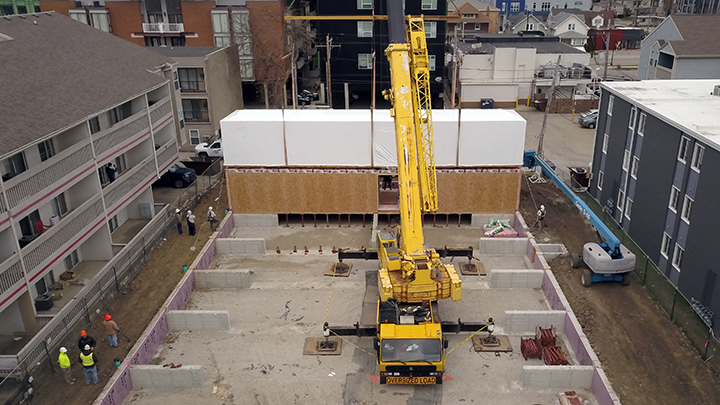
Modular Housing: Modular construction offers a cost-effective and time-efficient way to build housing for the homeless. Factories can produce prefabricated units that are easily transported and assembled on-site, providing immediate relief for housing shortages.

Adaptive Reuse of Buildings: Vacant hotels, office buildings, and retail spaces can be repurposed into housing. During the COVID-19 pandemic, several cities used this strategy to house vulnerable populations quickly.

Housing First Initiatives: This approach prioritizes providing permanent housing as a foundational step, followed by optional support services. The “Housing First” philosophy has gained traction for its effectiveness in reducing homelessness and improving individual outcomes.

    Offsite-built Accessory Dwelling Units (ADUs) and tiny houses offer a flexible and scalable solution for addressing homelessness, particularly in creating communities that provide stability and dignity. These compact, prefabricated units can be deployed quickly and economically, making them an ideal choice for cities seeking immediate and long-term housing solutions. By situating these units in thoughtfully designed communities, municipalities can foster environments that encourage social connections, safety, and access to essential services.

    ADUs and tiny houses can also serve as the keystone for larger community-building initiatives, integrating residents into neighborhoods while preserving their individuality. By pairing these homes with support services such as job training, mental health counseling, and addiction recovery programs, cities can create holistic environments that address the root causes of homelessness. This model not only provides a physical space to live but also offers a pathway for individuals to regain independence and stability.

    Challenges and Opportunities

    While the need for dignified housing solutions is clear, implementing them is not without challenges. Funding remains a significant barrier, as many cities face budget constraints that limit their ability to invest in comprehensive programs. Additionally, community opposition—often referred to as “Not In My Backyard” (NIMBY) sentiment—can delay or derail projects aimed at housing the homeless.

    However, these challenges also present opportunities for innovation and collaboration. Public-private partnerships, for example, can leverage the resources and expertise of multiple stakeholders to create sustainable solutions. Federal and state funding programs, such as HUD grants, can provide crucial financial support. Community engagement efforts can help build consensus and reduce resistance by educating residents about the benefits of housing initiatives.

    The Cost of Inaction

    Failing to address homelessness with dignity carries profound social and economic costs. Unsheltered homelessness is associated with increased rates of illness, mortality, and interaction with the criminal justice system. It also places significant strain on public resources, including emergency medical services, law enforcement, and sanitation departments.

    Moreover, the human cost of inaction is immeasurable. Homelessness erodes the fabric of communities, creating divisions and perpetuating cycles of poverty and exclusion. By investing in solutions that prioritize dignity, cities can break these cycles and create a more inclusive and equitable future.

    A Call to Action

    The Supreme Court’s ruling on unauthorized camping presents a pivotal moment for cities and towns to rethink their approach to homelessness. Regulation alone is not enough; communities must rise to the challenge of providing dignified housing solutions that address the root causes of homelessness.

    This is not just a matter of legal compliance but a moral imperative. By treating unhoused individuals with dignity and respect, cities can create pathways to stability and self-sufficiency while fostering healthier, more resilient communities. The time to act is now, and the stakes could not be higher.

    By embracing innovative approaches, mobilizing resources, and building consensus, cities can turn the homelessness crisis into an opportunity for transformation. The Supreme Court’s ruling is a reminder that the law and humanity can align to create lasting change—if we have the courage to make it happen.

    Building the Future: Why Modular and Wall Panel Factories Need ThermalStuds to Meet Energy Codes with Ease

    The construction industry is experiencing a seismic shift. Stricter energy codes, coupled with rising consumer demand for energy-efficient homes, are redefining the way modular and wall panel factories approach building design and material selection. Amid these challenges, one innovation stands out as a game-changer: ThermalStuds. By combining superior insulation capabilities with structural reliability, ThermalStuds not only meet but exceed modern energy codes with ease, offering factories a competitive edge.

    Here’s why your factory should seriously consider integrating this innovative product into your production line.

    The Challenge: Navigating the Maze of Energy Codes

    In recent years, energy codes have become increasingly stringent. Standards like the International Energy Conservation Code (IECC) require higher R-values and reduced thermal bridging, pushing manufacturers to rethink their materials and processes. Non-compliance is not an option—it leads to costly redesigns, delays, and, ultimately, lost business.

    For modular and wall panel factories, this means a relentless search for materials that meet energy requirements without compromising structural integrity, speed of assembly, or cost-efficiency. Traditional solutions, such as exterior insulation or double-stud walls, often increase labor and material costs while complicating the production process. This is where ThermalStuds shine.

    The Solution: ThermalStuds as a One-Step Answer

    ThermalStuds offer a revolutionary approach to framing by integrating thermal breaks into the structure itself. These studs are designed to drastically reduce thermal bridging—the Achilles’ heel of traditional framing systems. By eliminating the direct path for heat to escape, ThermalStuds help walls achieve higher energy efficiency without additional layers of exterior insulation.

    Key benefits include:

    Increased R-Values: ThermalStuds significantly boost wall insulation performance, helping your products comply with even the toughest energy codes.

    Ease of Integration: Designed to fit seamlessly into existing production processes, ThermalStuds require minimal retraining or retooling.

    Cost-Effective Compliance: By reducing the need for additional insulation layers, ThermalStuds can lower material costs and speed up assembly times.

    Durability and Strength: Made with advanced materials, ThermalStuds deliver the structural integrity required for modular and panelized construction.

    Why Modular and Wall Panel Factories Should Act Now

    The construction industry is under immense pressure to build better, faster, and more sustainably. Consumers want homes that are energy-efficient, and governments are enforcing regulations to ensure it happens. Modular and wall panel factories that fail to innovate risk being left behind.

    Integrating ThermalStuds into your product line not only helps meet these demands but also positions your factory as a forward-thinking leader in the market. Here’s how:

    Stay Ahead of Regulations: Energy codes are only going to get tougher. ThermalStuds provide a long-term solution that keeps your factory ahead of the curve.

    Enhance Marketability: Builders and developers are actively seeking products that simplify energy compliance. By offering panels and modules with integrated ThermalStuds, your factory becomes their go-to supplier.

    Reduce Callbacks: Energy code failures can lead to expensive callbacks and retrofits. ThermalStuds ensure your products meet standards right the first time.

    Gain a Competitive Edge: Factories that adopt cutting-edge materials like ThermalStuds signal to clients that they are committed to quality, efficiency, and innovation.

      Real-World Applications and Success Stories

      Factories that have incorporated ThermalStuds are already reaping the benefits. For instance, a modular home factory in the Midwest recently revamped its product line to include ThermalStuds in all exterior walls. The result? A 30% reduction in insulation costs, faster approval on energy code compliance, and an uptick in orders from energy-conscious developers.

      Similarly, a wall panel manufacturer in the Pacific Northwest used ThermalStuds to create a new line of high-performance panels. Their streamlined design enabled builders to meet Passive House standards without adding costly exterior insulation, resulting in increased demand from green-building contractors.

      These case studies underscore the versatility and effectiveness of ThermalStuds in real-world scenarios.

      Overcoming Barriers to Adoption

      Like any innovation, adopting ThermalStuds may come with initial hesitations. Concerns about cost, compatibility, or production changes are valid but manageable. In reality, the investment in ThermalStuds pays off quickly through savings in material costs, reduced labor, and increased market share.

      Manufacturers like Brian Iverson, the innovator behind ThermalStuds, have gone to great lengths to ensure their product is factory-friendly. Training, support, and compatibility testing are readily available to help your factory make a smooth transition.

      The Bottom Line: Build Smarter with ThermalStuds

      The modular and wall panel industry is at a crossroads. To thrive in today’s energy-conscious market, factories must adopt materials and processes that not only comply with regulations but also streamline production and reduce costs. ThermalStuds check all these boxes.

      By investing in ThermalStuds, your factory can transform challenges into opportunities. You’ll not only meet energy codes with ease but also deliver superior products that builders and developers can trust.

      So, what are you waiting for? The future of construction is here—and it’s framed with ThermalStuds.

      AI: The Innovative Building Blocks of a Smarter Construction Industry

      In an industry defined by heavy machinery, complex designs, and boots on the ground, it might seem surprising that one of the most transformative forces today is artificial intelligence (AI). Once the realm of science fiction, AI has entered construction sites, offices, and factories, fundamentally changing how we build.

      What Is AI and Why Does It Matter?

      At its core, AI refers to machines mimicking human decision-making processes. Whether solving tasks, recognizing patterns, or analyzing vast datasets, AI operates with precision and speed that human teams alone cannot match. A specific subset, machine learning, takes AI further by using statistical data to identify trends, make predictions, and adapt over time.

      In construction, AI is proving itself indispensable. By automating repetitive tasks, supporting planning and design, and enhancing decision-making, AI empowers workers to focus on higher-value activities. With developments advancing at an exponential rate, the construction industry is beginning to see the vast potential AI offers in terms of safety, efficiency, and quality.

      Solving Problems Before They Happen

      Construction projects are intricate puzzles, often plagued by delays, errors, and unexpected complications. AI tackles these challenges head-on. Imagine a project manager sorting through thousands of photos to identify cracks or defects in a structure—an effort that could take hours. A trained AI system, however, can complete this task in seconds, pinpointing anomalies like dark spots on walls that might indicate water damage.

      Beyond spotting issues, AI identifies patterns and predicts future problems. Armed with historical and real-time data, it can foresee risks like scheduling conflicts or material shortages, enabling proactive solutions. This not only prevents delays but also saves money and resources.

      Safety First: AI on the Front Lines

      Construction sites are inherently risky environments, but AI is helping to make them safer. Sensors powered by AI can detect when workers show signs of fatigue or fail to wear proper safety gear, such as helmets. These systems send real-time alerts to supervisors, reducing the likelihood of accidents.

      AI also supports the safe operation of autonomous machinery. Self-driving bulldozers and excavators rely on machine learning to navigate job sites, avoiding obstacles and operating efficiently. These machines work tirelessly, enhancing productivity while minimizing human error.

      Optimizing Workflows and Resources

      Efficiency is the cornerstone of any successful construction project. AI optimizes workflows by analyzing schedules, resources, and site conditions to ensure every element of a project runs smoothly. For instance, AI can spot bottlenecks in production, rerouting tasks or reallocating resources to keep the project on track.

      Resource management also benefits from AI’s precision. Systems powered by AI can direct staff to the right job at the right time, ensuring optimal use of labor and materials. This level of efficiency reduces waste and enhances project profitability.

      Revolutionizing Design and Planning

      The influence of AI begins long before construction crews break ground. During the design phase, AI streamlines processes that once required weeks of manual effort. It analyzes past projects, offers design optimizations, and even automates the creation of blueprints, ensuring accuracy and reducing rework.

      These capabilities don’t just speed up design; they elevate its quality. AI tools provide architects and engineers with actionable insights, such as suggesting structural changes that save time and cut costs. This not only improves project outcomes but also enhances client satisfaction.

      The Road Ahead: Challenges and Opportunities

      Despite its many benefits, adopting AI in construction comes with challenges. High upfront costs, resistance to change, and the need for training can slow implementation. However, companies willing to embrace AI find the investment pays off in the long term, with increased efficiency, reduced errors, and improved safety.

      AI is also leveling the playing field for smaller firms. By automating labor-intensive processes and optimizing workflows, even modest-sized companies can compete with industry giants. This democratization of technology promises to drive innovation across the sector.

      Building Smarter, Together

      As AI continues to evolve, its role in construction will only expand. It’s not just about replacing human effort but augmenting it—freeing workers to focus on creativity, problem-solving, and innovation. Whether through enhanced safety measures, smarter resource allocation, or streamlined design processes, AI is helping the construction industry build smarter, faster, and better.

      In the end, AI is more than just a tool; it’s a partner in progress. For construction professionals, embracing AI means embracing a future of possibilities—a future where challenges become opportunities and every project becomes a testament to human ingenuity enhanced by machine intelligence. The question isn’t whether AI will change construction, but how fast.

      Overconfidence and Underperformance: How the Dunning-Kruger Effect Impacts Offsite Innovation

      The offsite and modular construction industry prides itself on efficiency, innovation, and adaptability. Yet, one significant obstacle often goes unnoticed: the Dunning-Kruger Effect. This cognitive bias, identified by psychologists David Dunning and Justin Kruger, occurs when individuals with limited knowledge or competence in a field overestimate their abilities, while those with significant expertise may underestimate theirs. The consequences of this phenomenon can lead to missteps in decision-making, innovation, and collaboration—potentially costing companies time, money, and credibility.

      I was recently introduced to this by a new friend and decided to investigate further how the Dunning-Kruger Effect manifests in offsite construction and explore strategies to mitigate its impact for long-term success.


      The Dunning-Kruger Effect arises from the interplay between competence and self-awareness. Inexperienced individuals lack the knowledge to recognize their gaps, leading them to overestimate their abilities. Conversely, experts, who have a nuanced understanding of a field, often underestimate how much more they know than others.

      In offsite construction, this dynamic is especially significant. The industry’s complexity requires expertise in design, engineering, manufacturing, logistics, and on-site assembly. A failure to recognize knowledge gaps in any of these areas can result in misaligned expectations, inefficiencies, and project failures.


      The modular construction boom has inspired a wave of new entrepreneurs. However, the Dunning-Kruger Effect often plays a pivotal role in the early mistakes that lead to their failure.

      Oversimplifying the Process

      Modular startups often underestimate the complexities involved in offsite construction. They may view it as a linear, assembly-line process without appreciating the intricate coordination needed between design, engineering, and compliance teams. This overconfidence can result in mismanaged timelines, ballooning budgets, and unmet client expectations.

      Example: A startup founder might assume they can bypass rigorous design testing, believing their innovative concept will work flawlessly. When problems arise during assembly, the lack of preparation becomes evident, causing costly delays.

      Misjudging Market Demands

      Entrepreneurs entering the modular space frequently fail to validate their ideas against real market needs. Overconfidence in their vision leads them to design products that may not align with customer preferences or regulatory standards.

      Example: A company may focus on high-end luxury modular homes, ignoring the growing demand for affordable housing. This mismatch can lead to poor sales and eventual closure.


      Even seasoned factory owners and managers are susceptible to the Dunning-Kruger Effect, particularly when it comes to embracing new technologies or processes.

      Resistance to Change

      Many factory owners resist adopting innovative solutions such as robotics, AI-driven quality control, or lean manufacturing practices. They may overestimate the efficiency of their current systems and fail to see the long-term benefits of investing in upgrades. This reluctance can leave them lagging behind competitors.

      Example: A factory that chooses not to invest in automation may find itself unable to scale production efficiently as demand grows, losing contracts to more tech-savvy competitors.

      Underestimating Training Needs

      Managers might assume that implementing new technologies or software is a plug-and-play process, neglecting the extensive training required for workers to use these tools effectively. This oversight can lead to operational inefficiencies, errors, and frustration among employees.

      Example: A factory installs cutting-edge machinery but doesn’t train workers on maintenance, resulting in frequent breakdowns and reduced productivity.


      Sales and marketing teams are often the first point of contact between modular construction companies and their clients. The Dunning-Kruger Effect can undermine their efforts in several ways.

      Overhyping Capabilities

      To secure deals, sales teams might overpromise on the capabilities of modular construction, such as project timelines, cost savings, or design flexibility. When these promises aren’t met, it can damage the company’s reputation and client relationships.

      Example: A sales team assures a client that their modular home will be completed in three months. However, they fail to account for design approvals and site preparation, resulting in delays and client dissatisfaction.

      Oversimplifying Modular Benefits

      Marketing campaigns often present modular construction as a magic bullet for all construction challenges. By oversimplifying the benefits and ignoring potential limitations, these campaigns create unrealistic expectations among clients and stakeholders.

      Example: A promotional campaign touts modular homes as “completely customizable,” but clients later discover that significant design changes incur substantial costs and delays.


      A skilled workforce is critical to the success of offsite construction, yet training and development are often undermined by overconfidence.

      Overestimating Transferable Skills

      Workers transitioning from traditional construction may assume their skills will seamlessly apply to modular production. Without proper training, this overconfidence can lead to inefficiencies, errors, and accidents.

      Example: A traditional carpenter might struggle with the precision required in modular production, where even small deviations can cause significant issues during assembly.

      Managerial Blind Spots

      Supervisors often assume their teams already possess the necessary expertise, leading to a lack of investment in ongoing training. This can result in outdated practices, reduced efficiency, and an inability to adopt new technologies.

      Example: A manager resists introducing lean manufacturing principles, believing the current workflow is already optimized, even as inefficiencies persist.


      Consultants and industry experts bring valuable insights, but their advice is often dismissed due to the Dunning-Kruger Effect.

      Overconfidence in Internal Knowledge

      Factory owners and managers may rely solely on internal teams, ignoring external perspectives that could identify blind spots or offer innovative solutions.

      Example: A factory dismisses a consultant’s recommendation to adopt predictive maintenance technology, leading to costly equipment failures that could have been avoided.

      Misunderstanding the Complexity of Advice

      Sometimes, expert advice is dismissed because it seems counterintuitive or too complex. This resistance can result in missed opportunities and costly mistakes.

      Example: A consultant suggests investing in modular robotics to improve efficiency, but the idea is rejected as unnecessary because the factory hasn’t experienced major delays—yet.


      To mitigate the Dunning-Kruger Effect and foster growth in offsite construction, industry professionals can adopt the following strategies:

      Embrace Continuous Learning

      Provide regular training programs for employees and managers. Encourage curiosity and a commitment to lifelong learning to ensure teams stay ahead of industry trends.

      Seek Diverse Perspectives

      Encourage cross-department collaboration and bring in external consultants when needed. Diverse viewpoints can highlight blind spots and drive innovation.

      Validate Assumptions with Data

      Make data-driven decisions to separate facts from overconfidence. For example, conduct market research before launching a new product or investing in new technology.

      Promote a Culture of Humility

      Foster an environment where admitting gaps in knowledge is seen as a strength. Leaders should model this behavior by seeking feedback and acknowledging their own limitations.

      Provide Constructive Feedback

      Implement regular performance reviews and feedback sessions. Constructive feedback helps individuals recognize areas for improvement and avoid overconfidence.


      The Dunning-Kruger Effect isn’t an insurmountable obstacle—it’s a natural part of the learning process. By acknowledging its presence, offsite construction professionals can turn potential roadblocks into opportunities for growth.

      Example: A factory owner who initially resisted automation might later embrace it with proper training and expert guidance, leading to significant improvements in efficiency and profitability.


      The Dunning-Kruger Effect is a hidden yet pervasive challenge in the offsite and modular construction industry. From startups and factory owners to sales teams and workers, no group is immune. By understanding this cognitive bias and implementing strategies to counteract its effects, professionals can make better decisions, drive innovation, and build a stronger, more resilient industry.

      Recognizing the limits of one’s knowledge isn’t a weakness—it’s the first step toward mastery. In a field as complex and collaborative as modular construction, this self-awareness can be the difference between stagnation and success.

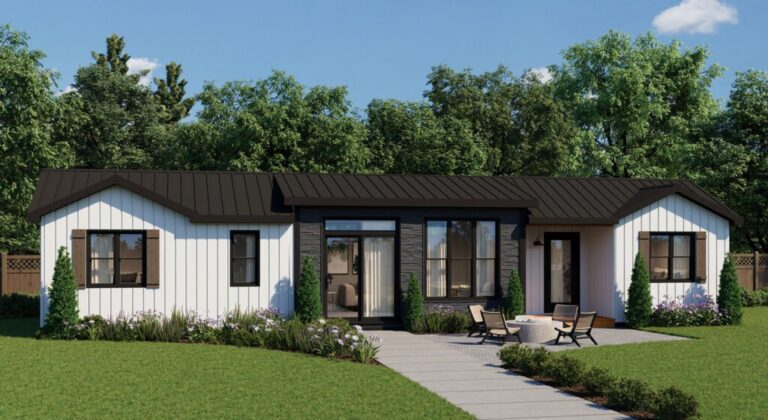
      Pioneering Technology and Overcoming Obstacles with Thermal Studs – Brian Iverson  Part Two

      Behind every groundbreaking innovation lies a journey of overcoming obstacles, and for Brian Iverson, the path to creating Thermal Studs was no exception. In Part One of his Interview, we talked about how solving problems in sustainability and energy efficiency was the idea for his innovative product the T-Stud. Today, he finished our interview by discussing the challenges he faced.

      His pioneering system integrates closed-cell foam insulation and reimagined structural configurations to meet both thermal efficiency and strength requirements. By rethinking traditional building components, Iverson crafted solutions like the RhinoStud™ and WarmStud™, addressing challenges that have long plagued the construction industry—thermal bridging, energy loss, and structural vulnerability to extreme conditions. His work stands as a testament to the transformative power of combining modern materials science with practical building needs.

      However, breaking through regulatory, production, and market-entry barriers presented their own hurdles. Iverson’s journey demonstrates not just technological ingenuity but also resilience and adaptability, relying on partnerships and innovative production methods to bring his ideas to market. From seismic and hurricane-resistant materials to cost-effective continuous insulation solutions, Thermal Studs redefines what it means to build sustainably and reliably in a constantly evolving industry.

      Brian Iverson, Founder of TStud

      Gary Fleisher: How did you ensure their durability, safety, and compliance with industry standards?

      Brian Iverson: We take great care to exceed both U.S. and Canadian building codes. Each of the Thermal Studs products undergoes rigorous testing to meet or surpass ASTM (American Society for Testing and Materials) standards. This ensures they’re compliant in terms of structural integrity, energy efficiency, and thermal performance.

      The WarmStud™ uses traditional framing members already approved by the American Plywood Association (APA), meaning no additional testing is required for these components. However, we’ve enhanced the WarmStud™ patent by including a simple way to manufacture it within the TSUPS by “levitating” the wall, roof, or floor assembly frame off the sheathing, creating the WarmStud™ patented product with a 100% thermal break, and providing up to 1000 pounds per linear foot of “ultimate” wind load capacity when created within the WarmStud™ Panel System.

      The Warmstud

      These innovations offer builders a way to differentiate themselves from other competitors with the durability, safety, and energy efficiency required for today’s challenging construction environment.


      Gary: How does your products contribute to sustainability, and what role do you see it playing in the broader movement towards eco-friendly and energy-efficient buildings?

      Thermal Studs is all about sustainability. By reducing heating and cooling loads by up to 50%, our products directly cut down on energy consumption. This is achieved through superior insulation and the elimination/minimization of thermal breaks, which waste energy in traditional framing systems.

      In addition to energy efficiency, our products are designed for durability, minimizing the structure’s carbon footprint. We demand our licensees use closed-cell foam insulation made with the HFO blowing agents, which have a global warming potential of ~4, contributing to reduced environmental impact.

      As more builders and homeowners adopt eco-friendly practices, Thermal Studs provides an affordable, scalable solution that exceeds the strictest energy codes. Our products are designed to help the construction industry meet the growing demand for sustainable buildings, ultimately reducing our carbon footprint and conserving natural resources.


      7. From concept to reality, what has been the most unexpected lesson or challenge you’ve encountered, and how has it shaped your approach to innovation?

      The journey from concept to reality has been full of unexpected challenges. From supply chain disruptions to closing borders, production issues, and equipment delays—it has been a constant learning process. One key lesson I’ve learned is that innovation is about persistence. A patent is just a dream until you get it to market and make it viable.

      At times, the hurdles felt insurmountable, especially when builders resisted change. But each setback reinforced my belief that true innovation requires determination. It’s not just about inventing; it’s about creating a viable, scalable solution that addresses real-world problems.


      8. Where do you see Thermal Studs’ place in the future of construction, and what impact do you hope they will have on the way buildings are designed and constructed over the next decade?

      I see Thermal Studs playing a key role in the future of construction, particularly as the demand for energy-efficient, sustainable, and resilient buildings continues to grow. Our products help builders meet increasingly strict energy codes and provide solutions that withstand the harshest conditions, making them ideal for both residential and commercial projects.

      Over the next decade, I hope Thermal Studs will become a cornerstone in the evolution of building materials, helping the industry shift toward eco-friendly and energy-efficient construction practices. I envision our products becoming a standard in the building industry, offering cost-effective, high-performance solutions that reduce both construction costs and long-term operational expenses.

      Ultimately, I want to leave a legacy of innovation, where buildings are designed to be energy-efficient, structurally sound, and sustainable for generations to come. Imagine this…the RhinoStud™ made from 316L stainless steel.

      Brian, thank you for this unique interview and I hope you never stop bringing your innovations to the construction industry.

      The Rise of Plant-Based Housing: Cultivating Innovative Marketing

      The construction industry is undergoing a transformative shift in an era marked by unprecedented environmental challenges and a growing demand for sustainable solutions. Central to this change is the rise of plant-based building materials. From wood and hemp to bamboo and other innovative plant-derived resources, these materials offer more than just a path to greener construction—they promise resilience, affordability, and a healthier planet. However, their full potential can only be realized through a thoughtful and targeted marketing approach that educates, engages, and inspires. This article explores the promise of plant-based materials and how a Plant-Based marketing program can propel this movement forward.

      The Case for Plant-Based Materials in Construction

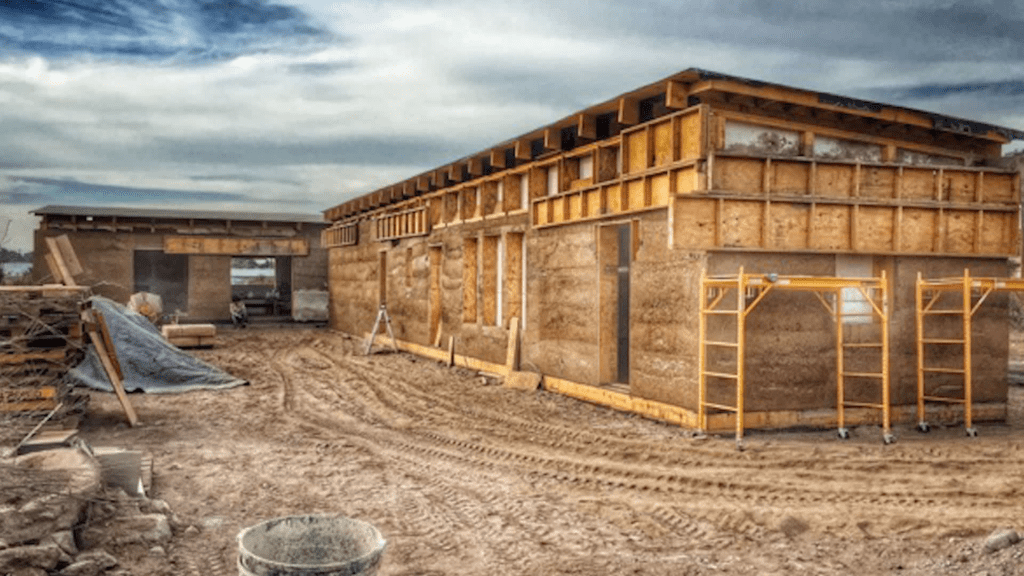
      Wood: Renewability with Resilience For centuries, wood has been humanity’s primary construction material, and for good reason. It is renewable, durable, and aesthetically pleasing. When harvested and managed sustainably, forests can act as carbon sinks, locking away carbon dioxide and reducing the construction industry’s carbon footprint. Innovations like Cross-Laminated Timber (CLT) have further revolutionized wood’s capabilities, enabling its use in large-scale buildings, including multi-story structures. CLT panels offer impressive strength, fire resistance, and seismic performance, making them ideal for modern applications.

      Yet, there are challenges. Misconceptions about deforestation and sustainability practices can hinder wood’s acceptance. Here lies an opportunity to reframe the narrative—educating consumers and stakeholders on responsible forestry practices and wood’s role in carbon sequestration. A Plant-Based marketing program could amplify these stories, emphasizing wood’s regenerative potential.

      Hemp: The Comeback Crop of Construction Hemp’s historical stigma is gradually giving way to its potential as a sustainable building material. Hempcrete—a mixture of hemp hurds, lime, and water—creates a lightweight, durable, and insulating material with exceptional thermal and acoustic properties. Hemp fibers can also be used for wall panels, insulation, and other applications. Beyond its performance benefits, hemp cultivation is environmentally friendly, requiring minimal water and no synthetic pesticides.

      To elevate hemp’s standing in the industry, a marketing program must address misconceptions and highlight its unique benefits. Emphasizing case studies, real-world applications, and testimonials from builders who have reaped its advantages can help reshape public perception.

      Bamboo: Strength Meets Sustainability Known for its rapid growth rate and remarkable strength, bamboo is often referred to as “nature’s steel.” With tensile strength comparable to steel, it offers unmatched versatility in construction. Bamboo can be used for structural framing, flooring, and even decorative elements, making it a versatile choice for sustainable building.

      However, bamboo’s acceptance as a mainstream material has been limited due to a lack of standardization and misconceptions about its durability. Marketing efforts should focus on addressing these concerns, demonstrating bamboo’s potential through architectural showcases, technical data, and sustainability metrics.

      Beyond the Familiar: Emerging Plant-Based Materials While wood, hemp, and bamboo dominate discussions, other plant-based materials are making waves. Straw bales, mycelium composites, palm leaves, and coconut fibers offer insulation, structural integrity, and aesthetic appeal with low embodied energy. These materials diversify the toolkit for sustainable construction, yet they remain underutilized.

      A marketing strategy must shine a spotlight on these emerging materials, educating the public and the industry on their benefits and applications. Collaborative efforts with architects, builders, and researchers can further legitimize their place in construction.

      The potential of plant-based materials will remain untapped without a strategic marketing approach. Here’s how a dedicated program can change the game:

      Educating the Public A lack of awareness is one of the biggest barriers to adopting plant-based construction materials. By providing accessible, informative content, a marketing program can educate consumers, builders, and policymakers on the environmental benefits and performance capabilities of these materials. This can be achieved through interactive media, virtual tours of plant-based projects, and educational webinars.

      Certification for Trust and Transparency Creating a “Plant-Based Certified” label can establish trust within the marketplace. This certification would provide assurance of the sustainability, durability, and authenticity of plant-based materials. As consumers increasingly demand transparency in their purchases, this seal of approval can differentiate true sustainability from greenwashing.

      Influencer Partnerships and Storytelling The rise of social media and influencer culture presents an opportunity to reach new audiences. Partnering with green building influencers, architects, and construction leaders who have successfully used plant-based materials can amplify the message. Personal stories, project highlights, and interactive challenges can engage audiences emotionally and intellectually, driving broader acceptance.

      Aligning with Biophilic Design Principles Biophilic design—a concept that connects people with nature—can be seamlessly integrated with plant-based construction. Marketing campaigns should emphasize how these materials promote healthier, more comfortable living environments. Features like natural light, indoor greenery, and nature-inspired design elements can enhance mental well-being, offering a compelling case for plant-based homes.

      Building Policy Advocacy Collaborating with policymakers and sustainability organizations to promote incentives for plant-based construction is crucial. Whether through tax incentives, rebates, or grants, financial support can make these materials more accessible and appealing. Highlighting successful partnerships and pilot projects can showcase tangible benefits, influencing broader adoption.

      Elevating the Aesthetics of Sustainability Plant-based doesn’t have to mean rustic or basic. Marketing efforts should demonstrate the high-end potential of these materials, with modern designs, luxurious finishes, and innovative architectural forms. Showcasing plant-based materials as a blend of beauty and sustainability can attract diverse market segments, from cost-conscious buyers to luxury homeowners.

      Collaborating with Modular and Offsite Manufacturers Offsite and modular construction are perfectly suited to incorporate plant-based materials. Prefabrication techniques offer efficiency, precision, and waste reduction, aligning with the sustainability ethos of plant-based resources. Collaborative marketing efforts with modular manufacturers can illustrate how plant-based homes can be both affordable and environmentally friendly, offering a complete package for conscientious buyers.

      While the promise of plant-based construction is undeniable, challenges persist. Ensuring consistent material supply, achieving regulatory approvals, and dispelling myths about durability and performance are significant obstacles. A transparent marketing approach, grounded in data and real-world success stories, is critical. Highlighting pilot projects, case studies, and independent testing data can demonstrate that plant-based materials are not just sustainable but also safe, durable, and effective.

      Plant-based construction is not a fleeting trend; it is a necessary response to the environmental and social challenges we face. By creating a robust Plant-Based marketing program, the construction industry can accelerate this transformation, redefining what it means to build sustainably. Through education, advocacy, and innovation, we can cultivate a future where homes are not only built from the earth but also built for the earth.

      This movement is more than just about new materials; it is about rethinking how we live, build, and connect with the world around us. The seeds for change have been planted—now is the time to nurture their growth and cultivate a greener, healthier, and more sustainable future for generations to come.

      Talking Energy Efficiency with Thermal Stud Innovator – Brian Iverson     Part One 

      In an industry facing mounting pressure to balance energy efficiency, structural integrity, and affordability, innovation becomes the key to change. Brian Iverson, the visionary behind Thermal Studs, has taken up this challenge by addressing long-standing inefficiencies and sustainability issues in traditional building materials. The Thermal Studs system emerged as a solution rooted in practicality and inspired by a moment of personal necessity—a broken furnace during the COVID-19 pandemic. Iverson’s vision extends beyond temporary fixes, offering builders a streamlined approach to reduce energy consumption by up to 50% and increase overall building performance.

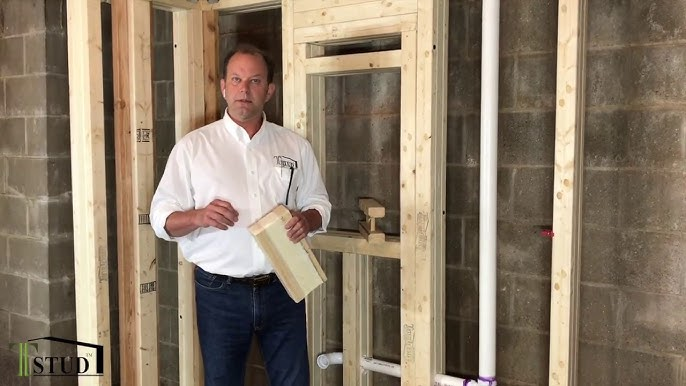
      Brian Iverson, Chief Innovator at Thermal Studs (that’s not a Thermal Stud he’s holding)

      At the core of the Thermal Studs initiative lies a simple yet powerful idea: eliminate thermal bridges, enhance structural resilience, and ensure ease of manufacturing for anyone, even from a modestly equipped space like an oversized garage. Through the Thermal Studs Ultimate Panel System (TSUPS), builders and developers gain a robust tool to revolutionize construction processes and energy use. Iverson’s approach combines built-in insulation with structural efficiency to create a sustainable path forward in the building industry—one that is scalable, innovative, and ready to meet the demands of the future.

      Brian Iverson holding the R19 Tstud

      I recently had the opportunity to talk with Brian about his latest innovation:

      Gary Fleisher: What specific problem in the building industry inspired you to develop Thermal Studs, and how does your solution address it in ways that current options cannot?

      Brian Iverson: The building industry faces a clear challenge: the need for energy-efficient solutions that reduce heating and cooling costs, improve structural integrity, and promote sustainability—all while remaining affordable. Traditional framing materials often fail in these areas, leading to higher energy costs, moisture problems, and compromised comfort.

      I developed the Thermal Studs product line to tackle these issues head-on. It started with a simple realization: during the COVID-19 pandemic, I experienced a furnace malfunction and couldn’t find the replacement part. It’s called a “critical supply chain” challenge. That was when I decided to create a better, more cost-effective solution. The result? Thermal Studs, a system that combines built-in insulation and structural strength, reducing energy consumption by up to 50%. The beauty of the Thermal Studs Ultimate Panel System (TSUPS) is its simplicity—anyone with a spray foam rig and carpentry tools can build the Thermal Stud products, even in an oversized garage.

      With Thermal Studs, we know how to eliminate thermal bridges and inefficiencies found in conventional framing methodologies, providing a high-performance, sustainable building system that can be replicated without reliance on complex supply chains. This is a game-changing licensing opportunity for builders, lumberyards, etc., to take control of their construction process and solve for energy efficiency while reducing the lifetime utility bills for their customers. Now that was a mouthful.


      Gary: Could you walk us through the core technology or materials behind your inventions?

      Brian: The core technology behind Thermal Studs is the integration of closed-cell foam insulation with innovative structural configurations that enhance both thermal efficiency and structural strength. Our products, such as the WarmStud™, RhinoStud™, and Tstud™, utilize non-commodity materials to optimize performance, providing solutions that go beyond traditional building materials. And for those who do not want the foam component, we have the Un-Insulated Tstud™ as well.

      For example, the metal RhinoStud™ incorporates a serpentine design combined with a built-in Z Girt system, which together create an effective thermal buffer that slows down heat transfer. While not a true thermal break, the foam layers surrounding the metal stud significantly reduce thermal bridging, offering superior thermal efficiency. This unique system also provides enhanced load resistance, allowing the RhinoStud™ to support up to 100% more axial compression weight of a typical metal C Shaped stud. Additionally, it offers excellent sound control and meets rigorous seismic and hurricane compliance standards.

      The WarmStud™ delivers an affordable solution for achieving 100% continuous insulation, making it the most cost-effective choice for energy-efficient building. The Tstud™ outperforms LVL studs in terms of strength and resilience, offering enhanced performance for structures that need to withstand extreme conditions.

      These innovations are designed to exceed energy codes across North America, ensuring that homes and buildings are both energy-efficient and structurally sound. The result is a sustainable building system that empowers today’s builders to create high-performance structures without sacrificing affordability.


      Gary: What makes them unique, or groundbreaking compared to traditional building materials or methods?

      Brian: To reduce heating and cooling loads by ~50% or more, a fully integrated solution is necessary—one that combines insulation, structural strength, and sustainability. The Thermal Studs individual products and now the newly invented Thermal Studs Ultimate Panel System (TSUPS) is just that. It integrates all three in a way that traditional available materials can’t match.

      Unlike conventional materials that require multiple components from various suppliers, Thermal Studs components can be sourced from anyone—foam, studs, nails, and screws from any supplier—and still deliver an industry-leading solution. You can even build walls up to 20 feet tall using our system. Moreover, the Tstud™ products feature a double thermal break when incorporated into the TSUPS, providing enhanced protection against extreme weather and drastically reducing energy loss.

      The Thermal Studs Ultimate Panel System not only addresses thermal inefficiencies but also ensures long-term durability, creating a more resilient and eco-friendly building solution.

      Gary: Building materials must meet strict regulatory standards. What challenges did you face in bringing your products to market?

      Brian: Creating building materials that meet stringent regulatory standards was one of our biggest challenges. My goal was to design products strong enough to withstand the toughest conditions, whether hurricane-level winds or seismic activity, all the while avoiding the complexity of dozens of SKUs for different regions.

      The real challenge was the production side. I’m not a manufacturing expert, which is why we rely on licensing for others to produce the products. It wasn’t just about developing the right solution; it was about figuring out how to get it to market and make it a business. Supply chain disruptions and delays in production equipment only added to the complexity. But through it all, we stayed focused on creating an easy-to-use, compliant, and affordable solution that could stand up to any regulatory standard.

      Any Parting thoughts, Brian?

      As the “old fart” who’s invented all of this, I’m too old to manufacture and I couldn’t get 20 people to sing kumbaya anyway. So, we’re licensing these game-changing solutions to anyone ready to take them to the next level. You get proven, high-performance products, and we get to support your successes. The opportunity is clear: manufacture Thermal Studs products with minimal upfront investment. With our TSUPS (Thermal Studs Ultimate Panel System), anyone with an existing facility can build these solutions. It’s an easy entry into the market, and we’re offering licenses for both the products individually or TSUPS wall, roof, and floor panel manufacturing, giving entrepreneurs a low-cost, high-reward chance to get started fast. If you’re ready to join us and make the future of construction as strong as the Thermal Studs we’ve created, let’s make it happen!

      Look for Part Two of our conversation coming soon

      An Unparalleled Opportunity: Homeway Commercial Modular Factory for Sale – with video

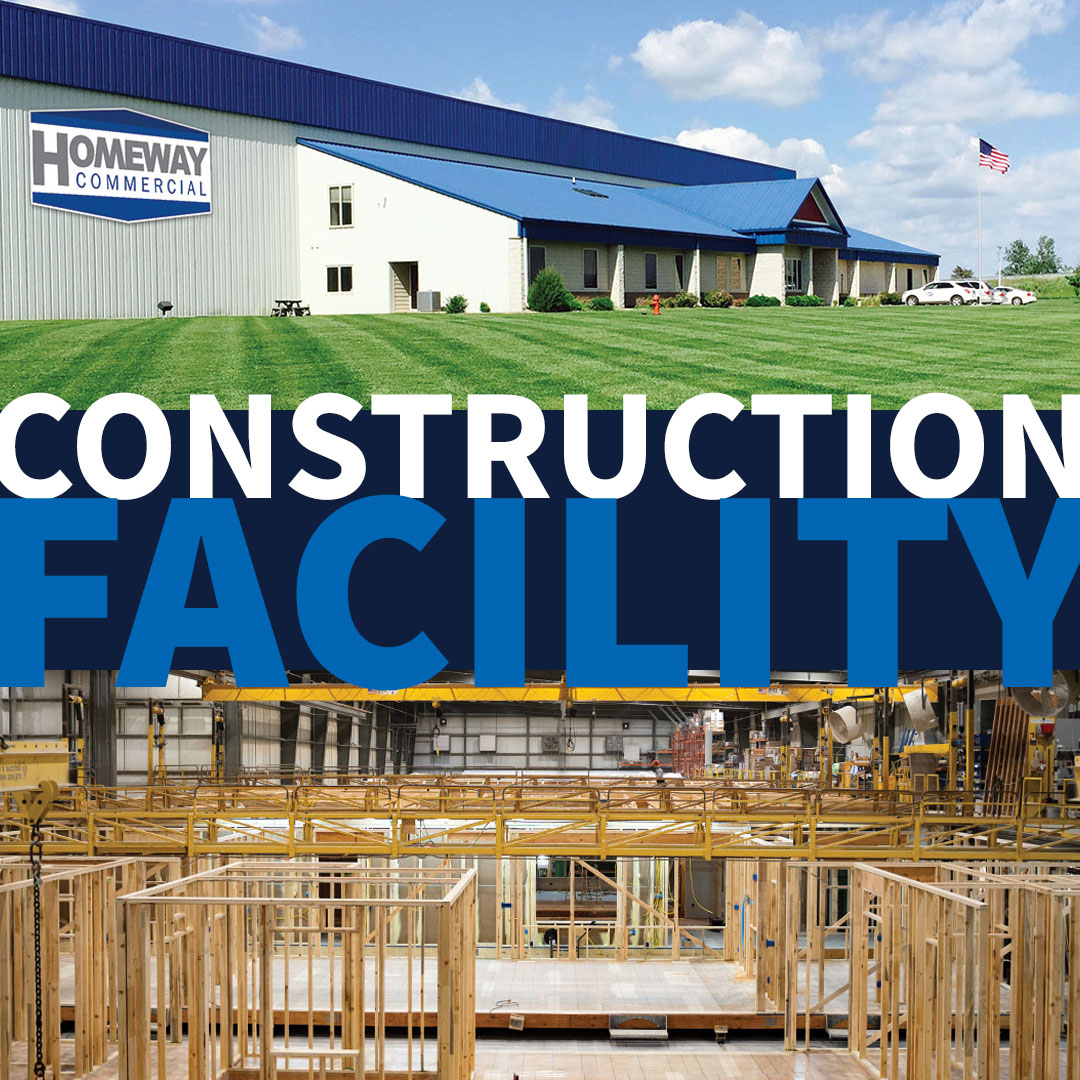
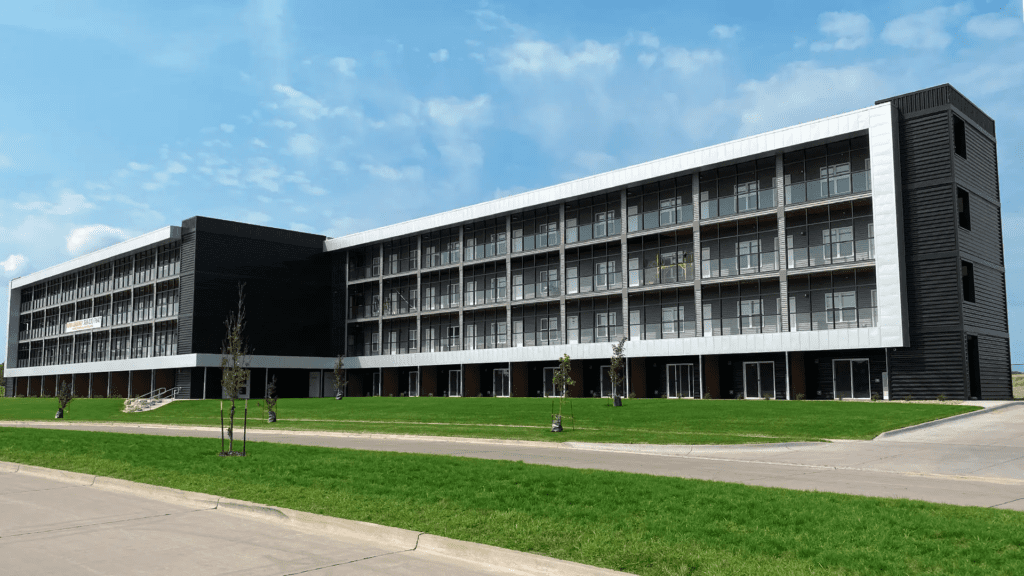
      For nearly two decades, Homeway Commercial has been at the forefront of modular construction, delivering high-quality single-family homes, multi-family residences, student housing, senior apartments, workforce housing, and hospitality projects. Located in Deer Creek, Illinois—just two hours south of Chicago—this well-established modular factory presents an unparalleled opportunity for a company looking to expand its manufacturing capabilities or an investor eager to enter the rapidly growing modular construction industry.

      A Legacy of Excellence in Modular Construction

      Homeway Commercial has built a strong reputation for quality, efficiency, and innovation in the modular housing sector. With years of experience producing residential and commercial structures, the facility has successfully delivered projects ranging from duplexes and townhomes to large-scale hospitality developments. The company’s extensive portfolio showcases its ability to meet diverse market demands, including affordable housing solutions that are in increasingly high demand across the nation.

      The Manufacturing Facility

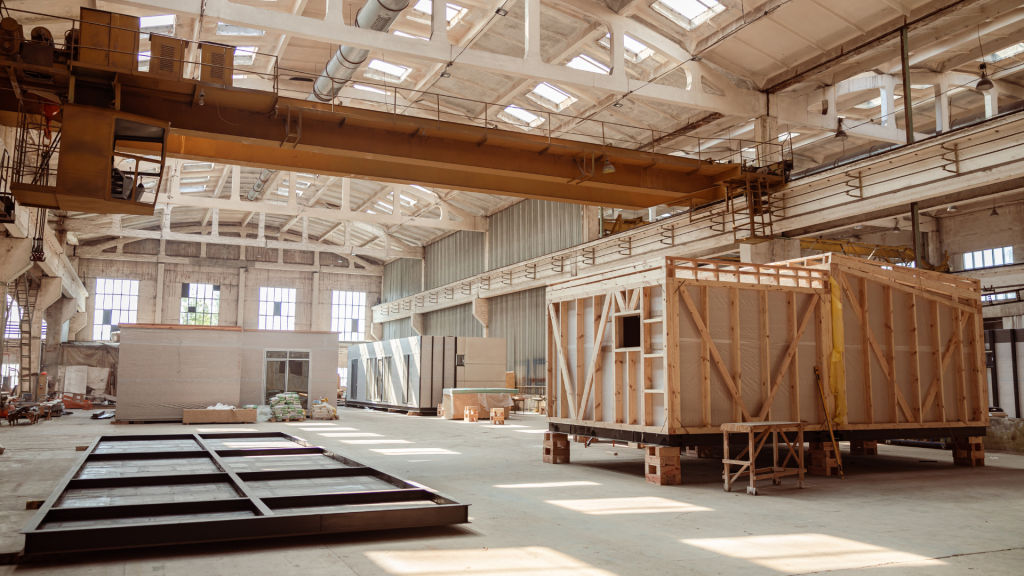
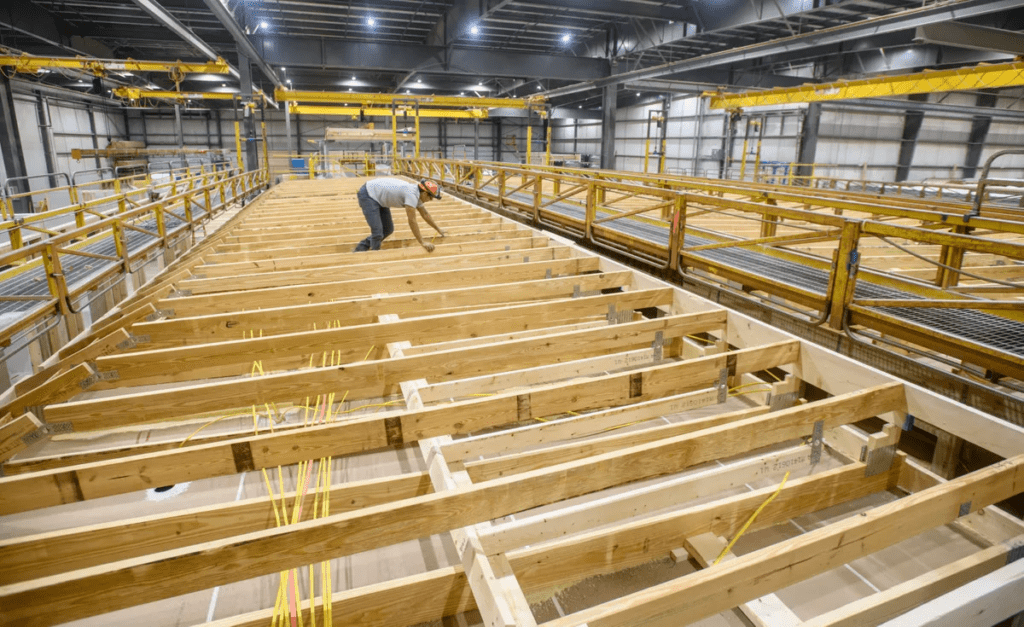
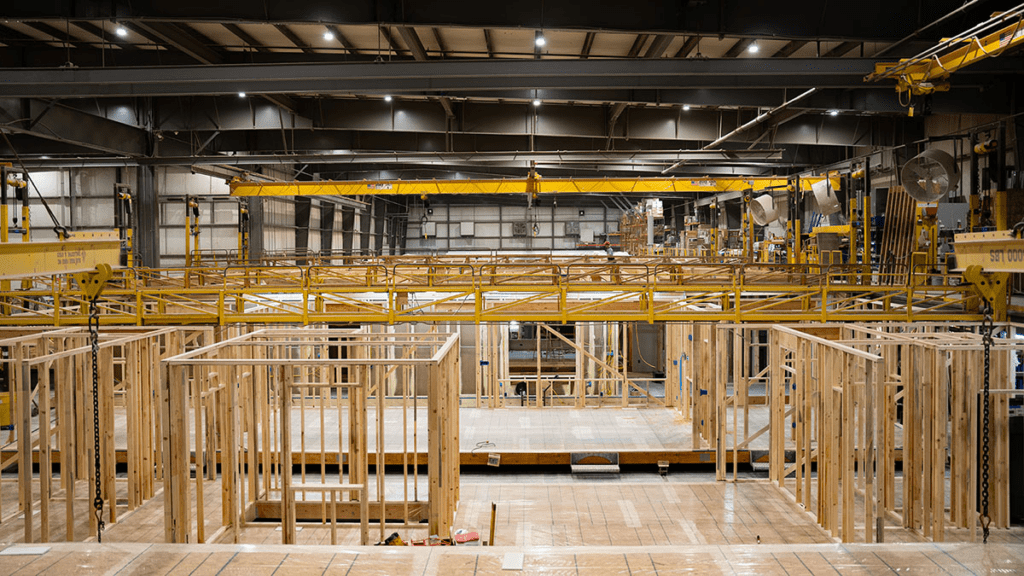
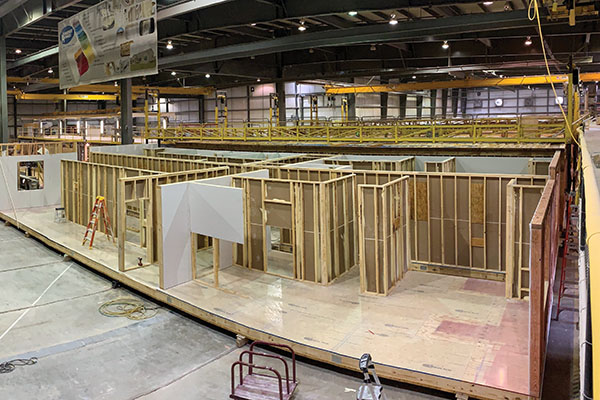
      The Homeway Commercial modular factory is housed in a 65,000-square-foot facility, strategically located on 14 acres of prime industrial land. This well-maintained facility is designed for optimized efficiency, featuring 16 assembly stations that ensure a smooth, streamlined workflow. Industrial cranes, assembly jigs, and elevated working platforms are already in place to facilitate the production process, allowing for construction of modular units that meet the highest industry standards.

      The modules themselves can be manufactured at dimensions up to 16 feet wide, 74 feet long, and 12 feet tall, making the facility adaptable to a wide range of projects, from compact residential units to larger commercial structures.

      A Strategic Location for National Expansion

      Situated in Deer Creek, Illinois, the Homeway Commercial factory is perfectly positioned for regional and national expansion. With easy access to major highways and logistics hubs, the facility is well-equipped to serve markets across the Midwest and beyond. This prime location offers a distinct advantage for a new owner looking to capitalize on the growing need for modular construction solutions, particularly in the areas of affordable housing, workforce housing, and hospitality.

      Turnkey Operations with Established Systems

      One of the key benefits of acquiring this facility is its fully operational and well-established systems. The high ceilings and spacious layout provide ample room for production, ensuring that each module is constructed with precision and speed. Additionally, the facility’s proven logistical framework ensures that materials and finished modules move through the production line seamlessly.

      The new owner will inherit a factory with a fully functional infrastructure, reducing the time and investment required to start or expand production. Homeway Commercial offers a solution for a buyer looking to hit the ground running in the modular construction industry.

      An Industry Ready for Growth

      The demand for modular construction has never been stronger. Developers and housing authorities across the country are turning to modular solutions to address critical shortages in affordable and workforce housing.

      By acquiring Homeway Commercial, a buyer gains an immediate foothold in this expanding market. Whether the goal is to produce modular homes for residential developments or to supply hospitality and multi-family housing projects, this facility offers the ideal foundation for long-term success.
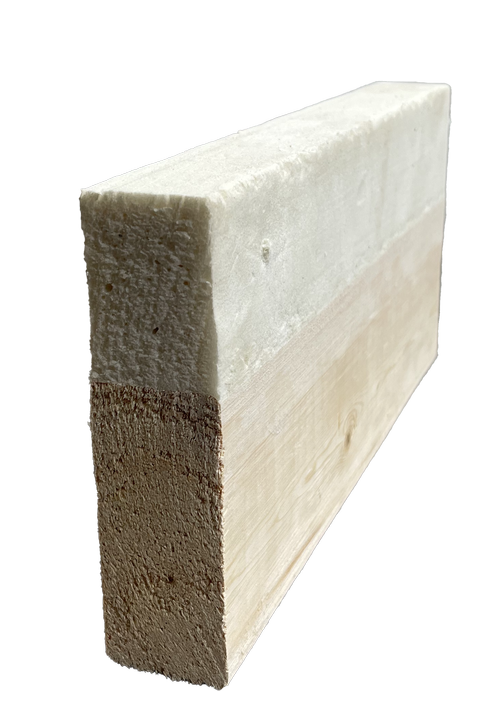
      Seamless Acquisition Process

      Three Things We Need to Know About YOU:

      If you can answer these questions in the positive, then…

      CLICK HERE or contact [email protected]

      .

      Born This Way, or Built Along the Way? The Curious Case of the Innovator’s Mind

      In every industry, from technology and finance to the ever-evolving field of offsite construction, a particular breed of person stands out: the innovator. These individuals, no matter their field, seem to share certain quirks and traits that make them particularly suited for seeing things differently and—most importantly—acting on it. But here’s the kicker: are these traits inborn, or do they develop over time? And for those who might not seem naturally inclined to think outside the box, can these characteristics be acquired? It’s a question as old as innovation itself and one that reveals much about human nature, ambition, and adaptability.

      .

      To identify what makes an innovator tick, let’s start with a checklist of their defining characteristics. Across industries, innovators are known for a mix of curiosity, resilience, optimism, and a hefty dose of skepticism (the right amount, that is). They also seem to have a strange relationship with failure. For most of us, failure is a pit of despair. For them, it’s just another experiment with data points to analyze. And let’s not forget the sense of humor—many innovators find themselves laughing at the very processes they’re trying to improve, a trait that’s particularly useful when everyone else is still just scratching their heads.

      Consider the construction industry, for instance, where innovation seems to be moving in at least three directions at once. For an outsider, the complexity of merging new tech, green building materials, and novel designs might seem overwhelming, but an innovator sees a web of potential solutions. The typical innovator here is the person whose office has blueprints wallpapering the walls, a desk crowded with models, and perhaps a plant or two just to remind them there’s a world beyond their designs.

      Let’s get philosophical for a moment: are innovators born, or are they made? Are they the ones who, as kids, dismantled every gadget in the house and put it back together again (sometimes)? Many in the psychology field argue that some people are simply wired to think differently, right from the start. It’s a fascinating concept—perhaps these are the people who, early on, ask, “Why?” just one time too many, and discover something incredible in the process.
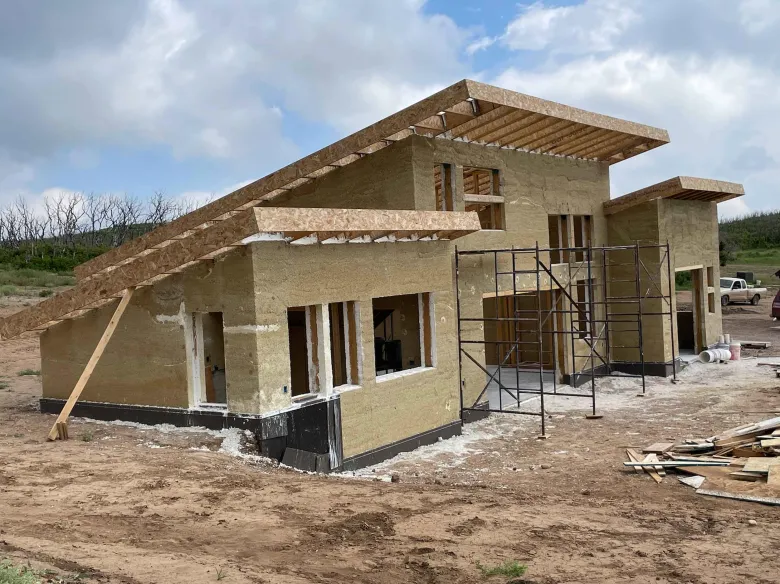
      This inherent quality is often supported by studies showing that risk tolerance—a willingness to take a leap when everyone else is playing it safe—is largely genetic. Innovators often have a natural inclination to take risks, make quick decisions, and stick with their vision even when it seems far-fetched. Some researchers suggest that there might even be a “novelty-seeking” gene that predisposes some individuals to find joy in exploring the unknown, seeking solutions where others see none.

      Yet, just because some might be born with a tendency to innovate doesn’t mean others are doomed to play it safe. Take, for example, people who didn’t start out with big ideas but became industry leaders by necessity. For these individuals, the push toward innovation might have come from repeated exposure to the same problems, or even from failures that forced them to think in new ways.

      One famous example is Thomas Edison. Although often considered a born inventor, Edison had plenty of failures that fueled his journey. He didn’t invent the lightbulb in a flash of inspiration—he tried thousands of materials for filaments before getting it right. His innovative spirit grew from persistence rather than inherent talent alone. Today, offsite construction innovators echo Edison’s journey, taking a piece of tech that doesn’t quite work, refining it, and testing it again.

      Moreover, innovation often thrives on constraint. People who don’t have endless resources tend to come up with inventive solutions out of necessity, and that skill—creativity under pressure—can be learned. Industries like modular housing see this regularly; companies striving for affordability and sustainability face so many constraints that innovation becomes a survival tactic.

      .

      There’s growing evidence that, yes, people can adopt innovative mindsets. While certain traits like curiosity might come more naturally to some, others can be cultivated. For example, even if you’re not innately curious, you can practice asking questions, challenging assumptions, and actively seeking new knowledge. For the would-be innovator, here are a few key skills to develop:

      • Curiosity-Driven Learning: Start by diving into fields or topics you know little about. Get familiar with the unknown—it’s how you train yourself to approach things differently.
      • Risk Management Skills: Rather than jumping blindly, learn to analyze risks methodically. Innovators don’t just take any risk; they take calculated risks.
      • Resilience Building: It’s cliché, but building resilience through facing failure is crucial. When you fail, train yourself to dissect what went wrong rather than walking away disheartened.
      • Networking with Diverse Thinkers: Surround yourself with people from different industries. Often, insights from outside your own field can lead to breakthrough ideas.
      • Experimentation Mindset: Innovators love a good experiment. Make a habit of testing new ideas in small, low-stakes ways before a full commitment.

      Does one approach to innovation yield better results than the other? Not necessarily. In fact, the combination of inborn traits and learned behaviors often produces the most successful innovators. Look at the tech industry: the so-called “wunderkinds” often pair up with seasoned professionals who didn’t start out in a garage at age 15. Both bring valuable perspectives—one with natural flair for thinking differently, the other with the experience to ground lofty ideas.

      In the construction and offsite industry, similar partnerships are essential. While the naturally innovative mind might dream up the future of modular housing, it’s often the learned innovator—someone who has spent years understanding building codes, regulations, and material limitations—who turns that vision into reality.

      .

      Here’s a comforting thought for all those who feel they might not be cut from the same cloth as the “natural” innovators: you don’t have to be an innovator to support innovation. Industries need both types—the “born thinkers” to come up with bold new ideas and the practical-minded to turn those ideas into tangible products. It’s a team sport, and often, the magic happens when an innovator meets a skeptic or a seasoned pro who challenges them to refine their vision.

      Some of the most successful innovations are a result of dynamic partnerships. Take Steve Jobs and Steve Wozniak, for instance. Jobs brought the charisma and vision, while Wozniak’s practical, grounded approach turned their ideas into products people could actually use. Without this balance, Apple might have remained a garage dream.

      Whether born or made, the qualities that make an innovator are often delightfully quirky. From the person who never stops asking “What if?” to the one who keeps a cluttered desk of odd prototypes, innovators refuse to let “normal” define their work. And that’s precisely what makes innovation possible.

      So, if you find yourself at a crossroads, unsure whether you have what it takes to innovate, remember: innovation isn’t about a single trait or mindset. It’s about a willingness to try, to fail, and to try again. Whether you’re a born tinkerer or a late bloomer in the world of bold ideas, the path to innovation is open to anyone with enough grit and curiosity. Who knows? You might just be one quirky checklist away from the next big thing.

      .