If you’ve spent any time on a jobsite lately, you know the feeling.
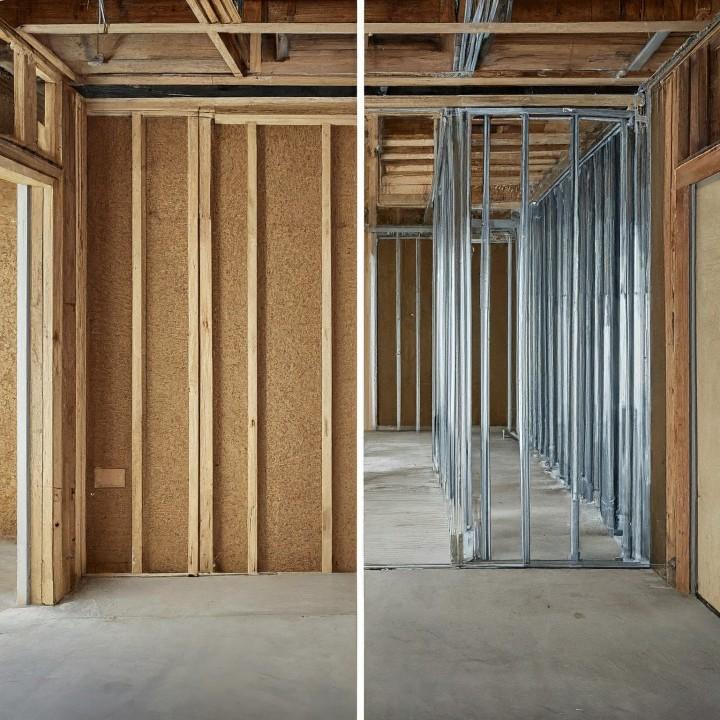
You open a fresh bundle of lumber only to find that a good portion of the studs look more like hockey sticks than structural members.
You spend the first two hours of the morning sorting through crowns and warps, all while wondering if your framing sub is actually going to show up with the four-man crew he promised—or if it’ll just be him and a helper again.
We’ve all been there.
For decades, stick-framing has been the “American Way.” It’s what we know, it’s what our fathers knew, and it’s what the entire supply chain was built around.
But as we move through 2026, that traditional path is starting to show some real cracks. Between the disappearing act of skilled labor and the rollercoaster of material quality, the old way of building is becoming increasingly high-stress—and increasingly low-margin.


At some point, you have to ask a simple question:
Is the problem the market… or the way we’re building?
THE REAL PROBLEM: IT’S NOT LABOR—IT’S CONTROL
Let’s talk about the elephant in the room: labor. Yes, we don’t have enough skilled trades. That’s obvious. But the deeper issue is that too much of a builder’s success still depends on what happens in the field—who shows up, what materials show up, and how many problems need to be solved before lunch.
That’s not a system—that’s improvisation.
And improvisation doesn’t scale.
What’s quietly happening right now isn’t just a material shift—it’s a control shift. Builders who are paying attention are moving away from jobsite guesswork and toward systems that move precision upstream—into design and manufacturing—where outcomes can actually be controlled.
FROM FIELD GUESSWORK TO FACTORY PRECISION
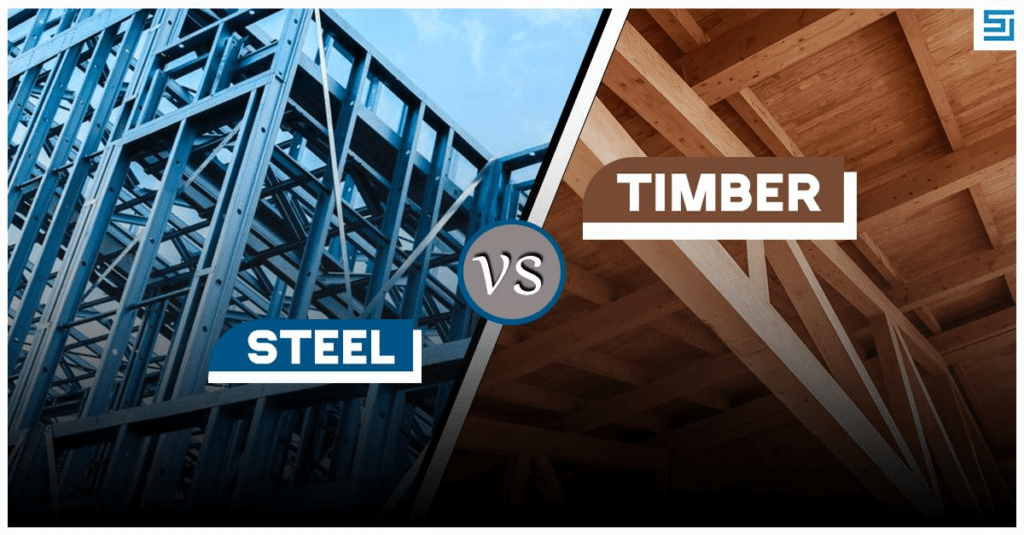
This is where light-gauge steel (LGS) panelization starts to matter—but not for the reason most people think. It’s not about steel versus wood. It’s about predictability versus variability.
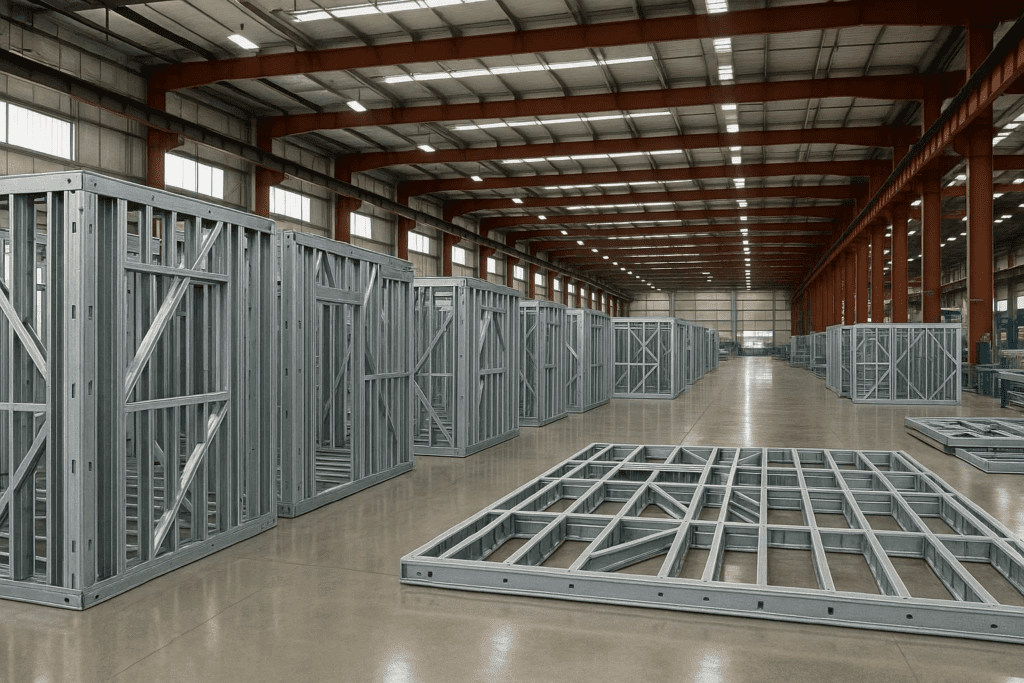
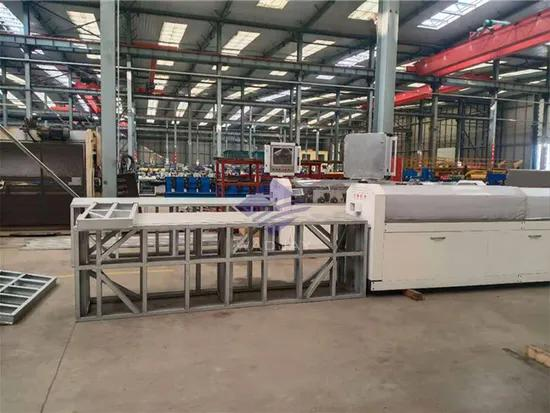
When you bring panelized LGS into the equation—especially in an offsite environment—you’re changing the entire dynamic of the jobsite.
• Pre-labeled
• Pre-punched for MEPs
• Straight—every time
Instead of crews spending hours sorting, correcting, and adjusting materials, they’re assembling. That’s a very different job—and more importantly, it’s a more controllable one.
This isn’t about replacing skilled people. It’s about changing what you ask them to do. Your best people stop fighting materials and start managing outcomes.
THE COST CONVERSATION MOST BUILDERS AREN’T HAVING
For years, the industry has been obsessed with one number: cost per square foot. But that number is starting to lose its meaning because it ignores the one thing that’s quietly killing projects—uncertainty.
Schedule slips, rework, material waste, financing drag, and rising insurance costs all come into play long after that initial number is set.
The builders who are adapting aren’t asking, “What does it cost per foot?” They’re asking, “How predictable is my outcome?”
WHY THIS MATTERS IN MULTI-FAMILY
This shift becomes even more important as builders move into multi-family projects. In multi-family construction, performance matters—sound, fire ratings, and callbacks.
Wood moves. It shrinks. It settles. That’s not just frustrating—it eats into margin.
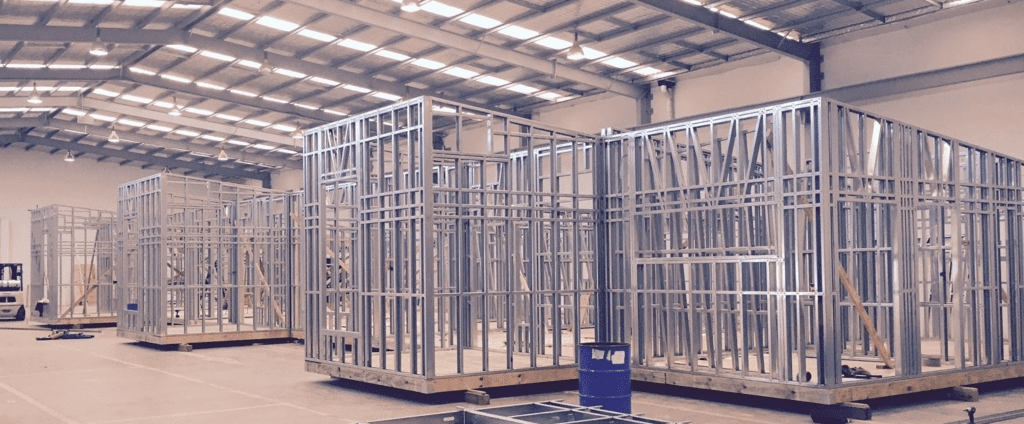
Systems like LGS don’t behave that way. They stay stable, and that stability translates into fewer callbacks and better long-term performance.
YOU DON’T HAVE TO FLIP THE SWITCH OVERNIGHT
If you’ve been building with wood for 20 years, this probably sounds like a big leap. It doesn’t have to be.
Most builders who make this shift don’t go all in on day one. They start small—testing panelized walls or working with a design-assist manufacturer.
The key isn’t to change everything overnight—it’s to change how you think about where value is created.
THIS ISN’T ABOUT STEEL VS. WOOD
At the end of the day, this isn’t really a debate about materials. It’s about how you run your business.
The real shift isn’t wood to steel—it’s chaos to control.
THE BOTTOM LINE
The jobsite is changing—whether you like it or not.
Not because it’s trendy.
Not because it’s innovative.
But because the old way is becoming harder to sustain.
The real question is this:
Are you still building the way you always have…
or are you finally building in a way that gives you control?
Have you seen an innovation that’s changing how homes are built?
We’re always looking to feature real-world ideas, products, and processes that are moving the industry forward.
Reach out—we may feature your story on OffsiteInnovators.com.
If you’d like to explore this further, connect with me today.
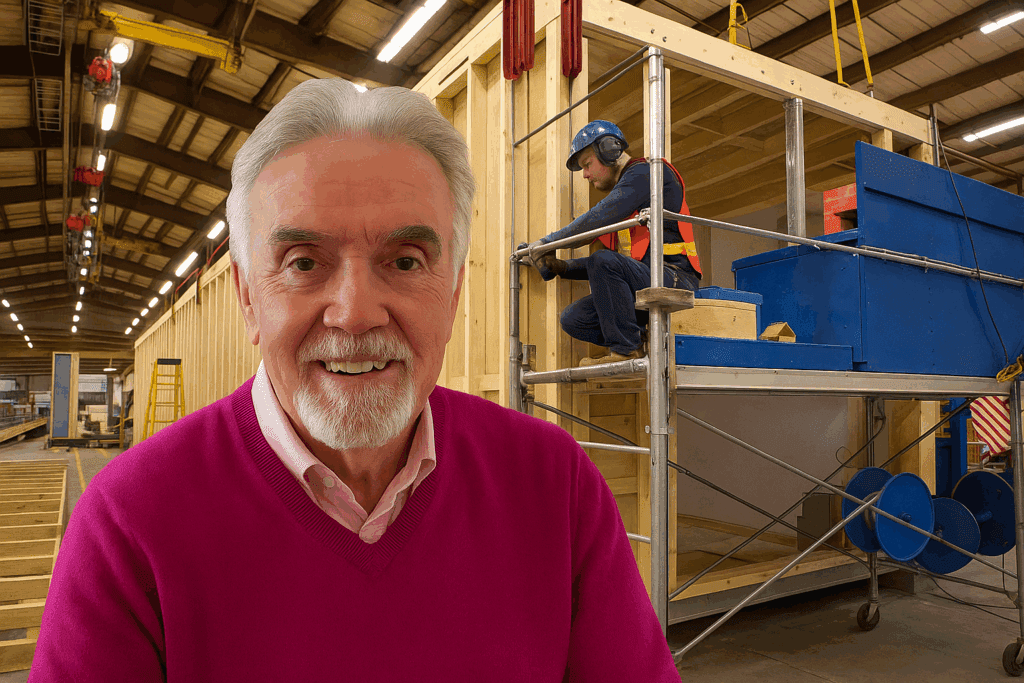
Bill Murray, Co-Founder of Offsite Innovators