Highlighting the thinkers and their ideas driving the evolution of Offsite Construction. 
Be inspired, be informed, be innovative!

Why Posting on LinkedIn Can Be the Best Marketing Program for Your Business

Let’s talk about something that could change the way you market your business. You’ve probably heard about LinkedIn, right? In fact, you’re probably reading this on LinkedIn right now. It’s not just a place to update your resume or scroll through job postings. It’s a goldmine for growing your brand—and it’s free! By posting pictures, articles, and short videos 5-7 times a week, you can boost your visibility, connect with your audience, and build your business.

Build Credibility and Authority

Imagine this: every time someone opens LinkedIn, they see your name sharing valuable insights or showcasing your expertise. Over time, people will start associating you with authority and trust in your industry. When you consistently show up, you’re not just another profile; you’re the go-to person in your field.

Expand Your Network and Reach

Here’s the beauty of LinkedIn’s algorithm—it loves active users. Every time you post, you’re not just reaching your connections; you’re tapping into their networks too. Think about it: one like, comment, or share can put your content in front of thousands of people you’ve never met. The more you post, the more people you reach.

Generate Organic Leads

Forget about spending a fortune on ads. LinkedIn gives you a chance to connect directly with your audience, for free. When you share content that solves problems or showcases solutions, you’ll naturally attract people who need what you offer. That’s called organic lead generation, and it works.

Low-Cost, High-Impact Marketing

You know what’s great about LinkedIn? Posting doesn’t cost a dime. Sure, it takes time (or you can get help with that), but the return on investment can be massive. It’s an easy way to stay top-of-mind with your audience without constantly dipping into your marketing budget.

Build Meaningful Relationships

Here’s the thing about LinkedIn—it’s not just about posting. It’s about engaging. Every comment or message is a chance to build a relationship. And those relationships can lead to partnerships, collaborations, or even direct sales. All because you showed up and joined the conversation.

Now, I get it. Posting consistently can feel like a lot, especially if you’re busy running your business. The good news is, you don’t have to do it all yourself. Let me help you figure out how to find the right person or company to support you.

Look for Industry Experience

First, find someone who knows your industry. They need to understand your audience and what makes them tick. Check their portfolio or LinkedIn profile to see if they’ve worked with businesses like yours before.

Check Their LinkedIn Activity

This one’s important: if they’re going to manage your LinkedIn, they should be crushing it on their own profile. Are they posting consistently? Are people engaging with their content? If they can market themselves, they can market you.

Prioritize Creativity and Analytics

The best LinkedIn marketers blend creativity with strategy. They’ll create content that grabs attention and use analytics to make it even better. Ask them how they measure success and refine their approach.

Read Reviews and Testimonials

Don’t just take their word for it. Look for reviews from other clients. If they’ve helped businesses like yours, they’re probably a safe bet.

Start Small with a Trial Period

Before diving into a long-term contract, test the waters. Start with a trial period to see how well they understand your business and whether their content resonates with your audience.

Use LinkedIn’s Built-In Tools

Here’s a pro tip: use LinkedIn to find your LinkedIn manager. Search for terms like “LinkedIn content manager” or “social media strategist.” Check out their profiles, connect with them, and start a conversation.

Posting on LinkedIn 5-7 times a week isn’t just a marketing tip—it’s a game changer. It’s about showing up for your audience, building trust, and staying top-of-mind. Whether you decide to handle it yourself or bring in a pro, this strategy can transform your business. So, what are you waiting for? Start posting today and watch your LinkedIn presence take off.
The Dumbest Things Factory Owners Have Said About Their Production Line Workers

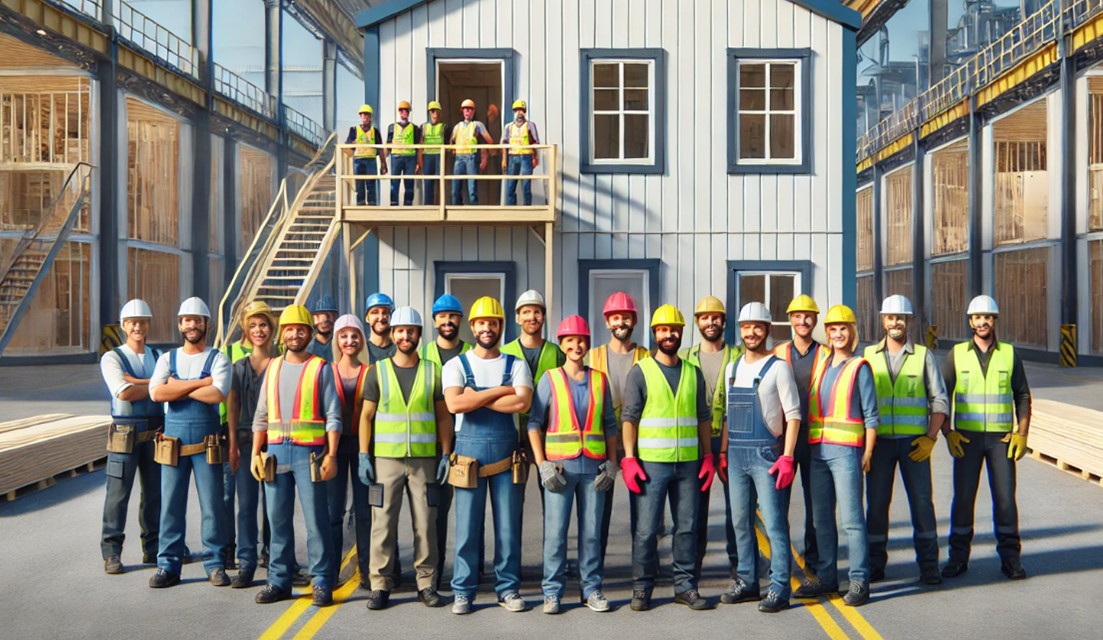
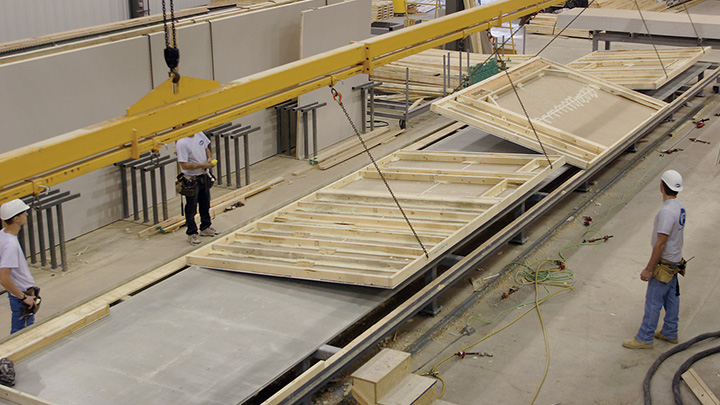
In the world of offsite construction and modular manufacturing, the production line is the heart of the operation. It hums with the energy of skilled workers, precise timing, and teamwork. Yet, in many factories, a dangerous gap persists between management and the people who physically build the product. Over the years, some of the most ill-advised comments from factory owners have trickled out, revealing an alarming disconnect. These misguided statements not only show a lack of appreciation for the workforce but also threaten the long-term success of the business. Let’s explore some of the most egregious examples.

“They’re just labor; anyone can do this job.”

This sweeping dismissal of production line workers undermines the specialized skills and precision many of them bring to the table. While the work may appear straightforward to outsiders, experienced employees possess a deep understanding of the processes and tools that keep the line running efficiently. Overlooking this expertise can lead to costly mistakes and delays when turnover inevitably happens.

“If they don’t like it, they can leave—there are plenty more where they came from.”

In an industry grappling with a skilled labor shortage, this comment is both tone-deaf and self-defeating. Replacing workers isn’t as easy as it sounds. Training new hires costs time and money, and frequent turnover drags down productivity. When workers feel replaceable, they’re less likely to invest themselves in the job—a recipe for poor morale and subpar work.

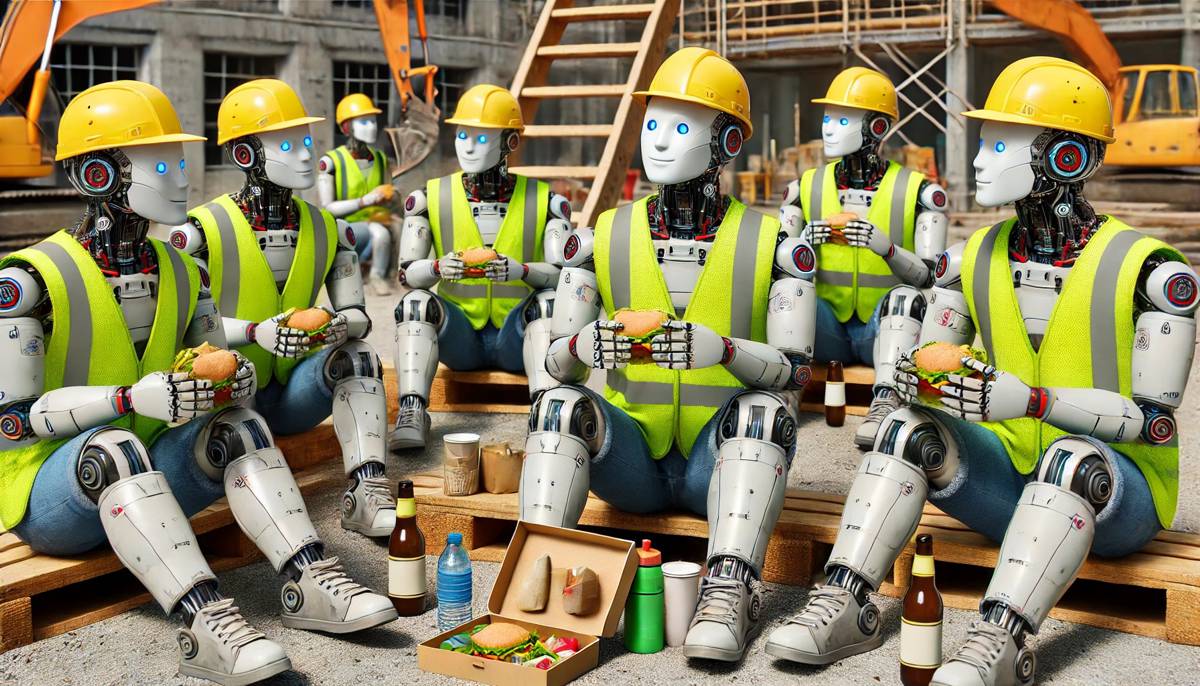
“Robots will replace all of them soon anyway.”

Automation is transforming manufacturing, but it’s not a magic wand that eliminates the need for human input. Even the most advanced systems require skilled workers to program, monitor, and maintain them. Besides, this comment reflects a fundamental misunderstanding of the current capabilities of technology and alienates workers who already fear being replaced.

“They don’t care about the company; they’re only here for the paycheck.”

It’s true that wages matter, but many production workers also take pride in their craft and want to feel valued. When owners dismiss their employees’ potential for loyalty or engagement, they miss an opportunity to build a stronger, more committed team. It’s a self-fulfilling prophecy: treat workers as if they don’t care, and they won’t.

“Why should we listen to them? They’re not engineers.”

Production line workers often spot inefficiencies or potential improvements that managers and engineers overlook. Ignoring their input stifles innovation and fosters resentment. After all, they’re the ones who interact with the product daily and understand the nitty-gritty details that can make or break a production cycle.

“They’re lucky to have a job.”

In today’s competitive job market, workers aren’t beholden to employers who fail to respect them. This antiquated mindset assumes workers have few other options, but the reality is quite different. Treating employees as if they owe their employer gratitude instead of receiving mutual respect is a fast track to high turnover.

“We don’t need to train them; they’ll figure it out.”

Cutting corners on training is not just a disservice to employees but a liability for the entire operation. Poorly trained workers are more likely to make mistakes, causing rework, delays, and safety hazards. Investing in proper training ensures smoother operations and fewer costly disruptions.

“They should stop complaining—we didn’t have these luxuries back in my day.”

This “back in my day” rhetoric does nothing to address modern workplace challenges. Workers today expect fair wages, safe working conditions, and opportunities for growth. Comparing their current needs to outdated standards only alienates employees and ignores the progress the industry has made.

“We can’t afford to give them raises; the business needs to come first.”

A business that neglects to fairly compensate its workforce is shooting itself in the foot. Competitive pay is essential for attracting and retaining top talent, and it’s a small price to pay compared to the costs of constant hiring and training due to turnover.

“It’s not like they’re building rocket ships.”

This flippant remark trivializes the hard work and skill required to produce high-quality products. Whether it’s assembling homes, components, or other goods, production workers play a critical role in delivering a final product that meets customer expectations.

These statements aren’t just words—they reflect attitudes that can erode a factory’s foundation. Disrespecting workers leads to low morale, high turnover, and missed opportunities for innovation. Moreover, it damages a company’s reputation, making it harder to recruit skilled labor in an already competitive market.

The most successful factories are those where management values and invests in their workforce. Workers who feel respected, heard, and fairly compensated are more likely to take pride in their work and go the extra mile. As the offsite construction industry continues to evolve, factory owners must recognize that their employees are their greatest asset—not just a cost to be minimized.

The production line may not build rocket ships, but it does build homes, communities, and futures. It’s time for factory owners to shift their mindset, leaving these “dumb” comments behind and fostering a culture that values the contributions of every worker on the line.

A Rare and Innovative Opportunity: The Modular Factory That Could Redefine Industry Success

The modular construction industry has always been a magnet for visionaries and risk-takers. The allure of creating efficient, scalable, and cost-effective housing solutions is undeniable. Yet, for every factory that thrives, many falter. Industry data suggests that less than half of brand-new modular construction factories survive beyond their third year. The reasons for failure are as varied as the industry itself: poor planning, inexperienced management, and the inability to adapt to market fluctuations are chief among them. But what if there was a proven path to success—a factory with a strong management team and established systems—that was now on the market?

.

This isn’t just theoretical. Right now, a modular construction factory with a solid track record is up for sale, offering an unprecedented opportunity for an investor or entrepreneur to step into a turnkey operation. What makes this offering so rare, and why is it a viable option even for an inexperienced buyer? Let’s explore.

Unlike startups or distressed factories often sold on the cheap, this factory boasts a history of operational effectiveness and employee-centric culture. Its management team has spent years refining production processes, implementing cutting-edge ERP systems, and cultivating a skilled workforce. These elements form the backbone of its success, allowing the factory to consistently meet delivery timelines, maintain quality standards, and adapt to market demands.

“Our team has spent the last decade perfecting our operations,” says the current owner. “The systems we have in place allow us to scale production without compromising on quality. This isn’t just a factory; it’s a well-oiled machine.”

.

Factories that hit the market typically fall into one of two categories: new ventures in search of funding or distressed operations in need of a turnaround. Both scenarios require a high tolerance for risk and significant expertise. This factory, however, represents a third and much rarer category: a mature business with an established market presence.

For an inexperienced buyer, the prospect of acquiring a factory with a proven track record can be intimidating. But here’s the differentiating factor: the current management team is willing to stay on board. This continuity ensures that the operational expertise and institutional knowledge that have driven the factory’s success remain intact.

Another critical advantage lies in the factory’s sophisticated ERP (Enterprise Resource Planning) systems. These systems seamlessly integrate all facets of the operation—from design and production to inventory and delivery—allowing for real-time decision-making and efficiency gains. For an incoming owner, especially one without industry experience, these systems can provide a safety net, ensuring that the factory runs smoothly while they get up to speed.

Could this be considered innovative? In a sense, yes. The modular construction industry rarely sees opportunities like this—a chance to acquire a mature operation without the steep learning curve typically associated with factory ownership. It’s a model that could inspire a new wave of investment in modular construction, encouraging more strategic acquisitions of operational solid factories rather than risky new ventures.

For the right buyer, this factory represents a unique chance to make an impact in modular construction without starting from scratch. The current owner’s commitment to ensuring a smooth transition, coupled with the strong foundation already in place, sets this opportunity apart.

“We’re looking for someone who shares our vision and commitment to excellence,” the owner explains. “This isn’t just about selling a business; it’s about passing the torch to someone who can take it to the next level.”

For potential investors, builders, or entrepreneurs eyeing the modular construction space, this rare opportunity could be the key to success in an industry where the stakes are high but the rewards can be even higher. The combination of a strong management team, proven ERP systems, and a history of employee-centric culture makes this factory not just an acquisition but a blueprint for sustainable growth in modular construction.

For serious inquiry response, contact Bill Murray at [email protected]

From Traditional to Transformational: Evaluating the Future of Modular Factories in a Changing Industry

The modular construction industry stands at a crossroads, with factories spanning a spectrum of types and ages. Each type faces unique challenges and opportunities as they navigate the shifting landscape of construction innovation, economic uncertainty, and sustainability demands.

This article delves into the five distinct types of modular factories, assessing their potential to effect change and achieve profitability over the next decade.

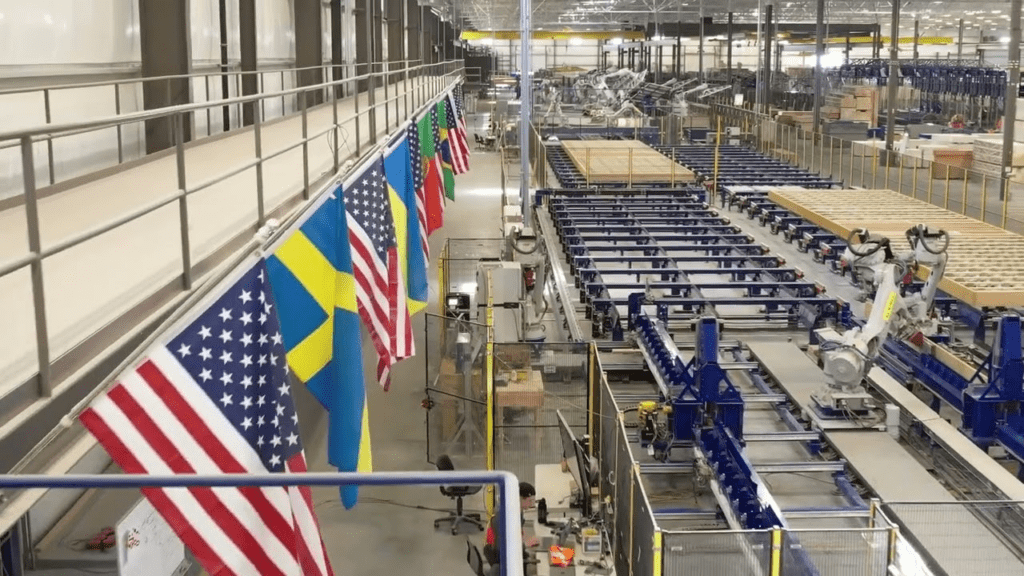
Photos – top – Signature Homes, above – Fading West

These factories have honed their processes over decades, earning steady profits by sticking to tried-and-true methods. Their reluctance to stray from their traditional approaches stems from a desire to protect their financial stability and minimize risk.

Prospects for Change: While these factories have deep industry knowledge and established customer bases, their hesitance to adopt innovative technologies like automation or AI could hinder their competitiveness. As the construction industry evolves, these factories risk losing ground to more agile competitors that embrace change. However, their financial strength gives them the ability to experiment with gradual innovations, such as incremental updates to software systems or targeted pilot programs for new techniques.

Path to Profitability: To maintain profitability, these factories must balance tradition and innovation. The gradual integration of new technologies and processes, coupled with investments in employee training, can help them stay relevant without disrupting their core operations. Engaging with industry consultants to identify low-risk areas for improvement may also enhance their adaptability without significant disruption.

These factories have survived for decades but struggle to achieve consistent profitability. Often resistant to change, they rely on outdated systems and are managed by leaders who are more focused on selling the business than revitalizing it.

Prospects for Change: Their unwillingness to modernize makes them unlikely drivers of industry-wide transformation. However, a strategic acquisition by a forward-thinking buyer could inject new life into these factories, enabling them to adopt modern practices and regain competitiveness. These factories also present opportunities for younger management teams who might see value in revitalizing underperforming assets.

Path to Profitability: For these factories, the key lies in finding buyers willing to invest in upgrades and new management. Partnerships with innovative startups or tech providers could also open pathways to profitability by reducing inefficiencies and expanding market reach. In the interim, these factories could explore niche markets or specialized services to stabilize their financial standing.

These factories represent the industry’s success stories, having navigated the complexities of modern modular construction to achieve profitability. They’ve built strong customer relationships and adopted more advanced systems and software.

Prospects for Change: Positioned as leaders in the modular industry, these factories are well-equipped to champion innovation. Their willingness to explore new technologies and methods makes them pivotal in reshaping the industry’s future. By leveraging their profitability, they can invest in sustainability initiatives, automation, and AI-driven solutions. These factories are also in a strong position to mentor or collaborate with less successful counterparts.

Path to Profitability: Maintaining their edge requires continuous innovation and responsiveness to market trends. These factories should focus on expanding their customer base, enhancing efficiency, and staying ahead of regulatory changes, particularly in energy and environmental standards. Developing proprietary systems or methods could also provide a competitive advantage and create new revenue streams.

These factories have attempted to replicate the success of established players by mimicking their processes and business models. However, many struggle to achieve the same level of success due to a lack of differentiation and adaptability.

Prospects for Change: Without a willingness to innovate, these factories are unlikely to drive significant change. Their rigid adherence to traditional practices places them at a disadvantage in a competitive landscape increasingly defined by agility and technological advancement. These factories often miss opportunities to address emerging market needs, such as sustainable building practices or customizable modular solutions.

Path to Profitability: To improve their chances, these factories must break away from emulation and forge their own identities. Investing in research and development, adopting modern systems, and aligning with forward-thinking industry partners can help them carve out a sustainable niche. Leadership changes or the introduction of innovation-focused teams could also be critical in driving their transformation.

photo – Autovol

These factories, either recently built or still in the planning stages, represent the industry’s most ambitious ventures. Often founded by individuals with limited experience in modular production, these factories aim to revolutionize the industry with automation, robotics, AI, and cutting-edge ideas.

Prospects for Change: As potential disruptors, brand-new factories hold the greatest promise for driving innovation. Their focus on reshaping modular construction aligns with broader industry trends toward sustainability and efficiency. However, their lack of experience and the high cost of implementing advanced technologies pose significant risks. Navigating these risks requires strategic planning, access to capital, and partnerships with experienced stakeholders.

Path to Profitability: Success for these factories hinges on securing adequate funding, assembling skilled teams, and developing scalable business models. Collaborations with experienced consultants and partnerships with established players can help bridge the knowledge gap and mitigate risks. Early adopters of their innovative approaches could serve as case studies, building credibility and attracting further investment.

Sustainability Pressures: The push for greener construction practices is accelerating, and modular factories must adapt. Profitable and newer factories are better positioned to embrace sustainable materials and processes, while older factories may struggle with the associated costs.

Economic Uncertainty: Global economic challenges will test the resilience of modular factories. Agile and innovative factories are more likely to weather economic downturns and capitalize on emerging opportunities.

Technological Advancements: Automation, robotics, and AI are transforming construction. Factories that invest in these technologies will gain a competitive edge, while those that resist may fall behind.

Workforce Challenges: The industry’s skilled labor shortage remains a critical issue. Modular factories must prioritize workforce development and explore automation to address this challenge.

Market Demand: As demand for affordable and sustainable housing grows, modular factories must adapt to meet diverse customer needs. Factories that can innovate quickly and efficiently will capture a larger share of this expanding market.

The future of modular construction depends on the ability of its factories to evolve. Old, established factories must overcome their resistance to change, while newer and brand-new factories must navigate the challenges of scaling and innovation. By embracing sustainability, technology, and workforce development, the industry can overcome economic uncertainties and drive lasting change.

Each type of factory will play a role in shaping the next decade of modular construction. The question is not whether the industry will evolve but how quickly and effectively these factories will adapt to secure their place in a rapidly changing world.

Building the Future: How Humanoid Robots Could Revolutionize Offsite Construction

The era of humanoid robots has arrived, transforming what once seemed like a distant dream into a groundbreaking reality that’s reshaping industries—including offsite construction. These remarkable machines, designed to mimic human movement, expressions, and even problem-solving abilities, are poised to revolutionize how modular homes and prefabricated buildings are conceived, constructed, and delivered. Humanoid robots are not merely tools; they are collaborators, working alongside human teams to enhance efficiency, precision, and creativity in one of the most innovative construction sectors.

The Albert Hubo Robot

Imagine a modular construction factory where humanoid robots move seamlessly among workers, assembling components with unparalleled dexterity and consistency. Equipped with cutting-edge technologies like advanced AI, natural language processing, and adaptable mechanics, these robots can perform complex tasks, from handling delicate materials to inspecting completed modules for quality assurance. Their ability to learn and adapt on the job could address the industry’s labor shortages while streamlining production timelines and reducing errors, offering builders and developers a competitive edge in a demanding market.

Agility Robotics

Beyond their technical capabilities, humanoid robots offer a glimpse into the future of offsite construction—a future defined by collaboration between human ingenuity and robotic precision. Their introduction raises exciting possibilities for creating safer work environments, where robots take on repetitive or hazardous tasks, freeing human workers to focus on creative problem-solving and innovation. As the boundaries of robotics and construction continue to blur, the industry is presented with opportunities to rethink not just how buildings are made but also how the entire construction process can become more efficient, sustainable, and scalable.

For the offsite construction industry, humanoid robots represent more than just technological progress—they are a symbol of what’s possible when advanced robotics meet a forward-thinking sector. Whether it’s assembling structural components, optimizing logistics, or ensuring quality at every step, these robots are setting the stage for a new era of construction. The humanoid revolution is here, and its impact on offsite construction is just beginning to take shape.

Tesla (United States)
Robot: Optimus
Overview: Unveiled in 2021, Optimus is designed for general-purpose tasks, aiming to perform duties that are “dangerous, repetitive, and boring”. Tesla plans to commence low-volume production by 2025, with a target price between $20,000 and $30,000.

Agility Robotics (United States)
Robot: Digit
Overview: Founded in 2015, Agility Robotics developed Digit, a bipedal humanoid robot designed for logistics and warehouse tasks. Digit has been deployed in facilities such as a Spanx warehouse and is being tested by companies like Amazon for distribution and fulfillment tasks.

Figure AI (United States)
Robots: Figure 01 and Figure 02
Overview: Established in 2022, Figure AI focuses on creating AI-powered humanoid robots for manual labour. In 2024, the company secured $675 million in funding from investors including OpenAI, Microsoft, Nvidia, and Jeff Bezos, valuing the company at $2.6 billion. Figure 02 robots have been deployed in BMW’s manufacturing facilities for testing.

Hanson Robotics (Hong Kong)
Robots: Sophia, Albert Hubo, Bina48
Overview: Hanson Robotics is renowned for developing human-like robots capable of human interaction and emotional intelligence. Sophia, one of its most famous robots, was activated in 2016 and has been granted citizenship in Saudi Arabia. Also behind the AiDa humanoid robot, which sold its painting for more than $1 million at Sotheby’s auction house recently.

.

UBTech Robotics (China)
Robot: Walker S1
Overview: UBTech has developed Walker S1, a humanoid robot designed for manual labour tasks in manufacturing settings. These robots have been deployed in BYD Auto’s factories to address labour shortages and enhance efficiency.

1X (Norway)
Robots: Eve and Neo Beta
Overview: Founded in 2014, 1X develops humanoid robots emphasizing safety and affordability. EVE is designed for roles in security, healthcare, and other service-oriented industries, while Neo Beta is a humanoid robot for home use, currently being tested in domestic environments.

Sanctuary AI (Canada)
Robot: Phoenix
Overview: Sanctuary AI focuses on creating humanoid robots with human-like intelligence to assist in various work environments, enhancing safety and efficiency. Phoenix is their general-purpose robot designed to perform a wide range of tasks across different industries.

Fourier Intelligence (China)
Technology of interest: Intelligent Rehabilitation Robots
Overview: Fourier Intelligence specializes in developing intelligent humanoid robots for medical rehabilitation. Their products are deployed in over 2,000 clients across more than 40 countries, providing high-performance rehabilitation solutions.

Boston Dynamics (United States)
Robot: Atlas
Overview: Boston Dynamics’ Atlas is a bipedal humanoid robot designed for search and rescue tasks. Unveiled in 2013, Atlas demonstrates advanced athletics and agility, exploring the potential of the humanoid form in dynamic environments.

CLICK HERE to read the original Robotic and Automation News article

Jimmy Carter: A Legacy Built on Service and Humanity

In an age where public figures often leave their mark through policy, power, or wealth, former President Jimmy Carter chose a different legacy—one built with his own hands, nail by nail, for those in need. His enduring partnership with Habitat for Humanity is more than just a chapter in his life; it’s a testament to his unwavering commitment to justice, compassion, and the dignity of a home.

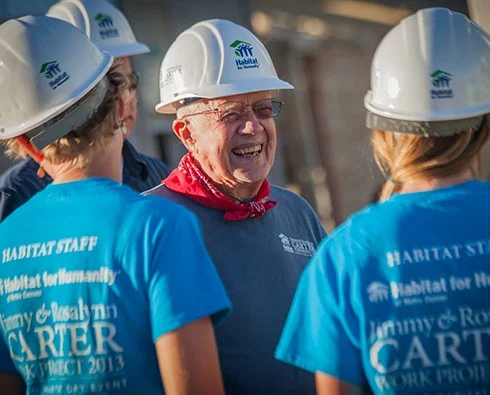
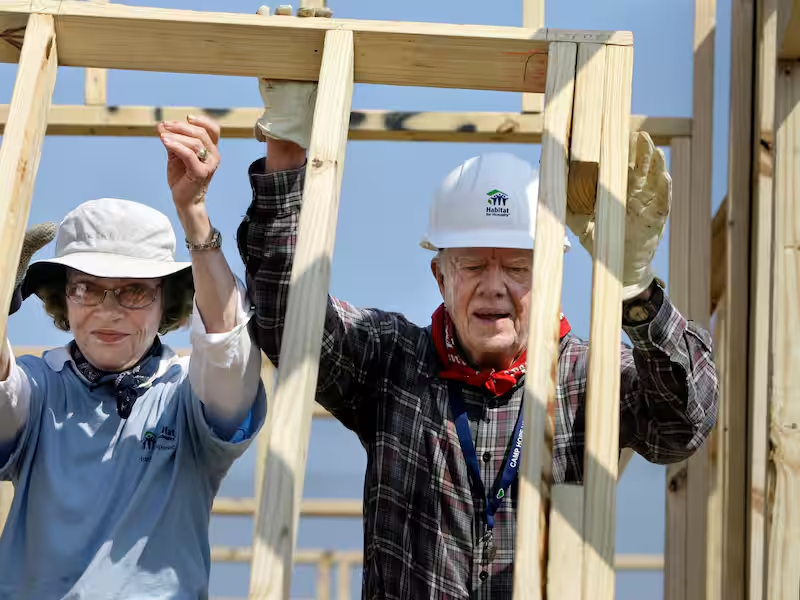
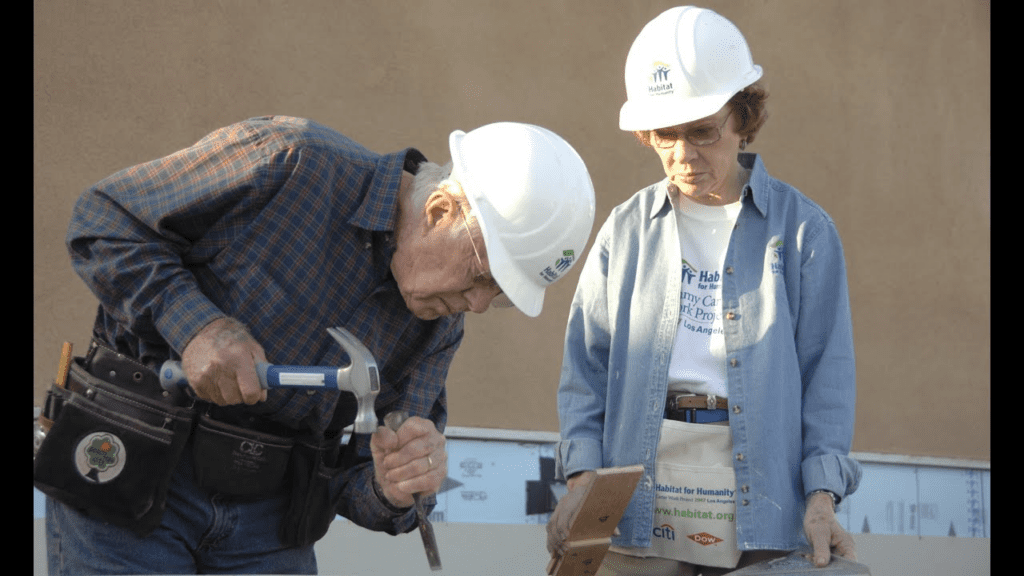
Since leaving the White House in 1981, Carter’s post-presidency redefined what it means to serve. While many retreat into quiet retirement, he and his wife, Rosalynn, rolled up their sleeves and joined Habitat for Humanity, a global nonprofit organization that builds affordable housing for families in need. For over four decades, the Carters embodied the mission of Habitat—not just as figureheads but as volunteers who labored alongside others to make the dream of homeownership a reality for thousands.

The Carters’ hands-on involvement was more than symbolic. They participated in Habitat builds across 14 countries, working tirelessly on construction sites, often in grueling conditions. Whether it was hammering nails, painting walls, or engaging with the families who would soon call these houses their homes, the Carters brought unparalleled energy and humility to every project. Their presence inspired others—celebrities, political leaders, and everyday citizens alike—to join the cause, amplifying Habitat’s impact exponentially.

One of the most remarkable aspects of Carter’s work with Habitat is its longevity. Into his 90s, despite health challenges, Carter continued to show up on build sites, even after suffering injuries or illnesses that might have sidelined others. His determination reflected a deeply held belief: everyone deserves the stability and security of a home. For Carter, housing was not just a basic need—it was a human right.

The results of his advocacy are staggering. Since its founding in 1976, Habitat for Humanity has built or repaired over 39 million homes worldwide, and the Carters’ involvement helped bring unprecedented visibility to the organization. Their efforts mobilized volunteers, raised funds, and galvanized communities to address housing inequities head-on.

But Carter’s impact goes beyond the numbers. Through Habitat, he highlighted the transformative power of homeownership—not just for individuals and families but for entire communities. A safe and stable home provides the foundation for education, health, and economic opportunity, creating ripples of positive change that can last for generations.

For Carter, this work was never about accolades or recognition. It was about faith in action, a reflection of his belief in service to others as a core tenet of his life. Habitat builds became a physical manifestation of his values—a tangible expression of hope and solidarity with those in need.

As we reflect on Carter’s legacy, it’s impossible not to feel inspired by his unwavering dedication to making the world a better place, one home at a time. His work with Habitat for Humanity is a shining example of how one person’s commitment can ignite a global movement. Carter didn’t just talk about compassion—he lived it, showing us all that leadership is measured not by titles but by the lives we touch.

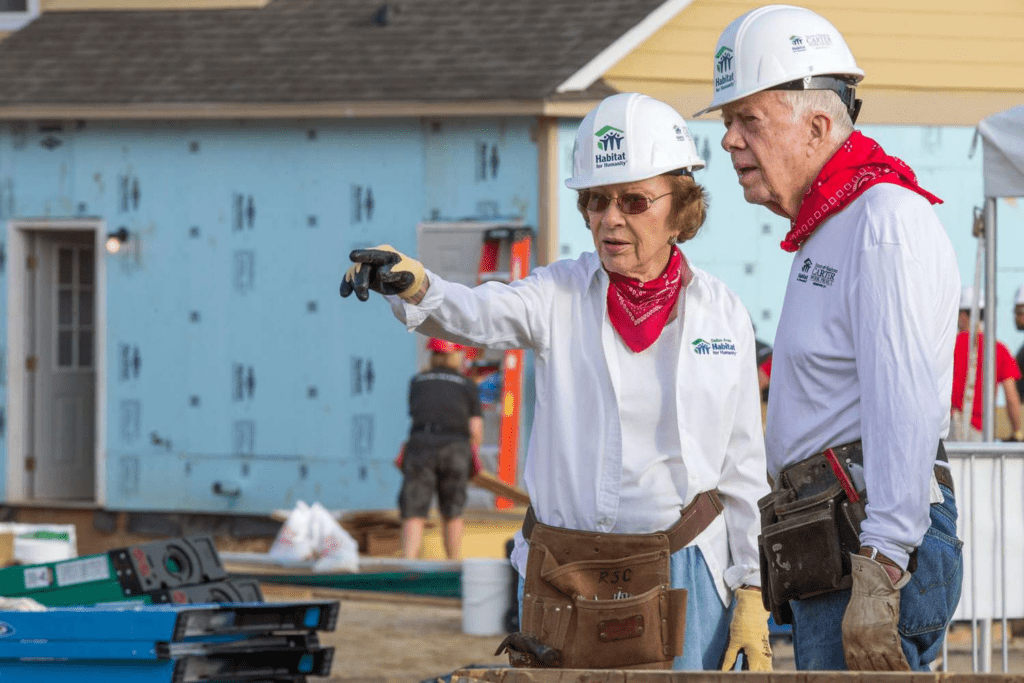
Former President Jimmy Carter and wife Rosalyn

Jimmy Carter may have been a one-term president, but his post-presidential years cemented him as a lifelong servant of humanity. Through Habitat for Humanity, he leaves behind more than homes—he leaves a legacy of hope, resilience, and the enduring belief that we are all better when we build together.

What If Canada Became the 51st U.S. State? Implications for Offsite and Modular Construction

I find the idea of Canada becoming the 51st state of the United States, as suggested by Kevin O’Leary during a recent interview, as bold and provocative. While this concept remains speculative, it opens a fascinating window into the potential implications for the offsite and modular construction industries.

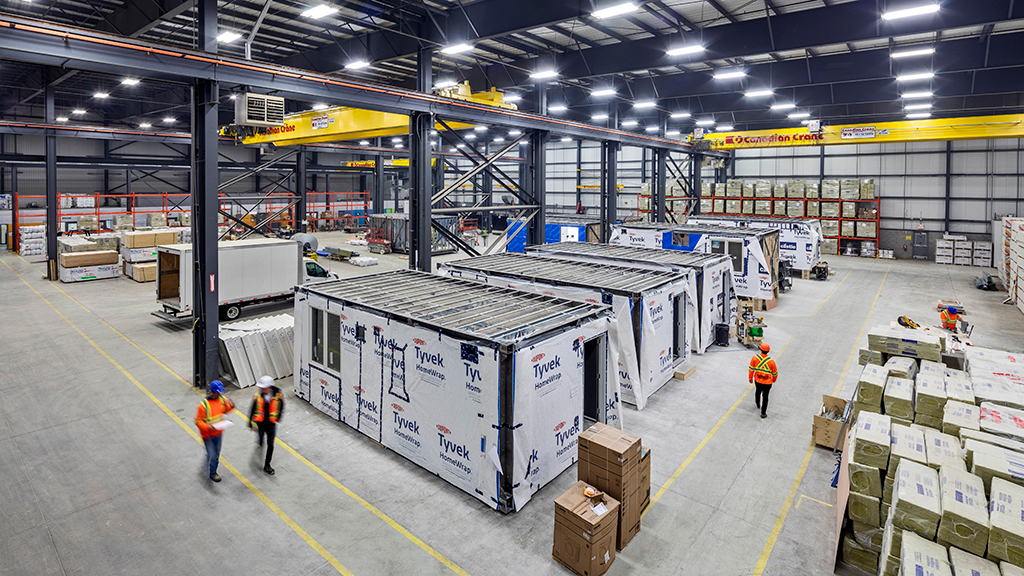
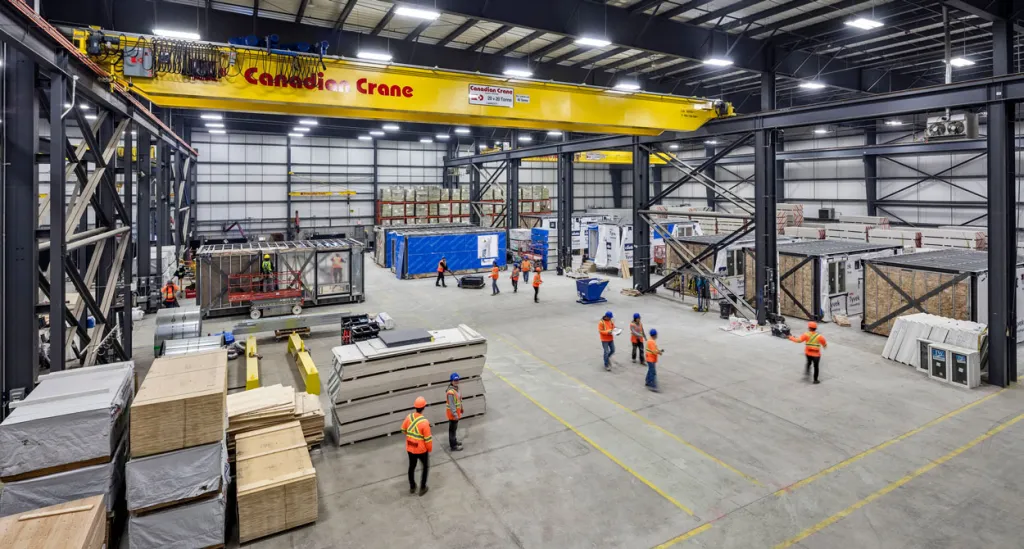
Top and above photos – BECC

One intriguing twist in this hypothetical scenario is the possibility of the U.S. adopting the National Building Code of Canada (NBC) as the basis for a unified national code. Could this lead to a new era of harmonized regulations, economic growth, and innovative collaboration?

Currently, the U.S. and Canada operate under different building codes. The U.S. primarily uses the International Building Code (IBC) or state-specific regulations, while Canada’s NBC provides a uniform framework across provinces. If Canada were to become a U.S. state, adopting the NBC as the foundation for a unified North American building code could simplify construction practices across the continent.

Photo – Assembly Corp.

The NBC is renowned for its clarity, adaptability to regional climates, and focus on sustainability. By integrating it into the U.S., modular construction companies could benefit from standardized regulations, eliminating the need to navigate a patchwork of state and local codes. This harmonization could:

Streamline Cross-Border Projects: A unified code would reduce compliance hurdles for companies operating in both countries.

Encourage Innovation: Consistent regulations could incentivize investment in advanced construction techniques, such as robotics and 3D printing, without worrying about regional discrepancies.

Boost Sustainability: The NBC’s emphasis on energy efficiency and environmental considerations could set a higher standard for green building practices across North America.

photo – FERO International Inc.

Canada joining the U.S. would create one of the largest unified construction markets in the world. The modular industry could experience both opportunities and challenges in such an environment.

Opportunities:

Market Expansion: Canadian modular manufacturers would gain seamless access to the vast U.S. housing market, presenting enormous growth potential.

Labor Mobility: A unified labor pool could help address skilled labor shortages that have long plagued the construction sector.

Increased Investment: U.S. companies might be more inclined to invest in Canadian modular factories, given the absence of trade barriers and currency fluctuations.

Challenges:

Increased Competition: U.S. modular firms would enter Canadian markets, potentially squeezing smaller, local players.

Cost Adjustments: Canadian companies might need to adapt to different wage structures, healthcare costs, and tax policies.

One of Canada’s strengths lies in its focus on sustainability and innovation in construction. Modular housing in Canada often incorporates features such as net-zero energy systems, advanced insulation techniques, and designs suited for extreme climates. If the U.S. adopted these practices alongside the NBC, it could elevate construction standards across the board.

For example:

Energy Efficiency: Modular homes built to NBC standards could dramatically reduce energy consumption, aligning with global climate goals.

Resilient Designs: Adapting Canadian techniques for colder climates could benefit northern U.S. states, while milder designs from southern states could find use in Canada’s temperate regions.

Sustainability Leadership: By embracing the NBC, the U.S. could position itself as a global leader in sustainable construction practices.

Photo – ROC Modular

Integrating Canada into the U.S. would require significant investments in infrastructure. Transportation of modular units and construction materials over long distances has always been a logistical challenge for the industry. Improved infrastructure across a unified North America could:

Reduce Costs: Enhanced rail and road networks would lower transportation expenses for modular factories.

Expand Reach: Factories located near the U.S.-Canada border could serve both markets more efficiently.

Encourage Hub Development: Strategic locations could emerge as manufacturing and distribution hubs, boosting local economies.

Another major shift would be the adoption of the U.S. dollar in Canada. For modular manufacturers, this could stabilize costs for materials and labor by eliminating currency exchange risks. It could also simplify cross-border transactions and make budgeting more predictable for international projects.

Combining the resources and expertise of both countries could spur groundbreaking advancements in modular construction. Research and development efforts might focus on:

Robotics and Automation: Joint ventures could accelerate the adoption of automated production lines, reducing costs and increasing efficiency.

3D Printing: Integrating Canadian and U.S. expertise could make large-scale 3D-printed housing a viable solution for affordable housing.

AI and Smart Technologies: Collaborative efforts could lead to smarter, more connected modular homes.

Despite the potential benefits, merging two distinct nations into a single entity would not be without challenges. Political, cultural, and social differences could create friction in aligning construction practices and policies.

For instance:

Regulatory Resistance: Some U.S. states might resist adopting the NBC, viewing it as a departure from established norms.

Cultural Identity: Canadians’ strong sense of national identity might lead to pushback against Americanizing their construction industry.

Environmental Policies: Reconciling Canada’s stringent environmental standards with less uniform U.S. practices could be contentious.

photo – Quality Homes

Ultimately, the idea of Canada becoming the 51st U.S. state raises as many questions as it does possibilities. For the offsite and modular construction industries, the implications could be transformative. A unified building code, particularly one based on Canada’s NBC, might serve as a catalyst for innovation, efficiency, and sustainability.

But challenges abound. From cultural resistance to economic adjustments, navigating this new reality would require careful planning and collaboration. For industry leaders, the potential rewards of a unified market and regulatory framework make the hypothetical scenario worth considering—even if it remains firmly in the realm of speculation.

Would adopting the National Building Code of Canada truly unify North American construction practices? Could it drive the offsite and modular construction industries to new heights? Or would the complexities of integration outweigh the benefits? These are questions that may never need definitive answers but are worth pondering as we envision the future of construction.

Revolutionizing Fastening with Wooden Nails…with video!

Offsite Innovators is all about showcasing the latest breakthroughs in construction, but every now and then, something old gets a fresh twist that catches my eye. That’s exactly what happened when I came across a company bringing wooden nails back to the construction industry.

The world of construction is ever-evolving, with innovation constantly reshaping the tools, materials, and methods used to build the spaces we inhabit. Among the latest game-changers is LIGNOLOC®, the revolutionary wooden nail system developed by BECK Fastening Systems. Designed as a sustainable alternative to traditional steel nails, LIGNOLOC® has been making waves in the construction and woodworking industries. But what exactly makes this innovation so unique, and how is it reshaping the way we think about fastening?

The Origin of LIGNOLOC®

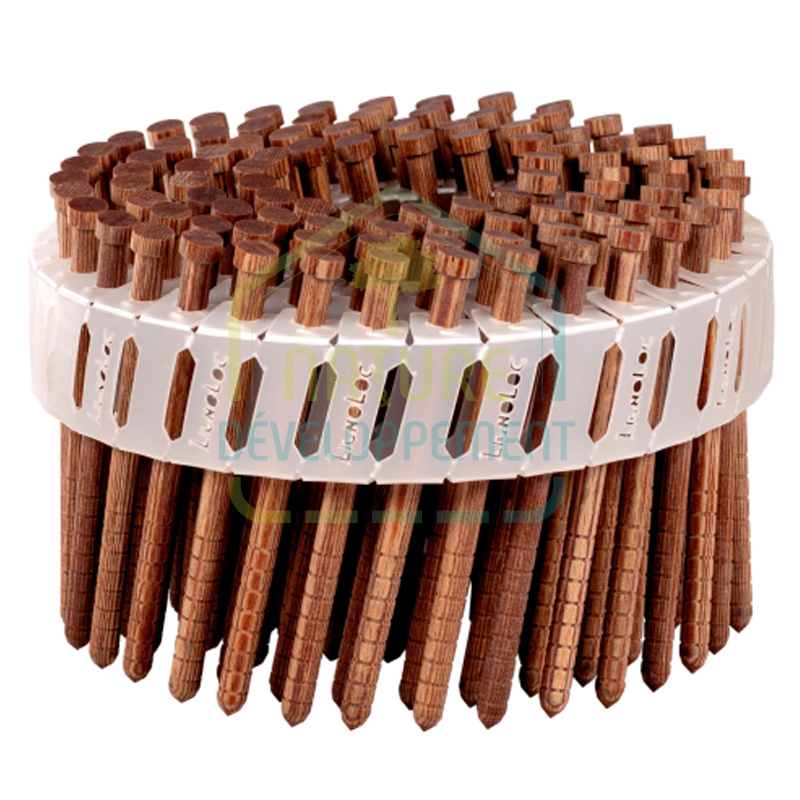
LIGNOLOC® wooden nails were born from BECK Fastening Systems’ commitment to sustainability and innovation. Recognizing the need for more eco-friendly solutions in construction, the company developed nails made entirely from European beech wood. These nails are hardened through a patented process, giving them the strength and durability needed for a variety of applications. The name “LIGNOLOC” itself hints at its primary material (“ligno” means wood in Latin) and its ability to “lock” materials together seamlessly.

The LIGNOLOC® system isn’t just a novel idea; it’s a fully functional fastening solution designed to integrate into pneumatic nailers for quick and efficient application. This innovation eliminates the need for metal fasteners in many projects, aligning perfectly with the growing demand for sustainable building practices.

How LIGNOLOC® Works

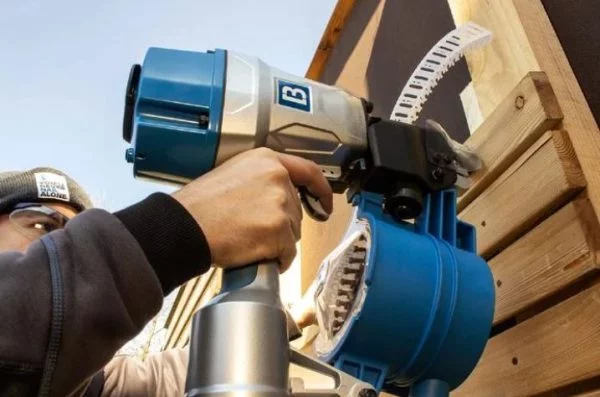
The magic of LIGNOLOC® lies in its unique design and application process. The wooden nails are installed using a specially designed pneumatic nail gun that drives the nails into the wood at high speeds. The friction generated during this process heats the lignin in the wooden nails, causing it to bond with the surrounding wood fibers. This creates a secure, permanent connection that’s as strong as traditional metal fasteners in many applications.

One of the standout features of LIGNOLOC® is its compatibility with other wood materials. Unlike metal nails, which can react with certain woods or corrode over time, LIGNOLOC® nails integrate seamlessly into the structure without compromising the material’s integrity. This makes them ideal for use in CLT (Cross-Laminated Timber) panels, furniture, and even boat building.

Key Benefits of LIGNOLOC®

LIGNOLOC® offers a range of benefits that make it a compelling choice for builders, carpenters, and manufacturers:

Sustainability: Made from renewable beech wood, LIGNOLOC® nails significantly reduce the environmental impact of construction projects. Their production involves less energy and fewer emissions compared to steel nails.

Aesthetic Appeal: For projects where the appearance of exposed fasteners matters, LIGNOLOC® nails blend seamlessly with wood surfaces, providing a clean and natural look.

Corrosion Resistance: Unlike metal nails, wooden nails don’t corrode over time. This makes them an excellent choice for outdoor applications and projects in humid or marine environments.

Efficient Workflow: The pneumatic nail gun ensures quick and precise installation, saving time on the job site and improving productivity.

No Thermal Bridging: Metal fasteners can create thermal bridges, reducing energy efficiency in structures. Wooden nails eliminate this issue, contributing to better insulation performance.

    Applications of LIGNOLOC®

    LIGNOLOC® is versatile enough to be used across a variety of industries and applications. Here are a few areas where these innovative wooden nails are making an impact:

    Wooden Facades and Cladding: LIGNOLOC® nails provide a durable and aesthetically pleasing solution for attaching wooden panels without the need for visible metal fasteners.

    Furniture Manufacturing: The seamless integration of wooden nails enhances the natural beauty of wooden furniture and reduces the need for adhesives or screws.

    CLT and Timber Construction: In mass timber projects, LIGNOLOC® nails contribute to the structural integrity of beams and panels while aligning with sustainability goals.

    Boat Building: The non-corrosive nature of wooden nails makes them ideal for marine applications, where exposure to water is constant.

    Historical Restoration: For restoration projects requiring period-accurate materials, LIGNOLOC® nails provide a modern yet authentic alternative.

    Challenges and Limitations

    While LIGNOLOC® offers numerous advantages, it’s not without its challenges. One of the primary limitations is its strength in comparison to metal nails in certain high-load applications. While wooden nails are suitable for many uses, steel fasteners may still be required for projects involving extreme stress or heavy-duty materials.

    Additionally, the cost of LIGNOLOC® nails and the specialized pneumatic nailer may be a barrier for smaller contractors or DIY enthusiasts. However, as the technology becomes more widespread, it’s likely that costs will decrease, making it more accessible to a broader audience.

    A Step Toward Sustainable Construction

    The introduction of LIGNOLOC® aligns with a broader shift in the construction industry toward more sustainable practices. As governments and organizations push for greener building standards, innovations like wooden nails are becoming increasingly important. By reducing reliance on metal fasteners, LIGNOLOC® contributes to lowering the carbon footprint of construction projects and supports circular economy principles.

    Moreover, the use of LIGNOLOC® in mass timber construction has the potential to revolutionize how we think about large-scale building projects. The combination of timber’s natural carbon-sequestering properties with the sustainability of wooden nails creates a compelling case for their adoption in future developments.

    Looking Ahead

    LIGNOLOC® is more than just a new product; it represents a paradigm shift in how we approach fastening in construction. By combining innovative technology with a commitment to sustainability, BECK Fastening Systems has introduced a solution that meets the needs of modern builders while addressing environmental concerns.

    As the construction industry continues to evolve, the success of LIGNOLOC® will likely inspire further innovations in sustainable building materials. Whether you’re a contractor, carpenter, or architect, it’s worth keeping an eye on how this revolutionary product shapes the future of construction. With its blend of practicality, environmental responsibility, and aesthetic appeal, LIGNOLOC® wooden nails are driving a new era of eco-conscious building practices—one nail at a time.

    The World’s First Plug-and-Play Timber Skyscraper System About to Become Reality

    In a groundbreaking development for sustainable construction, a team of innovators has unveiled the world’s first plug-and-play timber system for skyscrapers. This modular approach, as reported by Wood Central, is poised to revolutionize the construction of tall buildings by combining the natural benefits of timber with cutting-edge design and assembly techniques. Designed to drastically reduce construction time while maintaining structural integrity, this system could redefine how we think about building in urban environments.

    The plug-and-play system simplifies the construction of timber skyscrapers by standardizing prefabricated components that can be assembled on-site with minimal effort. Each component is precision-engineered to fit seamlessly, allowing for rapid construction and reducing the margin for error. According to Wood Central, the system also integrates advanced fireproofing and structural safety measures, addressing common concerns about timber’s viability for high-rise buildings. This innovation aligns with growing global interest in sustainable construction, as timber is a renewable resource with a lower carbon footprint compared to traditional materials like concrete and steel.

    The potential impact of this system on the construction industry is enormous. By making timber skyscrapers more accessible and feasible, it opens the door for widespread adoption of environmentally friendly building practices in dense urban areas. The system also aligns with modern construction trends emphasizing modularity, efficiency, and sustainability. For more details about this pioneering technology, visit the original article on Wood Central. With innovations like these, the future of sustainable high-rise construction is looking brighter than ever.

    4ward Solutions Group: Pioneering Startups and Product Launches in Construction Innovation

    Innovation is key to staying competitive in construction. For startups and new product developers, navigating this industry requires more than a great idea—it demands strategic guidance, technical expertise, and market insight. That’s where 4ward Solutions Group steps in, offering tailored consulting services that transform visionary concepts into actionable business successes.

    Based in the heart of construction innovation, 4ward Solutions Group is dedicated to helping startups and established businesses bring groundbreaking ideas to life. Their specialty lies in supporting companies within the offsite and modular construction sectors, areas known for their rapid growth and need for continuous innovation. From ideation to implementation, their process is built on a deep understanding of construction technology and a commitment to client success.

    One of their most valuable services is assisting startups in defining a clear pathway to market for their products. For entrepreneurs entering the construction space, this can mean the difference between a stalled prototype and a product that reshapes industry standards. 4ward Solutions Group helps businesses identify pain points, develop solutions, and create value propositions that resonate with customers.

    In addition to helping new businesses, the group excels at refining and launching new products for established companies. Their team of experts evaluates product feasibility, optimizes designs for manufacturability, and aligns production strategies with market demands. By leveraging their extensive industry network, they connect clients with the right partners for manufacturing, marketing, and distribution.

    The firm’s approach is hands-on and results-driven, ensuring that every detail is addressed, from compliance with building codes to identifying untapped market opportunities. Whether it’s a startup launching a modular home concept or a manufacturer introducing an innovative material, 4ward Solutions Group provides the roadmap to success.

    Their track record is impressive, with numerous success stories highlighting their ability to transform concepts into profitable enterprises. For entrepreneurs looking to make their mark in the construction industry or established businesses aiming to innovate, 4ward Solutions Group offers the expertise and connections to make it happen.

    In an industry where innovation often meets resistance, having a trusted partner like 4ward Solutions Group can be the catalyst for breakthrough success. If you’re ready to take the next step in offsite or modular construction, 4ward Solutions Group might just be the edge you need.