One of the more interesting things about the offsite construction industry is how often
companies convince themselves that the next piece of technology is finally going to solve the
problems they’ve been struggling with for years.
A new production system gets installed. A factory invests in automation. Management
software is introduced to improve scheduling, purchasing, communication, and
accountability. Sometimes an entire shift in building philosophy takes place — panelization,
volumetric modular, light-gauge steel framing, or some new manufacturing process that
promises greater efficiency and predictability.
At first, the enthusiasm is understandable. Ownership sees cleaner reporting. Managers
envision better coordination. Production personnel are told the new system will reduce
confusion and eliminate bottlenecks. Everyone talks about efficiency, scalability, and getting
ahead of the industry.
After enough years around factories and manufacturing operations, you start noticing
something else. In many companies, six months later the same frustrations quietly begin
resurfacing. Production delays continue showing up. Departments still struggle
to communicate with one another. Purchasing problems continue affecting production.
Scheduling becomes reactive again. Supervisors work around systems instead of through
them. Eventually, the conversation shifts from excitement to frustration, and the technology
itself often becomes the thing blamed for the disappointing results.



What makes this interesting is that the technology frequently wasn’t the problem to begin
with. The real issue was whether the organization itself was prepared to operate within the
level of discipline, communication, consistency, and accountability the system required. In
other words, the success or failure of innovation often has less to do with software or
automation and far more to do with the culture surrounding it.
THE TECHNOLOGY DIDN’T FAIL
One software developer we know built an impressive management platform specifically
designed for modular manufacturers. It addressed real operational challenges that factories
constantly fight — material tracking, scheduling, interdepartmental communication,
visibility into production flow, accountability, and coordination between engineering,
purchasing, production, and service.
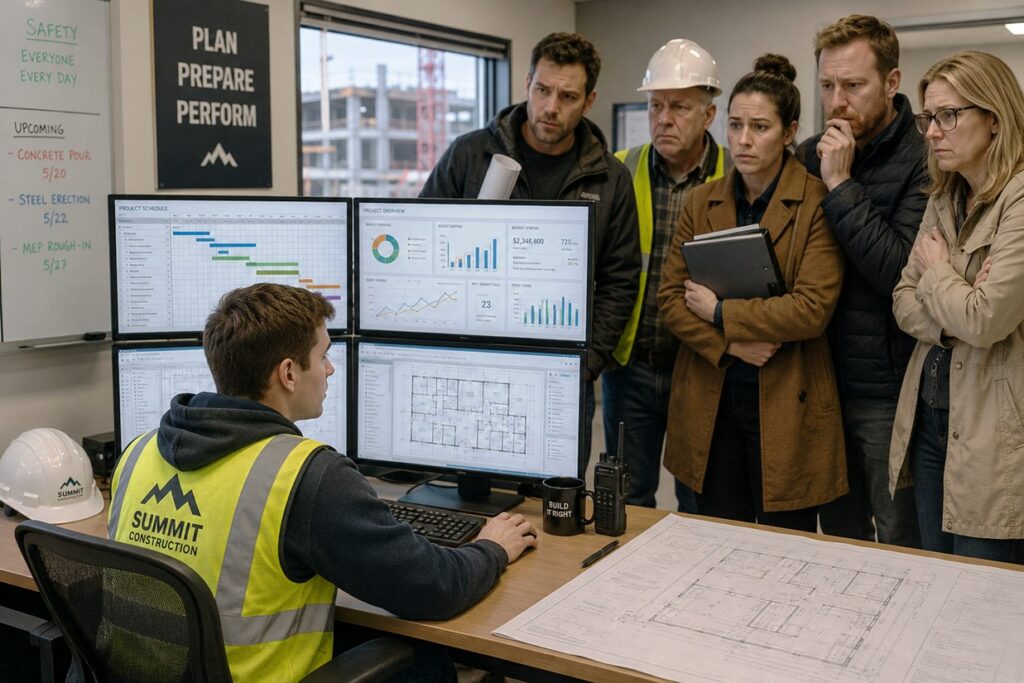
In one operation, the software dramatically improved performance. Material shortages
dropped. Labor efficiency improved. Departments communicated better because
information became more visible and harder to ignore. Managers gained a much clearer
understanding of what was happening throughout the operation on a real-time basis.
In another facility using essentially the same platform, adoption struggled almost
immediately. Information wasn’t entered consistently. Departments resisted the
transparency the system created. Managers bypassed procedures because they felt the
process slowed them down. Employees continued operating independently rather than
collaboratively, and before long, frustration started building around the software itself.
The difference wasn’t the technology. The difference was the environment the technology
entered. One organization was prepared to embrace structure, accountability, and
operational discipline. The other really wasn’t, even if leadership believed otherwise.
CULTURE SHOWS UP UNDER PRESSURE
Most people hear the word “culture” and immediately think of mission statements, morale,
employee events, or slogans hanging on a wall. In manufacturing, culture is much more
practical than that. It reveals itself in how people behave under pressure. It shows up in
whether departments communicate or protect themselves. It becomes visible in whether
leadership consistently enforces standards or quietly allows exceptions whenever
schedules tighten.
People within organizations quickly learn what leadership truly values. Not from
speeches or posters, but from what management tolerates every day when production
pressure starts building.
OFFSITE EXPOSES WEAKNESS QUICKLY
That becomes especially important in offsite construction because factory environments are
far less forgiving than traditional jobsites. Conventional construction often allows room for
improvisation. Experienced field personnel can adjust on the fly, work around mistakes, and
solve problems in real time without bringing the entire project to a halt.
Manufacturing systems don’t operate that way. Factories depend on sequencing,
consistency, timing, communication, and coordination between multiple interconnected
departments. Engineering affects purchasing. Purchasing affects production. Production
affects shipping. Shipping affects field-set crews and downstream builders. When one part
of the operation breaks rhythm, everyone behind it feels the consequences.
Strong cultures usually recognize this early. Weak cultures tend to fight it.
THE REAL PROBLEM IS OFTEN OPERATIONAL ALIGNMENT
That’s why many builders and developers entering offsite construction struggle more with
operational alignment than with the technology itself. They often approach factories with a
traditional construction mindset, relying heavily on experience, instinct, and reactive
problem-solving in environments that actually require process discipline and consistency to
function properly over time.
The factory eventually exposes those weaknesses. What leadership initially viewed as
“technology problems” often turn out to be communication problems, accountability
problems, leadership problems, or cultural resistance to structure itself. The technology
simply made those weaknesses more difficult to hide.
THE BEST FACTORIES ARE USUALLY THE MOST DISCIPLINED
Visit enough factories, and you begin seeing the difference almost immediately. Some
operations feel stable, organized, and consistent even when they’re extremely busy. Others
feel chaotic despite having similar equipment and similar production capabilities. In many
cases, the real separator is leadership consistency and the culture that developed around it
over time.
The strongest factories are usually not the ones with the flashiest technology. They’re the
ones where leadership established operational discipline early, departments communicate
consistently, accountability exists without constant drama, and employees understand that
systems are there to support the operation rather than work around it.
That type of culture doesn’t happen accidentally. It gets built deliberately, often long before
the technology arrives.
The offsite industry will continue evolving. New systems will continue entering the market,
and many of them will improve the way homes are designed and built. But at some point
every organization considering innovation has to answer a more difficult question than
which software to buy or which production system to implement.
Is the organization actually prepared to support the discipline, accountability, and
What operational alignment does innovation require?
Because in the end, most companies don’t really have a technology problem.
They have a culture problem.
Offsite Innovators continues to work with developers, manufacturers, and entrepreneurs
evaluating offsite opportunities, operational structures, factory performance, and the real-
world challenges that determine whether innovation succeeds or quietly becomes another
expensive disappointment.
Bill Murray

Bill Murray has over 40 years of operational management experience in the Modular industry. Bill began his Offsite career as a contractor/builder. He then entered the manufacturing side, quickly advancing through the sales ranks to become a General Manager/COO of multi-plant operations. Bill provides professional advisory services to owners, prospective owners, and builder developers considering Offsite construction. He has consulted throughout the U.S. and Mexico, as well as on overseas assignments.
If you’re evaluating offsite construction—whether LGS, wood, or hybrid—and want a clear, experience-based perspective before committing, reach out. A brief conversation up front can prevent costly assumptions later.