
Watching my 14-year-old grandson — a Gen Alpha kid who somehow squeezes four lifetimes into one — has completely changed the way I look at the future of our industry. This is a young man who taught himself to weld in his garage, sketches plans and builds backyard structures for fun, repairs small engines for neighbors, runs a lawn care business he started at age 10, and still pulls off good grades in high school.
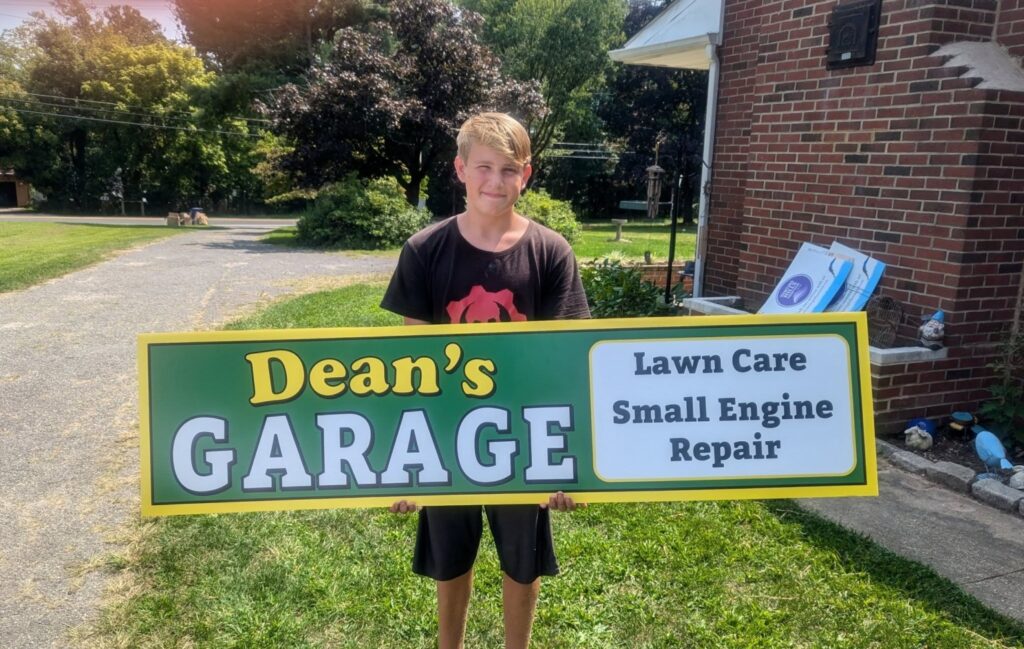
Not because someone told him to. Not because there’s a curriculum for it. But because he wants to understand how things work — and how to make them better.
And watching him led me to one question that our entire industry needs to start asking:


How do we bring more young people into construction and offsite manufacturing, not just as skilled workers… but as skilled entrepreneurs?
Because this is a different segment of labor — a desperately needed one. Factories need line workers, yes. But they also need doers who become thinkers, and thinkers who become founders. They need the next generation of subcontractors, installers, innovators, factory owners, and problem-solvers who look at inefficiency and say, “I can fix that.”
If we fail to develop that side of the workforce, we won’t just be short on talent — we’ll be short on leadership.
So let’s talk about how we grow that entrepreneurial spark from the ground up.
Here are my suggested “7 Steps to Entrepreneurship”
Step One: Build Ownership Thinking Early
You can’t learn ownership by watching someone else clock in. Ownership has to be experienced, and it should start long before a young person steps onto a jobsite.
Trade programs still teach people to work for a boss, not be one. Every construction tech program should build in a mini-business pitch, a pricing exercise, or a project that requires estimating, scheduling, and customer communication.
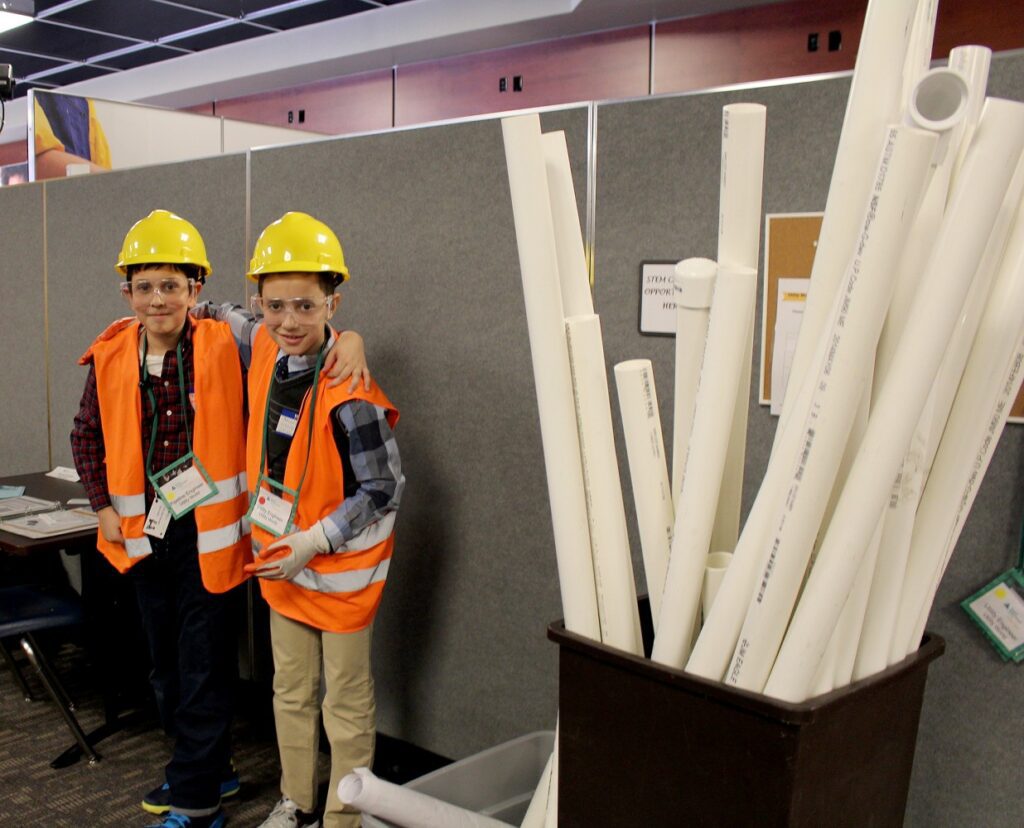
Entrepreneurship doesn’t begin with a loan application — it begins with a mindset. And the earlier we cultivate it, the stronger it grows.
Step Two: Apprentice in Business, Not Just a Trade
Traditional apprenticeships teach skills; entrepreneurial apprenticeships teach systems. Pair every apprentice with an owner, estimator, or operations lead once a month. Let them see the business side — the bids, the budgets, the surprises, the stress, the strategy.
If you want someone to eventually run a company, they need to understand far more than how to build the product. They need to understand how to keep the doors open.
Step Three: Create Micro-Entrepreneurship Opportunities
Gen Z and Gen Alpha don’t want to wait a decade for responsibility — they want it now, and they thrive when they get it.
Factories could create “Own Your Crew” starter programs. Trade schools could host small-business building competitions. Communities could support student-run micro-crews doing repairs, ADU prep work, yard structures, and real paid projects.
Small opportunities build real confidence — and confidence builds founders.
Step Four: Match Them With Mentors Who Have Scars
The best entrepreneurship teachers aren’t professors — they’re people who survived mistakes. Retired builders, former GMs, and veteran factory managers should be the backbone of a new mentorship movement.
If you’ve made payroll in a slow month or rebuilt a business after a bad year, you can teach more than any textbook ever will. And young people want real talk. They want the truth, not the brochure.
Step Five: Redefine Innovation for This Generation
Young people think innovation means robotics, AI, or 3D printing. Sure — those matter. But innovation in our industry also looks like shaving a day off a schedule, redesigning the flow in a factory, improving logistics, or managing installs smarter.

Show them that entrepreneurship in construction is often about improving a process — not inventing a gadget. When they understand that, they start looking for opportunity everywhere.
Step Six: Teach Tech With Purpose
The future entrepreneur in our industry will use AI as casually as a tape measure. BIM won’t be “specialized software.” CRMs won’t be “nice to have.”
If we want tomorrow’s builders to run successful companies, we must train them to think digitally. Not because tech replaces knowledge — but because tech multiplies it.
When a young builder understands both construction and digital tools, they become unstoppable.
Step Seven: Celebrate Young Founders Like Rock Stars
We highlight machines, robots, and giant factories — but not the 19-year-old who launched a small CAD studio or the 22-year-old who started a framing crew with two friends.
If we want more entrepreneurs, we need to show entrepreneurs. Every story of a young builder-founder is a spark. And sparks create momentum.
THE BIG PICTURE
We cannot solve the labor crisis by training workers alone. We also need to train owners, leaders, creators, problem-solvers, and risk-takers.
Factories will always need line workers. But the industry will collapse without the innovators who hire those workers, refine the processes, and build the companies that move offsite construction forward.
The future belongs to the young people who don’t just want jobs — they want ownership. They want autonomy. They want to build something that’s theirs.
Our job is to give them the blueprint — and then get out of their way.