
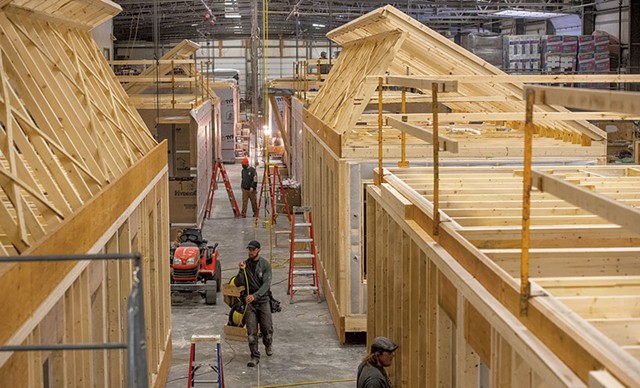
There’s a growing narrative that factory-built housing might be the future. In Vermont, that conversation is getting louder as the housing shortage tightens its grip on families, workers, and entire communities. But here’s the part that gets lost in all the policy talk and media coverage—this isn’t some experimental idea waiting to be proven. It’s already working inside factories like Huntington Homes, and if more people actually walked a production line instead of sitting through presentations, the conversation would sound very different.
What a Real Modular Factory Looks Like
I had the opportunity to visit Huntington Homes in Vermont a while back, and I walked away genuinely impressed. The factory was clean, organized, and efficient in a way most onsite builders would struggle to match. You could see quality being built into the home at every stage instead of being inspected later. This wasn’t marketing language or a polished tour—it was real production, happening in real time.

Jason Webster, co-president and owner of Huntington Homes
If I were building a new home in Vermont today, they would be at the top of my list. That opinion isn’t based on a brochure or a sales pitch. It’s based on what I saw firsthand on that factory floor.
The Assembly Line That Changes Everything
Huntington builds in modules ranging from 400 to 700 square feet, which can stand alone or be combined into larger homes and multi-unit buildings. Each module begins at one end of the factory and moves steadily from station to station, with the final stop adding doors, kitchens, and bathrooms. What looks like construction from the outside is actually a controlled manufacturing process on the inside.



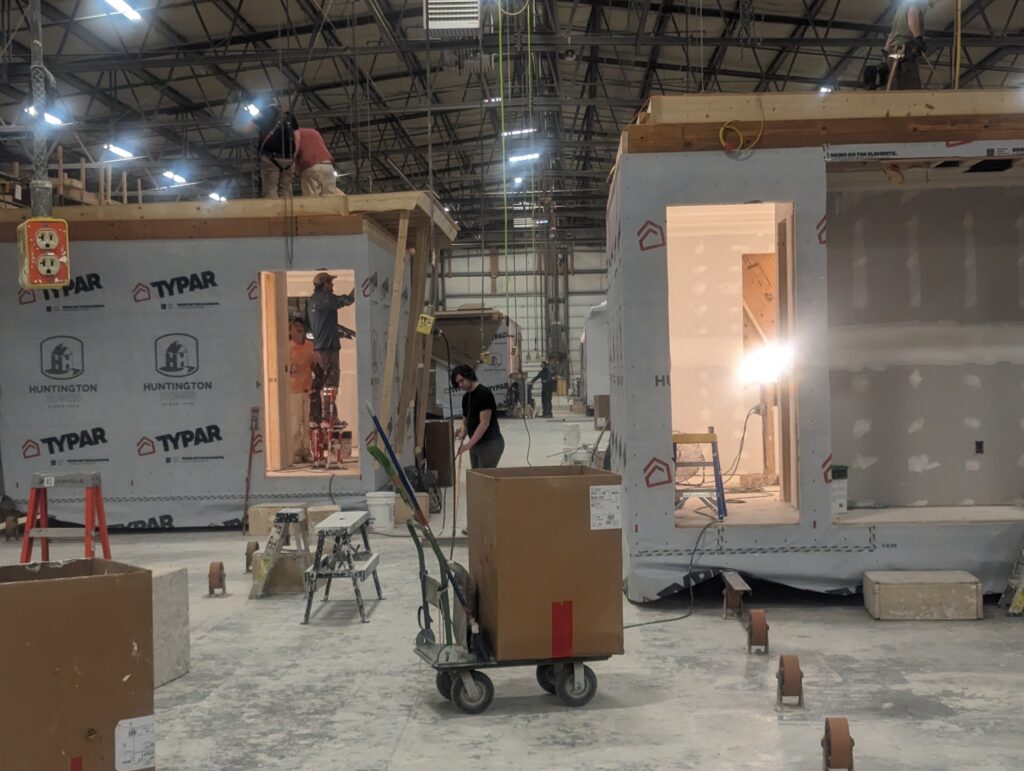
That distinction matters because manufacturing brings consistency. Every crew works in sequence, every step is repeatable, and every module benefits from the same level of oversight. That’s a completely different approach from the variability of a traditional jobsite.
Ninety-Six Hours and a Predictable Schedule
It takes about 96 hours to build a house in the factory, but the real advantage isn’t just speed—it’s predictability. Houses come off the line at a regular pace, unaffected by the conditions outside. Unlike site-built homes, where weather can shut down progress for days at a time, Huntington keeps building regardless of rain, snow, or cold.
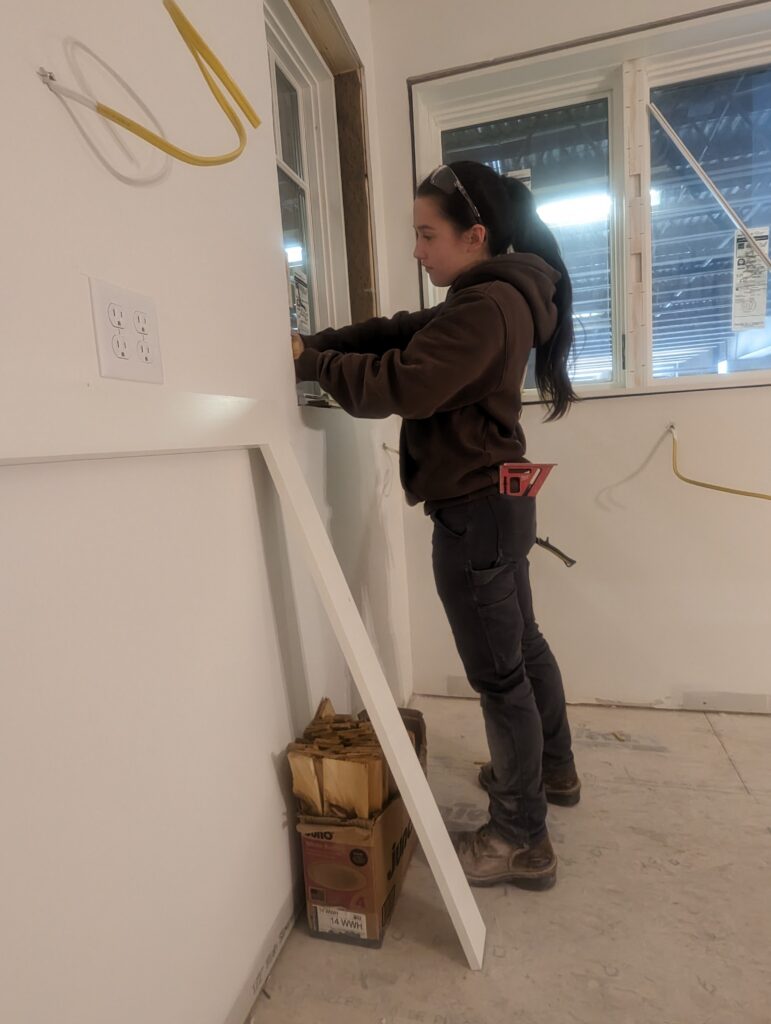
As one team member put it, they don’t have to shovel snow to start the day or wait for driveways to be sanded before deliveries arrive. They don’t lose time because of weather, and that alone changes how projects can be planned and executed. Builders and developers gain something they rarely have in traditional construction—a schedule they can actually trust.
Why Vermont Is Paying Attention
Vermont isn’t looking at factory-built housing because it’s fashionable. The state is dealing with a serious housing shortage, a limited labor pool, and rising construction costs that continue to slow development. Traditional methods are struggling to keep up, and factory-built housing offers a different path—one that emphasizes speed, consistency, and controlled conditions.
However, the benefits only materialize when the factory itself is understood and supported properly. This isn’t a plug-and-play solution where you simply switch from site-built to modular and expect everything to improve. The factory becomes the center of the entire process, and everything else—design, financing, scheduling, and site work—has to align with it.
The Factory Is the Engine
In modular construction, the factory isn’t just a supplier. It’s the engine that drives the entire project. When it’s running efficiently, like Huntington Homes, it produces a steady flow of high-quality modules that allow projects to move forward with fewer surprises. Developers can plan with more confidence, timelines tighten, and the overall process becomes more predictable.
But factories also require consistent demand and strong management. They are manufacturing operations, not jobsite operations, and they don’t adapt well to stop-and-start project pipelines. That reality needs to be understood by anyone who expects factory-built housing to scale in a meaningful way.
What Too Many People Still Miss
There is still a disconnect between how factory-built housing is discussed and how it actually works. Too many conversations frame it as a new or unproven idea, when in reality the systems, processes, and quality have already been established. The issue isn’t whether modular construction works—it clearly does.
The issue is whether decision-makers truly understand the level of coordination and discipline required to make it successful. A few tours and public hearings won’t provide that understanding. It comes from spending time on the factory floor, watching how production flows, and seeing firsthand how every part of the process is connected.
Modcoach Observation

If Vermont wants factory-built housing to play a serious role in solving its housing shortage, the focus needs to shift from theory to execution. Factories like Huntington Homes demonstrate what’s possible when the process is done right—clean environments, efficient workflows, consistent quality, and predictable schedules.
I’ve seen it, and it works. The question isn’t whether factory-built housing can deliver. The question is whether policymakers, developers, and lenders are willing to take the time to understand that the factory isn’t just part of the solution—it is the solution. Until that happens, we’ll keep talking about the future of housing instead of building it.