
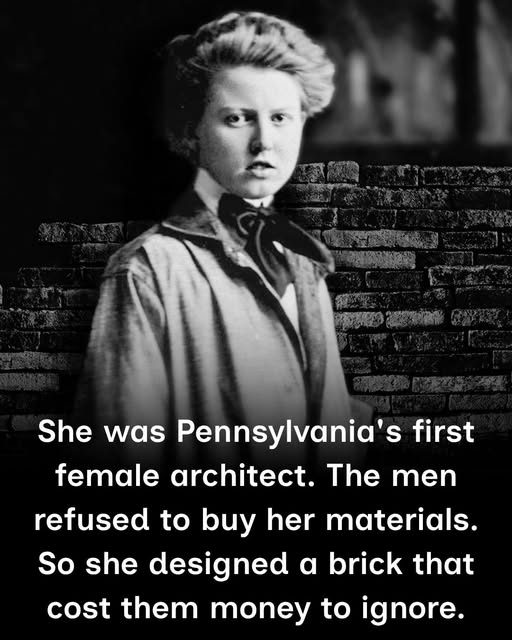
Innovation has never had an easy time finding acceptance in construction. In fact, many of the ideas we now take for granted were once dismissed as impractical, unnecessary, or simply impossible. Sometimes the resistance comes because a product is unfamiliar. Sometimes it comes because changing long-established methods makes people uncomfortable. And sometimes, unfortunately, it comes because of the person presenting the idea.
Nearly a century ago, one remarkable architect experienced all three.
Looking at a Wall Differently
During the 1920s, America was building at an incredible pace. Schools, theaters, factories, commercial buildings, and homes were all rising from solid clay brick. Each brick weighed roughly four and a half pounds, requiring enormous amounts of labor to manufacture, transport, and lay. Once the walls were completed, they provided structural strength but little insulation against heat, cold, or noise.
To most builders, that was simply the cost of construction.
Anna Keichline saw something entirely different. She believed the industry was wasting raw materials, transportation costs, and countless hours of labor. More importantly, she understood something many builders overlooked—air is a far better insulator than solid clay. Instead of accepting centuries-old construction methods, she began asking a simple question: Why does a brick need to be solid?
An Architect Who Refused to Accept “The Way We’ve Always Done It”
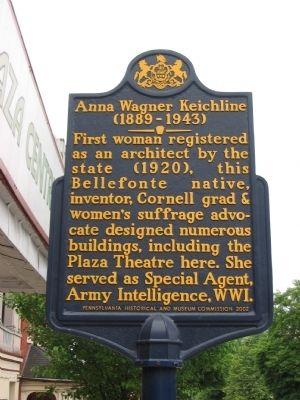
Anna Keichline was hardly an ordinary architect. Born in 1889, she had already established herself as a skilled woodworker while still a teenager, studied mechanical engineering, graduated from Cornell University’s architecture program, and served as a Special Agent for the Military Intelligence Division during World War I.


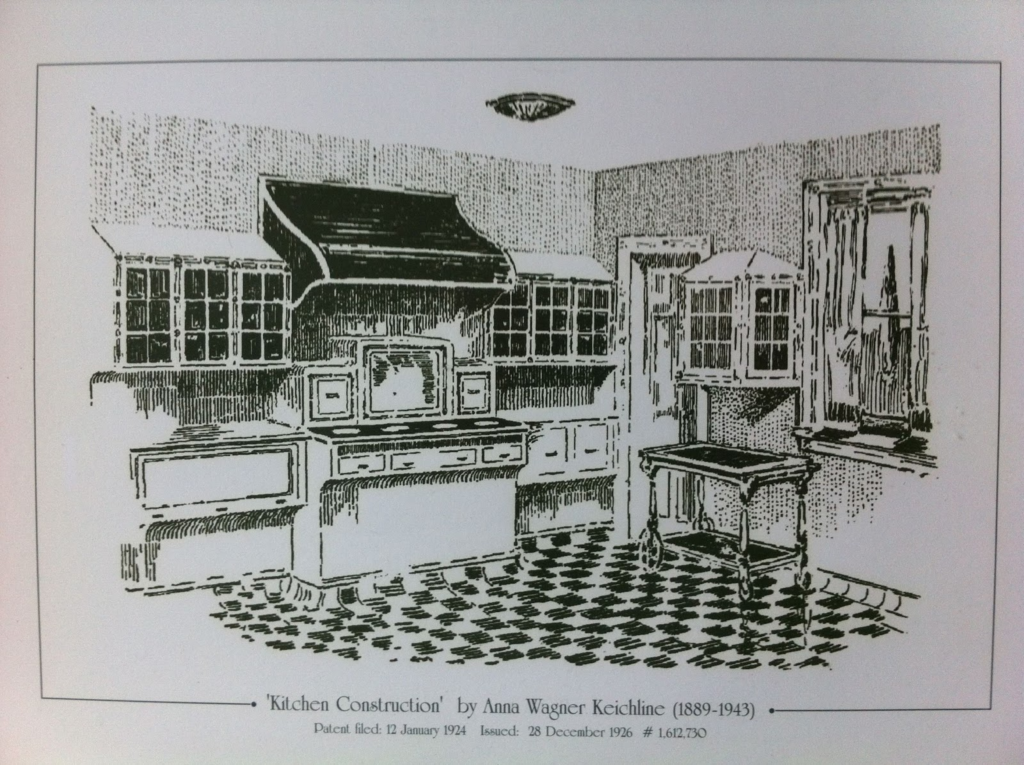
This is one of her earliest designs to improve cooking for women of the 1920’s
When she returned to Bellefonte, Pennsylvania, to open her architectural practice, she entered an industry where women were rarely welcomed on construction sites. Contractors often questioned her authority, and foremen weren’t shy about showing their skepticism as she climbed scaffolding to inspect projects she had designed herself.
Rather than arguing with them, Keichline paid attention to what she saw every day. Watching masons struggle with heavy, solid bricks convinced her there had to be a better solution.
Reinventing One of Construction’s Oldest Products
Her answer became the K-Brick.
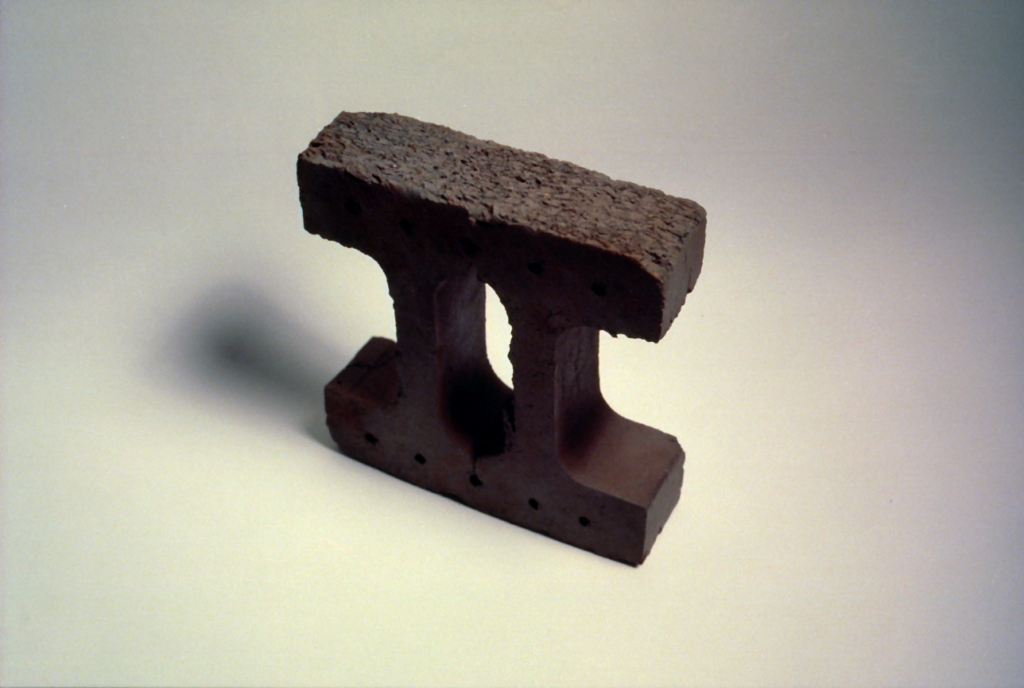
Instead of changing the material itself, she redesigned its shape. The exterior looked much like a traditional brick, but the interior contained large hollow chambers separated by structural webs. That simple change cut the brick’s weight nearly in half while requiring significantly less clay to manufacture.
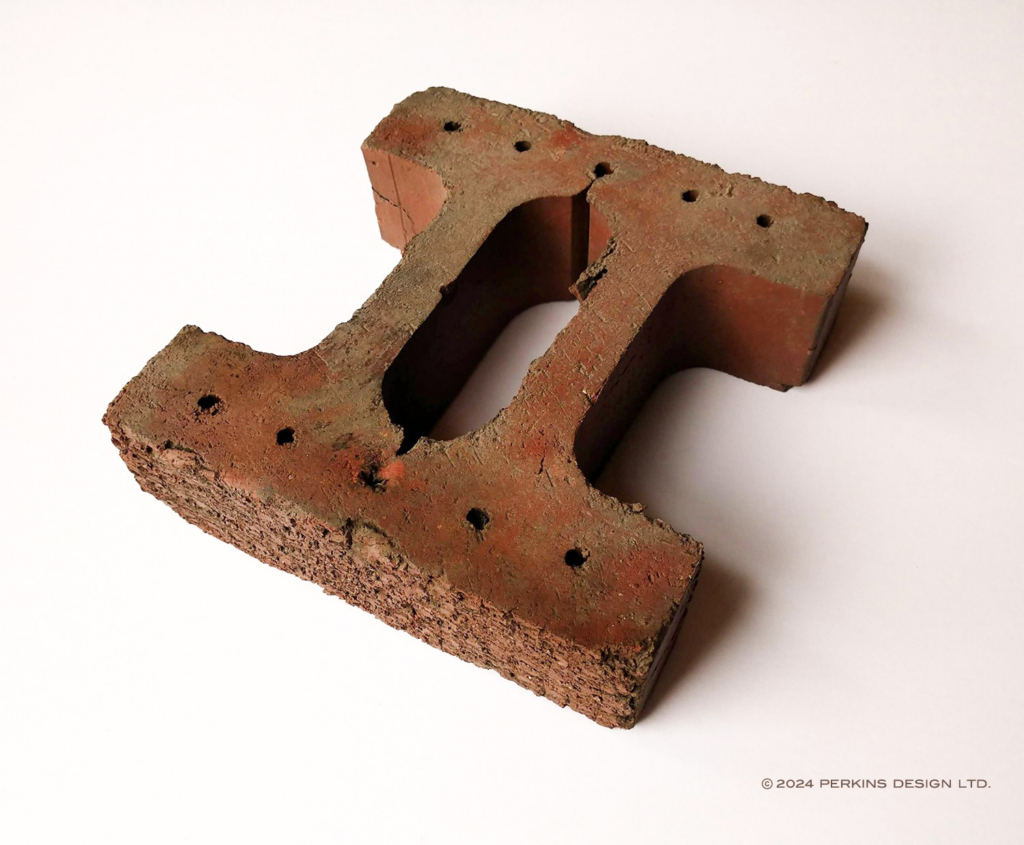
The benefits didn’t stop there. Those hollow cavities trapped air, creating natural insulation while reducing outside noise. They also allowed masons to cover more wall area with less lifting, making construction faster and far less physically demanding. It was one of those rare innovations that reduced costs while improving performance.
On paper, the numbers were compelling.
Unfortunately, construction doesn’t always embrace good math.
“It Will Never Work”
Keichline confidently presented her invention to local brick manufacturers, expecting they would immediately recognize its advantages. Instead, they rejected it almost without discussion. Some insisted the hollow brick would collapse under its own weight. Others argued that masons would never accept it. Many simply couldn’t imagine replacing a product that had changed very little in hundreds of years.
There was another obstacle she couldn’t overcome with engineering calculations alone.
Construction in the 1920s was overwhelmingly controlled by men who had little interest in taking advice from a female architect. Pennsylvania had only recently licensed its first female architect, and that architect was Anna Keichline herself. The building supply industry, contractors, and trade organizations were deeply rooted in tradition, making it nearly impossible for an outsider—especially a woman—to introduce a revolutionary product.
If They Wouldn’t Build It, She Would
Rather than abandoning her idea, Keichline decided to prove it herself. She invested her own money to have prototype K-Bricks manufactured and personally loaded them into her automobile.
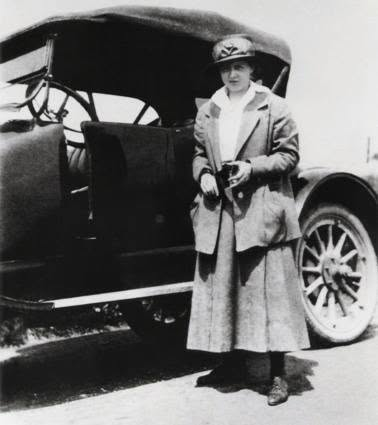
Then she drove from construction site to construction site across Pennsylvania.
She met with foremen, explained the engineering, demonstrated the product, and asked builders to give it a chance. Time after time, she was turned away. Some refused even to examine the prototypes. Others dismissed the concept before hearing her explanation. Even when she offered to build demonstration walls, many contractors simply weren’t interested.
For anyone trying to introduce a new building system today, that story probably sounds all too familiar.
The Patent Wasn’t Enough
When manufacturers refused to listen, Keichline took her case to the federal government. Her patent application included engineering calculations, structural testing, thermal performance data, and manufacturing specifications.
On September 6, 1927, she received U.S. Patent No. 1,641,185 for the K-Brick.
The patent confirmed what she had been saying all along. The design was structurally sound, fire-resistant, dramatically lighter than conventional brick, and capable of helping bricklayers complete projects more efficiently while producing walls that were warmer and quieter.
She had official proof.
The industry still wasn’t interested.
Economics Finally Changed Minds
Eventually, a handful of independent builders decided to test the blocks themselves. The walls performed exactly as Keichline predicted. They proved strong, durable, quieter, and more energy efficient. Masons appreciated lifting less weight, contractors appreciated completing projects more quickly, and owners appreciated the improved buildings.
The economics eventually became impossible to ignore.
Ironically, by the time hollow masonry units became widely accepted, the industry had begun transitioning from clay to concrete. Manufacturers adopted the very geometry Keichline had pioneered, replacing clay with concrete and creating what would become the concrete masonry unit of today.
The principle was hers.
The fortunes built upon it largely belonged to someone else.
A Legacy Hidden in Plain Sight
Anna Keichline died in 1943 at just fifty-three years old, never witnessing the tremendous post-war construction boom that transformed America. Yet her idea quietly became one of the foundations of modern construction.
Today, hospitals, schools, warehouses, office buildings, and countless commercial structures rely on hollow masonry units based on the same engineering principles she carried from construction site to construction site in the trunk of her car. Millions of people see those blocks every day without realizing whose vision made them possible.
CLICK HERE to read more about Anna Keichline
Gary’s Observation

Whenever I hear someone dismiss a new product because “nobody’s using it yet,” I think about Anna Keichline. The offsite industry has no shortage of innovators introducing better ways to build, transport, manufacture, and assemble housing. The real challenge has never been developing new ideas—it’s convincing an industry built on tradition to give those ideas an honest chance.
Whether it’s Uni-Frame, robotics, artificial intelligence, advanced transportation systems, or the next breakthrough none of us has seen yet, every innovation faces the same uphill battle. History has shown that truly valuable ideas are often questioned, criticized, and even ridiculed before they become standard practice.
Anna Keichline didn’t change the construction by winning arguments. She changed it by creating an idea that eventually became too practical—and too profitable—to ignore. That’s a lesson worth remembering every time someone says, “We’ve always done it this way “