
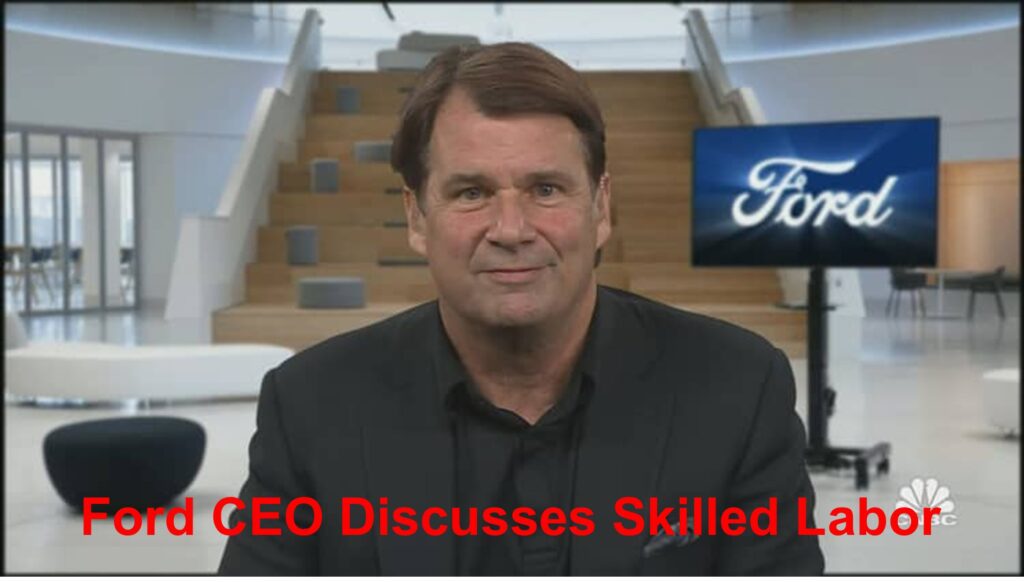
It’s not a someday problem—it’s a now problem. Ford CEO Jim Farley has been warning that the shortage of skilled tradespeople is already choking the nation’s “essential economy.” He’s talking about construction workers, electricians, machinists, and auto techs—the people who physically make and maintain everything that keeps our society running. Without them, no amount of AI or robotics will matter.
Between persistent inflation and this mounting shortage, the United States is heading toward a dangerous collision: fewer workers, slower production, and rising costs on nearly every consumer good.
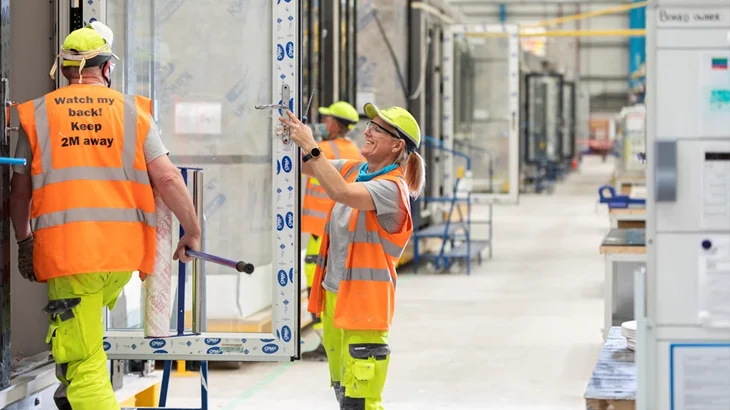
Farley’s Take: What’s Really Going On
Inside Ford, the need for skilled workers has turned urgent. Farley says they’re thousands of technicians short across the dealership network. You can’t reshore factories or scale domestic manufacturing if there’s no one left to operate or repair them. He sees a cultural blind spot, too. Society has undervalued hands-on careers, even though many offer strong pay and purpose.
Farley’s own son once worked as a mechanic and came away wondering if college was really necessary—proof that meaningful work is out there if we stop discouraging it.
Technology, in his view, is not the enemy. He calls augmented reality and AI-based tools “game changers” that could make technicians more efficient, safer, and better trained. But without people willing to learn those tools, factories and job sites risk becoming high-tech shells with no one to run them.
Farley’s frustration extends to policy. He argues the nation has underinvested in vocational education for decades, treating it like a side project instead of a strategic necessity. He believes funding workforce development should rank alongside infrastructure and defense, because the cost of inaction is already visible in delays, shortages, and lost competitiveness.



Why This Drives Prices Up—And Why You’ll Feel It
The math is brutal. When fewer skilled people can produce goods, output slows. Slowdowns shrink supply, and when supply drops, prices rise. Layer on inflation that’s already baked into materials, transportation, and energy, and companies have no choice but to pass costs to consumers.
Farley warns that productivity gaps between white-collar and blue-collar sectors are widening. The “essential economy”—the one that welds steel, pours concrete, and repairs trucks—isn’t keeping pace. If we can’t build efficiently at home, we’ll rely more on imports, stacking on logistics fees, tariffs, and foreign labor costs. In plain language: everything from houses and cars to appliances and infrastructure will get pricier.

Farley’s Prescription: What the U.S. Must Do—Now
Farley says we need to treat worker development the same way we treat roads or bridges. That means serious national funding for modern vocational schools, apprenticeships, and tech-integrated training programs that combine coding with machining and robotics with carpentry. He’s pushing for incentives—grants, tax credits, even loan forgiveness—for young people entering trades instead of four-year degrees that leave them buried in debt.
Technology should support, not replace, labor. Deploying AR and AI tools can make learning faster and jobs safer, attracting a generation that’s fluent in digital tech. Farley also calls for slashing red tape around factory expansions and public projects; bureaucracy can’t be allowed to stall progress when labor is already scarce.
Most importantly, he wants a cultural reawakening that restores pride in building things. Skilled trades aren’t second choices—they’re national assets.
Jim Farley’s Final Word
America’s dreams of reshoring, AI-powered manufacturing, and modern infrastructure hinge on a workforce we’re failing to replenish. Inflation and the labor gap are converging into a perfect storm that could make high prices and long delays the new normal.
If we want to stay competitive, we must act like makers matter—because they do.