Why climate-smart design is the next big shift for modular and tract builders
For decades, homebuilding has followed a simple pattern: design the house, then make it comfortable by adding heating, cooling, and insulation. But today’s builders — especially in modular and prefabricated housing — are flipping that logic upside down. Instead of forcing comfort onto a design after the fact, they’re starting with the climate itself.
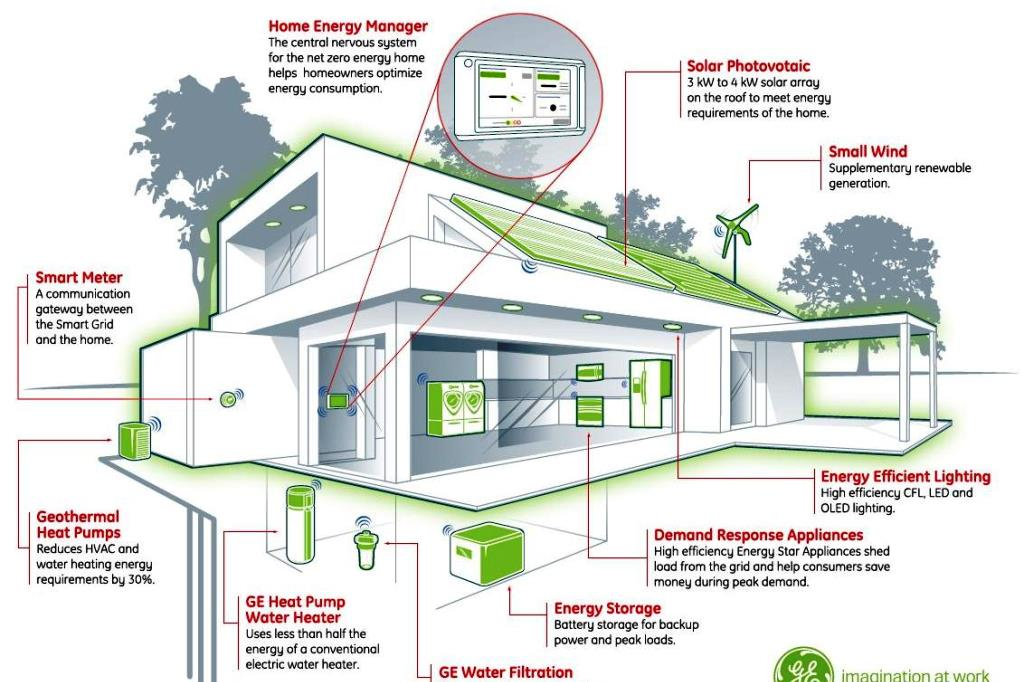
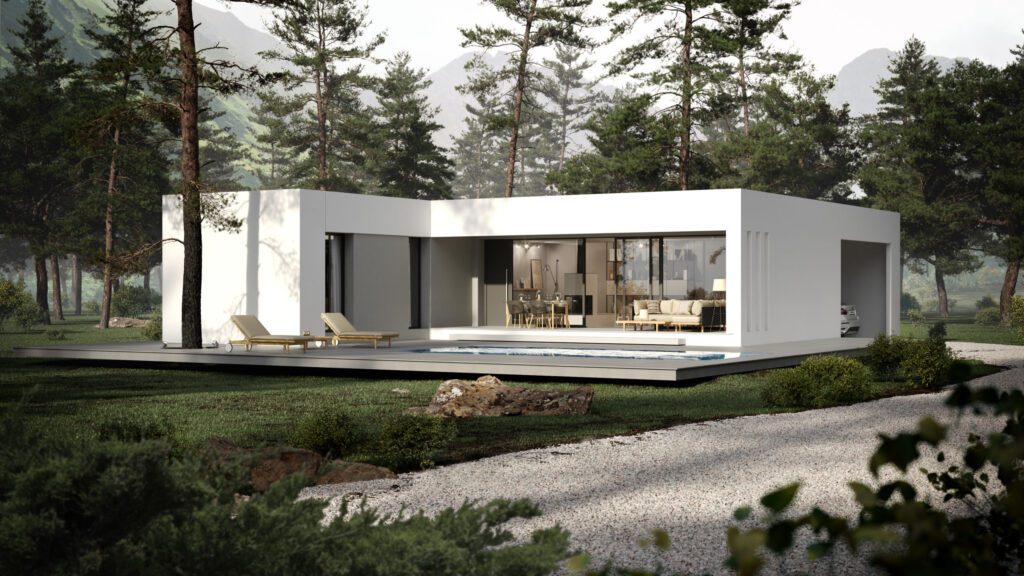
Welcome to the growing world of bioclimatic design — an approach that makes a home work with its environment instead of fighting against it. It’s one of the most promising movements in construction, and it’s finding a natural home in prefabricated housing, where precision and efficiency already lead the way.
What Is Bioclimatic Design?
At its core, bioclimatic design means shaping a home around the conditions of its specific location. It’s not about fancy technology or high-priced materials — it’s about common sense, refined by science.
A bioclimatic house takes into account the sun, wind, temperature, humidity, and even local vegetation. The goal is to reduce the need for artificial heating and cooling by designing a structure that naturally stays comfortable all year long.
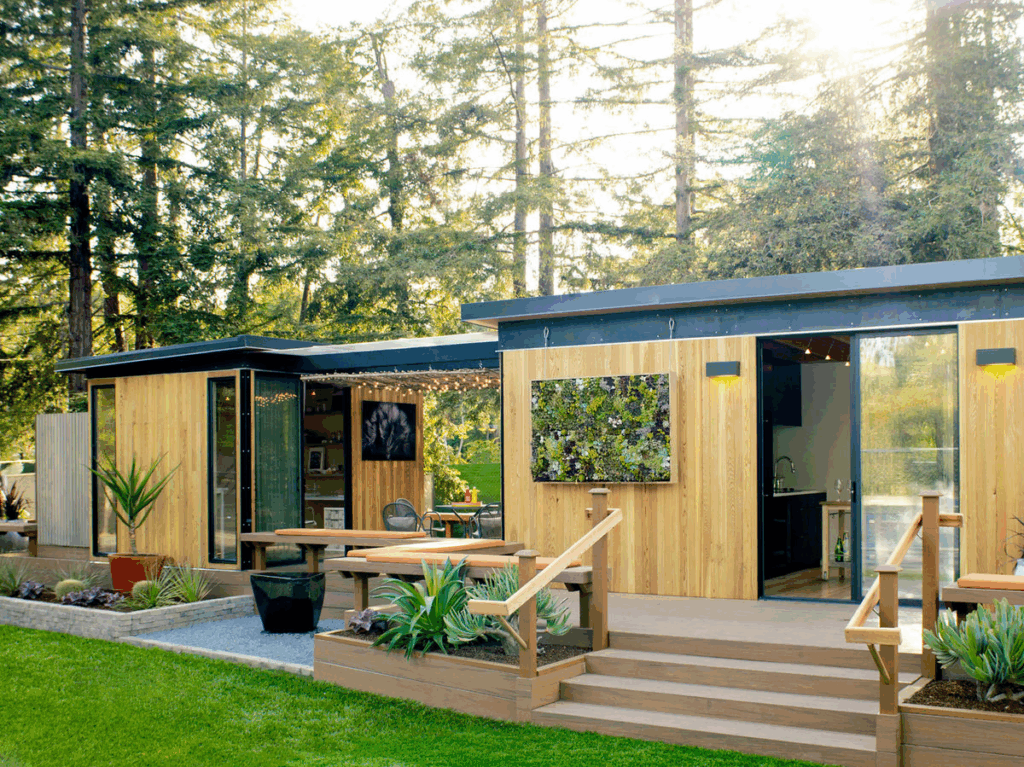
Think about it this way: a home in Phoenix shouldn’t be designed the same way as one in Portland. In the desert, you want deep overhangs, light-colored walls, and narrow windows that limit direct sunlight. In a cooler climate, you want the opposite — broad south-facing windows that let the sun pour in during winter, with trees or shading devices to block it during summer.


By understanding these basic principles, a designer can make a home that consumes 30 to 60 percent less energy without relying on expensive mechanical systems. That’s bioclimatic design at work.
Why It Fits Prefabrication So Well
Prefabricated and modular homes are built in controlled environments, where precision is everything. That makes them ideal for bioclimatic strategies.
Factory-built homes can be oriented on the lot exactly as designed — with windows, shading, and insulation tailored for the region before they ever leave the production line. Walls can be built with airtight seams, triple-glazed windows can be fitted perfectly, and roof overhangs can be manufactured to precise angles that optimize solar gain.

Unlike site-built homes that depend on varying craftsmanship, prefabricated homes ensure that each energy-saving detail is executed exactly as planned. The repeatability and quality control of the factory environment give bioclimatic design a powerful advantage.
Even small changes at the design stage — like window placement or the choice of exterior materials — can make a big difference when applied consistently across dozens or hundreds of homes.
A Perfect Match for Tract Builders
Here’s where things get even more interesting. Bioclimatic design isn’t just for custom eco-homes or experimental green projects. It’s starting to show up in mainstream housing developments, where efficiency now meets profitability.
Large tract builders are learning that climate-sensitive designs can lower construction costs and boost buyer appeal at the same time. By aligning floorplans, rooflines, and window placements to suit regional climates, builders can create entire neighborhoods that stay cooler in summer and warmer in winter — using less energy and fewer mechanical systems.
For example, a tract builder in Texas might orient homes to capture prevailing breezes, while one in Colorado might design south-facing windows with longer roof overhangs to provide winter warmth and summer shade. These are small tweaks with big payoffs.
The result? Lower monthly utility bills for homeowners and higher long-term satisfaction — two selling points every builder wants to advertise.
Modular Factories Are Catching On
Many modular home factories are beginning to integrate bioclimatic design into their product lines. Some are hiring sustainability consultants to model how their standard floorplans perform in different regions. Others are offering “climate packages” that adapt wall thickness, insulation type, and glazing for specific climates — the same way car manufacturers offer packages for cold-weather or desert driving.
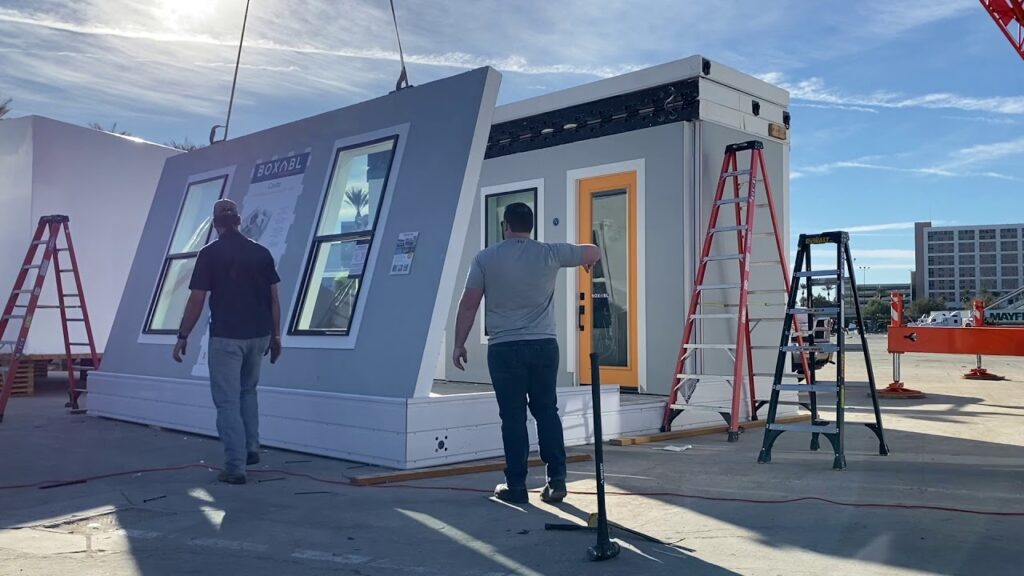
A factory that understands bioclimatic principles can pre-engineer homes that perform exceptionally well across climate zones, giving them an edge in both residential and commercial projects.
For example, modular factories in the Southeast are using deep eaves, reflective roof coatings, and vented cross-breezes to handle humidity, while factories in the North are focusing on passive solar design and high R-value wall systems. The shift is subtle but significant: modular construction is no longer just about speed and cost — it’s becoming about climate performance.
Smart Design, Not Just Smart Tech
The homebuilding industry has spent the past decade chasing “smart home” technology — thermostats that learn, lights that adjust, and appliances that sync with your phone. But bioclimatic design is smart in a different way.
It doesn’t depend on software updates or electricity. Instead, it uses timeless principles that have worked for centuries: sun paths, wind direction, and thermal mass. Ancient builders understood these things instinctively — from adobe homes in the Southwest to stone cottages in Europe — and we’re finally rediscovering their wisdom.
The modern twist is precision. With today’s digital design tools, offsite builders can simulate how sunlight will strike a wall on any day of the year, or how a breeze will pass through a courtyard. That information turns into measurable savings when the home is built.
The Business Case for Builders
There’s also a clear economic argument. Energy-efficient homes don’t just reduce bills — they sell faster and hold value longer. Buyers today are increasingly aware of energy costs and environmental impact. When builders can show that a home’s comfort and efficiency come from its design, not just its equipment, it builds trust and distinction in a crowded market.
In fact, many major homebuilders are already rebranding their developments around “climate-smart living” or “naturally efficient design.” The message resonates because it’s practical, not political. It’s about comfort, savings, and good design — values that appeal across demographics.
Looking Ahead
As more states update their energy codes and municipalities push for lower-carbon building methods, bioclimatic design will move from an optional feature to an industry standard. For modular factories and tract builders, it’s a rare win-win: a design philosophy that improves both environmental performance and customer satisfaction.
The housing of the future won’t rely solely on bigger HVAC systems or high-tech gadgets. It will rely on smart design that responds to nature — and prefabrication is the perfect vehicle to deliver it.
My Final Thought:
Bioclimatic design isn’t a trend; it’s a return to common sense. It’s about learning from the sun, the wind, and the land beneath our feet. And in a world where every kilowatt and every dollar matters, the smartest homebuilders — whether they’re running massive tract operations or modular factories — are realizing that the best way to fight the climate is to build with it.