
If offsite construction were a person, it would need therapy.
Picture a dozen personalities trapped in one factory—each convinced their way is the right way to save housing. One minute it’s dreaming about disrupting the industry, the next it’s worrying about cash flow and chasing grants.
From startups running on caffeine and courage to the veterans quietly making payroll every Friday, offsite construction has more moods than a teenager with Wi-Fi problems. Understanding these personalities isn’t just entertaining—it’s a map of why some companies grow, some survive, and others never make it past their first project.
The Startup Dreamers
Startups are the wild-eyed optimists of offsite construction. You can spot them easily—they’re the ones using words like revolutionize, game-changer, and modular renaissance before they’ve shipped their first wall panel. Their offices usually have whiteboards full of arrows and phrases like Phase 2: Scale Nationally.
They live off enthusiasm and investor oxygen, believing that if they can just make the perfect prototype, the world will come running. Some do succeed spectacularly—turning ideas into innovation. Others quietly pack up their laptops and leave behind half-assembled prototypes and unpaid invoices.



Still, we need them. Dreamers drag the rest of the industry forward, kicking and screaming, into the future.
“Startups believe in changing the world. The world, however, bills Net-30.”
The Continuous Operators
These are the marathoners of the industry. They’ve been around long enough to have seen multiple “next big things” come and go. They can smell a fad faster than you can say “robotic assembly line.”
Their secret isn’t genius—it’s rhythm. They know how to keep the line running, manage inventory, and deliver consistent product quality. They understand that reliability builds trust, and trust keeps orders flowing. While others chase trends, the continuous operators just keep quietly stacking modules and counting profits.
They may not make headlines, but they make payroll—and in this business, that’s success.
“They may not chase innovation, but they’re still here when the innovators are updating their résumés.”
The Strugglers
Ah, the strugglers. Every industry has them—the factories that start with heart, hustle, and hope but hit every speed bump along the way. Maybe they overbuilt, overpromised, or just didn’t understand how brutal logistics can be when you’re shipping 60-foot boxes across state lines.
They’re often good people with great intentions, but you can’t run an offsite factory on intentions. Many spend more time putting out fires than building walls. What they really need isn’t another investor—it’s a management reboot. Someone who can face the numbers, trim the waste, and admit that passion doesn’t replace planning.
“They’ve pivoted so many times, their forklift drivers get dizzy.”
The Expansion Enthusiasts
If enthusiasm were currency, these companies would never need financing. They’re the ones who add new production lines before the old ones reach capacity, convinced that growth equals success. To them, “scale” isn’t a strategy—it’s a reflex.
The danger is that rapid growth exposes cracks. Inventory systems buckle. Training gets sloppy. Cash gets tight. And suddenly the expansion that was supposed to make them unstoppable becomes the thing that stops them.
When they succeed, they look like geniuses. When they don’t, the for-lease signs go up before the paint dries.
“They called it Phase Two Expansion. The bank called it ‘default.’”
The Stalled Sellers
These are the factories with great products and weak sales. The problem isn’t what they build—it’s that nobody knows about it. They rely on brochures from 2018 and sales reps who still think cold-calling works.
The truth is, in offsite construction, you don’t just sell homes—you sell confidence. Buyers want proof, partners, and predictability. Without a compelling story and a digital presence, even the best-built structure will sit on the lot like an unsold car with a manual transmission.
These companies don’t need a miracle. They need marketing that speaks human, not just technical.
“They built the future of housing—then forgot to post about it.”
The Industry Realists
Now we come to the rarest species of all—the balanced realists. They innovate when it matters, automate when it pays off, and hire people smarter than themselves. They don’t chase every shiny new thing, but they’re never caught flat-footed either.
They know that building offsite isn’t about ego—it’s about endurance. They track data, nurture talent, and focus on long-term results over short-term buzz. You’ll find them at conferences listening more than talking, and when they do speak, everyone takes notes.
They’ve figured out that the key to success is not being the loudest voice, but being the one still standing when the noise dies down.
“They innovate just enough to scare the competition, not themselves.”
The Moral of the Factory Floor
Every offsite factory is a reflection of its leaders. Some run on adrenaline, others on autopilot. Some can’t stop expanding, while others are terrified to change a single process.
But the healthiest operations—the ones that last—mix these personalities like ingredients in a recipe: a dash of dreamer, a cup of operator, a sprinkle of realist. They dream big, build smart, and stay humble enough to keep learning.
Because in the end, it’s not the machinery, the materials, or the square footage that defines an offsite business—it’s the people who run it, their personalities, and their willingness to grow.
If you’d like to explore this further, connect with me today.
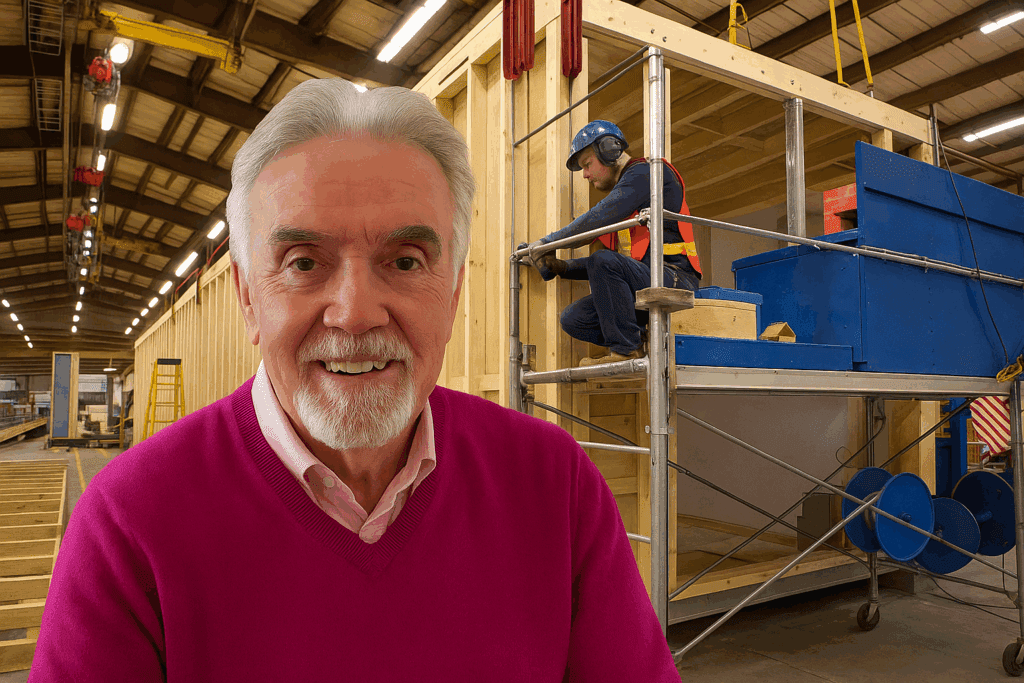
Bill Murray, Co-Founder of Offsite Innovators