
One of the most misunderstood things about offsite construction isn’t technology, automation, or even affordability. It’s just how brutally hard it is to get started on the right footing.
From the outside, startup factories look exciting. There’s usually a press release. A slick website. A few renderings that suggest a future filled with precision, efficiency, and disruption. LinkedIn lights up. Developers start calling. Builders want to know when production slots will open. For a brief moment, it feels like success has already arrived.
And then—quietly, and sometimes suddenly—it all starts to unravel.
Most startup factories need everything at once: investors, guidance, leadership, offsite experience, management experience, marketing savvy, operational discipline, and patience measured in years, not months. Miss one or two of those, and the whole structure starts to lean. Miss several, and gravity does the rest.

We’ve all watched it happen. A company gets enormous attention, garners industry praise, and is talked about as “the future.” Then six months later, they’re late. A year later, they’re struggling. Two years later, they’re gone—or worse, they’re still alive but limping, quietly burning cash and credibility.
Ask someone to name the single most important thing a startup needs, and most people can answer instantly. Leadership. Capital. Technology. Marketing. Operations. Pick your favorite.
But ask them to rank the next most important things, and suddenly the clarity disappears.
Do you know why?
Because startups don’t fail from one missing ingredient. They fail from misalignment—having some of the right pieces, but not in the right order, at the right time, with the right expectations.
It reminds me of the old story about the guy who jumped off the Empire State Building. As he passed each floor, witnesses heard him say, “So far, so good.” Technically true—until it wasn’t.
With that in mind, here’s my list of what every offsite startup needs in place before they begin to lose their way and falter. Not after. Not once the warning signs are obvious. Before gravity takes over.
And a warning up front: even if all of these are in place, none of them are permanent. They all require constant attention. Your Business Plan, Marketing Plan, and every other plan book you rely on must be living documents—or they’ll quietly turn into historical fiction.
Leadership That Understands Offsite—and Its Own Limits
Leadership is the starting line, not the finish line.
Offsite construction is not real estate. It’s not tech. It’s not traditional construction. It’s a demanding blend of manufacturing discipline, construction realities, logistics coordination, regulatory compliance, and cash management—all operating on thin margins and unforgiving schedules.
The most dangerous leadership teams aren’t incompetent. They’re confident for the wrong reasons.
Successful beginnings are led by people who understand that offsite construction punishes ego quickly. Leaders must know what they don’t know, recognize when experience is missing, and resist the temptation to lead with vision alone. Vision without operational grounding doesn’t inspire teams—it confuses them.
Good leadership in an offsite startup isn’t loud. It’s calm. It’s disciplined. And it’s willing to slow down when everyone else wants to speed up.
A Business Plan Built for Reality, Not Investors
Most startup business plans are designed to raise money, not survive reality.
They assume learning curves will be short, labor will cooperate, suppliers will perform, codes will be predictable, and customers will be patient. None of those assumptions hold for long.
A real offsite business plan confronts uncomfortable truths early. It accounts for production delays, labor turnover, design revisions, state plan reviews that come back redlined—sometimes repeatedly—and the real cost of engineering rework that no one budgeted for.
If your plan only works when everything goes right, it isn’t a plan. It’s a story you tell yourself to feel better.
The Right Money Matters More Than the Amount
There’s a massive difference between having enough money and having the right money.
Offsite construction requires patient capital. Not “patient until the first delay” capital. Not “patient until the first missed projection” capital. Real patience—the kind that understands manufacturing maturity takes time and that early losses don’t automatically signal failure.

Bad money forces startups into bad decisions. It pressures leadership to scale too soon, sell the wrong projects, overpromise delivery, and chase volume before systems are ready.
The startups that survive aren’t always the best funded. They’re the ones whose investors understand what they signed up for.
Factory Reality Comes Before Factory Scale
One of the most common early mistakes is designing a factory for who you want to become, not who you are on day one.
Large buildings, complex automation, and ambitious throughput targets look impressive on paper. But until production is stable, quality is repeatable, and supervision systems actually work, scale becomes a liability.
Scaling chaos doesn’t fix it—it magnifies it.
Strong beginnings focus on rhythm before reach, consistency before capacity, and learning before expansion.
Operations Experience Beats Intelligence Every Time
Smart people are everywhere in startups. Experienced operators are not.
Factories don’t run on ideas; they run on decisions made under pressure. Experienced operations managers have lived through bad weeks, missed shipments, quality escapes, and labor shortages. They know how to triage without panic and how to keep production moving when plans fall apart—because they always do.
Operations experience isn’t a résumé line item. It’s the difference between reacting and responding.
Marketing That Matches Capability
Early marketing should reflect who you are now—not who you hope to be next year.
When startups market future capability instead of present reality, they create expectations they can’t meet. That gap destroys trust faster than almost anything else.
The best early-stage marketing in offsite construction is conservative, specific, and honest. It attracts the right customers instead of too many customers. And it protects credibility while the factory finds its footing.
Product Discipline Is Survival, Not Rigidity
Customization is seductive—and deadly.
Every exception, every “just this once” request, erodes systems and margins. Without clear product boundaries, startups lose control before they realize it.
Successful beginnings define what they will build, what they won’t build, and why those lines matter. Discipline isn’t about saying no—it’s about saying yes to survival.
Listening Systems That Actually Work
Most startups collect feedback. Few listen to it.
Production workers, installers, transport crews, and early customers see problems long before executives do. If leadership dismisses those signals—or worse, punishes the messengers—the startup blinds itself.
Bad news doesn’t cause failure. Ignoring it does.
Knowing When to Pause
Pausing is one of the hardest skills a startup can learn.
There are moments when slowing down to fix systems is the smartest move possible. Weak leadership sees pause as failure. Strong leadership sees it as protection.
Speed without control doesn’t create success—it accelerates mistakes.
Plans That Stay Alive
Every plan expires.
Business plans, marketing plans, production plans—they all lose relevance the moment reality intervenes. The startups that survive revisit them constantly, adjust them honestly, and treat them as tools rather than trophies.
A plan that doesn’t evolve becomes a liability.
The Beginning Is Where Most Failures Are Locked In
Most offsite startups don’t fail because they lacked vision. They fail because vision wasn’t matched with discipline, patience, and humility—right from the beginning.
Everything looks fine as you fall past each floor. The trick is recognizing when “so far, so good” is no longer good enough—and pulling back before gravity takes over.
That’s what strong beginnings are really about.
If you’d like to explore this further, connect with me today.
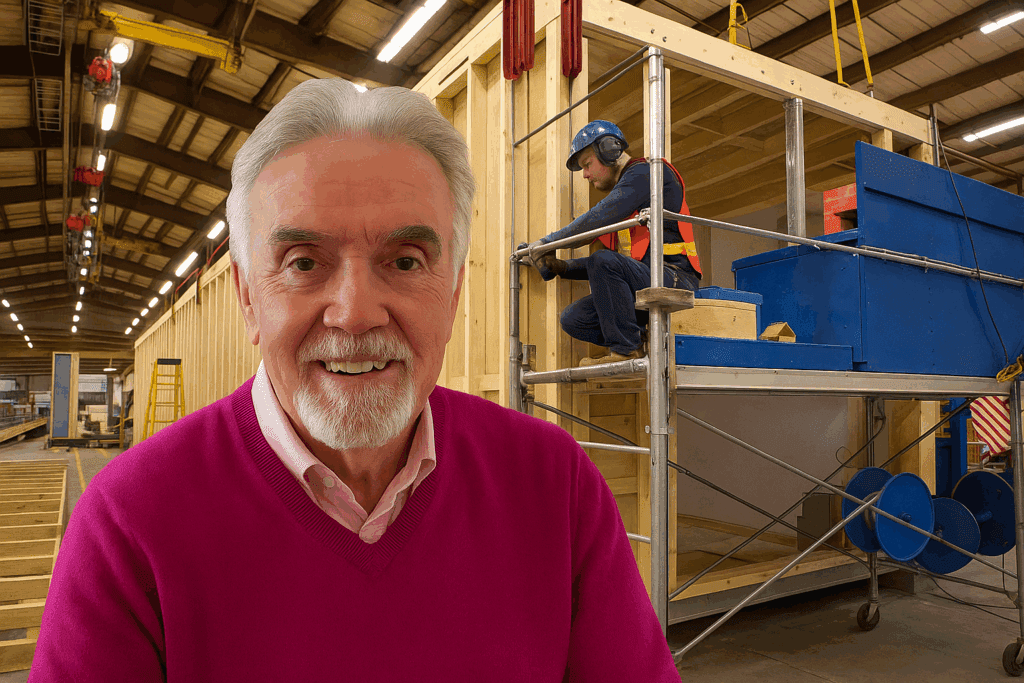
Bill Murray, Co-Founder of Offsite Innovators