
Smart leaders don’t just spot danger—they learn to measure resilience.
As I’ve written many times, there are metrics and signs that factory owners, management, builders, and developers often overlook that could have told them the business was in trouble long before the crash came. But just as important—maybe even more so—are the quiet, often-ignored signals that reveal a company’s strength.
These are the indicators that say, “You’re doing better than you think.” They’re not flashy, they don’t always show up on balance sheets, and they rarely make it into PowerPoint presentations for investors. But they are the reason certain factories manage to survive storms that wipe others off the map.
Let’s talk about what they are.

1. Cash Flow That Feels Boring—In a Good Way
Healthy companies aren’t built on adrenaline. They’re built on rhythm. A strong factory’s cash flow is predictable, even dull. Payroll goes out every week without a scramble. Materials are ordered when they’re needed, not when panic sets in.
When a factory can quietly keep three to six months of operating expenses in reserve, it’s not showing off—it’s building muscle. The owners know that a late payment from one developer or a stalled project won’t derail the operation. That’s the difference between being in business and staying in business.



Factories that have steady, positive cash flow through multiple market cycles are often the ones that don’t make the headlines. But they also don’t make the bankruptcy lists.

2. A Backlog That’s Manageable, Not Maniacal
There’s a dangerous misconception that a long backlog automatically means success. I’ve seen factories with year-long backlogs collapse under their own weight because no one could manage scheduling, storage, or client expectations.
A strong company maintains a rolling three- to six-month backlog. That’s enough to provide confidence and predictability without turning the production floor into a stress factory. The real sign of health is the ability to say no—to unprofitable projects, to clients who don’t fit your system, and to ideas that look good in a brochure but make no operational sense.
Good managers know when to hit the brakes just as well as they know when to hit the gas.
3. Employees Who Stay—and Keep Learning
If your employees are still smiling (most days), that’s a leading indicator of strength. When people stick around, it means they believe the leadership has a plan and the company has a future.
Retention in the offsite world isn’t just about wages—it’s about belonging. If the average tenure on your production floor is growing, if employees are cross-trained in multiple roles, and if your best people don’t flinch when you mention “process improvement,” then your culture is stronger than any steel frame.
Healthy factories aren’t revolving doors. They’re families with momentum.
4. Innovation Without Chaos
A weak company uses innovation as a panic button. A strong one treats it as an evolution.
When a factory can experiment—say, testing AI-based scheduling, new adhesive systems, or robotics—without derailing production, that’s a huge green flag. It means the systems are sound enough to handle change. Leadership trusts data. People aren’t terrified that one wrong move will shut everything down.
Innovation isn’t about how fast you adopt new tech. It’s about how smoothly you integrate it without losing focus on the work that keeps the lights on.
5. Vendors Who Actually Call You Back
In a shaky economy, you find out fast which companies your suppliers believe in. If vendors give you priority allocations, flexible terms, or a call when inventory tightens, that’s a sure sign your company is respected and trusted.
Suppliers don’t gamble on shaky customers—they invest in dependable ones. If you’re getting good credit terms, consistent delivery, and maybe even a holiday card from your primary vendor, it’s not just courtesy. It’s proof you’ve built a reputation for paying on time, communicating clearly, and honoring commitments.
When materials get scarce, these are the relationships that keep your production line running while others stall.
6. Repeat Clients and Unsolicited Referrals
If you’re not spending every waking moment hunting new customers, that’s strength. When a developer, builder, or municipality comes back for a second or third project, they’re saying your quality, communication, and delivery met or exceeded expectations.
Referrals—especially unsolicited ones—are an underappreciated metric of resilience. They cost nothing and often bring your most profitable work. A factory with a steady stream of repeat and referral business has something marketing budgets can’t buy: trust earned in the field.
7. Data You Actually Use
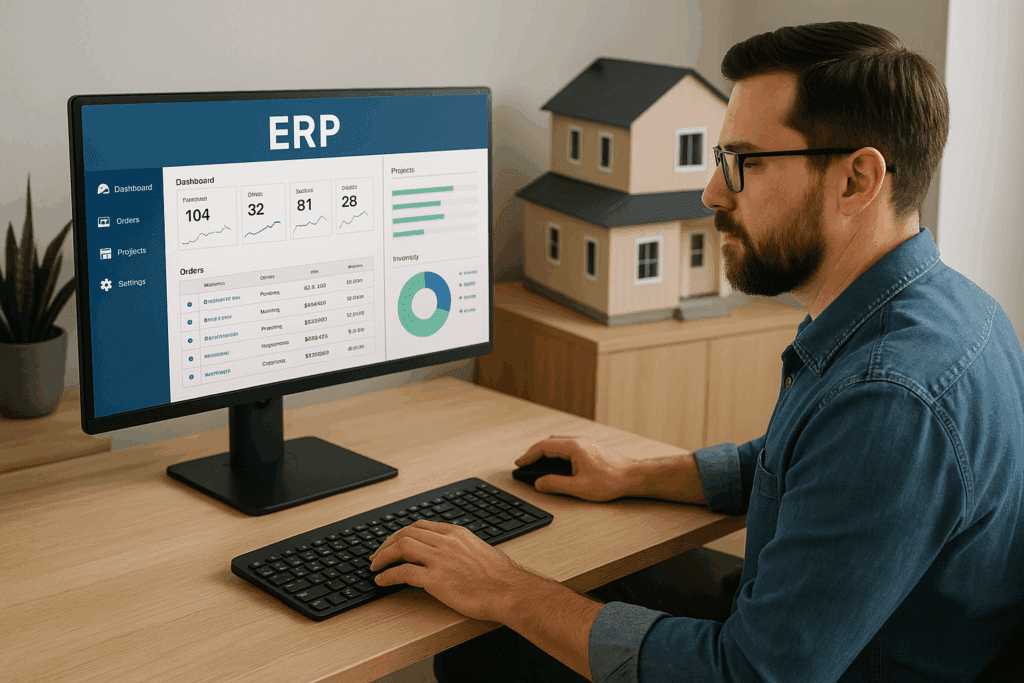
A company that knows what’s happening in real time has a massive advantage over one that relies on “gut feeling.” Dashboards, performance metrics, and live production tracking systems mean nothing if they’re ignored.
When leadership actually uses that data—tracking yield per station, material waste ratios, and throughput efficiency—and shares it transparently with teams, it builds alignment. Everyone knows what success looks like, and problems get fixed before they grow teeth.
Factories that thrive don’t wait for the end-of-month report. They read the pulse every morning.

8. Leadership That Doesn’t Hide
The best sign of a strong company isn’t in its spreadsheets—it’s in its people’s eyes.
Walk the floor. If the owner or GM still talks with line workers, knows their names, and listens more than he talks, that’s gold. The strongest factories have leadership that’s visible, accessible, and humble enough to ask questions. They communicate openly about challenges but also celebrate wins, no matter how small.
When leadership hides in offices, employees sense fear. When leadership shows up in coveralls with a clipboard, employees sense confidence.
9. A Sense of Purpose Bigger Than Profit
You can’t put “purpose” on a P&L, but you can feel it in the air. Companies that understand why they build—whether it’s affordable housing, sustainable communities, or better living for families—tend to have more grit when the economy turns south.
A clear mission keeps people grounded when margins tighten or projects stall. It gives the whole operation something to rally around besides numbers.
When the “why” is strong, the “how” takes care of itself.
10. The Boring but Beautiful Predictability
There’s something deeply underrated about predictability. When your processes are boringly efficient, your forecasting is accurate within 5%, and your crews start and end the day knowing exactly what’s expected—congratulations. You’re not stagnant; you’re stable.
In the offsite world, excitement often means chaos. Predictability means peace of mind. And peace of mind is one of the surest signs your company can survive whatever comes next.
Gary’s Thoughts
Many factory owners only start tracking metrics when they smell smoke. But the truly wise ones monitor the quiet signals of health every week, long before the alarms go off.
Strong companies don’t brag about their resilience. They demonstrate it—in consistency, culture, and calm decision-making. They survive storms not because they’re lucky, but because they’ve built ships designed for bad weather.
So if your factory’s finances are steady, your people are loyal, your clients come back, and your processes run like clockwork—don’t let the headlines about failing startups or market slowdowns shake you.
You’re doing better than you think. Keep steering steady, keep listening to your data and your people, and keep weatherproofing your operation one good decision at a time.
Because sometimes the best sign of strength is when nothing dramatic happens at all.