
A Research-Backed Look at What the Next Generation Wants from Housing—and Why Offsite Construction Is Perfectly Positioned to Deliver It
For decades, every generation entering the housing market has been sold the same dream: the big suburban home, the two-car garage, the vaulted ceilings, and the kitchen island large enough to land a small aircraft. That narrative shaped design, financing, zoning, and marketing approaches for nearly forty years because Gen X and Millennials largely bought into the idea that success meant “living large.”
Gen Z? Not even close.
This rising generation of homebuyers—born between 1997 and 2012—is stepping into the housing market with a completely different mindset, shaped by economic turbulence, historic inflation, climate anxiety, and a lifestyle that values experiences over possessions. And here is the critical truth the housing industry must absorb quickly: Gen Z does not want large, high-spec homes filled with luxury touches. They want affordable, efficient, flexible homes—and they feel no embarrassment about choosing them. To build for the future, the offsite construction industry must understand what is driving this shift and why it matters.
Gen Z Is Choosing Affordability Over Impressiveness
Research confirms the trend. Bank of America’s 2024 Homebuyer Insights Report shows that nearly three out of four Gen Z buyers prioritize affordability above home size or luxury finishes. Fannie Mae’s 2025 Housing Caretaker Study shows that Gen Z is more payment-sensitive than any generation in modern history.
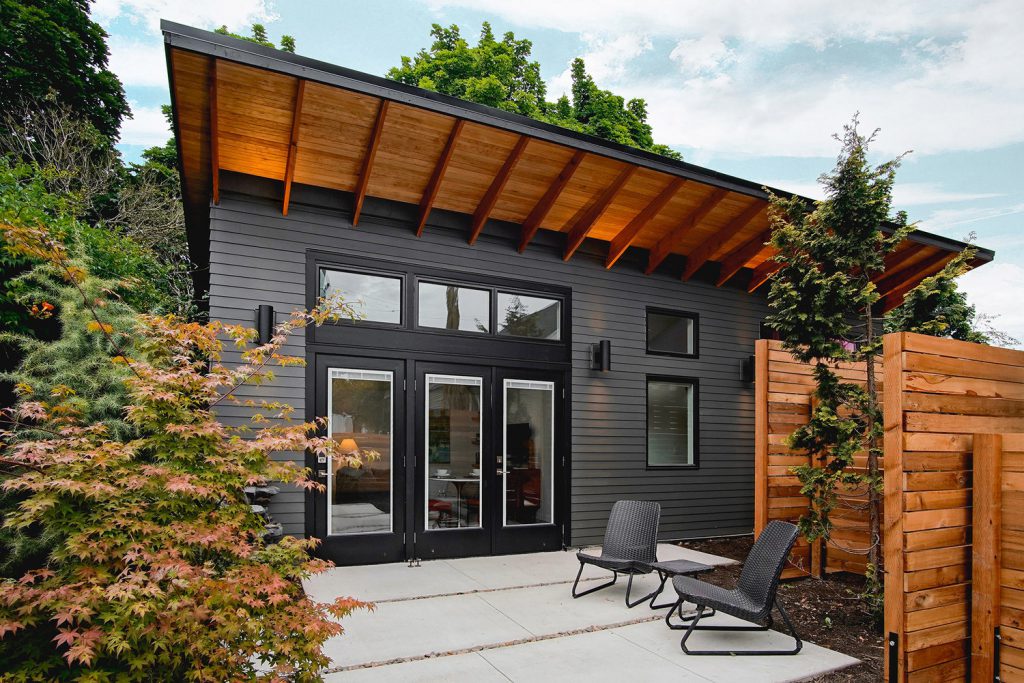
This new mindset is not philosophical; it’s mathematical. Gen Z entered adulthood in the shadow of the Great Recession, navigated the financial uncertainty of a global pandemic, watched housing prices rise faster than wages, and grew up knowing that mortgage rates could double in a year. For them, housing is not a trophy. It is a monthly bill to be managed carefully. A big, impressive home no longer represents achievement. It represents vulnerability. That one shift alone turns decades of real estate assumptions upside down.
Gen Z Wants Practical Homes—Not Feature-Loaded Ones
Millennials famously chased their HGTV-inspired dream homes. Gen Z is approaching housing like seasoned realists. Zillow’s 2024 Consumer Housing Survey makes it clear that Gen Z buyers are less interested in expansive floorplans or luxury kitchens than previous generations. They gravitate toward smaller, well-designed homes that function intelligently and keep long-term costs predictable.
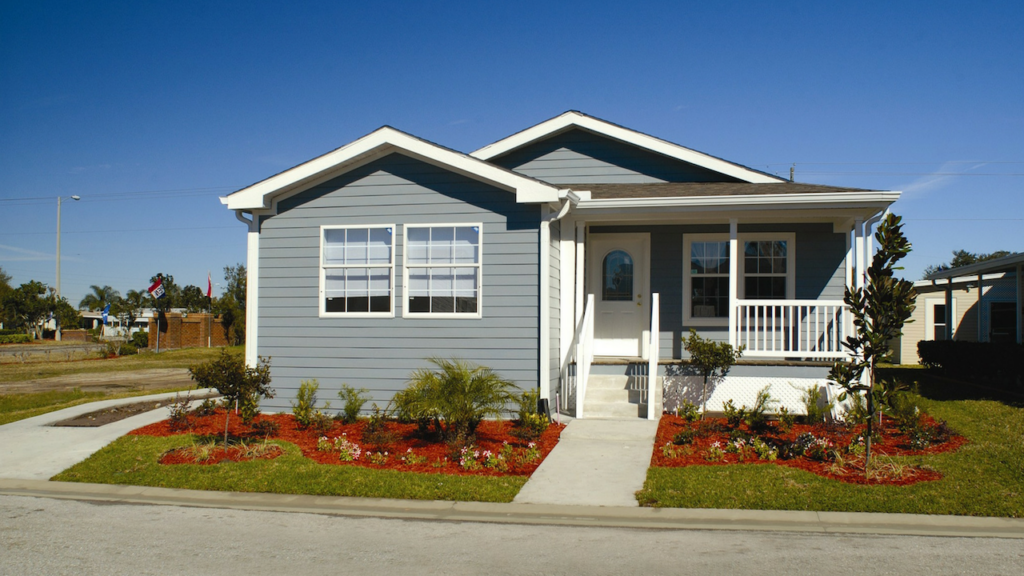
What inspires them is not a marble countertop but a home with durable materials, sensible layouts, smart mechanical systems, and monthly utility bills they can actually plan for. In other words, they want homes that work for them—not homes they must work overtime to maintain. That puts offsite builders squarely in their path.
They Prefer “Right-Sized” Homes Over “Dream Homes”
Gen Z has watched their parents and older siblings wrestle with oversized mortgages, rising utility bills, constant repairs, stretched commutes, and the stress that comes with owning more house than they can comfortably manage. In survey after survey from Redfin, NAHB, and Freddie Mac, Gen Z homebuyers consistently rank “manageable size” above “dream home features.”
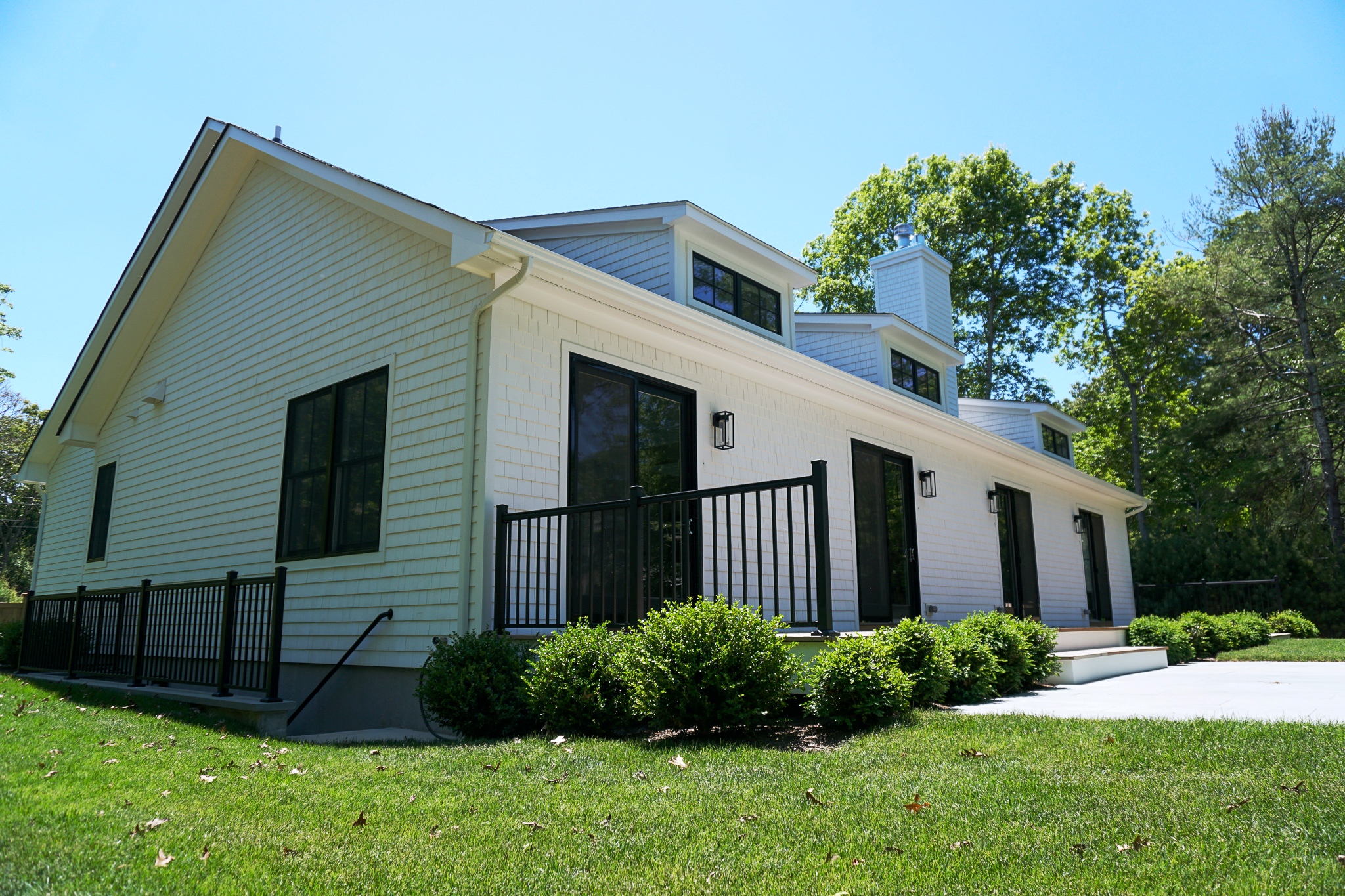
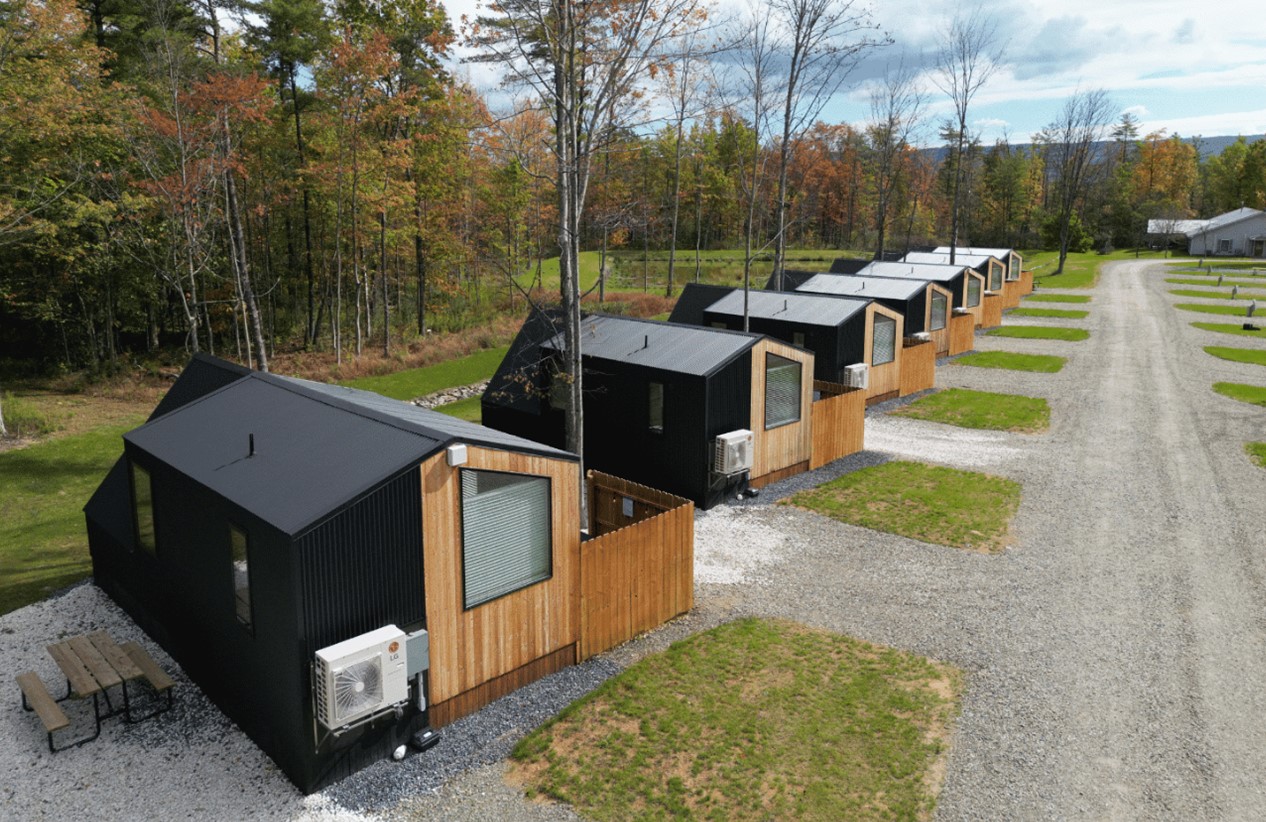
They want homes they can afford to live in, not homes they must sacrifice everything to keep. This creates an opening for ADUs, modular cottages, compact single-family homes, micro-units, duplexes, townhomes, and factory-built communities designed around livability rather than square footage. Gen Z doesn’t aspire to own the biggest house on the block. They aspire to own the smartest one.
Sustainability Isn’t an Upgrade for Gen Z—it’s a Requirement
One of the most surprising findings across multiple 2024 and 2025 consumer studies is how strongly Gen Z prioritizes sustainability. The National Association of Realtors’ Sustainability & Housing Report notes that a majority of Gen Z buyers will choose a smaller home if it offers better efficiency and healthier indoor environments.
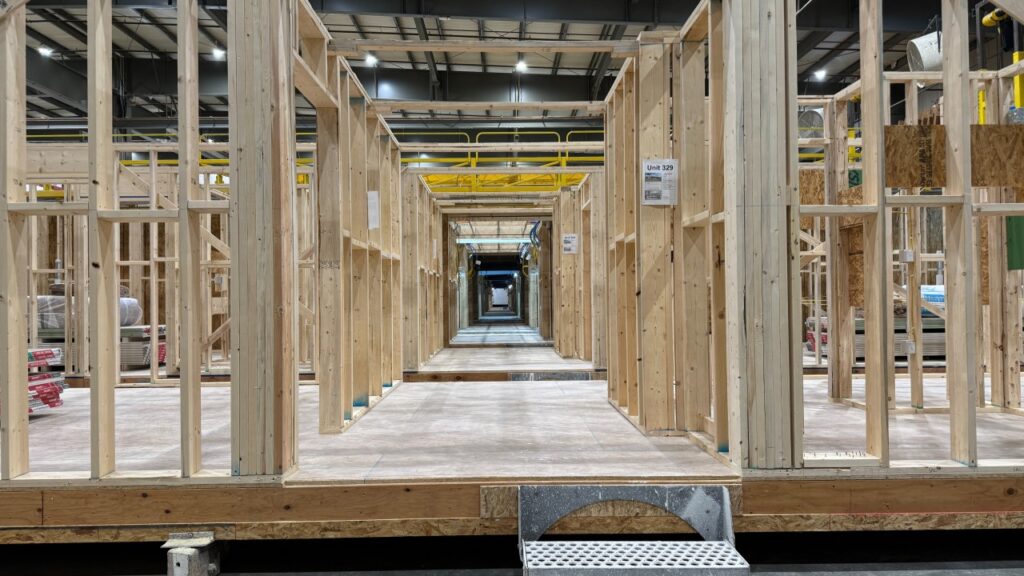
Gen Z sees sustainability as both a financial and ethical value. They look for airtight construction, efficient heating and cooling systems, ERVs, induction cooking, solar readiness, and a building approach that minimizes waste. Modular construction checks every one of those boxes. Factories reduce waste dramatically, build tighter envelopes, use predictable and efficient material systems, and standardize high-performance designs. For Gen Z, that isn’t a bonus—it’s the baseline.
Flexibility Matters More Than Footprint
Unlike previous generations, Gen Z is not basing their life around a single long-term housing decision. Their careers are more fluid, their personal lives more varied, and their definitions of “home” more adaptable. Remote work, side hustles, multigenerational living, and smaller household sizes mean they prefer homes that can evolve with them.
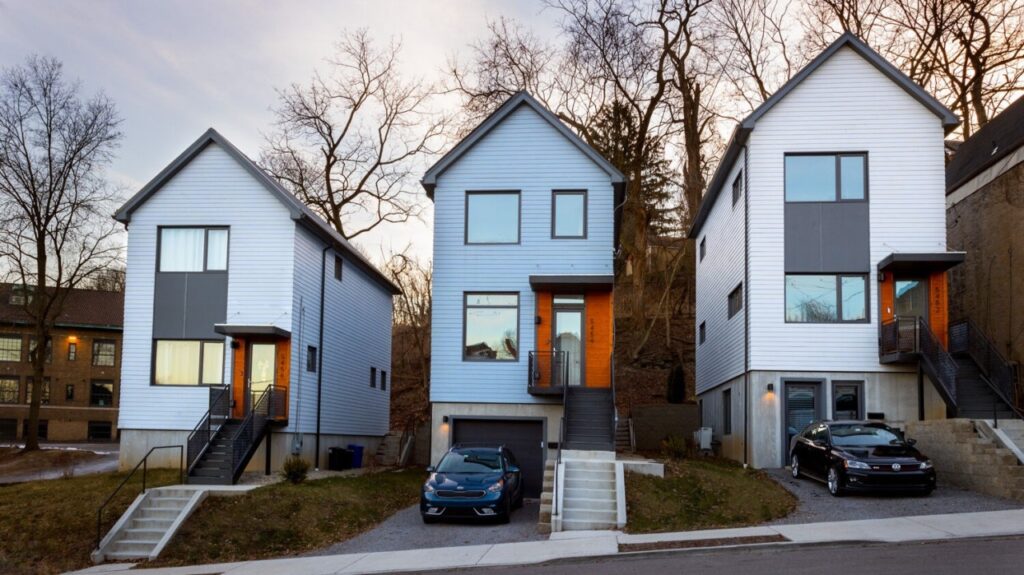
They want spaces that can shift between office, guest room, hobby room, or rental suite. They gravitate toward movable partitions, dual-purpose rooms, ADUs for income or family, and designs that can change function without major renovation. Millennials chased open concept. Gen Z wants flexible concept. And modular factories are uniquely suited to deliver that flexibility through smart floorplans and repeatable production models.
The Social Status Shift: Experiences Beat Appearances
One of the most dramatic generational changes is the collapse of the idea that “home size equals success.” Pew Research, Deloitte Global, and several cultural studies show that Gen Z’s identity is shaped not by possessions but by experiences, community, mobility, and financial independence.
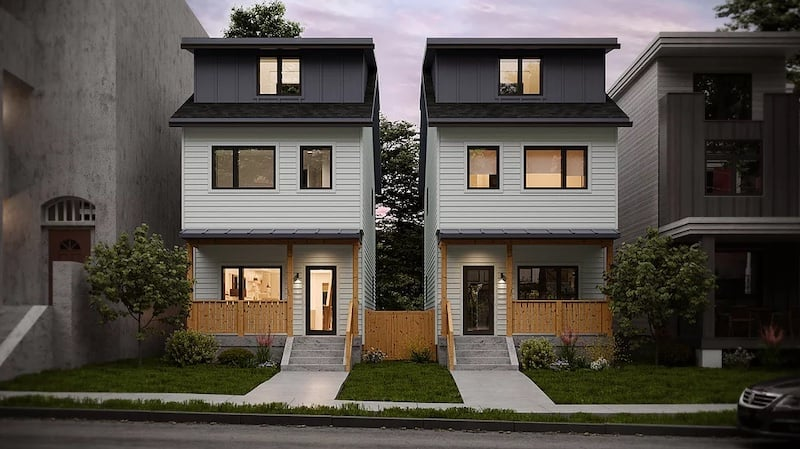
A big house isn’t a status symbol to them—it’s a stress symbol. Their social currency comes from travel, creative pursuits, entrepreneurship, and living well within their means. They aren’t ashamed of smaller homes; they embrace them. A compact, efficient, beautifully designed modular home fits their worldview better than an overbuilt suburban showpiece ever could.
What This Means for the Offsite Construction Industry
Gen Z is entering the housing market right now. Their values—affordability, sustainability, efficiency, simplicity, and flexibility—are shaping demand across the country. For offsite construction professionals, this is a moment of opportunity.
Smaller homes will define the next decade of demand. High-performance design is no longer optional. Flexibility will outperform extravagance. Predictable cost and factory-level quality will matter more than ever. And perhaps most importantly, modular construction aligns almost perfectly with Gen Z’s worldview—cleaner production, smarter design, faster delivery, and homes that feel responsible rather than excessive.
Gen Z is not rejecting the American Dream.
They are rewriting it for a world that demands practicality, resilience, and sustainability.
And the offsite construction industry is in the best position to build it.