For the past decade, the offsite and modular construction industry has lived in what I like to call the “cool innovation phase.” If you attended any conference, walked any trade show floor, or listened to any pitch, you heard the same words repeated over and over: disruption, robotics, AI, digital twins, automation, carbon neutrality, mass timber, platform housing. It was exciting. It was inspiring. And in many cases, it was necessary.
But something is changing. Quietly. Subtly. And in my opinion, permanently.
The industry is getting tired of hype.


Developers, lenders, investors, and even factory owners are beginning to ask a very different set of questions. Not, “How innovative is this company?” but instead, “How reliable are they?” That shift may not sound dramatic, but it will determine who survives the next decade and who becomes another case study in PowerPoint history.
The End of the Innovation Gold Rush

There was a time when simply being “innovative” could attract capital. A compelling vision, a sleek rendering, and a promise to transform housing were often enough to raise tens or even hundreds of millions of dollars. We’ve all seen those stories. Some of them ended well. Many did not.
The result is that investors and developers have become more cautious. They’ve been burned by delays, changing designs, and factories that never reached full production. Now they want proof, not promises. They want factories that can deliver on time, every time. They want predictable pricing. They want partners that will still be in business when the warranty period ends.
This is not a rejection of innovation. It’s a demand for execution.
Predictable Factories Beat Brilliant Factories
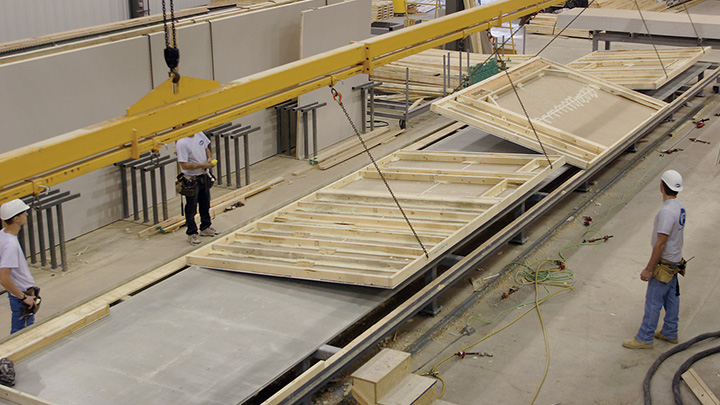
If you ask developers today what keeps them awake at night, you won’t hear concerns about whether a wall panel was built by a robot or by a skilled worker. What they worry about is whether the panels will arrive when the crane is scheduled. They worry about whether the factory can maintain quality at scale. They worry about whether the production schedule will align with financing deadlines.
Predictability has become the new innovation.
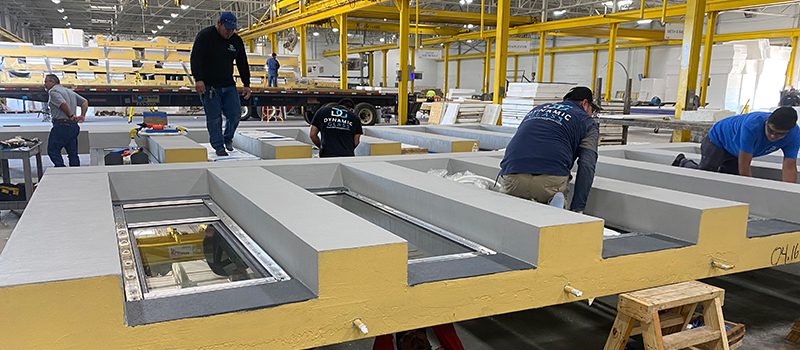
Factories that understand this are investing less in flashy demonstrations and more in process control. They are tracking production metrics. They are refining workflows. They are standardizing designs. They are focusing on throughput, not just technology.
It’s not glamorous, but it works.
Stable Partners in an Unstable Market
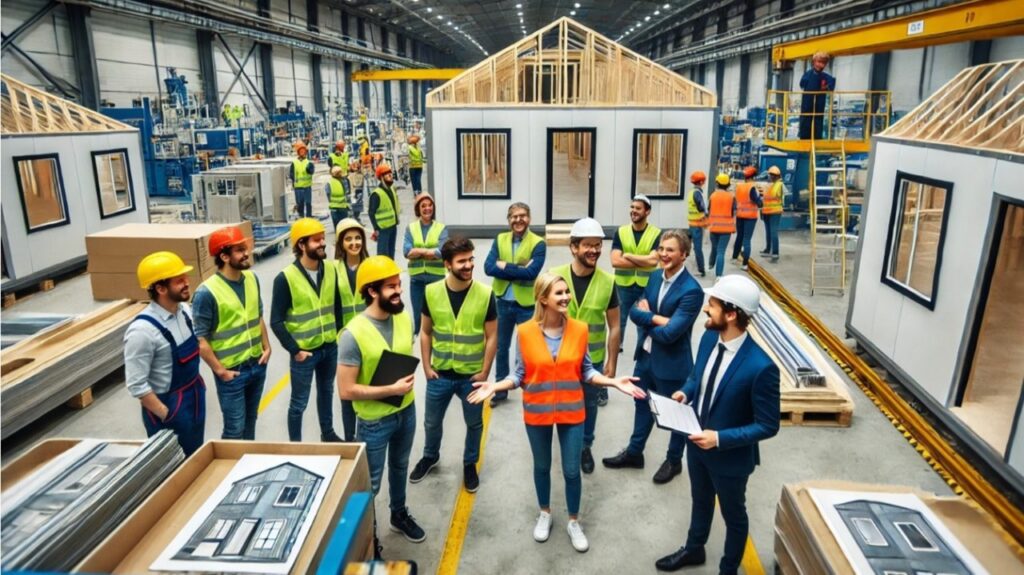
The volatility of the housing market has made stability more valuable than ever. Interest rates move. Projects stall. Funding disappears. A factory that relies on a handful of large projects can suddenly find itself with empty production lines.
Developers are now asking, “Who can weather a downturn?” They want partners with diversified pipelines, strong balance sheets, and disciplined management. They want companies that don’t change direction every six months.
In other words, they want boring.
Repeatable Outcomes Are the New Competitive Advantage
Offsite construction was always supposed to be about repeatability. Yet much of the industry still operates in a project-based mindset. Every project is unique. Every design is customized. Every process is adjusted.
That approach undermines the very benefits offsite construction promises.
The shift now underway is toward product thinking. Platform housing. Standardized components. Repeatable designs. This is not about eliminating creativity. It’s about building systems that allow creativity to exist within a predictable framework.
The companies that master repeatability will scale. The rest will remain trapped in small-batch production.
Measurable Profits Over Vision
There is also a growing focus on financial discipline. For years, many startups prioritized growth over profitability. That model is now under intense scrutiny.
Factory owners are asking tougher questions:
- Where are our margins?
- Which processes actually add value?
- Which investments improve the bottom line?
Incremental improvement, not massive transformation, is becoming the dominant strategy. A one percent gain in productivity. A two percent reduction in waste. A three percent improvement in scheduling accuracy. These small gains compound into real profit.
It’s not exciting. But it is sustainable.
The Winners Will Be the Most Reliable
Here’s the truth that may make some people uncomfortable. The companies that win the next decade will not necessarily be the most innovative. They will be the most dependable.
They will:
- Deliver on time.
- Meet budgets.
- Communicate clearly.
- Maintain quality.
- Build trust.
Innovation will still matter. But it will be judged by results, not headlines.
This shift mirrors what happened in other industries. Early innovators create awareness. Mature companies create stability. The offsite construction sector is entering that maturity phase.
The Opportunity Ahead
For those willing to embrace this change, the opportunity is enormous. There is still massive demand for housing. There is still a shortage of skilled labor. There is still pressure for sustainability and efficiency. Offsite construction remains one of the most powerful tools available.
But the winners will not be the loudest voices. They will be the quiet ones, consistently delivering projects while others chase the next big idea.
The industry does not need fewer innovators. It needs more executors.
And that, perhaps, is the most exciting development of all.
If you’d like to explore this possibilty for yourself, connect with me today.
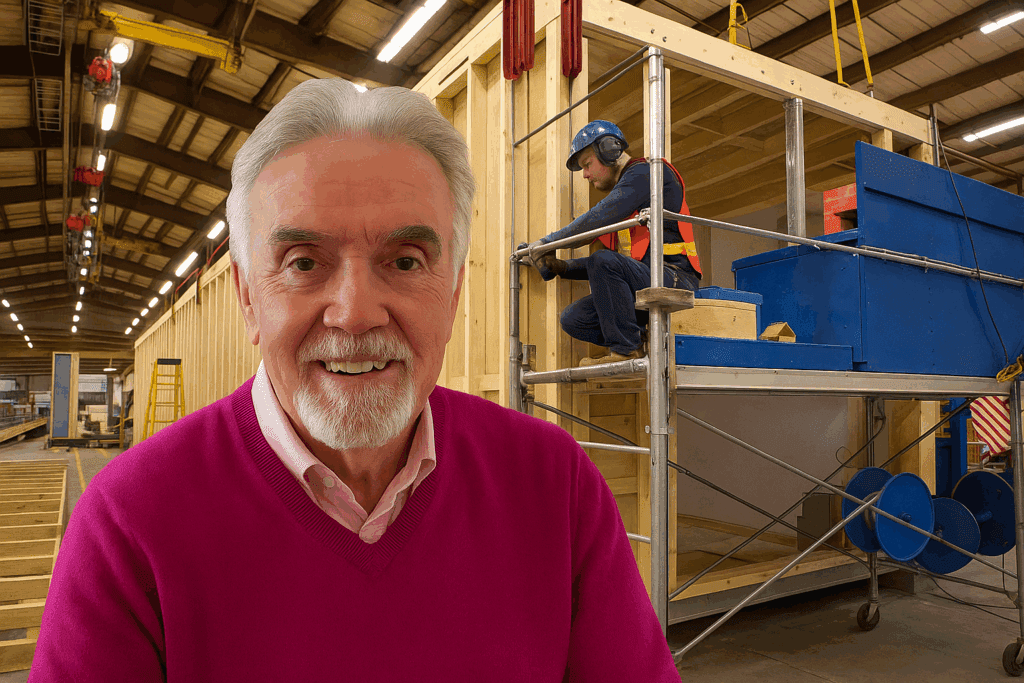
Bill Murray, Co-Founder of Offsite Innovators