
This is for CFOs and senior financial leaders inside offsite and modular construction companies who are already feeling cash tighten—and know 2026 will test their
I recently sat down for an interview with a graduate student who was researching supply chain issues in modular manufacturing. He was bright, driven, and
One of the most misunderstood things about offsite construction isn’t technology, automation, or even affordability. It’s just how brutally hard it is to get started
The offsite construction industry is always on the move—and so are the people who power it. Whether you’re stepping into a new role or searching for the right person to help your company grow, this season is a perfect time for fresh starts and smart connections.
Below is the latest roundup of job openings and talent searches from LGA Recruiters. If any of these opportunities spark your interest—or if you’d like Taylor Gromann to list a position for your company—reach out directly at [email protected] and let the next chapter begin.
The Open Positions section represents companies who are looking for candidates to fill their open positions.
EXECUTIVE / FINANCIAL
▪ General Manager | MOD | Northwest
▪ Director of Business Development | MOD | South
PRODUCTION / OPERATIONS
▪ Project Manager | MOD | West Coast (Hybrid)
▪ Senior Project Manager | MOD | West Coast
▪ Project Manager and Senior Estimator | MOD | South Central
▪ Construction Manager / Superintendent | MOD | Travel Only
▪ Production Supervisor | MOD | Southwest
▪ Production Supervisor | HUD / MOD | Southeast
ENGINEERING / ARCHITECTURAL
▪ Engineering Manager | MOD | Northeast
▪ Engineering and Product Development Manager | MOD | South Central
▪ Drafting Manager | MOD | Southwest
▪ CAD Drafter | MOD | South Central
SALES / MARKETING
▪ Business Development Manager | MOD | Northeast
▪ Territory Sales Manager | MOD | Pacific Northwest or Hybrid
MATERIALS / PURCHASING / ESTIMATING
▪ Procurement Manager | MOD | Southwest
▪ Cost Control Estimator | MOD | Southwest
▪ Senior Estimator | MOD | West Coast
QUALITY / SERVICE
▪ Quality Control Manager | HUD / MOD | Pacific NW
▪ Service Manager | HUD / MOD | South Central
▪ Quality Manager | HUD / MOD | Southeast
The Active Candidates section below represents experienced candidates actively looking for new career opportunities.
EXECUTIVE / FINANCIAL
▪ VP of Field Operations | HUD / MOD | Open
▪ General Manager / Sales Manager | HUD / MOD | Open
▪ VP / Senior Director of Operations | MOD | Southeast
▪ Plant Manager | MOD | Open
▪ VP of Operations and Sales | HUD / MOD | WI, IN, or Remote
PRODUCTION / OPERATIONS
▪ Production Manager | MOD | TX or OK
ENGINEERING / ARCHITECTURAL
▪ Director of Product Engineering | MOD | Northern CA
SALES / MARKETING
▪ VP of Business Development | MOD | West Coast
▪ VP of Sales and Business Development | MOD | Open
▪ Sales Manager | HUD / MOD | FL
MATERIALS / PURCHASING / ESTIMATING
▪ Director of Supply Chain | MOD | East Coast or Hybrid
A Research-Backed Look at What the Next Generation Wants from Housing—and Why Offsite Construction Is Perfectly Positioned to Deliver It
For decades, every generation entering the housing market has been sold the same dream: the big suburban home, the two-car garage, the vaulted ceilings, and the kitchen island large enough to land a small aircraft. That narrative shaped design, financing, zoning, and marketing approaches for nearly forty years because Gen X and Millennials largely bought into the idea that success meant “living large.”
Gen Z? Not even close.
This rising generation of homebuyers—born between 1997 and 2012—is stepping into the housing market with a completely different mindset, shaped by economic turbulence, historic inflation, climate anxiety, and a lifestyle that values experiences over possessions. And here is the critical truth the housing industry must absorb quickly: Gen Z does not want large, high-spec homes filled with luxury touches. They want affordable, efficient, flexible homes—and they feel no embarrassment about choosing them. To build for the future, the offsite construction industry must understand what is driving this shift and why it matters.
Gen Z Is Choosing Affordability Over Impressiveness
Research confirms the trend. Bank of America’s 2024 Homebuyer Insights Report shows that nearly three out of four Gen Z buyers prioritize affordability above home size or luxury finishes. Fannie Mae’s 2025 Housing Caretaker Study shows that Gen Z is more payment-sensitive than any generation in modern history.
This new mindset is not philosophical; it’s mathematical. Gen Z entered adulthood in the shadow of the Great Recession, navigated the financial uncertainty of a global pandemic, watched housing prices rise faster than wages, and grew up knowing that mortgage rates could double in a year. For them, housing is not a trophy. It is a monthly bill to be managed carefully. A big, impressive home no longer represents achievement. It represents vulnerability. That one shift alone turns decades of real estate assumptions upside down.
Gen Z Wants Practical Homes—Not Feature-Loaded Ones
Millennials famously chased their HGTV-inspired dream homes. Gen Z is approaching housing like seasoned realists. Zillow’s 2024 Consumer Housing Survey makes it clear that Gen Z buyers are less interested in expansive floorplans or luxury kitchens than previous generations. They gravitate toward smaller, well-designed homes that function intelligently and keep long-term costs predictable.
What inspires them is not a marble countertop but a home with durable materials, sensible layouts, smart mechanical systems, and monthly utility bills they can actually plan for. In other words, they want homes that work for them—not homes they must work overtime to maintain. That puts offsite builders squarely in their path.
They Prefer “Right-Sized” Homes Over “Dream Homes”
Gen Z has watched their parents and older siblings wrestle with oversized mortgages, rising utility bills, constant repairs, stretched commutes, and the stress that comes with owning more house than they can comfortably manage. In survey after survey from Redfin, NAHB, and Freddie Mac, Gen Z homebuyers consistently rank “manageable size” above “dream home features.”
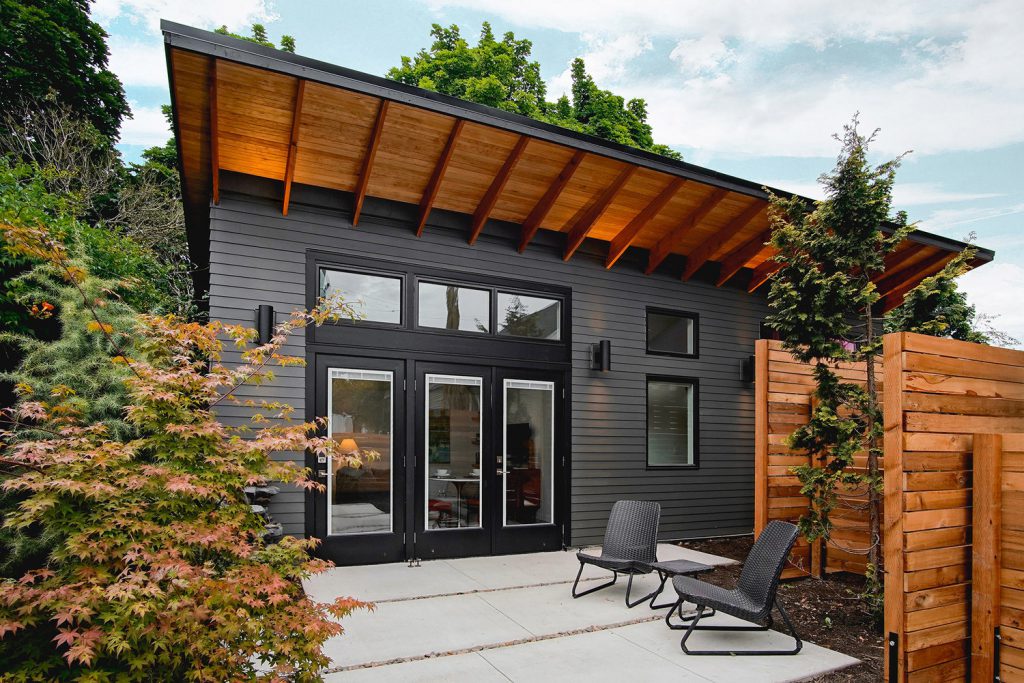
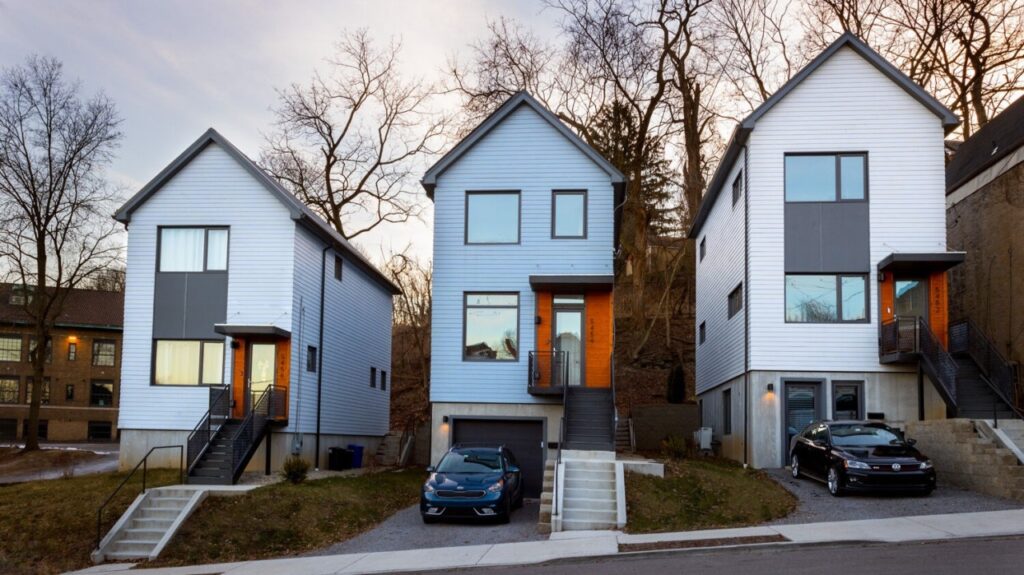
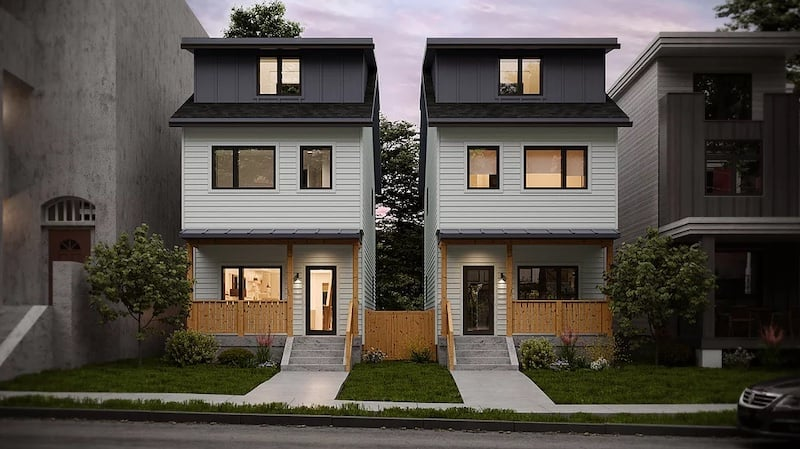
They want homes they can afford to live in, not homes they must sacrifice everything to keep. This creates an opening for ADUs, modular cottages, compact single-family homes, micro-units, duplexes, townhomes, and factory-built communities designed around livability rather than square footage. Gen Z doesn’t aspire to own the biggest house on the block. They aspire to own the smartest one.
Sustainability Isn’t an Upgrade for Gen Z—it’s a Requirement
One of the most surprising findings across multiple 2024 and 2025 consumer studies is how strongly Gen Z prioritizes sustainability. The National Association of Realtors’ Sustainability & Housing Report notes that a majority of Gen Z buyers will choose a smaller home if it offers better efficiency and healthier indoor environments.
Gen Z sees sustainability as both a financial and ethical value. They look for airtight construction, efficient heating and cooling systems, ERVs, induction cooking, solar readiness, and a building approach that minimizes waste. Modular construction checks every one of those boxes. Factories reduce waste dramatically, build tighter envelopes, use predictable and efficient material systems, and standardize high-performance designs. For Gen Z, that isn’t a bonus—it’s the baseline.
Flexibility Matters More Than Footprint
Unlike previous generations, Gen Z is not basing their life around a single long-term housing decision. Their careers are more fluid, their personal lives more varied, and their definitions of “home” more adaptable. Remote work, side hustles, multigenerational living, and smaller household sizes mean they prefer homes that can evolve with them.
They want spaces that can shift between office, guest room, hobby room, or rental suite. They gravitate toward movable partitions, dual-purpose rooms, ADUs for income or family, and designs that can change function without major renovation. Millennials chased open concept. Gen Z wants flexible concept. And modular factories are uniquely suited to deliver that flexibility through smart floorplans and repeatable production models.
The Social Status Shift: Experiences Beat Appearances
One of the most dramatic generational changes is the collapse of the idea that “home size equals success.” Pew Research, Deloitte Global, and several cultural studies show that Gen Z’s identity is shaped not by possessions but by experiences, community, mobility, and financial independence.
A big house isn’t a status symbol to them—it’s a stress symbol. Their social currency comes from travel, creative pursuits, entrepreneurship, and living well within their means. They aren’t ashamed of smaller homes; they embrace them. A compact, efficient, beautifully designed modular home fits their worldview better than an overbuilt suburban showpiece ever could.
What This Means for the Offsite Construction Industry
Gen Z is entering the housing market right now. Their values—affordability, sustainability, efficiency, simplicity, and flexibility—are shaping demand across the country. For offsite construction professionals, this is a moment of opportunity.
Smaller homes will define the next decade of demand. High-performance design is no longer optional. Flexibility will outperform extravagance. Predictable cost and factory-level quality will matter more than ever. And perhaps most importantly, modular construction aligns almost perfectly with Gen Z’s worldview—cleaner production, smarter design, faster delivery, and homes that feel responsible rather than excessive.
Gen Z is not rejecting the American Dream.
They are rewriting it for a world that demands practicality, resilience, and sustainability. And the offsite construction industry is in the best position to build it.
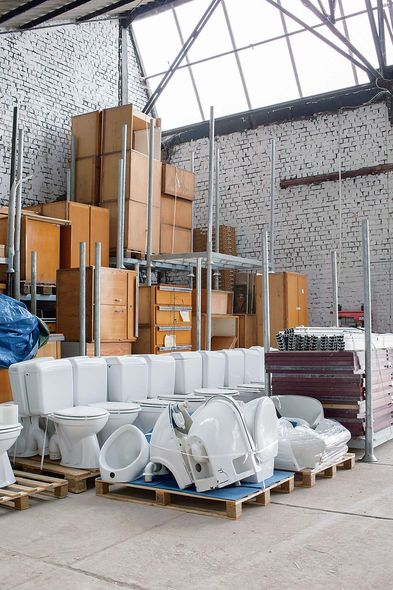
Imagine walking by a demolition site and instead of seeing mountains of concrete rubble and twisted rebar destined for a landfill, you see workers delicately removing windows, carefully unbolting steel beams, and labeling wooden panels for future use. It sounds like a scene from a utopian future, but it’s happening today—and it’s about to change everything we thought we knew about construction.
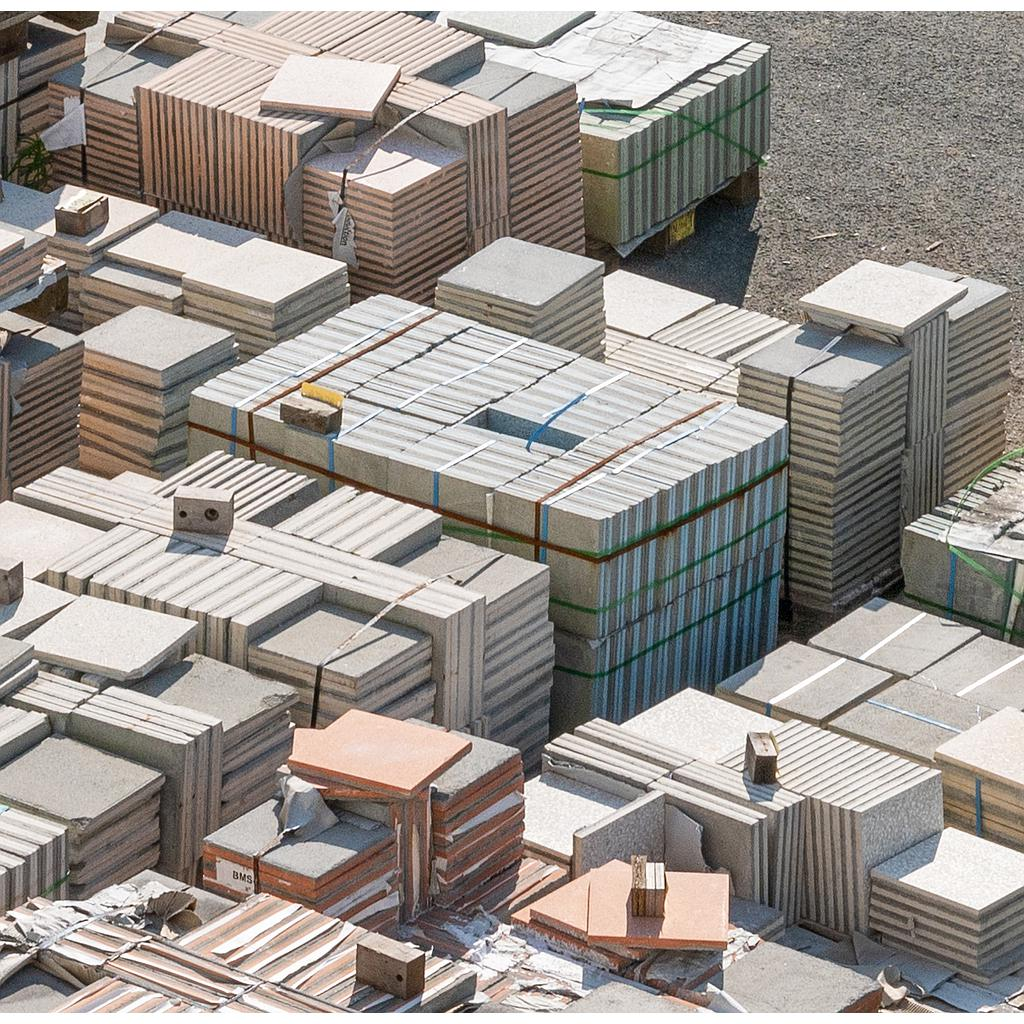
For decades, the construction industry has thrived on a linear model: extract raw materials, build, and demolish when outdated or worn out. This model not only generates about 40% of global waste but also contributes massively to carbon emissions. Yet, a powerful shift is underway—a shift towards the circular economy, where buildings are no longer considered disposable, but rather valuable material banks waiting to be reinvested into future projects.
One company leading this charge is Rotor Deconstruction in Belgium. Instead of wielding wrecking balls, their crews methodically dismantle structures, preserving everything from marble staircases to light fixtures. These salvaged treasures are then sold through their marketplace RotorDC, where architects and builders eager to incorporate sustainable materials can find high-quality, character-rich components. This approach isn’t just green—it’s smart economics. Reclaimed materials often cost less than new, and add unique charm that new products can’t replicate.
Meanwhile, in the United States, Harvest Works partners with contractors to systematically “harvest” reusable components during renovation and teardown projects. Think of it as urban mining—scouring buildings for hidden gems like hardwood floors, steel columns, and vintage doors, then repurposing them instead of burying them under tons of concrete debris.
But the circular revolution doesn’t stop at deconstruction. Manufacturers are stepping up too. Global carpet tile giant Interface has pioneered a take-back program where they reclaim used tiles, refurbish them, or recycle them into new products. This kind of closed-loop system doesn’t just reduce landfill waste—it creates a marketing edge and loyal customers who share in the environmental mission.
Knauf Insulation has launched a similar initiative, collecting cut-off scraps and site waste from its mineral wool products to reprocess into new insulation. And over in the Netherlands, Finch Buildings designs modular timber cabins with every panel and component engineered for easy disassembly and reuse. Rather than tearing down entire structures when needs change, these cabins can be relocated, reconfigured, or reimagined.
Beyond corporate programs, online marketplaces like Salvo (UK) and Construction Junction (US) are transforming the way we think about building supplies. These platforms serve as digital bazaars for used and salvaged materials, connecting architects, builders, and DIY enthusiasts eager to blend sustainability with creativity. Imagine designing a sleek modern home using reclaimed oak beams from a 19th-century barn or incorporating vintage tiles from a historic public building—stories and character that new materials just can’t offer.
Driving this momentum is a new generation of architects and developers who see buildings not as static, single-use products but as dynamic repositories of valuable resources. The concept of a material passport, already gaining traction in the Netherlands, catalogs every component in a building, from façade panels to electrical systems, so they can be more easily retrieved and reused at the end of their initial life cycle.
This isn’t just about waste reduction; it’s about rethinking value, creating economic opportunities, and infusing construction projects with new narratives. When we salvage, reuse, and reimagine, we honor the embodied energy and stories of every piece of material, transforming waste into wealth.
Let’s be clear: shifting to a circular model isn’t without its challenges. It requires upfront design thinking, changes in regulations, and a robust logistics network to manage recovered materials. But the payoff is enormous. Reduced environmental impact, lower material costs, new business models, and buildings that are no longer environmental liabilities but future material banks.
As cities grow and resources become scarcer, the circular economy offers not just a solution, but a thrilling opportunity to reimagine our built environment. Next time you pass a construction site, imagine the possibilities. Could those bricks become part of a new school? Could that steel beam support a future community center? In the new age of circular construction, the answer is a resounding yes.
It’s time to stop in our tracks and rethink what’s possible. From trash to treasure, the future of construction is not only about building—but about rebuilding, reusing, and reinvigorating our world, one salvaged beam at a time.
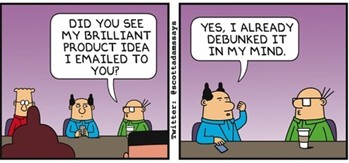
There’s an old saying in advertising that goes, “Don’t hire a dog, then bark yourself.” It’s one of those deceptively simple lines that packs more wisdom than a 400-page business strategy manual. Credited to Donald Ogilvy—often called the Father of Advertising—it’s also the perfect message for companies who hire outside help, then proceed to ignore everything they’re told. If that’s your game plan, save your money. Or better yet, send it to us. We’ll bark at the moon for you.
At Offsite Innovators, we’ve spent decades barking on behalf of offsite construction companies—big and small, new and old, confident and clueless. We’re not consultants who hand you a report, wish you luck, and vanish like a magician in a puff of dry-erase marker fumes. We’re advisors. There’s a difference. Consultants often tell you what you already know, dressed up in bullet points and PowerPoint. Advisors roll up their sleeves, tell you what you don’t want to hear, and then help you actually do something about it.
But—and here’s the serious part—you have to let us.
We’ve seen it time and again. A modular startup, flush with VC money and ambition, brings in an advisory team to develop a go-to-market strategy. We spend hours researching, interviewing staff, analyzing competitors, and crafting a smart, lean, practical plan. Then the CEO decides they’ll just do what their cousin in Boise recommended instead. (His cousin owns a landscaping business, but still—“marketing is marketing,” right?) Next thing we know, they’ve got a billboard on a dirt road in Nebraska and no sales pipeline. But hey, at least the billboard’s got a QR code.
Hiring advisors and then second-guessing every step of the plan is like bringing in a plumber and then telling them which wrench to use. If you know how to do it all, why’d you call us in the first place?
When you work with Offsite Innovators, we bark on behalf of your brand. That means telling your story to your best customers—not just your loudest ones. It means helping you make sense of the tech, tools, software, and shifting standards this industry throws at you faster than a nail gun with a hair trigger. We advise because we’ve been there. Factory floors, executive meetings, VC pitches, crisis turnarounds—we’ve barked through it all.
And here’s the funny thing: when companies let us do our job, they often realize we’re not just barking—we’re pointing. Pointing at opportunity, pointing at risk, pointing at areas you’ve overlooked because you’ve been too busy keeping the lights on and the modules moving.
But you’ve got to trust the dog.
That doesn’t mean blind obedience. It means collaboration. Respect. Letting experience have a seat at the table instead of a spot under it. Because the truth is, we want you to succeed more than your investors do. They’re watching the numbers. We’re watching the road.
So, next time you bring on an advisory team—whether it’s for marketing, strategy, operations, or leadership—don’t leash them to a corner and hope things improve. Let them bark. Let them growl. Let them do what you hired them to do.
Because when you hire the right dog, you don’t need to bark.
You just need to listen.
Gary Fleisher and Bill Murray of Offsite Innovators have decades of combined experience in offsite construction, modular housing, and factory operations. They’ve helped dozens of companies make better decisions—and avoided barking up the wrong trees.
In too many offsite construction factories, financial success rests solely on the shoulders of the sales department. Management clings to the belief that if salespeople just ‘hustle harder,’ everything will work out. Meanwhile, marketing—the one department that could generate a steady stream of pre-qualified leads and build brand authority—is often an afterthought. In some cases, it’s even handed off to the boss’ niece, the receptionist, or the intern, simply because they have a TikTok account.
This outdated approach is a major reason why most offsite factories live paycheck to paycheck, with only a month’s worth of expenses in reserve. Instead of empowering a real marketing strategy, upper management relies on sales teams using decades-old tactics to drive revenue. But in an industry that’s rapidly evolving, this kind of thinking is setting companies up for failure.
Marketing: The Undervalued Workhorse
In most industries, marketing plays a leading role in customer acquisition, brand positioning, and revenue generation. In offsite construction, however, marketing is often viewed as a ‘nice to have’ rather than a necessity. Many factories invest millions in production lines but balk at the idea of hiring an experienced marketing professional. Instead, they hand marketing responsibilities to someone who knows how to post on social media, assuming that will be enough to generate sales.
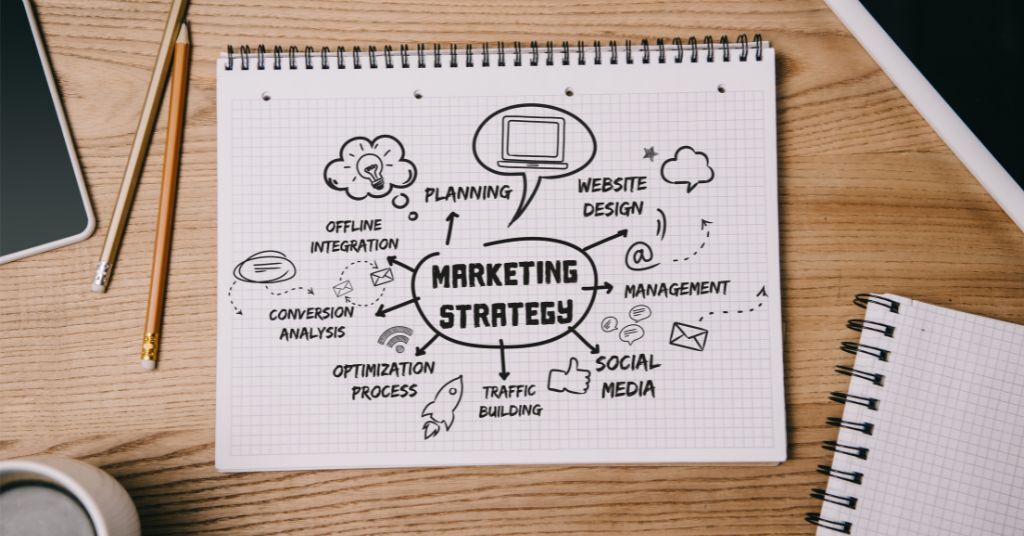
The reality? Marketing isn’t just about flashy posts or cute TikTok videos. It’s about driving long-term business growth by identifying target audiences, crafting compelling messages, leveraging data analytics, and optimizing digital outreach strategies. When marketing is left in the hands of someone without expertise, the company’s ability to reach new customers and retain existing ones suffers.
Sales Can’t Do It Alone
Sales teams often work tirelessly to convert leads into customers, but without a strong marketing strategy fueling that pipeline, they’re left scrambling. The traditional ‘hustle harder’ approach means chasing cold leads, relying on outdated trade show connections, and making endless phone calls to uninterested buyers.
Without marketing providing a steady influx of warm leads, sales teams waste time convincing skeptical prospects who don’t even know why they should care. This results in low conversion rates, inconsistent revenue, and a factory that’s constantly teetering on the edge of insolvency.
The Cost of Entrenched Thinking
Upper management’s resistance to prioritizing marketing comes from deeply ingrained beliefs that have been passed down for generations. The idea that ‘sales drive business, marketing is just fluff’ is an outdated mindset that doesn’t hold up in today’s digital economy.
Factories that refuse to invest in marketing often struggle to:
Differentiate themselves from competitors – Without a clear brand message, customers have no reason to choose one factory over another.
Generate inbound leads – Instead of customers seeking them out, sales teams are forced to do all the work finding potential buyers.
Adapt to market changes – With no marketing strategy in place, companies fail to pivot when economic conditions shift.
A Marketing-First Approach to Growth
If offsite factories want to break free from the constant cycle of financial instability, marketing needs to take center stage. This means hiring experienced marketing professionals who understand the industry—not just assigning it to someone because they have a big Instagram following.
A real marketing strategy includes:
Content marketing – Making sure potential customers find the company online when they search for offsite construction solutions.
Email marketing and lead nurturing – Keeping prospects engaged so they’re ready to buy when the time is right.
Data-driven campaigns – Using analytics to track customer behavior and refine messaging.
Brand positioning – Establishing the factory as a trusted industry leader rather than just another manufacturer.
It’s Time to Get Serious About Marketing
For too long, offsite factories have placed the entire burden of financial success on sales while treating marketing as a side project. The result? Inconsistent revenue, outdated strategies, and a reliance on the same old trade show handshakes.
If factories want to build a sustainable future, they need to stop delegating marketing to the boss’ niece or the receptionist and start investing in real marketing professionals. Because in today’s fast-moving construction landscape, the companies that embrace strategic marketing will be the ones that survive—and thrive.
Gary Fleisher is the Leading Observer of the Offsite Housing Construction Industries. He has been actively involved in researching and writing about the latest trends and developments in the industry for over a decade now.
With his extensive knowledge and experience, Gary has emerged as a go-to expert for businesses looking to stay ahead of the curve in the modular construction industry. In addition to his work as an editor, he is also a sought-after speaker and consultant who has helped numerous companies achieve strategic and operational success.
Let’s talk about something that could change the way you market your business. You’ve probably heard about LinkedIn, right? In fact, you’re probably reading this on LinkedIn right now. It’s not just a place to update your resume or scroll through job postings. It’s a goldmine for growing your brand—and it’s free! By posting pictures, articles, and short videos 5-7 times a week, you can boost your visibility, connect with your audience, and build your business.
Let me show you how.
Build Credibility and Authority
Imagine this: every time someone opens LinkedIn, they see your name sharing valuable insights or showcasing your expertise. Over time, people will start associating you with authority and trust in your industry. When you consistently show up, you’re not just another profile; you’re the go-to person in your field.
Expand Your Network and Reach
Here’s the beauty of LinkedIn’s algorithm—it loves active users. Every time you post, you’re not just reaching your connections; you’re tapping into their networks too. Think about it: one like, comment, or share can put your content in front of thousands of people you’ve never met. The more you post, the more people you reach.
Generate Organic Leads
Forget about spending a fortune on ads. LinkedIn gives you a chance to connect directly with your audience, for free. When you share content that solves problems or showcases solutions, you’ll naturally attract people who need what you offer. That’s called organic lead generation, and it works.
Low-Cost, High-Impact Marketing
You know what’s great about LinkedIn? Posting doesn’t cost a dime. Sure, it takes time (or you can get help with that), but the return on investment can be massive. It’s an easy way to stay top-of-mind with your audience without constantly dipping into your marketing budget.
Build Meaningful Relationships
Here’s the thing about LinkedIn—it’s not just about posting. It’s about engaging. Every comment or message is a chance to build a relationship. And those relationships can lead to partnerships, collaborations, or even direct sales. All because you showed up and joined the conversation.
How to Find the Right Person or Company to Help You
Now, I get it. Posting consistently can feel like a lot, especially if you’re busy running your business. The good news is, you don’t have to do it all yourself. Let me help you figure out how to find the right person or company to support you.
Look for Industry Experience
First, find someone who knows your industry. They need to understand your audience and what makes them tick. Check their portfolio or LinkedIn profile to see if they’ve worked with businesses like yours before.
Check Their LinkedIn Activity
This one’s important: if they’re going to manage your LinkedIn, they should be crushing it on their own profile. Are they posting consistently? Are people engaging with their content? If they can market themselves, they can market you.
Prioritize Creativity and Analytics
The best LinkedIn marketers blend creativity with strategy. They’ll create content that grabs attention and use analytics to make it even better. Ask them how they measure success and refine their approach.
Read Reviews and Testimonials
Don’t just take their word for it. Look for reviews from other clients. If they’ve helped businesses like yours, they’re probably a safe bet.
Start Small with a Trial Period
Before diving into a long-term contract, test the waters. Start with a trial period to see how well they understand your business and whether their content resonates with your audience.
Use LinkedIn’s Built-In Tools
Here’s a pro tip: use LinkedIn to find your LinkedIn manager. Search for terms like “LinkedIn content manager” or “social media strategist.” Check out their profiles, connect with them, and start a conversation.
Posting on LinkedIn 5-7 times a week isn’t just a marketing tip—it’s a game changer. It’s about showing up for your audience, building trust, and staying top-of-mind. Whether you decide to handle it yourself or bring in a pro, this strategy can transform your business. So, what are you waiting for? Start posting today and watch your LinkedIn presence take off.