The View From My Windshield
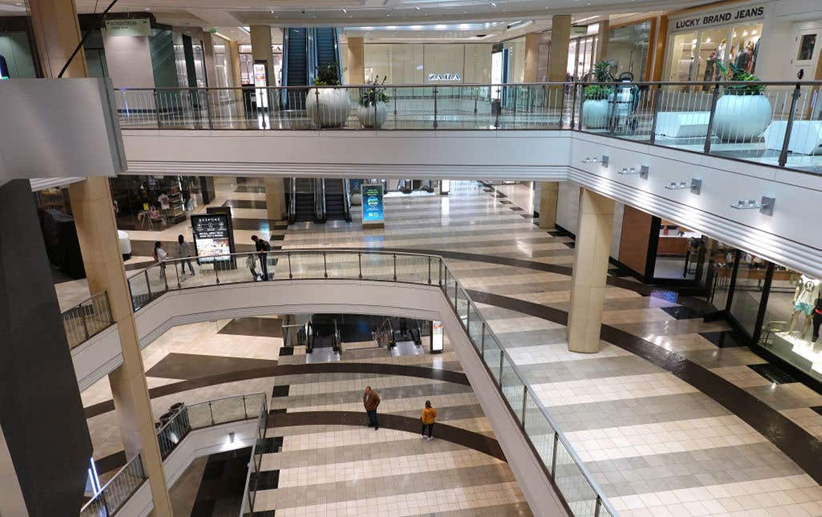
For years, I’ve driven past empty malls, dark office towers, and logistics buildings that look like they’re waiting for something to happen. In many cities, they sit quietly on valuable land while local leaders hold meetings about the housing shortage. It’s almost surreal. On one side of town, families can’t find affordable housing. On the other side, millions of square feet of real estate sit idle. The obvious question is finally being asked: Why aren’t we turning these buildings into homes?
From Empty to Opportunity
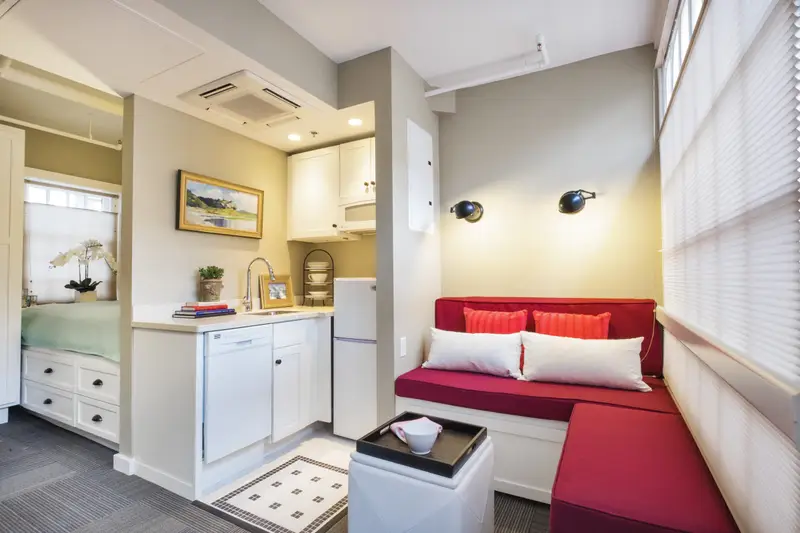
The answer is that we are—slowly. The trend has a formal name: adaptive reuse. It includes converting offices, retail centers, warehouses, schools, hotels, and churches into housing. Since the pandemic, the number of projects has surged. Remote work left downtown towers half empty. E-commerce changed retail patterns. Some logistics space is now underutilized. Meanwhile, housing demand has only grown stronger. Developers, cities, and investors are now looking at these abandoned or underperforming properties as opportunities rather than liabilities. For the first time in decades, adaptive reuse has moved from being a niche experiment to a mainstream strategy.
Not a Silver Bullet
But before we start celebrating, let’s be honest. This isn’t a silver bullet. Some projects are wildly successful. Others stall, collapse, or never get past the feasibility study. The difference between success and failure is usually not the building itself—it’s the early decisions. When the layout, structure, and location align with residential needs, the results can be impressive. Downtown revitalization happens. Communities regain energy. Affordable and workforce housing is created faster than ground-up construction. But when those factors don’t line up, costs explode and lenders run for the exits.
Design Realities Nobody Talks About
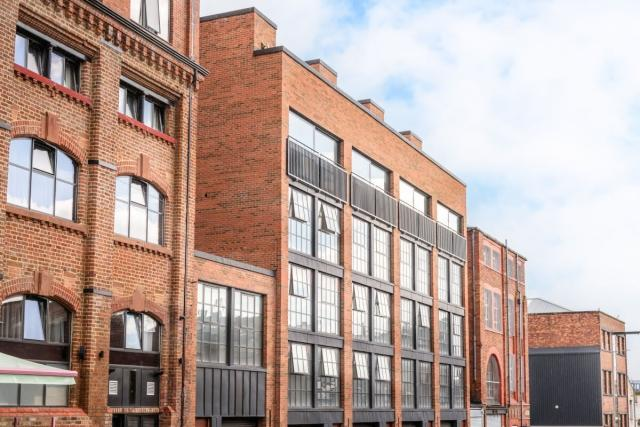
One of the biggest challenges is that most buildings were never designed to be homes. Office buildings, for example, often have deep floor plates. That means the center of the building has little or no natural light, which is a problem when you want apartments. Structural columns may be spaced in ways that limit unit design. Mechanical systems need complete replacement. In some cases, it’s cheaper to tear the building down and start over. That’s not what city leaders want to hear, but it’s the reality developers deal with every day.
The Financing Wall
Financing is another major obstacle. Traditional lenders still view adaptive reuse as risky. Construction costs are harder to predict. Unexpected structural issues are common. Zoning and code barriers can stop a project long before the first permit is issued. Local politics, community opposition, and lengthy approvals add time and uncertainty. In an industry that already operates on thin margins, those risks can kill deals quickly. It’s no surprise that many announced projects never move forward.
Malls and Warehouses: The Next Frontier
And then there are malls and warehouses—the next frontier. Across North America, there are hundreds of underperforming shopping centers and large-format retail sites. Some have already been redeveloped into mixed-income housing, walkable communities, and neighborhood centers. These projects have the potential to create entire new districts rather than just apartment buildings. Imagine turning a failing mall into housing, medical services, childcare, retail, and green space. When done well, the results can be transformative.


Why It’s So Hard to Get Right
But here again, the reality is complicated. Many malls are located far from public transit. They were designed for cars, not people. Infrastructure upgrades are expensive. Schools, utilities, and transportation systems must be expanded. Community resistance can be strong. People who oppose density suddenly become experts in zoning, traffic studies, and environmental reviews. The same communities that demand affordable housing often resist the changes required to make it happen.
Momentum Is Building
Despite all of this, the momentum is real. Cities are offering tax incentives, zoning changes, and faster approvals. Public-private partnerships are becoming more common. Nonprofits and faith-based organizations are stepping in, unlocking land that has been underused for decades. The private sector sees opportunity. Investors see long-term value. And younger generations, who are struggling the most with housing affordability, are more open to creative solutions.
Where Offsite Construction Fits
This is where the conversation gets interesting for the offsite and production construction industry. Adaptive reuse projects demand speed, cost certainty, and risk reduction. They require precision planning, early collaboration, and strong integration between design and manufacturing. In other words, they demand the very strengths that offsite construction has been promising for years.
Yet many developers entering adaptive reuse have little understanding of offsite methods. They know land. They know finance. They know entitlement. But they often do not know how to evaluate factory-built solutions, when they make sense, or how to structure projects to take advantage of them. The result is missed opportunities. Projects that could be faster and more predictable remain stuck in traditional processes.
The Opportunity Hiding in Plain Sight
This disconnect may be one of the largest untapped opportunities in the industry today. Adaptive reuse is not just about recycling buildings. It’s about rethinking how housing is delivered. It’s about integrating design, engineering, and manufacturing from the beginning. It’s about reducing risk and improving outcomes. Most importantly, it’s about aligning incentives so that every stakeholder benefits.
A Bigger Lesson for the Industry
There is also a deeper lesson here. For decades, the housing crisis has been framed as a supply problem, a labor problem, a zoning problem, or a financing problem. The truth is that it is all of these at once. Adaptive reuse doesn’t eliminate those challenges, but it forces collaboration in ways traditional development often avoids. When a project requires coordination between public agencies, developers, manufacturers, and communities, the industry either evolves—or the project fails.
The Turning Point
The irony is that the solutions have been sitting in plain sight. Empty buildings are everywhere. The need for housing has never been greater. Technology and manufacturing capabilities have advanced dramatically. The question is no longer whether adaptive reuse can work. The question is whether the industry is willing to change fast enough to make it scale.
If the answer is yes, abandoned malls and empty offices may become symbols of a turning point in how we build and deliver housing. If the answer is no, they will remain what they are today—silent reminders that knowing what to do and actually doing it are two very different things.
If you’d like to explore this possibilty for yourself, connect with me today.
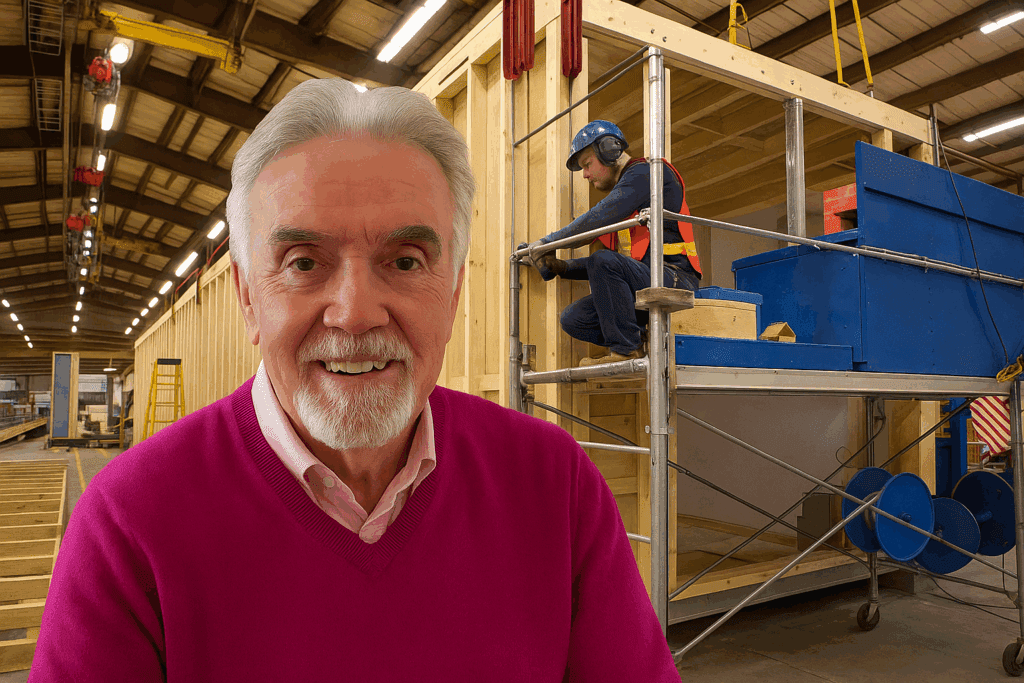
Bill Murray, Co-Founder of Offsite Innovators