

Highlighting the thinkers and their ideas driving the evolution of Offsite Construction. 
Be inspired, be informed, be innovative!

From Coffee to Concrete: Turning Everyday Waste into Tomorrow’s Building Material

Every morning, millions of people worldwide brew their favorite cup of coffee, seeking that familiar warmth and energy boost to start their day. But once the coffee is enjoyed, the leftover grounds—tons of them—are simply discarded. With billions of pounds of roasted coffee grounds finding their way into landfills each year, their environmental impact has raised growing concern. However, Australian scientists may have found an innovative solution that not only recycles this waste but also contributes to a stronger, more sustainable future: coffee-infused concrete.

The Coffee Waste Problem

Globally, the coffee industry generates around 10 billion kilograms of waste annually. That waste includes both unbrewed husks from green beans and the roasted coffee grounds from our morning cup. While some spent coffee grounds find secondary uses—like composting, as a base for beauty products, or even as biofuel—most of it ends up in landfills, where it contributes to methane emissions, a potent greenhouse gas.

Incorporating coffee waste into construction materials may seem unconventional, but scientists believe this could provide a twofold benefit: reducing waste and enhancing the performance of materials in construction. This research into coffee grounds being repurposed into cement offers a glimpse into a future where everyday materials are reimagined in ways we never thought possible.

.

Stronger Cement, Greener Future

The research, led by a team of scientists in Australia, has focused on utilizing coffee grounds as an additive to cement. The preliminary results are promising, showing that incorporating a small percentage of recycled coffee grounds into cement results in a material that is stronger than regular concrete. This is groundbreaking for an industry constantly searching for innovations that improve performance while reducing its environmental footprint.

The idea is simple yet revolutionary: instead of sending spent coffee grounds to landfills, they are collected, processed, and integrated into cement mixtures. This blend results in a compound that has improved structural integrity without compromising the essential qualities of concrete that make it such a foundational material in construction.

Traditional concrete production relies on cement, which involves the extraction of limestone and other minerals, followed by a highly energy-intensive manufacturing process. This method not only depletes natural resources but also releases significant amounts of carbon dioxide (CO2) into the atmosphere. In fact, the production of one ton of cement results in about one ton of CO2 emissions, accounting for 8% of global emissions. By infusing concrete with coffee waste, the reliance on raw cement can be reduced, lowering its carbon footprint.

The Science Behind the Blend

At the core of this innovation is the process by which coffee grounds are prepared for their new role in construction. Researchers have experimented with drying, heating, and grinding spent coffee grounds before mixing them with the cement. These steps allow the material to retain its structural properties while also maintaining the necessary adhesion within the concrete.

What makes coffee grounds effective as an additive is their organic composition. They contain compounds like cellulose, lignin, and hemicellulose, which have been found to interact with the calcium hydroxide in cement, forming stronger bonds at a microstructural level. This bonding process enhances the overall strength and durability of the concrete, leading to superior performance, particularly in resistance to cracking and wear.

The proportion of coffee grounds added to the mix is key. Research shows that when about 5% of the cement mixture is replaced with treated coffee grounds, the resulting concrete can be up to 30% stronger than traditional concrete. This finding opens the door to practical applications, where the balance between material performance and sustainability is achieved without sacrificing durability.

The Potential Impact on the Construction Industry

Imagine this: The next time you step onto a newly built office building or cross a modern bridge, the foundation of these structures might have been reinforced with the very coffee grounds you discarded after breakfast. The potential of this innovation is not limited to residential or commercial buildings; infrastructure projects like roads, bridges, and tunnels could also benefit from stronger, more eco-friendly concrete.
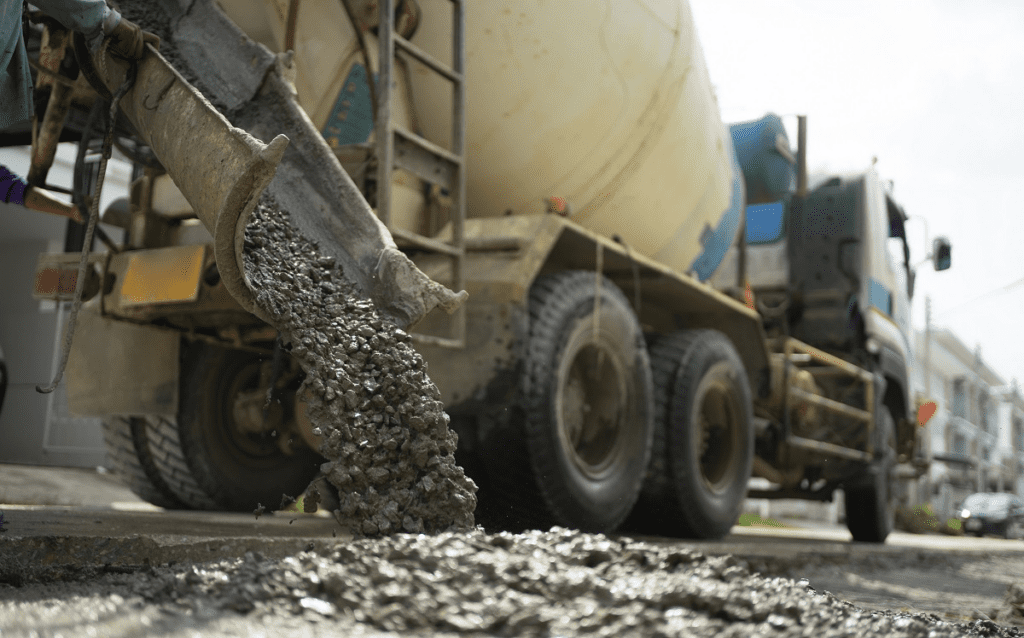
For construction companies, the introduction of coffee-infused concrete offers an exciting opportunity to participate in the circular economy. By creating partnerships with local cafes and coffee producers, the industry could tap into a steady stream of recycled material that would otherwise go to waste. Such collaborations could lower raw material costs, reduce reliance on resource-heavy cement, and lower the environmental impact of construction projects. This shift aligns with growing consumer and regulatory demands for greener building practices.

Additionally, this approach could become a symbol of sustainability for cities and companies. Imagine a municipality proudly showcasing its environmentally conscious infrastructure made from repurposed coffee grounds, or a building boasting its eco-friendly foundation as part of its green certification. The concept could even evolve into a marketing tool for companies looking to differentiate themselves in the competitive construction market.

Challenges and Considerations

While the early results are promising, it is essential to acknowledge the challenges ahead. First, scaling this solution to a global level will require building a reliable collection and processing system for coffee grounds. Currently, no widespread infrastructure exists to efficiently capture, treat, and distribute used coffee grounds for construction purposes. Establishing these networks would require significant investment and coordination among coffee retailers, recycling facilities, and construction companies.

Moreover, further research is necessary to understand the long-term performance of coffee-infused concrete in various environments. Factors such as weather resistance, freeze-thaw cycles, and exposure to chemicals will need to be rigorously tested to ensure that the material holds up under real-world conditions.

Another critical consideration is public perception. While the idea of coffee-enhanced construction materials may be exciting to some, it will take time for the broader market to accept this innovation as viable and trustworthy. Education and transparent testing will be essential in winning over skeptics and proving the material’s long-term benefits.

A Cup of Coffee for a Better Tomorrow

Despite the challenges, the promise of coffee grounds as a key ingredient in future construction materials is hard to ignore. It’s a reminder of the power of creativity and innovation in tackling global issues like waste and emissions. With the right combination of scientific advancement, industry collaboration, and public awareness, something as simple as coffee could become a building block of the future.

Imagine the day when you can contribute to a sustainable future simply by recycling your morning cup of coffee. It’s a future that’s brewing on the horizon, and with the continued push toward eco-friendly innovations, coffee-infused concrete could be a key ingredient in building a better tomorrow.

PERI’s Innovative Formwork Systems for a New Construction

Innovation is not just a buzzword; it’s a necessity in the construction industry. As the industry grapples with challenges such as labor shortages, increasing costs, and the demand for sustainable building practices, companies that push the boundaries of traditional methods are leading the way. 

One such company is PERI, a global leader in formwork and scaffolding systems. With its latest offerings, PERI sets a new standard in construction efficiency, safety, and sustainability.

This article explores PERI’s groundbreaking innovations, focusing on its latest formwork systems, and examines how these advancements are poised to transform the construction industry.

A Legacy of Innovation

Founded in 1969 in Weissenhorn, Germany, PERI has grown into one of the world’s largest manufacturers and suppliers of formwork and scaffolding systems. With a presence in over 90 countries, the company has built a reputation for delivering high-quality products that meet the diverse needs of construction projects worldwide.

PERI’s commitment to innovation is deeply rooted in its history. From the development of the first modular formwork systems to the introduction of digital solutions that enhance project management, PERI has consistently pushed the boundaries of what’s possible in construction. This legacy continues with the company’s latest offerings, which represent a significant leap forward in formwork technology.

The New Formwork System: PERI’s Game-Changing Solution

At the heart of PERI’s recent innovations is its new formwork system, which was unveiled to much acclaim in 2024. This system is designed to address some of the most pressing challenges in construction today, including the need for faster project completion, enhanced safety, and reduced environmental impact.

Speed and Efficiency: Accelerating Project Timelines

One of the standout features of PERI’s new formwork system is its ability to dramatically accelerate construction timelines. Traditional formwork methods can be time-consuming and labor-intensive, often requiring significant manpower and extended periods to assemble and disassemble.

PERI’s new system, however, is engineered for rapid deployment. Its modular design allows for quick assembly, reducing the time needed to prepare formwork for concrete pours. This speed is further enhanced by the system’s lightweight components, which are easy to handle and maneuver, even in challenging conditions.

For example, on a recent high-rise project in Europe, the new formwork system reduced the time required for each floor cycle by nearly 30%. This acceleration not only helped the project stay on schedule but also enabled the construction team to accommodate last-minute design changes without significant delays.

Safety First: Reducing Risks on the Job Site

Construction sites are inherently hazardous environments, with formwork installation and removal posing particular risks. PERI’s new system addresses these safety concerns through several key innovations.

Firstly, the system incorporates advanced locking mechanisms that ensure stability during assembly and disassembly, minimizing the risk of accidents caused by shifting or collapsing formwork. Additionally, the components are designed to be handled with minimal heavy lifting, reducing the physical strain on workers and lowering the likelihood of injuries.

Moreover, PERI has integrated digital monitoring tools into the formwork system, allowing site managers to track the installation process in real-time. This technology provides immediate alerts if any component is improperly installed or if there is a potential safety hazard, enabling swift corrective action.

The emphasis on safety is not just about protecting workers; it also contributes to overall project efficiency. Fewer accidents mean less downtime, fewer delays, and lower costs associated with workplace injuries.

Sustainability: Building a Greener Future

In today’s construction landscape, sustainability is no longer optional—it’s a requirement. PERI’s new formwork system is designed with this imperative in mind, offering several features that reduce the environmental impact of construction projects.

One of the most significant sustainability benefits is the system’s durability and reusability. Traditional formwork often suffers from wear and tear after just a few uses, leading to waste and increased material consumption. PERI’s system, however, is built to last, with components that can be reused multiple times without compromising performance. This longevity not only reduces waste but also lowers the carbon footprint associated with manufacturing and transporting new materials.

Additionally, the system is compatible with eco-friendly concrete mixes, including those that incorporate recycled materials or lower carbon cement. This compatibility allows construction projects to meet stringent environmental standards without sacrificing quality or efficiency.

Furthermore, PERI has taken steps to ensure that its manufacturing processes are as sustainable as possible. The company’s production facilities are equipped with energy-efficient machinery, and PERI actively works to minimize waste and reduce emissions throughout its supply chain.

Case Study: The Impact of PERI’s Formwork System

To illustrate the impact of PERI’s new formwork system, let’s look at a recent project that utilized this innovative technology—a large-scale residential development in North America.

The project, which involved the construction of several multi-story apartment buildings, faced a tight deadline and a challenging site with limited space for material storage. Traditional formwork methods would have struggled to meet these demands, but PERI’s system proved to be the ideal solution.

Thanks to the system’s modular design and quick assembly, the construction team was able to maintain an aggressive schedule, completing each floor cycle faster than initially projected. The lightweight components made it easier to work in confined spaces, and the integrated safety features contributed to an incident-free worksite.

Moreover, the project’s sustainability goals were met by using the reusable formwork system and eco-friendly concrete mixes. The development achieved a LEED certification, underscoring the environmental benefits of PERI’s innovative approach.

The Future of Construction

Looking ahead, PERI is not resting on its laurels. The company is committed to continuing its tradition of innovation, with ongoing research and development aimed at further enhancing its formwork systems. This includes exploring new materials that offer even greater durability and sustainability, as well as integrating more advanced digital technologies to improve project management and safety.

PERI’s vision for the future of construction is one where formwork systems are not just tools but integral components of a smarter, more efficient, and more sustainable building process. As the industry continues to evolve, PERI is poised to lead the way, offering solutions that meet the demands of modern construction while setting new standards for excellence.

PERI’s new formwork system is a testament to the company’s commitment to innovation and its understanding of the challenges facing the construction industry. By focusing on speed, safety, and sustainability, PERI is not only enhancing the efficiency of individual projects but also contributing to the broader goal of building a better, greener future.

As construction companies around the world continue to adopt and implement PERI’s cutting-edge solutions, the impact of these innovations will be felt for years to come, paving the way for a new era of construction that is faster, safer, and more sustainable than ever before.

CLICK HERE if you would like to be interviewed about something innovative you have designed or are currently using.

How Innovative RFID Technology is Transforming Construction from the Factory Floor to the Finished Structure

In offsite construction construction, innovation is often measured by the ability to solve complex problems, enhance productivity, and reduce risk. Among the emerging technologies reshaping this industry, Radio Frequency Identification (RFID) is proving to be a game-changer, especially as it evolves beyond simple tracking to encompass real-time monitoring and proactive maintenance.

From skyscrapers in urban jungles to modular homes built in controlled factories, RFID is weaving a new layer of intelligence into the very fabric of construction. What started as a tool for managing inventory has grown into a sophisticated system that can track, monitor, and report on the health of critical components throughout the lifecycle of a building or infrastructure project. As RFID tags become smarter and more integrated with sensor networks, they are driving the construction industry toward a future where efficiency, precision, and proactive maintenance are the norm.

The Traditional Role of RFID in Construction: From Inventory to Precision Tracking

RFID technology’s early adoption in construction was straightforward: tagging materials and assets to keep track of them. In large projects where materials like steel beams, concrete panels, and prefabricated components are constantly on the move, RFID tags provided an effective way to automate inventory management. By embedding RFID chips in key materials, project managers could instantly know where everything was, whether it was in storage, in transit, or installed on-site. This visibility drastically reduced material loss, cut down delays, and allowed for more precise project planning.

For many companies, this level of tracking was a major leap forward. It enabled better coordination, reduced manual errors, and brought new efficiency to job sites where complex logistics often led to costly delays. However, the real breakthrough has come as RFID technology has evolved to do more than simply track materials—it now provides critical insights into their condition, enabling proactive decision-making that can prevent failures and optimize performance.

.

RFID Beyond Tracking: Integrating Sensors for Proactive Monitoring

As the construction industry grapples with ever-tighter timelines, stricter safety standards, and the need for more sustainable practices, RFID has found new applications in monitoring the health and performance of building components. Companies like Trimble, a leader in construction technology, have been at the forefront of this transformation, pioneering RFID solutions that go beyond logistics to encompass real-time data gathering and analytics.

For instance, consider a scenario in which structural steel beams are embedded with RFID tags equipped with strain sensors. These tags continuously measure stress and load as the building takes shape. Any deviation from expected patterns can trigger an alert, allowing engineers to address potential problems before they escalate into structural failures. This level of monitoring is especially valuable in high-rise buildings and large infrastructure projects, where even minor issues can lead to significant safety concerns if left unchecked.

The potential doesn’t stop at structural monitoring. In many commercial and residential buildings, RFID tags integrated with moisture sensors are being deployed to detect leaks early. Moisture infiltration—whether through faulty plumbing, roofing issues, or poor insulation—can lead to long-term damage that is both costly and difficult to repair. By embedding RFID tags in critical joints, pipes, and seals, companies can monitor moisture levels in real-time and automatically notify maintenance teams if a problem is detected.

InvenSense, a leader in sensor technology, is developing advanced RFID-enabled moisture detection systems that can be discreetly installed in walls, ceilings, and floors. These sensors detect even the slightest presence of moisture, sending alerts before visible damage occurs. For building owners and facility managers, this kind of early warning system translates into significant savings on repairs and extended building lifespans.

While the applications of RFID on construction sites are impressive, the real potential lies in how this technology can be applied at the factory level within the offsite construction industry. Offsite construction, which involves manufacturing components and modules in controlled factory environments before assembling them on-site, is perfectly suited to leverage RFID technology’s full range of capabilities. The controlled nature of factory production allows for greater precision and the integration of sophisticated monitoring systems.

In offsite factories, RFID can be embedded at the very start of the production process, tracking materials from when they enter the facility until they are delivered to the construction site. This visibility extends through every stage of production, ensuring that quality control is maintained and that any deviations from specifications are caught early.

Material Tracking and Inventory Management: In modular construction, where materials are pre-cut, assembled, and prepared for delivery in a factory setting, RFID tags can automate inventory management. As raw materials like lumber, insulation, and fasteners arrive at the factory, they are tagged with RFID chips. From that moment, every movement is tracked. This not only helps prevent shortages but also allows manufacturers to optimize their inventory levels, reducing waste and improving cost efficiency.

Quality Assurance and Production Monitoring: Quality is paramount in offsite construction, where even minor deviations can have significant impacts when components are assembled on-site. RFID tags embedded in critical components can carry information on batch numbers, production dates, and inspection results. As components move through the assembly line, RFID scanners verify that each piece meets the required specifications. If an issue is detected, it can be isolated and corrected before the module is shipped to the construction site. This real-time quality control ensures consistent output and reduces rework, ultimately leading to higher-quality buildings.

Optimized Assembly and Logistics: One of the key advantages of offsite construction is the ability to streamline logistics. RFID tags ensure that every component is correctly labeled and traceable, simplifying storage and delivery. When combined with project management software, RFID data can be used to coordinate just-in-time deliveries, reducing the need for on-site storage and minimizing delays during assembly. For large modular projects, this level of logistical coordination is critical to maintaining project timelines and budgets.

Smart Integration with BIM (Building Information Modeling): In cutting-edge offsite factories, RFID is being integrated with BIM systems to create digital twins of building components. As RFID tags with sensor data are embedded during the manufacturing process, they carry crucial information through the component’s lifecycle. When installed on-site, these RFID-enabled components can be scanned to update the BIM model, ensuring real-time accuracy of the building’s digital blueprint. This seamless integration enhances collaboration among teams and allows for better project management, from factory floor to final assembly.

Proactive Equipment Maintenance in Factories: RFID technology is not limited to tracking materials; it can also monitor the health of factory equipment. By embedding RFID tags with sensors in production machinery, manufacturers can detect signs of wear and tear before they lead to breakdowns. This proactive maintenance approach minimizes downtime and keeps factory operations running smoothly, ensuring consistent production output.

Structural Health Monitoring and Smart Infrastructure

RFID’s benefits extend well beyond traditional building projects. In large-scale infrastructure projects like bridges, tunnels, and highways, RFID technology plays a crucial role in Structural Health Monitoring (SHM). SHM involves embedding sensors in critical components to continuously assess their condition over time. For example, RFID tags with strain gauges embedded in bridge cables can track stress and vibration, providing engineers with data that highlights potential weaknesses long before they pose a risk.

Leading companies like Siemens have developed integrated systems that combine RFID with AI-driven analytics to monitor not only the structural health of bridges and tunnels but also environmental conditions like wind speed, temperature, and seismic activity. These smart infrastructure solutions are setting new standards in safety and reliability, enabling proactive maintenance strategies that extend the lifespan of critical assets.

Challenges and Opportunities in Scaling RFID Technology

Despite the transformative potential of RFID in construction, several challenges remain. The cost of integrating sensor-enabled RFID tags into every key component can be significant, particularly for smaller projects. Additionally, the rugged environments of both construction sites and offsite factories can sometimes interfere with wireless communication, though advances in low-power wide-area networks (LPWAN) and 5G are gradually overcoming these limitations.

Another key challenge is data management. With thousands of RFID tags generating data in real-time, construction managers need robust platforms to collect, analyze, and act on this information. Companies like Autodesk and Bentley Systems are leading the development of software solutions that integrate RFID data into BIM systems, making it easier for managers to visualize and make decisions based on accurate, up-to-date information.

Modcoach Note

The integration of RFID technology into both on-site and offsite construction is poised to revolutionize the industry. As these systems become more sophisticated, the construction process will shift from reactive problem-solving to proactive management. The ability to monitor the real-time health of materials and components, detect leaks, and anticipate failures will not only improve safety and efficiency but also reduce costs and environmental impact.

In a future where every critical component is tagged, tracked, and monitored, buildings and infrastructure projects will be smarter, more reliable, and more sustainable. RFID, once just a tool for tracking inventory, is now a cornerstone of innovation in construction, helping to build a world where every structure is as intelligent as the technology that created it.

As companies like Trimble, InvenSense, and Siemens continue to push the boundaries of RFID technology, we’re entering an era where data-driven decisions will define the success of every construction project, from the factory floor to the finished structure.

CLICK HERE if you would like to be interviewed about something innovative you have designed or are currently using.

Innovations in Turning Recycled Waste into Construction Boards 

Sweden’s Recoma Leads the Way

In the serene landscapes of Sweden, a quiet yet powerful revolution is brewing in the construction industry. As global concerns about sustainability and environmental impacts mount, a Swedish company named Recoma is pioneering an innovative solution: transforming recycled waste into robust construction boards. This breakthrough not only addresses the ever-growing waste crisis but also presents a sustainable alternative to traditional building materials. In this in-depth article, we will explore Recoma’s journey, the process of creating these eco-friendly boards, the numerous benefits they offer, and their broader implications for the future of construction.

The Problem with Traditional Building Materials

The construction industry has long relied on materials like concrete, steel, and timber, each carrying a significant environmental footprint. Concrete production alone accounts for around 8% of global CO2 emissions, while deforestation for timber depletes precious natural habitats. Additionally, the industry is notorious for generating vast amounts of waste. In the European Union, construction and demolition waste represents about 25-30% of all waste generated. These practices contribute to greenhouse gas emissions, resource depletion, and environmental degradation. Enter Recoma, with a vision to turn this paradigm on its head.

Recoma’s Genesis

Recoma’s story begins with a simple yet profound idea: what if we could take the waste plaguing our planet and transform it into something valuable? Founded in 2015, Recoma set out to create a sustainable product from materials that would otherwise be discarded. The founders, driven by a passion for environmental stewardship and innovation, embarked on a journey to develop construction boards from recycled waste. Their goal was to create a product that was not only environmentally friendly but also competitive in performance and cost.

Max Rosenberg, Founder and CEO

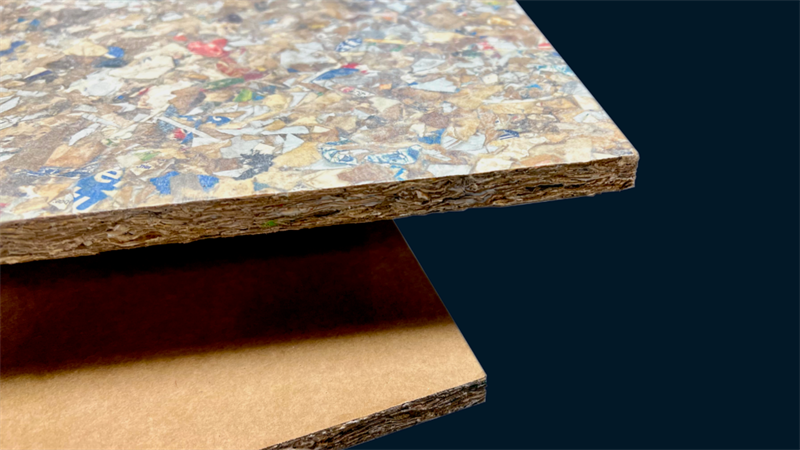
Recoma has perfected a method to convert recycled waste, particularly plastics and wood fibers, into high-quality construction boards. This process involves several meticulous steps:

Collection and Sorting: Recoma sources its raw materials from various waste streams, including post-consumer plastic waste and industrial wood residues. Partnerships with recycling centers, municipalities, and industries ensure a steady supply of quality waste. The materials are meticulously sorted to eliminate contaminants and ensure uniformity.

Shredding and Cleaning: The sorted waste undergoes shredding to break it down into smaller, manageable pieces. This is followed by an intensive cleaning process to remove any remaining impurities. This step is critical to ensure the final product’s integrity and performance.

Blending and Compression: The cleaned waste materials are blended in specific ratios to create a homogenous mixture. This mixture is then subjected to high pressure and temperature in a state-of-the-art press, where it is compressed into solid boards. This process not only binds the materials together but also enhances their strength and durability.

Finishing Touches: The freshly pressed boards are cut, sanded, and finished to meet specific requirements. They can be customized in terms of size, thickness, and surface texture, making them versatile for a wide range of construction applications.

.

Benefits of Recycled Construction Boards

The construction boards produced by Recoma offer a multitude of advantages over traditional materials:

Environmental Impact: By utilizing recycled waste, Recoma significantly reduces the volume of waste directed to landfills and incinerators. Moreover, the production process has a substantially lower carbon footprint compared to the manufacturing of traditional building materials.

Durability and Performance: Recoma’s boards are designed to withstand the rigors of construction. They exhibit excellent resistance to moisture, pests, and fire. Their robustness and performance in various environmental conditions make them suitable for both indoor and outdoor applications.

Cost-Effectiveness: The use of recycled materials can lower production costs, providing builders and developers with a cost-effective alternative without compromising quality or performance.

Aesthetic Flexibility: These boards can be produced in a variety of finishes and textures, offering architects and designers creative freedom in their projects. Whether it’s for sleek modern interiors or rugged outdoor structures, Recoma’s boards can be tailored to meet diverse aesthetic preferences.

.

Broader Implications for the Construction Industry

Recoma’s success is more than just a win for sustainability; it signals a transformative shift in the construction industry. Here are some broader implications of their pioneering work:

Reduction in Raw Material Consumption: As more companies adopt similar practices, the demand for virgin raw materials could decrease. This shift would alleviate the environmental impact associated with resource extraction and processing.

Waste Management Solutions: Recoma’s approach offers a practical and scalable solution to the global waste problem. By creating a viable market for recycled materials, they encourage better waste management practices across industries.

Policy and Regulation: Governments and regulatory bodies are taking notice of sustainable innovations like those of Recoma. Policies and incentives promoting the use of recycled materials in construction could become more prevalent, driving industry-wide adoption.

Market Dynamics: As awareness of the environmental and economic benefits of recycled materials grows, market demand is likely to shift. This change will encourage more companies to invest in sustainable technologies, fostering innovation and competition.

Challenges and Future Directions

Despite the promising advancements, Recoma faces several challenges. Ensuring a consistent supply of high-quality waste materials, maintaining cost competitiveness, and gaining market acceptance in an industry dominated by traditional materials are significant hurdles. However, Recoma remains optimistic. Ongoing research and development, coupled with increasing environmental consciousness, are expected to help overcome these challenges.

.

Recoma’s future plans include expanding their production capabilities and forging partnerships with construction companies and governments. By collaborating with key stakeholders, they aim to promote the widespread adoption of recycled construction materials. Their vision aligns with global efforts to create a circular economy, where waste is continually repurposed, reducing environmental impact and conserving resources.

Recoma’s journey from a bold idea to a leading innovator in sustainable construction is a testament to the potential of recycling in building a greener future. By turning recycled waste into high-quality construction boards, Recoma is not only reducing waste and conserving resources but also setting a new standard for sustainability in the construction industry. As the world grapples with environmental challenges, the lessons learned from Recoma’s success will be invaluable in shaping a more sustainable and environmentally friendly future. Through continued innovation and collaboration, the construction industry can build a legacy that future generations will be proud of—one recycled board at a time.

CLICK HERE if you would like to be interviewed about something innovative you have designed or are currently using.

Innovative Self-Repairing Concrete: Revolutionizing the Construction Industry

The construction industry is on the brink of a revolution with the advent of innovative self-repairing concrete. This groundbreaking technology promises to extend the lifespan of structures, reduce maintenance costs, and enhance sustainability in the built environment. In this blog post, we will explore the science behind self-repairing concrete, its potential applications, and the profound impact it could have on the future of construction.

Self-repairing concrete, also known as self-healing concrete, is engineered to automatically seal cracks and restore its original properties without human intervention. The key to this technology lies in the incorporation of special additives and materials within the concrete mix. These materials can include microcapsules containing healing agents, bacteria that produce limestone, or even shape-memory polymers. When a crack forms, it triggers the release of the healing agents from the microcapsules or activates the bacteria, which then precipitate calcium carbonate to fill the void. Alternatively, shape-memory polymers can close the crack by returning to their original shape when exposed to certain stimuli, such as heat or moisture.

The potential applications of self-repairing concrete are vast and varied. In the realm of infrastructure, bridges, roads, and tunnels are subject to constant stress and environmental factors, leading to cracks and deterioration over time. Self-repairing concrete can significantly extend the lifespan of these critical structures, ensuring safety and reducing the need for frequent repairs. For commercial and residential buildings, from high-rise buildings to residential homes, self-repairing concrete can enhance the durability and longevity of structures, providing homeowners and businesses with peace of mind and reducing maintenance costs. Harsh marine environments are particularly challenging for traditional concrete. Self-repairing concrete can help mitigate damage caused by saltwater and wave action, making it ideal for coastal infrastructure, ports, and offshore platforms. When it comes to historical preservation, restoring and preserving historical buildings often involves dealing with aged and cracked concrete. Self-repairing concrete can provide a modern solution to maintaining the structural integrity of these valuable cultural assets.

The introduction of self-repairing concrete is poised to transform the construction industry in several ways. By reducing the frequency and extent of repairs, self-repairing concrete can lead to substantial cost savings over the lifespan of a structure. This is particularly beneficial for large-scale infrastructure projects and public works. Self-repairing concrete contributes to sustainability by decreasing the need for new materials and reducing waste generated from repairs. This aligns with global efforts to promote environmentally friendly construction practices. Enhanced durability and reliability of structures mean fewer accidents and failures, ensuring the safety of occupants and users. This is crucial for critical infrastructure like bridges and tunnels. Embracing self-repairing concrete positions construction companies at the forefront of innovation, giving them a competitive edge in the market. It also attracts investment and talent interested in pioneering sustainable building solutions.

Basilisk Self-Healing Concrete, a company located in The Netherlands, is also pioneering a Self-Healing repair mortar and a Liquid repair system for existing buildings and structures.

While the potential of self-repairing concrete is immense, there are still challenges to overcome. These include refining the technology for large-scale production, ensuring consistent performance across different environmental conditions, and reducing costs to make it economically viable for widespread use. Future research and development will focus on improving the efficiency and reliability of self-healing mechanisms, exploring new materials and additives, and conducting long-term studies to validate the performance of self-repairing concrete in real-world applications.

Innovative self-repairing concrete represents a significant leap forward in construction technology. As research progresses and the technology becomes more accessible, we can expect to see a transformation in the way we build and maintain our infrastructure. This not only promises economic and environmental benefits but also paves the way for a more resilient and sustainable built environment. The future of construction is here, and it is self-repairing.

By embracing self-repairing concrete, the construction industry can ensure that the buildings and infrastructure of tomorrow are not only more durable and cost-effective but also more sustainable and reliable. It’s an exciting time for innovation, and self-repairing concrete is at the forefront of this transformation.