A Foundation That Holds Everything Together
Every homebuilder knows the importance of a solid foundation. You can have the best plans, the finest materials, and the most skilled trades—but if the foundation is weak, everything above the sill plate is at risk.
Factories are no different. Culture is the foundation. It doesn’t guarantee a flawless product or a smooth sailing every day, but without it, the chances of long-term success shrink dramatically. Over the years, I’ve walked into plants where the machinery was top shelf, there was over 200,000 square feet under roof and the numbers presented were optimistic. But what struck me more than the spreadsheets or production targets was the foundation—the culture I could sense in the people, both on the floor and in the office.
What You See and Hear on the Floor
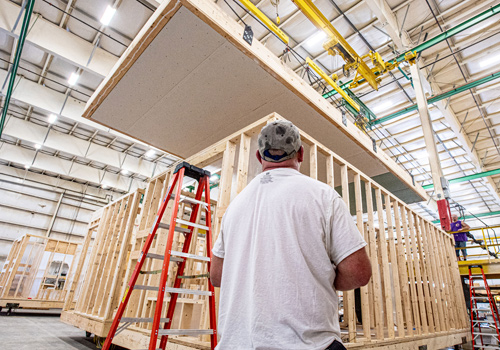
The floor speaks volumes. Within a short period of time, you can sense the signals:
– Workstations, breakrooms, or entire plants that are orderly—or in disarray.
– Crews working together—or in isolation. Some hustling others waiting.
– Supervisors guiding—or working online and simply pushing.
Factories also have a sound. Some hum with steady, focused energy. The steady rhythm of nail guns, and line roll announcements over the loudspeakers. Others echo with pleas for materials coming over the loudspeakers, finger-pointing shouting matches, or even silence that says more than words. These signals tell you whether the foundation is strong or cracking beneath the weight of poor communications and expectations.
On more than one occasion I walked into plants that had obvious signs of a suspicious culture that would not facilitate the production of superior products being offered to the marketplace. Check out the parking lot. Is it a mudhole? Is there ample space for all employees? Next look at the timekeeping system provided as employees clock in for the day. Is it manual and time consuming? Can one employee clock in for others? Is it digital and confidential? What is your very first impression as you step into the factory? Cleanliness isn’t only next to godliness it is essential and a precursor to a quality work environment and a quality product. I’ve seen both extremes and clean well-organized beats the alternative hands down. It’s amazing how many in upper management don’t grasp the importance or significance and its reflection of the culture of the company.
What You Notice in the Office
Culture isn’t confined to the production line. It shows up just as clearly in the office and among support staff:
– Are people engaged and approachable, or distracted and going through the motions?
– Do you see pride in their demeanor, or a sense of indifference?
– Is the office clean and welcoming, or cluttered and neglected?
– Are there visible signs of communication—like schedules, quality goals, or even simple signage—or is it vague and disorganized?


Even something as simple as a restroom or a break room tells a story. I’ve walked into plants where those spaces reflected respect for employees, and others where they revealed the opposite. These details matter, because they reflect the tone set at the top.
No receptionist, no one to welcome a visitor, you wait in a small confined “lobby” until someone shows up and asks how they can help? I’ve seen that, and it’s the first sign of a culture that that is oblivious to proper customer relations….uh oh!
People: The Only Renewable Asset
I’ve always believed that a company’s greatest—and really, its only renewable—asset is its people. You can finance equipment, upgrade facilities, and refine processes, but none of it works without a management team and workforce that knows they matter.
As a GM, I never had a reserved parking spot, because I didn’t want barriers—literal or symbolic—between myself, managers, and the people building the product. I’ve learned that your people don’t care what you know until they know that you care. When they feel that, something changes. The pride shows up on the line, in the office, and in the product itself.
That kind of culture doesn’t just happen. It must be set intentionally, from the top down and reinforced every day.
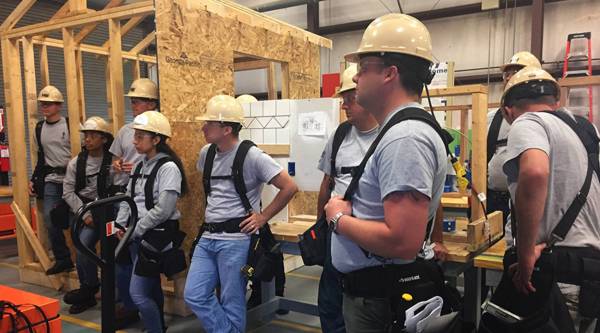
I’ve several times talked with the GM/Owner at a plant and heard him espouse his respect for his people. I had no reason to question that until I had a conversation with those in the trenches. In one instance, I was in the plant and noticed what appeared to be a heated discussion taking place near the tool room. I waited until the discussion ended, and at some point, was able to talk to one of the people I had seen being very animated (that’s putting it kindly). He was exasperated, as his crew (he was a supervisor) was at a standstill due to the hoist on the overhead crane being down and no replacement available. I was an observer, and he didn’t know me from Adam, but I was able to learn that he had reported the potential for this problem to occur to his boss, several times. I expressed my understanding and simply suggested that maybe he should talk to the GM. His reply (which I later found credible) was that he never see’s the GM, and if he did, he felt certain it wouldn’t really matter. Further observations gave some credence to the fact that the GM/Owner talked the right talk but didn’t actually walk the walk.
The Unspoken Conversations
Culture often reveals itself in subtle ways:
– How a line lead speaks to a crew member.
– How openly problems are acknowledged—or ignored.
– Whether an office staffer greets a visitor with genuine interest or a perfunctory nod.
These moments, small as they seem, are cracks or reinforcements in the foundation.
Why It Matters
A solid foundation doesn’t guarantee a perfect house. Likewise, a healthy culture doesn’t guarantee every project will go smoothly. But without it, the risks compound. In modular construction—where timing, precision, and coordination matter more than in almost any other part of the industry—culture is the quiet but decisive force that shapes outcomes.
The Pattern That Repeats
Every plant I’ve visited has its own story. But whether it’s a startup, a turnaround, or a supplier under review, the signals are remarkably consistent. Pay attention to them, and you can see the trajectory before it’s obvious to anyone else. Ignore them, and you’re left surprised when the cracks widen.
The Bottom Line
Culture isn’t a buzzword. It’s the foundation that holds the factory—floor and office alike—together. And like a foundation in homebuilding, if it’s poorly set, everything above it becomes more fragile.
At Offsite Innovators, our advisory work is about spotting these patterns early and helping companies strengthen the foundation. If you’d like to explore what these signals might mean for your factory or if you’re thinking of using Offsite products for your next project, connect with us here: [link to questionnaire/contact form].
We very much welcome your comments. Share your thoughts……the industry needs that!
If you’d like to explore this further, connect with us today.




Reader interactions
One Reply to “What the Factory Floor and the Office Reveal in Minutes”
Well that was at least $150,000 worth of insightful, thoughtful, informative comments Bill. If your business isn’t seeking successful insights into being better then success maybe it bit further away.