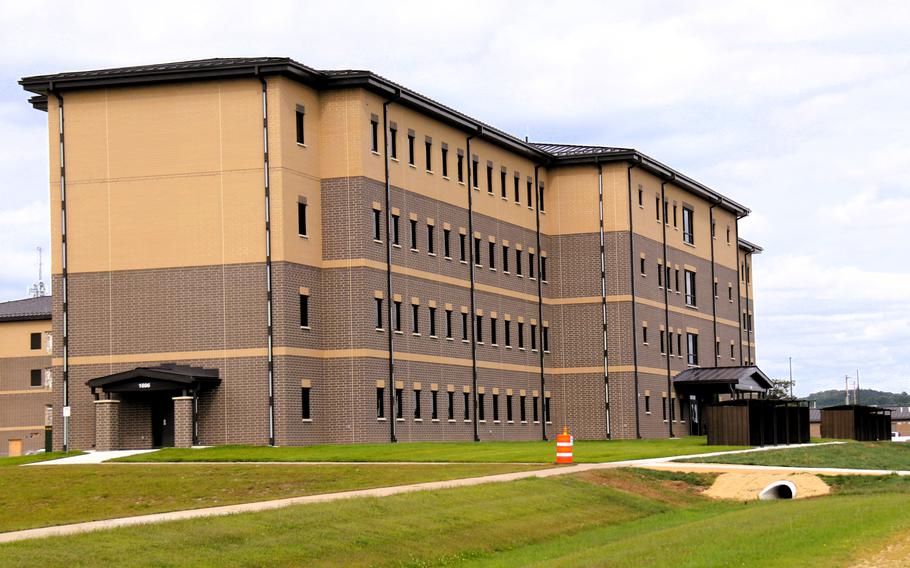
The Army’s interest in faster, more affordable construction could open doors for an industry ready to show what it can do.
Every once in a while, a construction story comes along that makes me put down my coffee and think, “Now, this could lead somewhere.” The Army’s growing interest in prefabricated buildings is one of those stories. For anyone who has spent years explaining why building more of a project inside a factory makes sense, this is encouraging.
According to an October 12 report by Federal News Network’s Rachel S. Cohen, the Army faces a $140 billion construction backlog and wants to expand its use of prefabricated facilities. Its ambitions include completing infrastructure projects up to 50% faster and 30% cheaper. Those are goals, not established results, but they certainly give the industry something worth discussing.
What makes me smile is the question behind those ambitions: Could we get better results by changing how we build? That is a conversation our industry should welcome.
A Chance to Get Involved Earlier
One particularly promising detail is the Army’s intention to award contracts earlier in design, giving selected firms more influence over the finished project and potential savings. It also wants greater use of repeatable buildings.

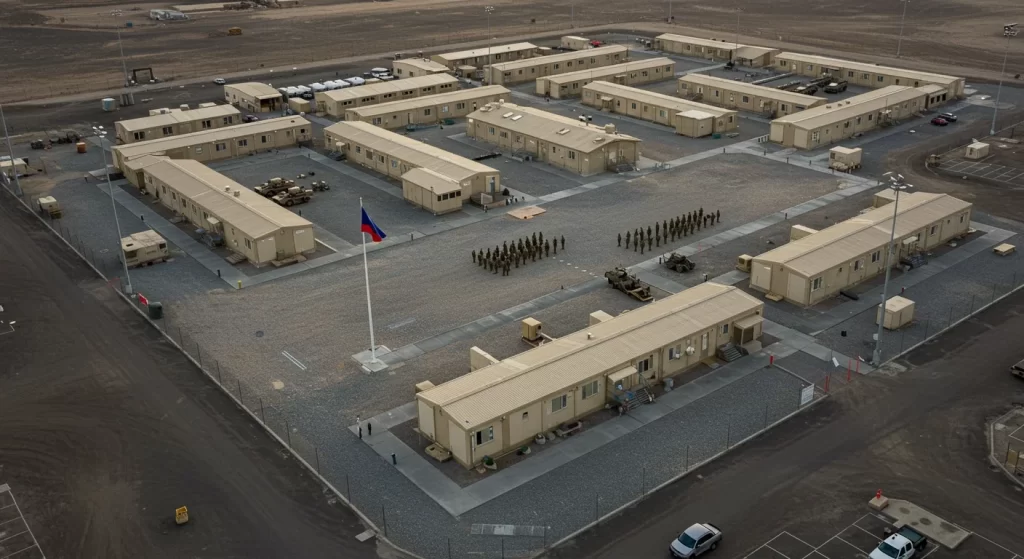
Picture: Apec Modular
If you operate an offsite factory, you probably understand why that matters. Being handed a completed design and asked to “make it modular” can feel a little like being handed a baked cake and asked to remove three eggs. You might manage something, but everyone would have been happier if you had joined the conversation earlier.
Early involvement gives manufacturers a chance to explain dimensions, transportation limits, connections, material choices, and production methods before changes become expensive. It lets the building and manufacturing process develop together. That is where a promising idea has a better chance of becoming a successful project.
Repeatability Gives Improvement Somewhere to Grow
I have always thought our industry sometimes apologizes too much for repetition. We talk about customization as though making the same successful detail twice requires an explanation. Yet repetition gives workers and managers something valuable: an opportunity to improve tomorrow’s work using what they learned today.
Imagine a production team completing a building, identifying several awkward installation steps, and carrying those lessons into the next order. Purchasing can refine material packages. Supervisors can improve sequencing. Quality teams can address recurring problems at their source.
That is the kind of opportunity I see in a customer becoming more comfortable with repeatable facilities. It could reward companies that develop dependable systems and keep improving them. That approach leaves plenty of room for craftsmanship, along with fewer opportunities to reinvent yesterday’s headache.
An Opening for More Than One Kind of Factory
Prefab is a broad category, and the Army’s plans should not be mistaken for an announcement that every project will become a volumetric modular building. The report describes several approaches, including tension fabric structures and 3D printing, while noting that broader replacement authority still requires congressional action.
For our industry, that variety suggests room to explore different roles. A company might contribute complete modules, panels, assemblies, or specialized components, depending on the project and procurement requirements. Other firms could bring installation experience or help connect factory production with site work.
I encourage owners to consider where their capabilities fit. A good partnership may offer a more practical beginning than trying to deliver an entire military project alone. Becoming the dependable company another contractor wants on its next job is no small feat.
The Best Sales Pitch Will Be a Good Building
An upbeat outlook still needs a foundation. The report also recounts serious failures in earlier prefabricated military dormitories and says Army officials intend to evaluate performance before repeating an approach. That makes quality central to this opportunity.
I see that as a challenge worth accepting. The strongest response is a building that works as promised, supported by clear documentation, careful installation, and people who take responsibility when something needs attention.
The human benefit belongs in this conversation, too. A comfortable place to live and a functional place to work matter to the people using them. Factory productivity matters most when it delivers those everyday improvements.
Gary’s Observation

I am encouraged because this story gives prefab and modular companies a reason to look ahead with purpose. An interested customer is an opening; earning that customer’s confidence is the work that follows. Our industry has people who understand that distinction.
I hope manufacturers use this moment to strengthen partnerships, sharpen their processes, and prepare to show what they can deliver. We have spent years asking customers to consider a different way of building. When a customer starts asking that same question, it is a pretty good day to be in offsite construction.
From an article in Federal News Network