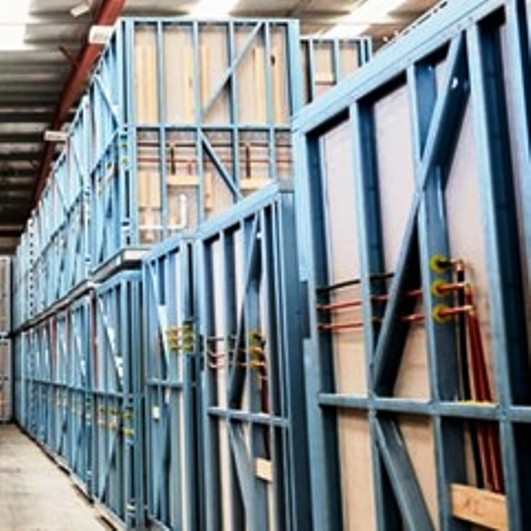
Walk into almost any modular home factory in North America and you’ll still smell it before you see it—the familiar scent of cut lumber, sawdust, and decades of ingrained process. Wood framing isn’t just a material choice; it’s a culture, a rhythm, and for many, a comfort zone.
But there’s a quiet question beginning to echo through boardrooms, production floors, and late-night strategy sessions. What would it really take to shut it all down, even temporarily, and switch to light gauge steel?
Not talk about it. Not pilot it. Actually switch.
The Cost Equation: More Than Material Pricing
At first glance, the conversation starts where most factory decisions start—cost. Light gauge steel framing often enters the room with higher upfront material pricing compared to traditional wood, depending on market conditions. But that’s only the surface layer of the decision.
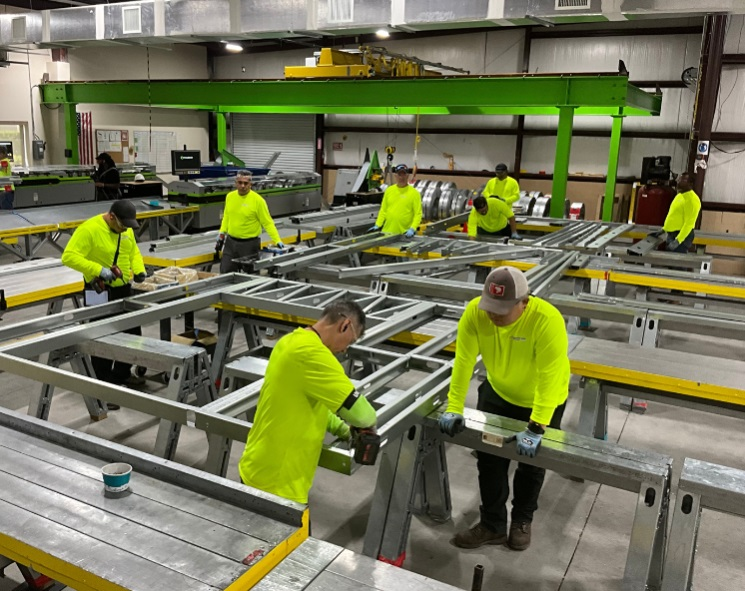
Factories quickly realize the real cost isn’t just steel versus lumber. It’s the ripple effect across procurement, equipment, waste streams, and even freight. Steel’s consistency can reduce waste, but its precision can also expose inefficiencies that wood has quietly forgiven for years.



And then comes the bigger number no one likes to calculate—the cost of stopping the line.
Shutting Down to Move Forward
Every factory owner knows the sound of silence on a production line is expensive. Switching from wood to LGS isn’t a weekend retrofit. It’s a strategic pause that can stretch from weeks to months, depending on how deep the transition goes.
During that time, orders may slow, backlog strategies get tested, and cash flow becomes less predictable. Even the most optimistic transition plan has to answer a hard question: how long can we afford to not produce while we learn to produce differently?
For many, that question alone ends the conversation before it truly begins.
Training: Rebuilding Muscle Memory
Even if the financial hurdle is cleared, the human one remains. A wood-framed modular factory runs on muscle memory built over years, sometimes decades. Framers know how wood reacts, how to fix mistakes on the fly, and how to keep the line moving even when things aren’t perfect.
Light gauge steel changes that entirely.
Cutting, fastening, handling, and assembling LGS requires a different mindset and a different skill set. Crews must learn new tools, new tolerances, and new sequencing. Electricians and plumbers must adapt to pre-punched steel members instead of drilling through studs. Insulation crews have to rethink how materials are installed and secured.
Training isn’t just a class or two. It’s a cultural reset.
The Hidden Complexity of “Everything Else”
Then there’s everything that doesn’t show up on the first planning spreadsheet.
Drywall crews have to adjust to steel’s rigidity and fastening patterns. Engineers must rethink load paths and connection details. Designers need to understand how LGS affects spans, openings, and module weights. Code compliance shifts, sometimes subtly, sometimes significantly, depending on jurisdiction.
Even something as simple as fastening cabinets or hanging doors can introduce new learning curves.
Just as critical as retraining the factory floor is retraining the customer who ultimately buys, builds with, or lives in the product. Builders, developers, and even inspectors accustomed to wood framing often approach light gauge steel with hesitation, not because it underperforms, but because it behaves differently. Fastening, field modifications, hanging cabinets, running wires, and even the “feel” of the structure all require a new level of understanding and confidence. Without clear education, job-site guidance, and a few successful early projects, customer acceptance can lag behind factory capability. In many ways, the transition to LGS doesn’t fully succeed until the customer stops asking, “Can we still do this like we always have?” and starts saying, “Show us how this works with steel.”
The transition isn’t just about swapping materials. It’s about rethinking the entire system.
The Promise That Keeps the Conversation Alive
And yet, despite all of this, the conversation refuses to go away.
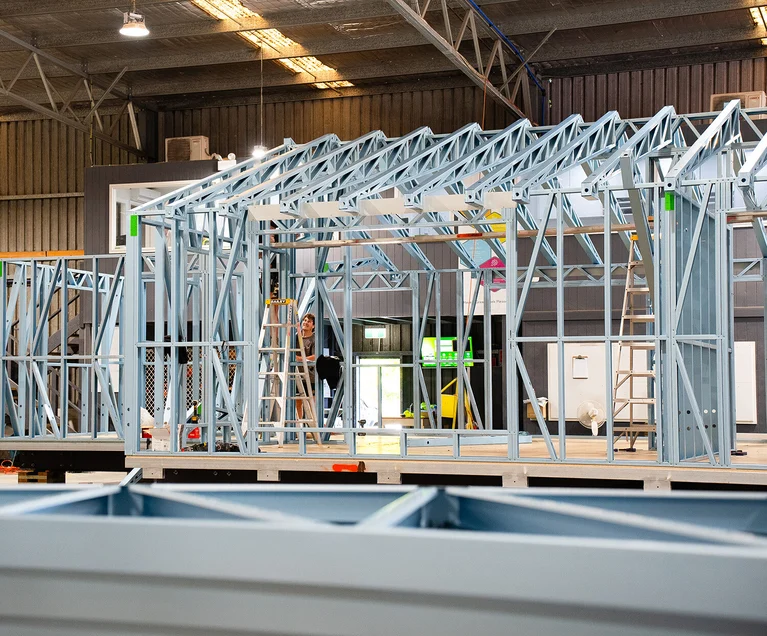
LGS offers compelling advantages. It doesn’t warp, twist, or shrink like wood. It brings precision that aligns well with automation and robotics. It can improve long-term durability and, in some cases, open doors to new markets or building types that wood struggles to serve.
For factories looking toward the future—especially those considering AI-driven production lines, robotics, or micro-factories—steel begins to look less like an alternative and more like a foundation.
That’s what keeps the idea alive in strategy meetings long after the spreadsheets are closed.
So… Would You Make the Switch?
This isn’t a theoretical exercise anymore. The technology exists. The systems are being refined. And a handful of forward-thinking companies are already proving it can be done.
But the real question isn’t whether it’s possible. It’s whether it’s worth it—for your factory, your team, and your market.
Because once you start down that road, there’s no halfway point. You’re either a wood factory… or you’re not.
Modcoach Observation

If you were starting a brand-new factory tomorrow, with no legacy equipment, no trained crews, and no habits to break, would you choose wood because it’s familiar—or light gauge steel because it might be the future?