
Your Factory Has Cameras. Can They Catch Mistakes Before You Ship?

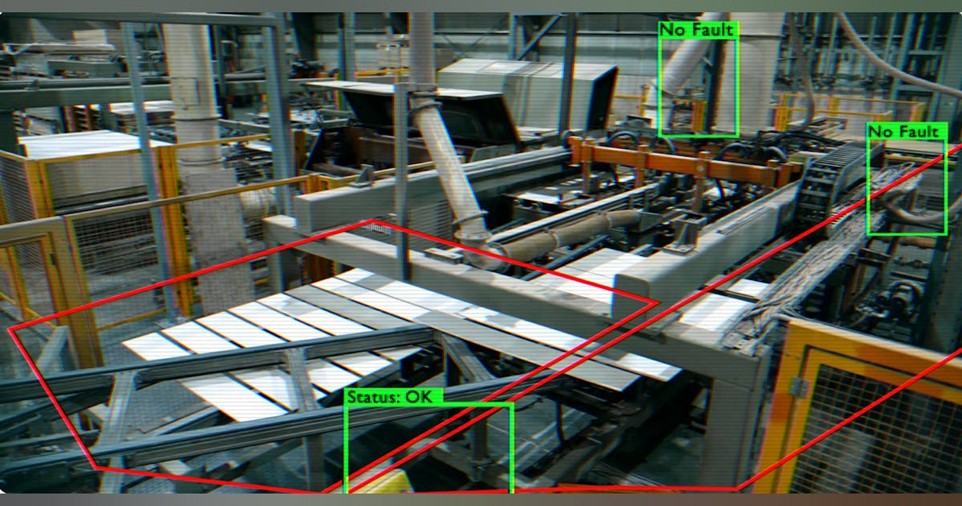
A particularly expensive moment in a modular factory is when someone discovers a problem that would have been easy to fix three stations earlier. The wall is closed, the cabinet is installed, or the module is wrapped for shipping. Suddenly, a missing component becomes a meeting, a repair crew, and another explanation about why the schedule slipped.
That is where the latest generation of factory cameras begins to interest me. Show me a system that catches a recurring mistake while someone can still reach it, and we have something worth discussing. The factory already has enough equipment to look impressive on a tour.
Since I first wrote about AI cameras and radio-frequency sensing, manufacturers have continued developing tools that inspect products and analyze production activity. The developments announced in 2026 make a stronger case for taking a serious look. They also make it necessary to separate what these systems actually do from what we might wish they could do.
First, Let’s Straighten Out the Technology
My earlier article grouped these tools under “AI RF cameras.” That description needs tightening because machine vision and radar are different technologies with different responsibilities.
AI vision systems analyze images. Industrial radar uses radio waves to detect presence or movement within its operating limits. Inxpect, for example, sells industrial safety radar designed to monitor protected areas and help prevent machinery from restarting while someone remains inside. Its equipment is designed to tolerate disturbances such as dust, smoke, and changing light that can complicate optical sensing. That doesn’t make radar a camera that can inspect every hidden detail inside a wall.

For a factory owner, the distinction matters in practice. Checking whether a visible component is present and detecting someone inside a hazardous machine area are different jobs. Each requires equipment selected and validated for that particular application.
Before asking how much a system costs, decide what it needs to detect. “We want a smarter factory” is a fine ambition, but a lousy purchase specification.
What Has Actually Changed
One meaningful development came in May 2026, when Cognex announced general availability of OneVision, its environment for developing and managing AI inspection applications. The company reported that more than 100 customers had used it since its June 2025 beta launch. Its approach combines cloud-based model development and management with local inspection on compatible vision systems. According to Cognex, deployed inspections can operate without a cloud connection.
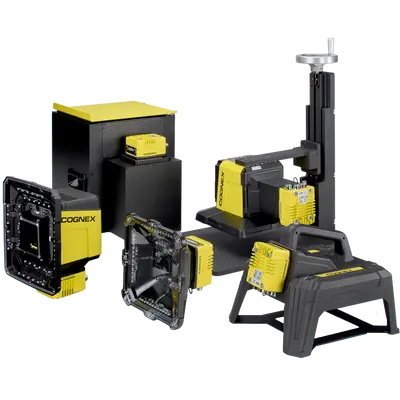
That matters because installation is only the beginning. Someone must maintain the inspection criteria, manage changes, and keep the system useful as products evolve. Easier development and deployment could make that work more manageable. The business still needs an owner.
Another development appeared at Hannover Messe in April 2026. NVIDIA and its partners showcased vision AI systems that combine camera information with other operational data. Invisible AI announced its Visual Execution System, which uses NVIDIA technology to analyze production activity and provide information to help teams address emerging problems. These are supplier announcements across manufacturing, not evidence that modular factories everywhere have already achieved the same results.
The direction is nevertheless worth watching. Cameras are becoming inputs to systems that help people investigate production, extending their usefulness beyond recording footage that someone reviews after a problem occurs.
Start Where the Mistake Gets Expensive
For offsite construction, I would start with a specific inspection point before work becomes concealed. Potential applications include checking for visible blocking, confirming the intended component reached a station, or documenting an assembly before the next operation covers it.
Those are proposed applications, not promises that any camera you buy will perform them. A supplier should demonstrate the actual task using your materials, your product variations, and your production conditions.
Consider a missing piece of blocking. Catch it while the framing is open, and the correction may be straightforward. Discover it after finishes are installed and several people inherit a problem they did not create. A useful pilot would measure whether the system reliably catches that omission early enough to make a difference.
It also needs the correct information. If engineering approves a revision but the inspection system still expects yesterday’s configuration, you have given an outdated instruction a very efficient delivery method. The camera may be working perfectly while the process feeding it is wrong.
A Picture Can Start an Investigation
Another potential use deserves attention: understanding why work stops moving.
Imagine a station that repeatedly falls behind. Management suspects the crew is slow. The crew says material arrives late. Purchasing says everything was delivered. Everyone has a version of events, and by Thursday, those versions have taken on some attitude.
A properly configured visual monitoring system could help establish when an assembly arrived, how long it waited, and when work resumed. That record could narrow the investigation. It wouldn’t automatically explain whether the delay came from missing hardware, unclear instructions, a quality concern, or a supervisor assigning the crew elsewhere.
That last distinction matters. A video of someone waiting is evidence of waiting. Management still has to learn what prevented the work from continuing.
I would want supervisors reviewing those patterns with the people doing the job. Otherwise, the factory risks buying a sophisticated way to reach the same old conclusions.
The Employees Deserve a Straight Answer
Put cameras over a production line, and employees will understandably ask what management intends to do with the footage. Calling it “process improvement” will accomplish very little if the first use is questioning somebody about a three-minute pause.
My advice is to explain the purpose before installation. Tell people what is recorded, who can review it, how long it is retained, and whether it will be used in individual performance decisions. Make those choices deliberately.
Then ask workers where the system might help. The person repeatedly waiting for the correct hardware probably knows where a useful pilot should begin. So does the employee who keeps repairing the same omission from an earlier station.
A system introduced with their involvement is more likely to become useful. A system introduced as a surprise gives everyone something else to worry about.
Make the Vendor Work for the Sale
I would ask for a demonstration on an ordinary production day. Include acceptable variations, deliberately introduced defects, and the awkward conditions the supplier would prefer you leave out.
Count both missed defects and false alarms. A system that misses the serious mistake has a problem. So does one that repeatedly interrupts work over acceptable assemblies. Ask who adjusts it when the product changes, what that service costs, and how you’ll check performance afterward.
The budget should cover the complete installation: cameras or sensors, lighting where needed, mounting, software, integration, training, maintenance, and the employee time required to keep it useful. A low hardware price tells you very little about the cost of a dependable inspection process.
Before the pilot starts, establish a baseline. Record the defect frequency, repair hours, and disruptions associated with the chosen problem. Then compare results under similar conditions. Savings should come from your factory’s records, including ongoing expenses.
Gary’s Observation

Gary Fleisher, [email protected]
I am more interested in a camera that reliably catches one expensive, recurring mistake than a presentation promising to transform the entire plant. Give it a defined job, let the employees help evaluate it, and make it earn an expansion.
The developments in 2026 give factory owners better reasons to investigate machine vision and industrial sensing. They do not relieve management of deciding what good work looks like, keeping instructions current, or responding when something goes wrong.
A camera may finally show you exactly where the problem starts. The next move still belongs to you.