


Affordable Housing Isn’t an Offsite Problem—It’s a Direction Problem

You’re Not Going to Like This!
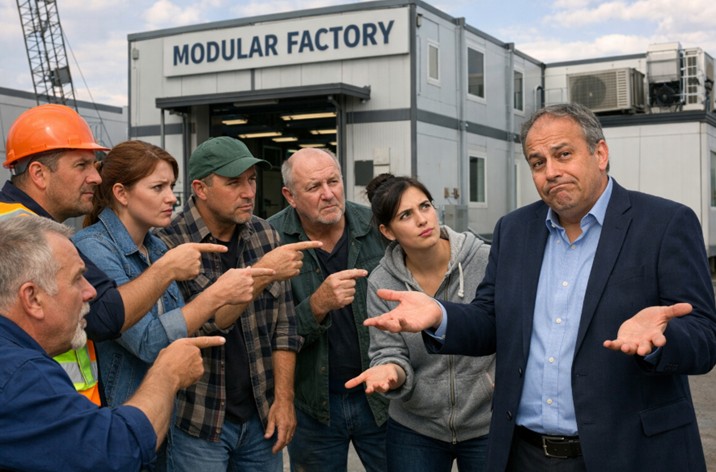
Every few months, someone points a finger at the offsite construction industry and asks why we haven’t solved the affordable housing crisis yet.
It’s usually framed as disappointment. Sometimes as frustration. Occasionally as blame.
But it starts from a faulty assumption.
The offsite construction industry was never meant to decide what affordable housing should be. It was built to manufacture what others specify—efficiently, repeatably, and at scale.
And that distinction matters more than most people want to admit.
Offsite Is Not the Client. It’s the Tool.
Offsite construction is almost entirely B2B, not B2C.
Factories don’t wake up in the morning and decide to solve housing policy. They respond to developers, builders, housing authorities, nonprofits, architects, and owners who come to them with drawings, specs, budgets, schedules, and constraints.
In other words:
Tell us what you want, and we’ll build it.
That’s not deflection. That’s how industrialized construction works.
Auto manufacturers don’t decide what regulations cars must meet. Appliance factories don’t invent energy codes. Aerospace suppliers don’t define airline routes. They manufacture to specifications created upstream by people with authority, funding, and regulatory power.
Offsite construction is no different.
Affordable Housing Is a Systems Problem—Not a Factory Problem
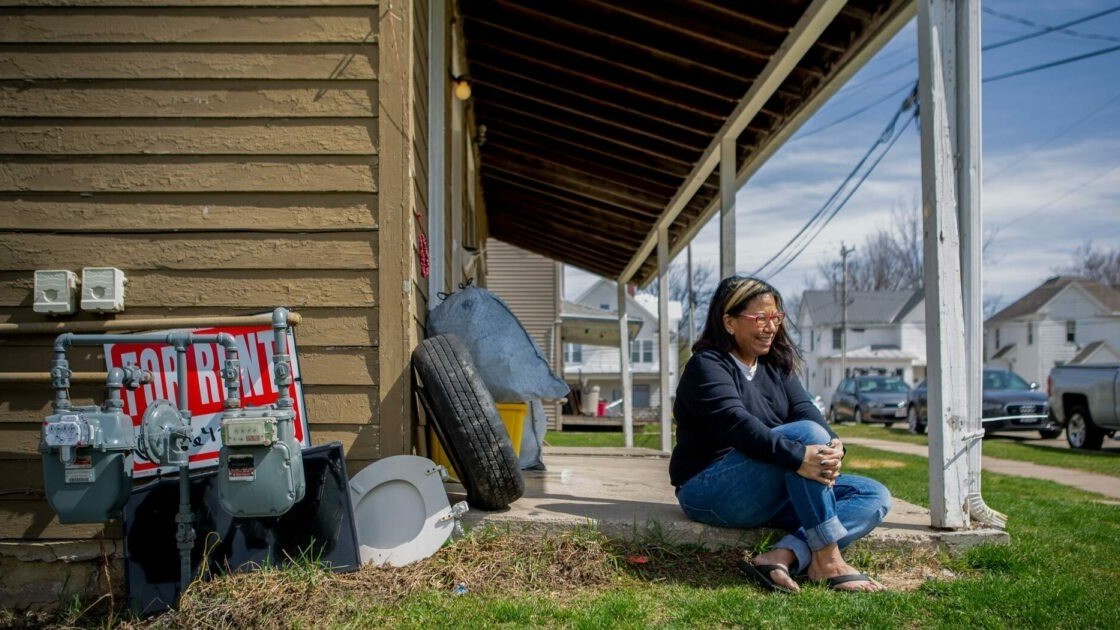
Affordable housing lives at the intersection of land cost, zoning, financing, political will, entitlement timelines, community resistance, and subsidy structures. None of those are controlled by factories.
Factories can:
- Reduce labor variability
- Improve quality consistency
- Shorten build schedules
- Deliver predictable costs
What they can’t do is:
- Rezone land
- Create tax credits
- Change parking minimums
- Eliminate design creep
- Fix contradictory code interpretations
- Decide what “affordable” means in a given city
When developers, housing agencies, or municipalities bring vague goals instead of hard specs, factories can’t manufacture clarity.
The Industry Isn’t Silent—It’s Waiting
There’s a quiet truth most people outside the industry don’t see.
Factories are ready.
They’re ready to build:
- Smaller units
- Repetitive floor plans
- Simplified assemblies
- Lower-cost finishes
- Performance-based designs
- High-volume, low-margin projects
What they need is clear direction.
Affordable housing doesn’t fail because factories can’t build it. It fails because too many projects arrive with:
- Custom designs pretending to be standardized
- Budgets disconnected from scope
- Political promises unsupported by funding
- One-off pilots instead of scalable programs
Offsite thrives on repeatability. Affordable housing too often thrives on exceptions.
Stop Asking “Why Hasn’t Offsite Solved This?”
That’s the wrong question.
The better question is:
Why haven’t the people who control land, money, and approvals told offsite exactly what to build—at scale, for years at a time?
When that happens, factories respond.
They always have.
Until then, blaming offsite construction for not solving affordable housing is like blaming a printing press for not writing the book.
The press doesn’t create the story.
It just makes sure it can be printed—accurately, affordably, and over and over again—once someone finally decides what they want to say.
If you’d like to explore this further, connect with me today.

Bill Murray, Co-Founder of Offsite Innovators