

Yesterday’s Logic Can’t Solve Today’s Housing Crisis


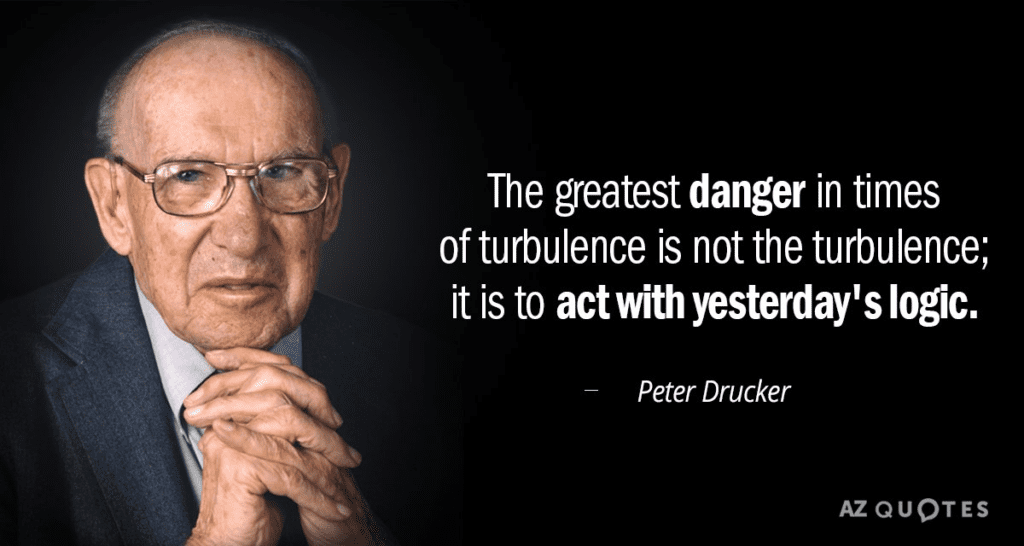
In the words of Peter Drucker, “The greatest danger in times of turbulence is not the turbulence—it is to act with yesterday’s logic.” Never has that statement rung more true than in the current crisis gripping housing markets across North America. We are living in a time of turbulence: high interest rates, construction labor shortages, bureaucratic delays, NIMBY resistance, and rising material costs. Yet the industry’s response—more of the same—shows a stubborn reliance on outdated systems and thinking that continue to fail us.
Affordable housing isn’t just a buzzword anymore—it’s become an emergency. Cities, developers, and governments agree that something must be done, yet many still try to solve the problem with the same stick-built timelines, zoning restrictions, and approval processes that helped create the crisis in the first place. The result? More reports, more meetings, and more time lost. Meanwhile, working families are being priced out, young professionals are stuck in rental limbo, and entire generations have given up hope of owning a home.
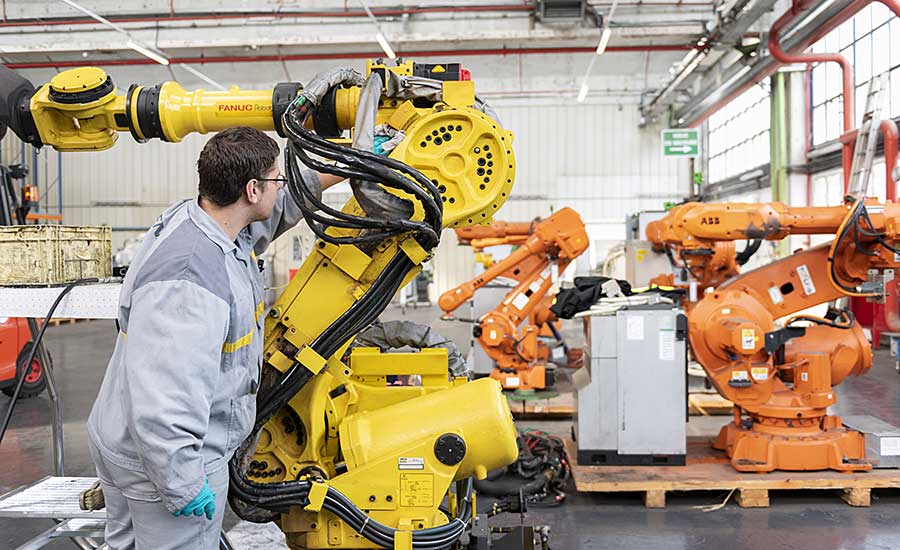
Offsite construction should be the logical answer. Faster, leaner, and more efficient, modular and panelized building methods have already proven they can deliver homes in half the time with fewer on-site delays. But entrenched thinking—yesterday’s logic—keeps this solution on the fringe. City planning offices still don’t know how to permit modular builds without confusion. Financing institutions struggle to understand how to underwrite factories instead of foundations. And builders themselves often hesitate to break from the “we’ve always done it this way” mindset, even as their backlogs grow and their profits shrink.
Here’s the hard truth: sticking with yesterday’s logic is not only slowing down innovation, it’s costing us lives and livelihoods. Homelessness is rising, housing starts are down, and the industry’s skilled labor force is aging out faster than we can replace them. What worked in 1995 doesn’t work in 2025. Drucker’s warning wasn’t about change being dangerous—it was about failing to change when the world demands it.

So what’s next? Embracing today’s logic means training tomorrow’s workforce in factories instead of on scaffolding. It means designing homes for precision manufacturing, not field improvisation. It means aligning public policy with industrialized construction methods, allowing offsite factories to compete on a level playing field. And most of all, it means leaders at every level—from city halls to construction firms—need to stop romanticizing traditional building and start thinking like innovators.
The turbulence is here, and it’s not going away anytime soon. But as Drucker reminds us, turbulence alone doesn’t sink a ship—refusing to change course does.
CONTACT US for offsite construction Advisory